When to Clean Install Windows 11 Instead of Resetting

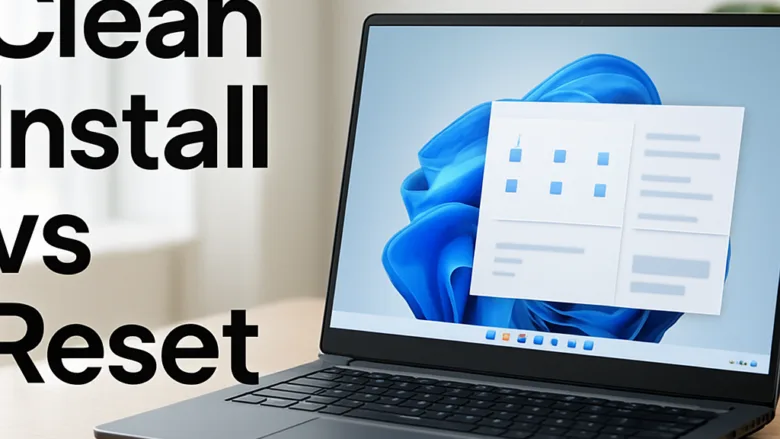
A clean install of Windows 11 wipes your hard drive and installs a fresh copy of the operating system from a USB drive, whereas a standard PC reset keeps your files and uses recovery files already on your computer.
Choose a clean install instead of a reset when your PC has stubborn malware, repeated blue screen crashes, or severe system file corruption that a normal recovery cannot fix. This process takes 30 to 60 minutes and gives your computer a totally fresh start by removing every old driver, leftover junk file, and manufacturer app.
Choose to clean install Windows 11 instead of resetting when your PC suffers from persistent performance issues, stubborn bugs, or deep-seated malware that a standard system reset fails to fix. A clean install erases your entire hard drive using an external USB drive to remove unwanted manufacturer apps and hidden viruses completely.
Understanding Your Options: Resetting Versus Clean Installing
Before you decide how to fix your computer, you need to know what happens during each process. Let’s look at how both choices work in practice.
What is a 🪟 Windows 11 Reset?
A Windows 11 reset is a built-in recovery tool that reinstalls your operating system using backup files already stored on your computer. This process removes your apps and settings while letting you choose whether to keep or delete your personal files, all without needing an external USB drive.
During a reset, Windows usually gives you a choice. You can keep your personal files like documents, pictures, and music, or you can wipe everything clean. Even if you choose to wipe everything, the reset tool relies heavily on the existing Windows recovery environment that is already installed on your computer’s main drive.
What is a Clean Install of 🪟 Windows 11?
A clean install of Windows 11 completely wipes your computer hard drive and installs a fresh copy of the operating system using an external USB flash drive. This process deletes every existing file, setting, app, and hidden error from your computer to give you a completely blank slate.
You format your entire hard drive, which deletes every single file, setting, hidden virus, and application at once. Then, you install a brand-new, pure copy of Windows 11 directly from the USB drive. This process leaves zero trace of your old operating system or any software that came pre-installed on your machine.
Key Differences Between Resetting and Clean Installing
The main difference between resetting and clean installing Windows 11 is where the new system files come from and how thoroughly your computer is wiped. A reset uses existing recovery files on your hard drive, while a clean install completely formats the drive using fresh files from an external USB drive.
- Source of files: A reset builds a new system using backup files already sitting on your computer. A clean install pulls fresh files from an external USB drive straight from Microsoft.
- Bloatware removal: A reset often brings back all the extra trial programs and manufacturer apps that came with your PC. A clean install gives you a pure version of Windows with zero unwanted apps.
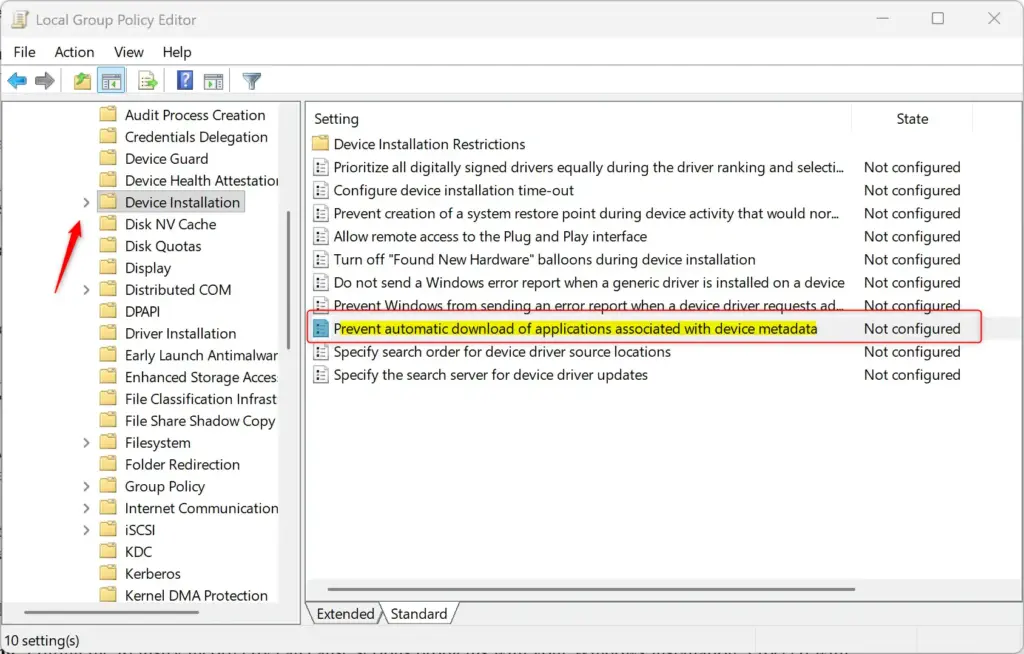
Toggle switch to prevent automatic download of manufacturer apps. - Deep-seated malware removal: A reset might leave behind advanced viruses or rootkits that hide deep inside system folders. A clean install wipes the storage drive completely, leaving malicious software nowhere to hide.
- Internet dependency: A reset can usually be done completely offline. A clean install often requires an internet connection to download the newest drivers and updates during setup.
Major Scenarios: When to Clean Install 🪟 Windows 11 Instead of Resetting
Now that you know how both methods work, let us look at the specific situations where you should skip the built-in reset tool and perform a full clean install instead.
1Persistent Performance Issues and Unsolved Glitches
Persistent performance issues and unsolved glitches mean you should clean install Windows 11 instead of resetting. If your computer keeps freezing, crashing, or running slowly after a factory reset, the built-in recovery files on your hard drive are likely damaged and need to be completely replaced using a USB drive.
When the backup files that Windows uses to reset itself are also corrupted, a standard reset will just copy those corrupted files right back onto your system. A clean install using a fresh USB drive bypasses those broken recovery files entirely. It gives your hardware a true blank canvas.
2Dealing with Stubborn Malware, Adware, or Viruses
Stubborn malware, adware, or deep-seated viruses require you to clean install Windows 11 instead of running a standard reset. Advanced security threats can hide inside system recovery files, meaning a normal reset might reinstall the infection, whereas a full drive wipe ensures every trace of malicious software is permanently gone.
If your antivirus program keeps finding the same infection over and over again, or if your browser keeps redirecting to strange websites, a standard reset might not be enough. Malware can sometimes hide inside the recovery partition that a reset relies on. A clean installation completely erases the hard drive partitions, destroying any hidden malware once and for all.
3Removing Manufacturer Bloatware Completely
Removing manufacturer bloatware completely is best achieved by performing a clean install of Windows 11 rather than a standard reset. While factory resets often put unwanted trial apps and manufacturer software right back onto your machine, a clean install from a Microsoft USB drive gives you a pure operating system without any extra junk.
While a standard reset often puts these unwanted programs right back onto your system because they are baked into the manufacturer's recovery partition, a clean install does not. A clean install puts a pure, clean version of Windows on your machine with zero bloatware.
4Preparing a PC to Sell or Give Away
Preparing a PC to sell or give away safely is a primary reason to choose a clean install over a simple reset. While a standard reset can sometimes leave behind recoverable shadow copies of your personal files and passwords, a clean install completely formats all drive partitions to ensure your private data is permanently erased.
Doing a clean install lets you wipe all partitions on the drive. It ensures that no one else can dig through your old documents, photos, or financial records after the computer leaves your hands.
How to Perform a Clean Install of 🪟 Windows 11
Performing a clean install of Windows 11 requires an empty USB flash drive with at least eight gigabytes of space, a working secondary computer with internet access, and your Windows product key. You use these tools to download official setup files from Microsoft, create a bootable installer, and wipe your hard drive completely clean.
- An empty USB flash drive that holds at least 8 gigabytes of storage space.
- A working secondary computer with internet access to download the setup files.
- Your Windows product key (though Windows 11 will usually activate automatically if your PC had a digital license linked to your Microsoft account).
- Plug your empty USB flash drive into a working computer.
- Go to the official Microsoft website and download the Windows 11 Media Creation Tool.
- Open the downloaded tool, accept the licensing terms, and choose the option to create installation media for another PC.
- Select your USB flash drive from the list and let the tool download the necessary files and copy them onto your USB drive.
- Once the process finishes, safely unplug the USB drive from that computer and plug it into the computer that needs the clean installation.
- Restart your computer and tap the appropriate boot menu key (such as F12, F11, F8, or Esc, depending on your computer brand) to open your system's boot device menu.
- Select your USB flash drive as the primary boot device.
- When the Windows Setup screen appears on your monitor, choose your language, time, and keyboard preferences, then click Next.
- Click the Install now button.
- Enter your product key when prompted, or click "I don't have a product key" if your Windows 11 license is digital.
- Accept the license terms and click Next.
- Choose the Custom: Install Windows only (advanced) option.
- Select each existing partition on your main hard drive and click the Delete option until your drive shows up as unallocated space. (Warning: This deletes everything on the drive.)
- Highlight the unallocated space and click Next to start installing Windows 11.
- Wait for your computer to copy files and restart automatically. Follow the on-screen prompts to set up your user account and finish your preferences.
Summary
Knowing when to clean install Windows 11 instead of resetting comes down to whether you need to fix corrupted system files, remove stubborn malware, get rid of bloatware, or safely wipe your data. While a reset is a quick fix using built-in files, a clean install uses an external USB drive to completely erase your hard drive and give you a fresh start.
Was this guide helpful?

About the Author
Richard
Tech Writer, IT Professional
Richard is a writer at Geek Rewind who turns complex IT tasks into clear, step-by-step guides. He draws on years of hands-on experience in system administration and enterprise IT operations, focusing on Windows, Linux and WordPress: the problems people actually run into, and the fixes that work. His server and WordPress guides come from systems he runs himself. Richard builds and maintains the platform behind Geek Rewind, from its Ubuntu servers and Nginx configuration to its custom WordPress plugins. Many new tutorials start with readers' questions, and he's always glad to answer them in the comments.

No comments yet — be the first to share your thoughts!