What Windows Dynamic Lock Actually Does with Bluetooth Devices

Windows Dynamic Lock locks your PC when you walk away. It does this by watching the Bluetooth signal from a phone that is paired with the computer. When that signal drops, Windows waits roughly thirty to sixty seconds and then shows the lock screen.
The signal strength is the only thing Windows uses. It does not track your GPS location, and it does not use cameras or other sensors. Dynamic Lock only locks the PC. When you come back and the signal returns, Windows does not unlock itself. You still sign in with your PIN, password, or Windows Hello.
Dynamic Lock is included in both Windows 11 Home and Windows 11 Pro. It is also available in Windows 10, so you do not need a particular edition.
Windows Dynamic Lock automatically locks your PC when your paired Bluetooth phone’s signal drops as you walk away. It waits thirty to sixty seconds after losing the signal, then shows the lock screen. The feature monitors only Bluetooth signal strength—not GPS or cameras—and does not unlock the PC when you return; you must sign in again with your PIN, password, or Windows Hello.
Supported Devices: What Can You Use With Dynamic Lock?
Most modern smartphones work with Dynamic Lock, including iPhones and Android devices, as long as they pair with the computer using standard Bluetooth . Windows relies on that Bluetooth link to judge how far away the phone is. When the signal drops as you walk away, Windows locks the screen.
Other Bluetooth devices, such as fitness trackers, smartwatches, or wireless headphones, can also be paired. They only help if they keep a steady, reliable connection to the computer. A phone is usually the safest choice because you carry it everywhere. Headphones that you leave on the desk will keep the PC unlocked after you leave. Test any other device before you rely on it.
If your computer has no built-in Bluetooth , plug in a compatible USB Bluetooth adapter first. Windows should then show the Bluetooth toggle in Settings. If you don’t see it, check that the adapter’s driver installed correctly.
Step-by-Step Guide: How to Enable Dynamic Lock on Windows
Setup takes a few minutes once the prerequisites are in place. There are two parts. First you pair the phone, then you switch on the Dynamic Lock option.
Step 1Pair Your Bluetooth Device
Dynamic Lock needs a phone that Windows already knows about, so pair it through Settings first. The steps below are for Windows 11. Windows 10 uses slightly different names, noted in step 4.
- On your phone, turn on Bluetooth and leave the Bluetooth settings screen open so the phone is discoverable.
- On your PC, open the Start menu and click Settings (the gear icon).
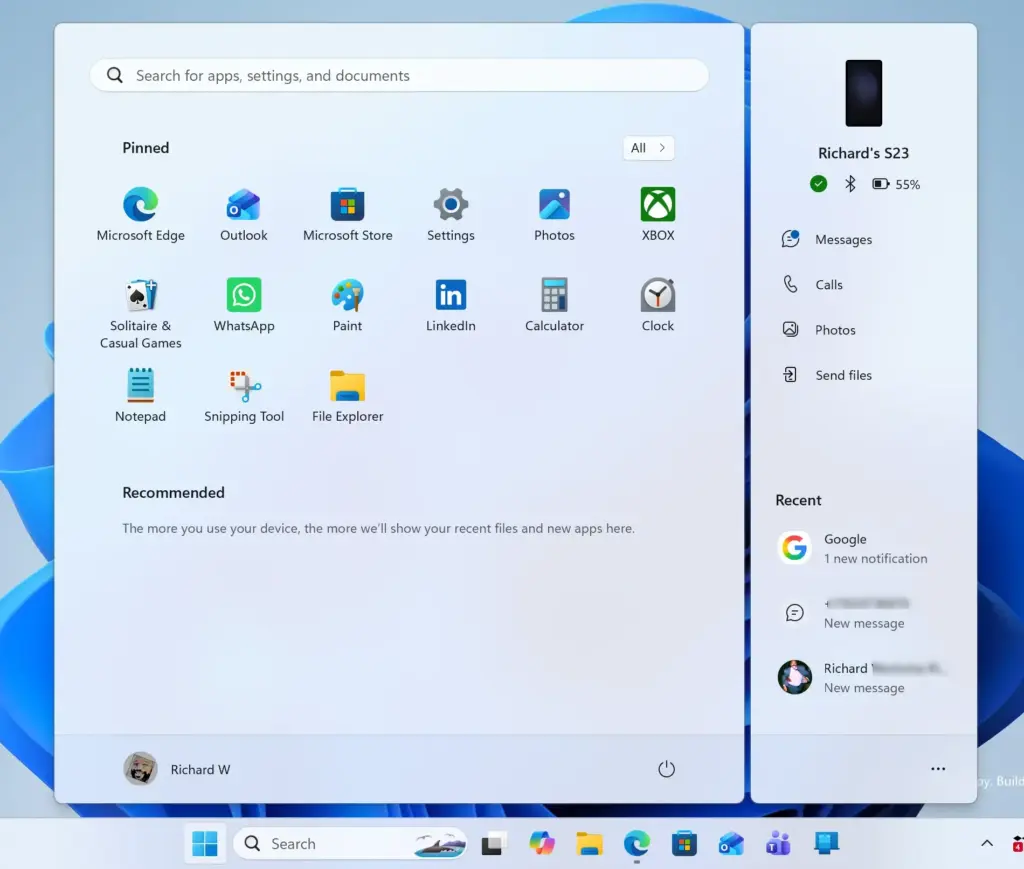
Start Menu - Click Bluetooth & devices in the left-hand list. In Windows 10, click Devices instead. You should see the Bluetooth settings page.
- Turn the Bluetooth toggle On if it is off.
- Click Add device, then choose Bluetooth in the window that opens. Windows starts searching for nearby devices.
- Select your phone from the list. If Windows and your phone both show a pairing code, check that the codes match and confirm on both devices.
- Wait for Windows to report that the device is Connected or paired. Your phone should now appear in the device list.
If your phone does not show up, make sure its Bluetooth settings screen is still open and that it is within a metre or two of the PC. Then click Add device again.
Step 2Turn on Dynamic Lock
Once the phone is paired, you can turn on Dynamic Lock from the Accounts section of Settings. If no phone is paired, the option stays grayed out. That is the most common reason people can't find it or click it.
- Open the Start menu and click Settings.
- Click Accounts.
- Click Sign-in options. You should see the list of sign-in methods, such as PIN, password, and Windows Hello.
- Scroll down to the Dynamic lock section. If it is not visible, expand Additional settings or scroll further. Its exact position varies a little between Windows builds.
- Check the box labeled Allow Windows to automatically lock your device when you're away.
- Let Windows finish. It detects your paired phone automatically and uses it as the anchor device. You do not need to restart the PC.
To test it, sign in, then walk away with your phone and give it a minute. The PC should lock once the Bluetooth signal drops. The range depends on walls and interference, so the distance varies from room to room.
Removing the phone from Bluetooth & devices also stops Dynamic Lock from working, because the feature needs a paired device.
Summary
Dynamic Lock is a built-in Windows security feature that protects your privacy by locking the screen when you leave. It works by watching the Bluetooth signal between your PC and a paired device, usually your phone. When that signal gets too weak, Windows locks the computer.
It is a convenience layer, not a replacement for good habits. If your phone stays in range, or if its Bluetooth is on and connected from another room, the PC may stay unlocked longer than you expect. In shared spaces, press Windows key + L when you leave your desk.
Questions readers asked
What if you lose your phone?
A lost phone can't sign in to your PC. Anyone who gets back in still needs your PIN, password, or Windows Hello. The real risk is a lost phone left close to the PC, because its Bluetooth signal keeps the screen unlocked. Right away, go to Settings, then Bluetooth & devices, select your phone, and choose Remove device. Until you do that, press Windows key + L when you leave your desk. You can also use your phone's own find-my-device service from another device to locate or lock it.
Still have a question?
Answered by AI from this guide. Good questions may be added to this page — please don't include personal details.
Did this guide fix your problem?

About the Author
Richard
Tech Writer, IT Professional
Richard is a writer at Geek Rewind who turns complex IT tasks into clear, step-by-step guides. He draws on years of hands-on experience in system administration and enterprise IT operations, focusing on Windows, Linux and WordPress: the problems people actually run into, and the fixes that work. His server and WordPress guides come from systems he runs himself. Richard builds and maintains the platform behind Geek Rewind, from its Ubuntu servers and Nginx configuration to its custom WordPress plugins. Many new tutorials start with readers' questions, and he's always glad to answer them in the comments.
No comments yet — be the first to share your thoughts!