What Windows 11 Smart App Control Actually Blocks and How to Disable It

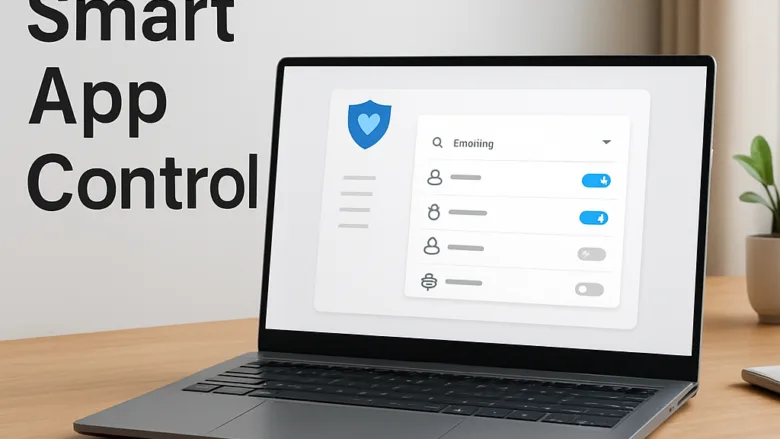
Smart App Control in Windows 11 version 22H2 or newer is a built-in security shield that blocks apps and scripts flagged as unsafe or unknown. It runs in the background to stop malicious software, but it often blocks harmless programs and trusted tools you download.
Turning off Smart App Control stops these warnings and lets you run any software you want. However, switching it off is permanent until you reset or reinstall Windows, so you need to be sure the apps you run are safe.
Smart App Control blocks unverified executables, unknown scripts, suspicious app behaviors, and unverified downloads that lack a recognized digital signature or safe usage history. To disable it, open the Windows Security app, go to App and browser control, select Smart App Control settings, and turn the feature off.
What is Smart App Control and How Does It Work?
This feature stops malicious software, viruses, and unknown applications from running by checking them against Microsoft’s cloud-based threat database. It works alongside your regular antivirus software to provide an extra layer of defense against unsafe files and potential security risks every time you try to run a new app.
When you try to run a new app, the Smart App Control feature checks the app details against Microsoft's cloud-based threat intelligence database. If the app has a good reputation and a valid digital signature from a known developer, Windows lets the app run smoothly. However, if the app is brand new, lacks a reputation, or looks suspicious, Smart App Control blocks the app immediately.
The Smart App Control security system in Windows 11 relies heavily on cloud data and threat intelligence. Because Smart App Control evaluates files based on global threat data, Smart App Control can spot new threats quickly. Unfortunately, this security approach also means that brand-new programs, open-source utilities, and niche software created by independent developers often get blocked simply because the software lacks a widespread reputation.
What Does Smart App Control Actually Block?
Smart App Control blocks untrusted executables, installer files without verified digital signatures, unknown scripts, and programs that display suspicious behaviors capable of risking your computer’s security. It targets files that lack a trusted reputation in Microsoft’s cloud database, which often prevents unverified indie games, custom developer tools, or modified software from opening.
Here are the primary types of files and behaviors that trigger a block:
- Untrusted Executables: Programs and installer files that do not have a verified digital signature from a recognized developer.
- Unknown Scripts: Script files and macro-heavy documents that come from unverified sources on the internet.
- Suspicious App Behavior: Software that attempts to modify core system settings, alter security configurations, or access sensitive folders without a clear reason.
- Unverified Downloads: Files downloaded from the web that lack a track record of safe usage among other Windows 11 users worldwide.
When Smart App Control blocks one of these files, you will typically see a warning message on your screen. This message lets you know that Windows prevented an unrecognized app from running to protect your device.
Who is a Good Candidate for Smart App Control?
Smart App Control is a great choice for everyday computer users who only download and install popular apps from the official Microsoft Store or well-known software companies. If you rarely use indie software, custom developer tools, or unverified programs, keeping this security feature turned on helps protect your PC without getting in your way or stopping normal daily tasks.
You are a great candidate to keep Smart App Control turned on if:
- You only download and install popular apps from the official Microsoft Store or well-known software companies.
- You do not play indie video games that require manual file installations or custom launchers.
- You do not work with custom scripts, niche developer tools, or open-source software downloaded from GitHub or forums.
- You want maximum automated security and prefer a hands-off approach to managing file safety.
If your everyday computer usage matches safe browsing and standard app installation habits, the Smart App Control security feature runs quietly in the background without causing you any trouble. Smart App Control blocks risky files before the malicious programs can harm your operating system.
When Should You Disable Smart App Control?
Disable Smart App Control if it constantly blocks legitimate programs, indie video games, free open-source software, or custom developer tools that you trust. Because the feature blocks apps without verified digital signatures, power users, programmers, and gamers often need to turn it off to run unverified software smoothly on their Windows 11 computers.
- You frequently download and install free or open-source software from independent creators whose apps do not have expensive digital signatures.
- You are a software developer who needs to test custom code, local builds, and experimental applications on your machine.
- You play independent video games or use older utility programs that trigger false positive security blocks.
- You understand how to evaluate download safety on your own and prefer to use a standard antivirus program instead of automated cloud blocking.
If Smart App Control constantly blocks software that you know is safe, disabling it is often the easiest way to restore your workflow.
Can You Turn Smart App Control On Manually?
You can turn Smart App Control on manually, but only after performing a clean installation of Windows 11 on a computer where the system evaluates clean and finds no active threats. If you turn it off later, you cannot simply switch it back on from the settings menu without completely resetting or reinstalling your operating system from scratch.
Microsoft designed Smart App Control to evaluate your computer security status during a fresh installation of Windows 11 version 22H2 or later. When you set up a brand-new computer or perform a clean install, Windows checks if your system is clean. If no threats are found, Smart App Control starts in Evaluation mode. During this mode, Smart App Control learns your app usage habits. If Smart App Control decides your system is safe, Smart App Control turns on permanently.
Once the Smart App Control security feature is turned off in Windows 11, you cannot simply turn the security feature back on with a toggle switch in your settings. Because turning off Smart App Control signals to Windows that you want the security feature disabled, re-enabling Smart App Control later requires resetting your computer or performing a clean installation of Windows 11.
How to Check Your Smart App Control Status
You can check your Smart App Control status by opening the Windows Security app from your start menu, going to the App and browser control section, and looking at the settings listed there. This menu shows you clearly whether the feature is currently turned on, actively evaluating your device, or permanently turned off for your current user account.
Follow these steps to check your status:
- Click the Start button on your taskbar or press the Windows key on your keyboard.

Taskbar - Type Windows Security into the search box and click the app icon from the search results.
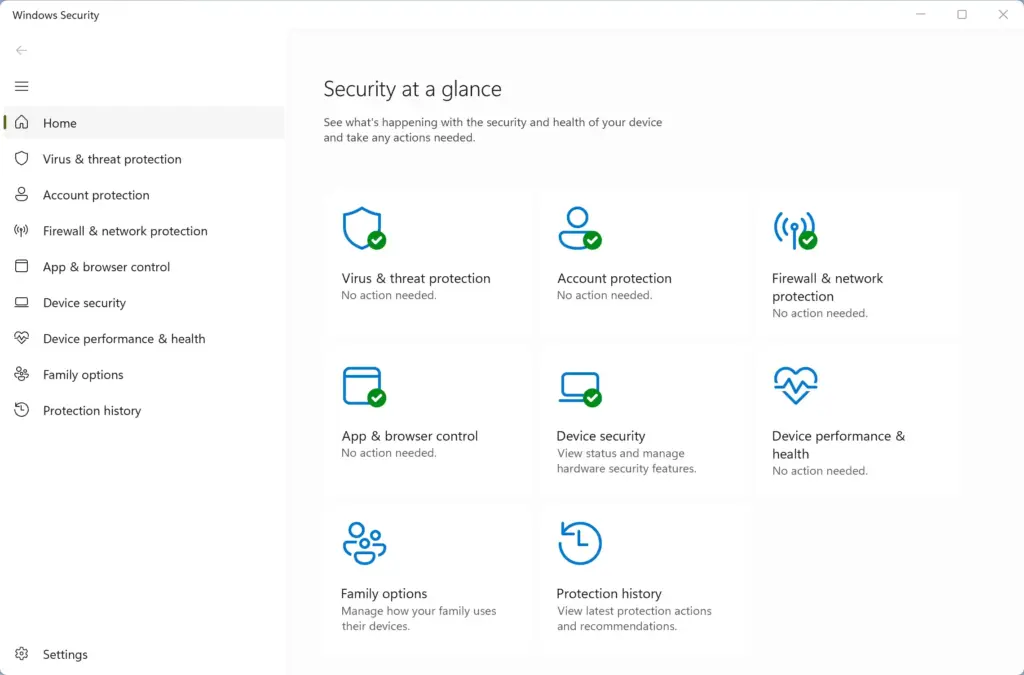
Windows Security - In the Windows Security window, click on App & browser control from the left-hand menu.
- Look for the section labeled Smart App Control.
- Click on Smart App Control settings to view your current status (On, Evaluation, or Off).
How to Disable Smart App Control in 🪟 Windows 11
You can disable Smart App Control through the Windows Security app under the App and browser control settings, provided you are logged into an administrator account. Keep in mind that turning it off is a permanent change for your current Windows installation, meaning you cannot turn it back on later without reinstalling the operating system.
Follow these step-by-step instructions to turn off Smart App Control:
- Click the Start button and open the Windows Security app.
- Click on App & browser control in the left sidebar.
- Click the link that says Smart App Control settings beneath the Smart App Control description.
- On the Smart App Control page, look for the option labeled Off and click it.
- A confirmation window or system prompt may appear asking if you want to make changes to your device. Confirm your choice to turn off the feature.
Once you complete these steps, Smart App Control will no longer block your downloads and programs. Your standard antivirus protection, such as Microsoft Defender, will still remain active to protect your PC from known viruses and malware.
How to Allow a Specific App Without Disabling Smart App Control (Unique Expert Angle)
You can sometimes bypass Smart App Control blocks for specific trusted applications by using alternative methods like unblocking the file properties or using exclusion settings when the feature is in evaluation mode. While Windows does not offer a simple whitelist button once the feature is fully active, advanced users can use specific workarounds to run safe programs.
If Windows 11 Smart App Control blocks a safe program that you want to use, you can bypass the block by turning off Smart App Control in your Windows Security settings, though this removes an important safety layer that stops malicious software from running on your PC.
- Check for an Official Installer: Visit the official website of the software creator and download the latest version. Developers often update their digital signatures and file installers so they pass Microsoft cloud checks.
- Unblock the File Properties: Right-click the downloaded installer file on your computer, choose Properties, look at the General tab, and check if there is an "Unblock" checkbox near the bottom. If present, check the box and click Apply.
- Use Alternative Distribution Channels: Check if the application is available on the official Microsoft Store. Apps downloaded directly from the Microsoft Store bypass Smart App Control blocks because they are pre-verified by Microsoft.
If none of these methods work and the file continues to trigger false positive blocks, temporarily disabling Smart App Control using the steps outlined in the previous section remains the most practical workaround for power users.
Summary
Smart App Control protects Windows 11 computers by blocking untrusted apps and unverified files using Microsoft cloud intelligence, making it great for everyday users but restrictive for developers and gamers. You can check or disable this feature in the Windows Security app, though turning it off is a permanent choice for your current system setup.
Was this guide helpful?

About the Author
Richard
Tech Writer, IT Professional
Richard is a writer at Geek Rewind who turns complex IT tasks into clear, step-by-step guides. He draws on years of hands-on experience in system administration and enterprise IT operations, focusing on Windows, Linux and WordPress: the problems people actually run into, and the fixes that work. His server and WordPress guides come from systems he runs himself. Richard builds and maintains the platform behind Geek Rewind, from its Ubuntu servers and Nginx configuration to its custom WordPress plugins. Many new tutorials start with readers' questions, and he's always glad to answer them in the comments.


No comments yet — be the first to share your thoughts!