What Happens When You Turn Off Smart App Control in Windows Security

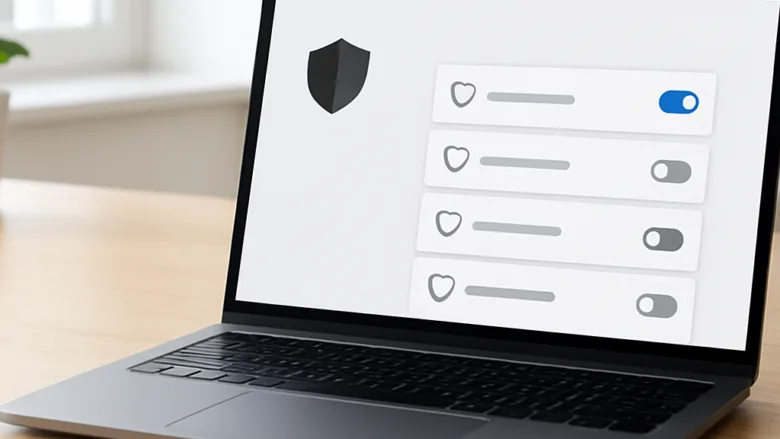
Smart App Control is a built-in security feature in Windows 11 (version 22H2 and newer). It blocks unknown and untrusted apps before they can run. It checks each program against a Microsoft cloud database of known-safe software and valid digital signatures. Anything it cannot vouch for is stopped.
Turning Smart App Control off means Windows no longer blocks unverified programs, and you lose a layer of automatic protection. In the Windows 11 versions this article covers, the feature cannot be switched back on without resetting or reinstalling Windows. Microsoft has been changing how this works, so check the status page described below on your own PC. Until you know otherwise, treat the switch as one-way. With it off, your computer is more exposed to brand-new threats that standard antivirus programs might miss.
Turning off Smart App Control removes Windows’ automatic verification of unknown programs before they run, leaving your computer exposed to malware and unverified software that standard antivirus may miss. In Windows 11 versions 22H2 and newer, you cannot turn it back on without resetting or reinstalling Windows, making the change effectively permanent.
The Main Risks of Turning Off Smart App Control
The main risk is that nothing checks unknown software before it runs. Unknown malware, unverified programs and dangerous scripts can install themselves quietly. Smart App Control is your primary shield against untrusted software, so disabling it lowers your overall safety. In the versions covered here, you cannot undo it without a full Windows reset.
- Higher risk of malware infections: Without this guard, malicious programs get past warnings much more easily. If you download a fake version of a popular app, you could end up with viruses, spyware or ransomware.
- No automatic safety checks: New apps are no longer checked against the cloud database before they run. You become the final line of defense, and you have to judge whether a file is safe on your own.
- Vulnerability to script attacks: Many modern threats use hidden scripts to steal data. Smart App Control helps block these attacks. Turning it off removes that automatic barrier.
To get it back, you usually have to reset your computer or reinstall Windows completely. That is a lot of work for a feature you may only have wanted to bypass once, so think twice before you turn it off.
Why Is Windows Blocking Your App? (Understanding False Positives)
Windows blocks an app when Smart App Control cannot verify its digital signature or its safety history in the cloud database. Often this is a false positive. A safe program gets flagged because the developer is new, the update is very recent, or the file has too little download history to prove it is safe.
- New or small developers: A new programmer’s app may not have a long record of safe use in the cloud database. Windows treats unknown programs with caution.
- Missing digital certificates: A formal code-signing certificate costs money and time. Smaller indie game developers and open-source creators sometimes skip it. Without a certificate, Windows cannot confirm who made the app.
- Unusual installation methods: Apps that download extra files from the internet during setup can trigger warnings, because that behavior looks similar to how malware works.
Look for a More info link on the warning window, then click Run anyway if it is offered. Smart App Control itself often gives no such option and simply blocks the app. In that case you will only see the bypass on the older SmartScreen-style warning. If there is no button, do not reach for the off switch straight away. Check the file first, as described later in this article, or look for a signed version from the developer.
Step-by-Step Guide: How to Check and Manage Smart App Control
You manage Smart App Control from the Windows Security app. Use an administrator account, because standard accounts cannot change security settings without an admin password. In Windows 11 you find it under App & browser control. You can see whether the feature is on, and change the setting from there.
- Click the Start button on your taskbar. The Start menu opens.
- Type Windows Security into the search box and click the app in the results. The Windows Security window opens.
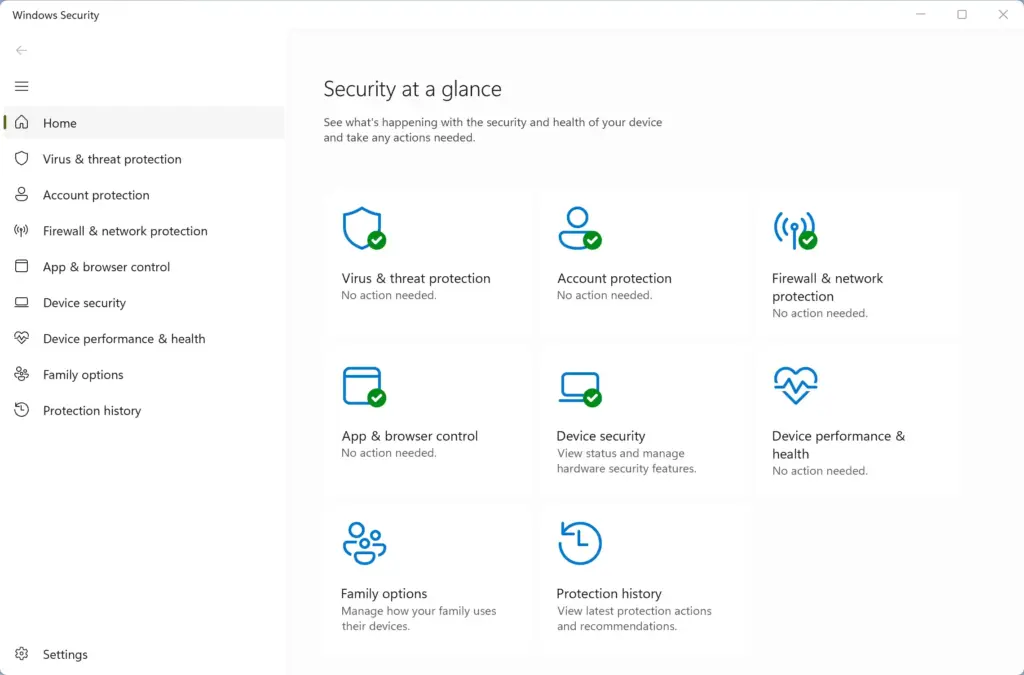
- Click App & browser control in the left-hand menu or the main window. The reputation-based protection settings appear.
- Find the section labeled Smart App Control.
- Click Smart App Control settings to view your current status. You should see the options On, Evaluation and Off, with your current one selected.
The status tells you what Smart App Control is doing. On means it is actively blocking. Evaluation means Windows is still learning how you use the PC and will decide whether to switch it on. Off means it is disabled. If it is on, you will see a note explaining that turning it off means it cannot be turned back on without resetting the PC. A normal toggle will not bring it back.
If you do not see Smart App Control at all, it is usually because your copy of Windows 11 was upgraded rather than freshly installed, or because the feature is not available on that device. It works the same on Home and Pro. Do not click Off unless you have decided to accept the permanent change.
Unique Expert Tip: Evaluating Apps Safely Before Bypassing Security
Before you bypass security for a blocked file, scan it with a trusted online tool such as VirusTotal. This free service checks your installer against dozens of antivirus engines. You can then judge whether the software is safe instead of guessing or turning off Windows protections blindly.
To use this method:
- Save the downloaded installer to your desktop or Downloads folder. Do not run it yet.
- Open your web browser and go to the VirusTotal website at virustotal.com.
- Click the Choose file button and select the installer you just downloaded. The upload begins.
- Wait while the site scans the file with antivirus engines from around the world. This usually takes a short time.
- Review the results. If all or nearly all scanners report the file as clean, it is likely safe to run. If several scanners flag it as malicious, delete it immediately.
A single odd detection from one obscure engine is often a false alarm, but several detections from well-known engines is a clear warning. A clean scan is not a guarantee either, so download only from the developer's official site. This method protects your computer without switching off your system security features.
Summary
Smart App Control is a built-in Windows security feature that blocks unknown, unverified or potentially dangerous apps before they can run. Turning it off leaves your system open to malware. In the versions covered here, you cannot switch it back on without a full reset. Verify files with a tool like VirusTotal instead, and use the More info and Run anyway option only for software you trust.
Was this guide helpful?
100% of readers found this helpful (1 votes)

About the Author
Richard
Tech Writer, IT Professional
Richard is a writer at Geek Rewind who turns complex IT tasks into clear, step-by-step guides. He draws on years of hands-on experience in system administration and enterprise IT operations, focusing on Windows, Linux and WordPress: the problems people actually run into, and the fixes that work. His server and WordPress guides come from systems he runs himself. Richard builds and maintains the platform behind Geek Rewind, from its Ubuntu servers and Nginx configuration to its custom WordPress plugins. Many new tutorials start with readers' questions, and he's always glad to answer them in the comments.



No comments yet — be the first to share your thoughts!