What Breaks When You Disable App Access to Account Info

- 11 steps
- Includes a restart or sign-out
Turning off app access to your account info in Windows 11 stops Microsoft Store apps and built-in tools like the new Outlook and Phone Link from reading your profile name, picture, and email address. The setting is under Settings Privacy & security Account info. When you switch it off, Windows blocks apps from pulling your personal Microsoft account details.
The side effects show up in apps that rely on those details to sign you in. Single sign-on features across games and productivity apps can stop working, so you end up typing your password by hand each time. Xbox and Microsoft 365 may also fail to sync your profile picture or keep you signed in automatically.
When access is on, apps can use your account info to:
- Fill in your name automatically in forms and documents.
- Show your profile picture inside the app screen.
- Keep you signed in across different programs without asking for your password over and over.
- Sync your preferences between your computer and other devices.
For most people the default setting is convenient and works quietly in the background. But if you have privacy or security concerns, you may want to lock it down. Knowing what breaks when you turn it off helps you decide whether blocking access is worth it on your PC.
When you turn off app access to account info in Windows 11 (Settings Privacy & security Account info), Microsoft Store apps and built-in tools like the new Outlook and Phone Link lose your profile name, picture and email address. Single sign-on often stops, so you retype your password, and Xbox and Microsoft 365 may stop syncing your profile and settings across devices.
What Breaks When You Disable App Access to Account Info
When you turn off the setting that lets apps read your account details, some features stop working the way you expect. The sections below cover the main things that break or change. The effect is strongest in Microsoft Store apps, since those are the apps that ask Windows for this information.
1Built-In Microsoft Apps Lose Personalization
Built-in Microsoft apps like the new Outlook lose personalization first. They stop recognizing your user profile automatically, so you will notice a few changes:
- Your profile picture disappears, and the app shows a generic placeholder.
- Your real name is replaced by a generic label or left blank.
- Your personal settings stop syncing across Microsoft services.
Nothing is deleted. Your account and your data are untouched, and the details return when you turn access back on.
2Manual Sign-Ins Become Necessary
Apps that usually remember your login details may forget them. Applications can no longer verify your identity through your Windows login session once you turn off account access. As a result, you may need to type your email address and password every time you open an app. This is most noticeable with apps you use daily, such as Xbox or Microsoft 365, so expect the extra sign-in prompts to add up.
3Account Syncing Stops Working
Blocking app access to account details can break that connection. Your apps will stop sharing preferences, saved items, or bookmarks with your other devices. If a setting you changed on one PC does not appear on another, check this permission before you look at anything else.
4Third-Party Store Apps May Fail to Launch
If they cannot read your account info to confirm that you bought or downloaded them legitimately, they might refuse to open or show an error message. If a Store game fails right after you changed this setting, turn access back on for that app first. That is the quickest way to rule this setting in or out as the cause.
How to Control App Access to Your Account Info
Controlling app access to your account info takes a few clicks and needs no technical background. You open the Windows privacy settings and choose which apps may see your name, picture, and other personal details.
Some steps below may need administrative privileges. If a workplace or school manages your computer, certain settings might be locked. In that case the switch may be greyed out, or Settings may show a message saying some settings are managed by your organization. Only your administrator can change those. The steps are the same on Windows 11 Home and Pro.
- Click the Start button on your taskbar and select the Settings gear icon. The Settings window opens.

- In the Settings window, click Privacy & security in the left-hand menu. The privacy options appear on the right.
- Scroll down the right-hand pane until you reach the App permissions section.
- Click Account info. The page for this permission opens.
- At the top of the page, find the switch labeled Let apps access your account info. Set it to Off to block apps in one step. The change applies immediately and does not need a restart.
- If you would rather not block everything, leave the main switch on and scroll down to the list of individual apps. Turn access off for specific programs and leave it on for the ones you trust. If the main switch is off, this per-app list is not available, so turn the main switch on first.
To undo the change at any time, return to the same page and flip the switch back to On.
Unique Angle: Hidden Security Risks of Keeping Account Access Open
Leaving app access to your account info wide open carries a quiet security risk. Random software can read your personal details and profile data without you noticing. Free games and lesser-known utilities often ask for broad permissions, and malicious programs can exploit them to gather your private information.
Apps you download from the internet often request broad permissions during installation. If you click through the setup screens without reading them, you might give an untrusted application permission to read your account data. That exposes your profile details and Microsoft account information.
Account info usually means little more than your name and email address. Even so, hackers and malicious software can sometimes use this data to:
- Target you with personalized phishing emails that look real because they contain your actual username and profile details.
- Track your activity across different apps installed on the same computer.
- Gather information to sell to marketing companies without your clear consent.
Blocking account access for apps you do not trust or rarely use is a simple shield. It limits what a rogue program can see, so your personal details stay private even if you accidentally install something sketchy. A sensible middle path is to leave the main switch on and turn off only the apps you do not recognize in the per-app list.
Troubleshooting Common Issues After Changing Permissions
If an app stops working or signs you out after you change permissions, the fix usually takes a few minutes. Go back into the privacy settings and turn account access back on for the affected program.
If an app refuses to open or logs you out repeatedly, follow these steps:
- Open the Settings app from your Start menu.
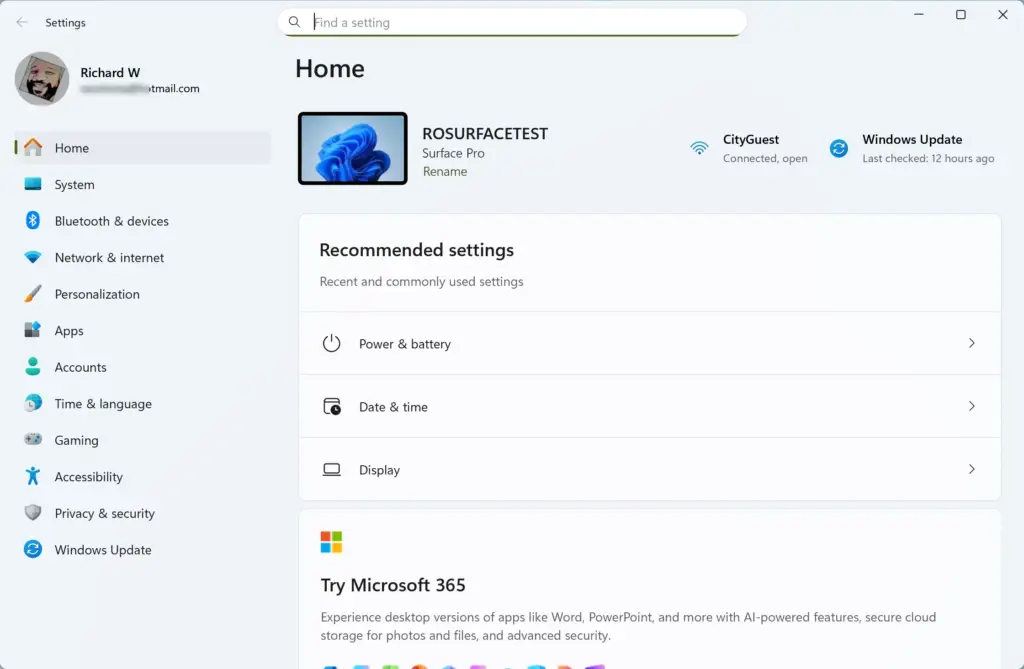
- Go to Privacy & security and click Account info.
- Turn the main switch back to On. Or, if you only blocked certain apps, find the specific app in the list and turn on its individual switch.
- Restart your computer so the system refreshes your user permissions. Often just closing and reopening the app is enough, but a restart rules out a stale session.
- Open the app again and sign in manually if prompted. Everything should return to normal, and your name and picture should reappear.
If the app still fails, the cause is probably something other than this permission, such as a damaged app install or an expired sign-in. Signing out of the app and back in is a good next step.
Summary
Disabling app access to your account information in Windows protects your privacy by stopping apps from reading your name, profile picture, and login details. The trade-off is that built-in apps lose personalization, sync can stop, and you may need to sign in manually more often. You stay in control, though. You can change these permissions in Settings whenever you need to, either for all apps or one app at a time.
Have a question about this guide?
Answered by AI from this guide. Good questions may be added to this page — please don't include personal details.
Did this guide fix your problem?

About the Author
Richard
Tech Writer, IT Professional
Richard is a writer at Geek Rewind who turns complex IT tasks into clear, step-by-step guides. He draws on years of hands-on experience in system administration and enterprise IT operations, focusing on Windows, Linux and WordPress: the problems people actually run into, and the fixes that work. His server and WordPress guides come from systems he runs himself. Richard builds and maintains the platform behind Geek Rewind, from its Ubuntu servers and Nginx configuration to its custom WordPress plugins. Many new tutorials start with readers' questions, and he's always glad to answer them in the comments.
No comments yet — be the first to share your thoughts!