How to Enable or Disable SmartScreen for Microsoft Store Apps on Windows 11

SmartScreen for Microsoft Store apps in Windows 11 checks the web content that Store apps load against a live list of reported unsafe sites and downloads. It runs in the background and warns you, or blocks the content, when something looks dangerous. It is there to protect your PC from malware and unsafe downloads.
Windows 11 turns this filter on by default. You might turn it off if it keeps blocking something you know is safe, and you can switch it back on at any time. This guide covers the Windows Security app first, then the Group Policy and registry options for administrators.
Open Windows Security, click App & browser control, select Reputation-based protection settings, scroll to SmartScreen for Microsoft Store apps, and toggle the switch On or Off. The change applies immediately without a restart.
How SmartScreen Works
Microsoft Defender SmartScreen checks apps, files and websites against Microsoft’s reputation data before you use them. If something has a bad reputation, or is new and unknown, you get a warning instead of the item opening straight away. This helps keep you from running harmful software or landing on a malicious site.
The Store apps setting is one of several SmartScreen switches in Windows 11. Changing it does not touch the others, such as the one for Microsoft Edge or the one for downloaded apps and files.
Managing SmartScreen for Microsoft Store Apps
For a single PC, the easiest way to turn this on or off is the Windows Security app. You go to the reputation-based protection settings and find the toggle for Microsoft Store apps. The steps are the same on Windows 11 Home and Pro.
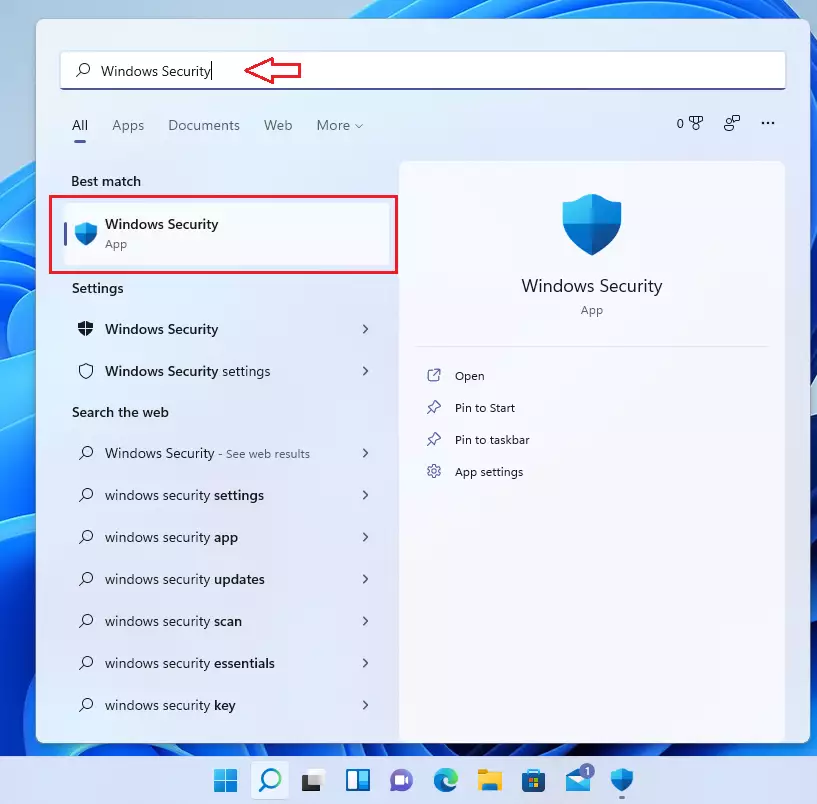
- Click the search box on your taskbar , type Windows Security, and click Windows Security in the results. The Windows Security window opens, with a list of protection areas on the left and tiles on the right.
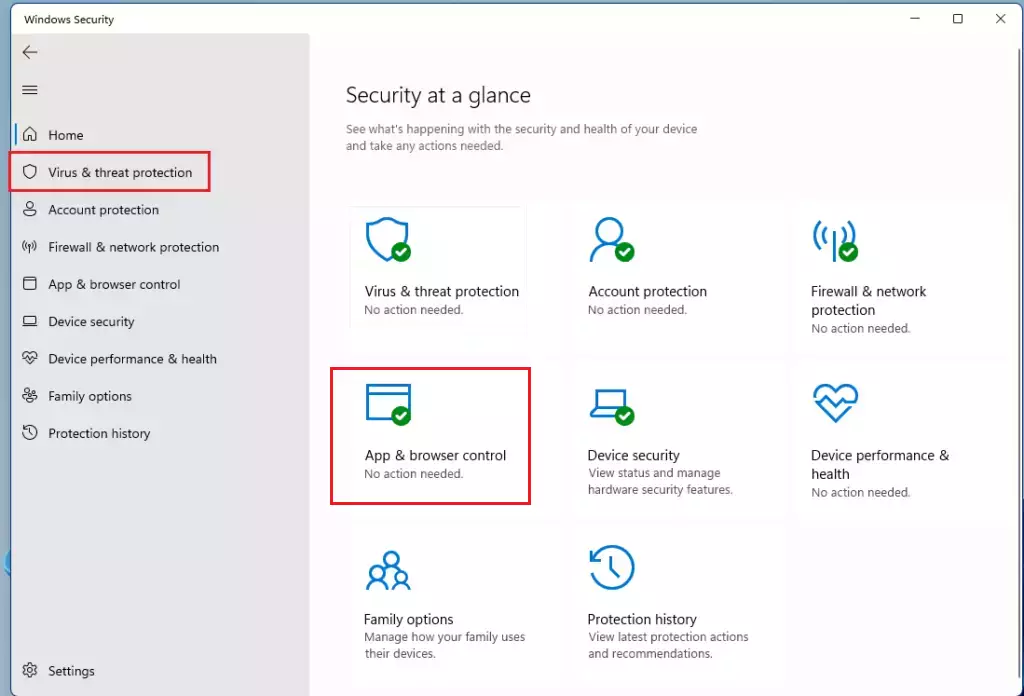
- Click the App & browser control tile (or choose it from the left menu). You will see the settings for app and browser protection.
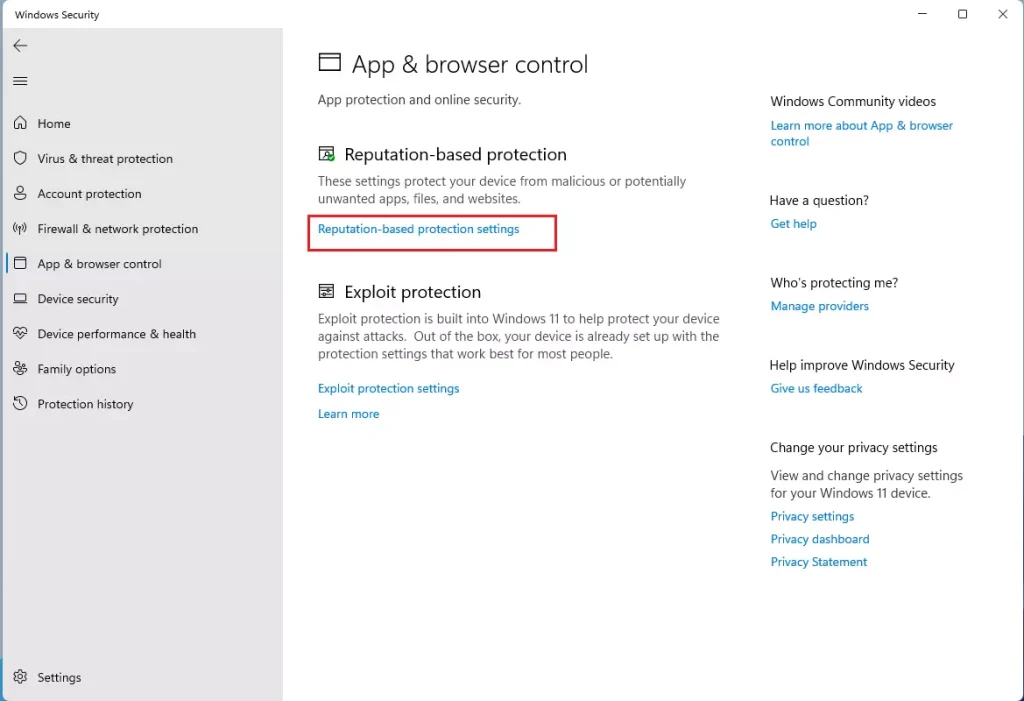
- Under Reputation-based protection, click the Reputation-based protection settings link. A page opens with several SmartScreen switches, such as Check apps and files, SmartScreen for Microsoft Edge and Potentially unwanted app blocking.
- Scroll to the section labeled SmartScreen for Microsoft Store apps. Set the switch to On or Off, depending on what you want. If a User Account Control prompt appears, click Yes.
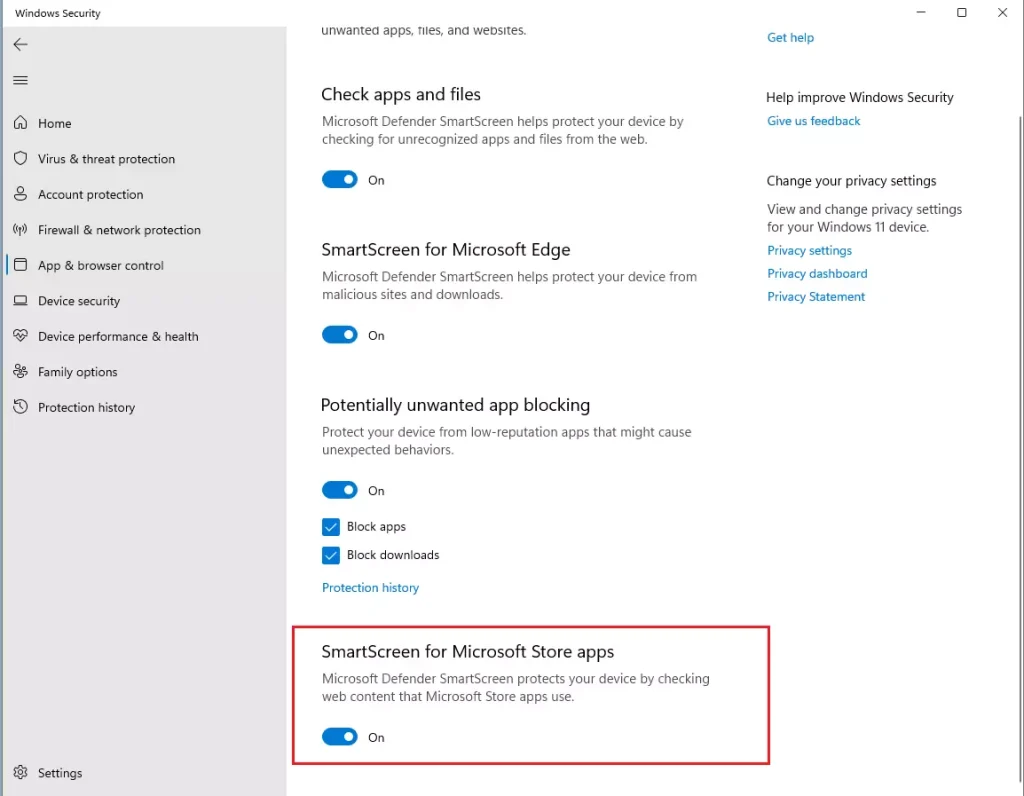
The change applies straight away, so you do not need to restart. If you turn the switch off, Windows may show a notification saying the device is vulnerable. That is normal, and it goes away when you turn the switch back on. To undo the change, return to the same page and flip the switch back.
This is common on work or school PCs. In that case the setting has to be changed through the policy, or by your administrator.
Enterprise Management via Group Policy
Network administrators can use the Group Policy Editor to enforce Microsoft Defender SmartScreen settings across many machines at once. The Group Policy Editor is only included in Windows 11 Pro, Enterprise and Education. On Home, use the registry method below. A setting enforced by policy also locks the toggle in the Windows Security app, which is the greyed-out switch described earlier.
HKEY_LOCAL_MACHINE\SOFTWARE\Policies\Microsoft\Windows\System
Back up the registry or create a restore point before you edit it. To undo the change, set the value back to 1. If the Windows Security toggle does not reflect your change right away, sign out and back in, or restart the PC.
Troubleshooting and False Positives
Sometimes Microsoft Defender SmartScreen flags a safe app as dangerous. This is called a false positive. Before you turn SmartScreen off, check that the app really comes from a source you trust. Then you can submit a report directly to Microsoft so the app's reputation can be reviewed. Turning the protection off for good just to run one app leaves you exposed to every other threat it would have caught.
Summary
Microsoft Defender SmartScreen is a security feature that protects Windows computers by checking apps and websites for safety. For most people, the best choice is to leave the Store apps setting on. If you turn it off for a specific reason, turn it back on when you are done.
Have a question about this guide?
Answered by AI from this guide. Good questions may be added to this page — please don't include personal details.
Did this guide fix your problem?

About the Author
Richard
Tech Writer, IT Professional
Richard is a writer at Geek Rewind who turns complex IT tasks into clear, step-by-step guides. He draws on years of hands-on experience in system administration and enterprise IT operations, focusing on Windows, Linux and WordPress: the problems people actually run into, and the fixes that work. His server and WordPress guides come from systems he runs himself. Richard builds and maintains the platform behind Geek Rewind, from its Ubuntu servers and Nginx configuration to its custom WordPress plugins. Many new tutorials start with readers' questions, and he's always glad to answer them in the comments.
No comments yet — be the first to share your thoughts!