How to Upgrade to Windows 11 on for Unsupported PCs

Upgrading to Windows 11 on an unsupported PC lets you install Microsoft’s newest operating system on older computers, often built before 2018, that fail the official system checks. The bypass methods below skip the checks that block the installer, such as an unsupported processor or a TPM 2.0 (Trusted Platform Module, a security chip) requirement that your PC does not meet.
This is an in-place upgrade, so your personal files, apps, and settings stay in place. The trick works by changing a setting (or the setup files) so the installer ignores the strict hardware rules and finishes the upgrade. Microsoft does not support this setup, so read the risks section before you start.
Two limits to know up front. The registry method still expects at least TPM 1.2 and a 64-bit processor. Recent Windows 11 versions, such as 24H2, also need a processor with certain instructions (SSE4.2 and POPCNT), and no registry key changes that. If your PC is very old, the installer may still refuse.
Open Registry Editor, navigate to 🗝️HKEY_LOCAL_MACHINE\
Check Your PC Health
The PC Health Check tool tells you why your computer does not meet the official Windows 11 requirements. It tests your processor, Secure Boot, and TPM 2.0 status. Run this official Microsoft app before you try to upgrade, so you know exactly which hardware checks your system fails.
- Install and open PC Health Check. Some Windows 11 builds already include it, so search for it in the Start menu first.
- Click Check now in the Windows 11 banner at the top of the window.
- Read the result. If your PC fails, you will see a message such as “This PC can’t run Windows 11”, followed by the reasons.
Write down each reason. A missing TPM 2.0 or an older processor is what the bypass in this guide covers. If the tool lists something else, such as too little storage or memory, fix that first.
Data Backup Necessity
Before you begin, copy your important files to an external drive or cloud storage. An in-place upgrade (an installation that keeps your apps and files intact) normally keeps your data, but errors can still happen during a major system change, and an unsupported PC is more likely to hit them.
Back up these things at a minimum:
- Your Documents, Desktop, Pictures, and Downloads folders.
- Browser bookmarks and saved data you cannot recreate.
- License keys or installers for paid software.
A full system image is better still. It lets you go back to your current Windows version if the upgrade fails.
Method 1The Registry Hack
Registry Editor lets you bypass the hardware restrictions by adding a specific bypass value. You create a new DWORD value inside the MoSetup key. It tells the installer to ignore a missing TPM 2.0 or an unsupported processor during an upgrade from Windows 10.
Changing the registry affects the whole system, so enter the name and value exactly as shown. You need an administrator account. This works the same on Windows 11 Home and Pro.
- Click Start and type regedit.
- Select Registry Editor from the results. If Windows asks whether to allow the app to make changes, click Yes.
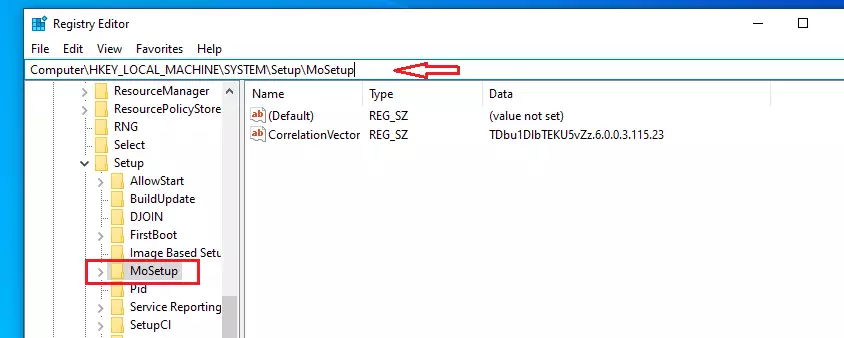
- In the left pane, go to the `HKEY_LOCAL_MACHINE\SYSTEM\Setup\MoSetup` path. This location holds the settings that bypass the hardware checks. You can expand the folders one by one, or paste the path into the address bar at the top of the window.
If the MoSetup key does not exist on your PC, right-click Setup, select New Key, and name it MoSetup.
Computer\HKEY_LOCAL_MACHINE\SYSTEM\Setup\MoSetup
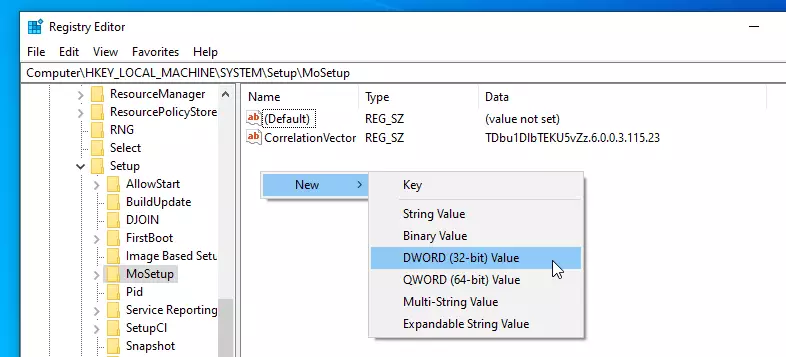
- Right-click in the empty space on the right side of the window with MoSetup selected.
- Select New DWORD (32-bit) Value. A new entry appears in the list with its name highlighted.
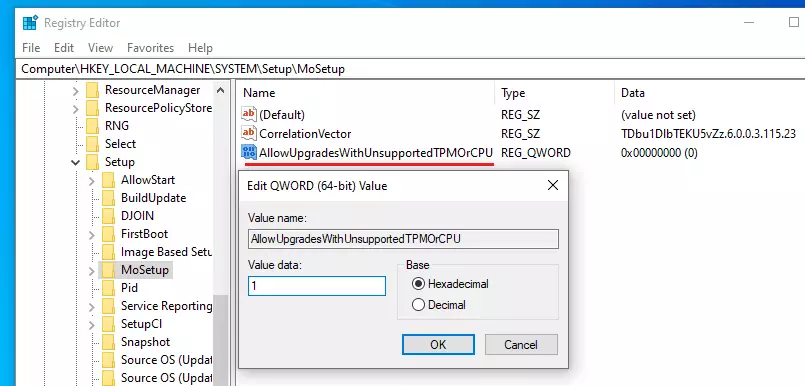
- Type the name exactly like this:
AllowUpgradesWithUnsupportedTPMOrCPU
- Press Enter to save the name, then double-click the new item. The Edit DWORD (32-bit) Value window opens.
- In the Value data box, type `1`. Leave the base on Hexadecimal.
- Click OK. The list now shows the value with data 0x00000001 (1).
- Close Registry Editor.
You do not need to restart. To undo the change later, return to the same key, right-click the value, and select Delete.
Method 2Using Rufus for a Bootable USB
Using Rufus (a free tool that creates bootable USB drives) is a popular way to upgrade to Windows 11 on unsupported PCs, especially if you want a fresh start. When you build the USB drive from a Windows 11 ISO, Rufus offers options to remove the Secure Boot, TPM 2.0, and memory requirements from the installer.
Back up everything first. You need a USB drive of at least 8 GB, and Rufus erases it while it writes the installer.
Alternative Tool: FlyBy11
FlyBy11 is a newer, user-friendly tool that automates the bypass process. It handles the registry and script changes for you. That makes an in-place upgrade less complicated for everyday users, because you do not edit system files by hand.
Download it only from the project's official page, since tools that change system behavior are a common disguise for malware. Your security software may also flag it, so check the source before you decide to run it.
In-Place Upgrade vs. Clean Install
An in-place upgrade keeps all your files, apps, and settings intact while it installs the new operating system. A clean install wipes the drive completely. It works best when you want a fresh start on your unsupported PC, or when your current Windows is unstable.
If you want to keep your programs, choose the in-place upgrade and run setup from inside your current Windows. If you choose a clean install, back up first and have your installers and license keys ready. You will reinstall every app.
Upgrading to 🪟 Windows 11
Running the Windows 11 setup file from a mounted disk image lets you start the installation directly from your desktop. Once you have applied the registry fix, the installer shows a simple warning instead of blocking you.
- Download the Windows 11 ISO from Microsoft's website.
- Open File Explorer, right-click the ISO file, and select Mount. Windows opens the image as a virtual drive.
- Open the new drive and double-click setup.exe. If Windows asks for permission, click Yes.
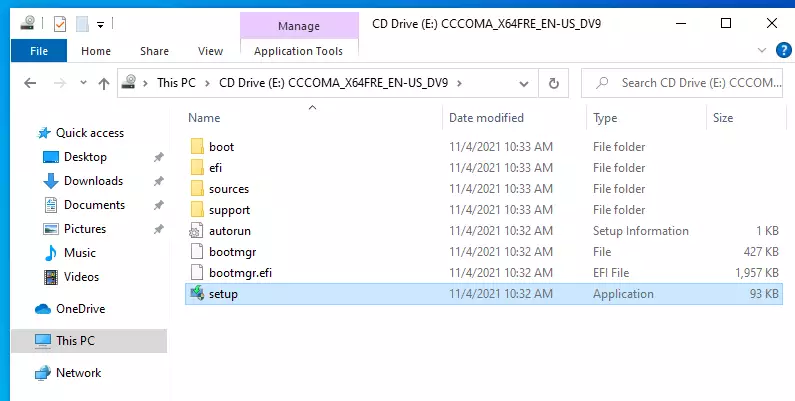
- Click Next when the installer opens. It may check for updates first, which takes a moment.
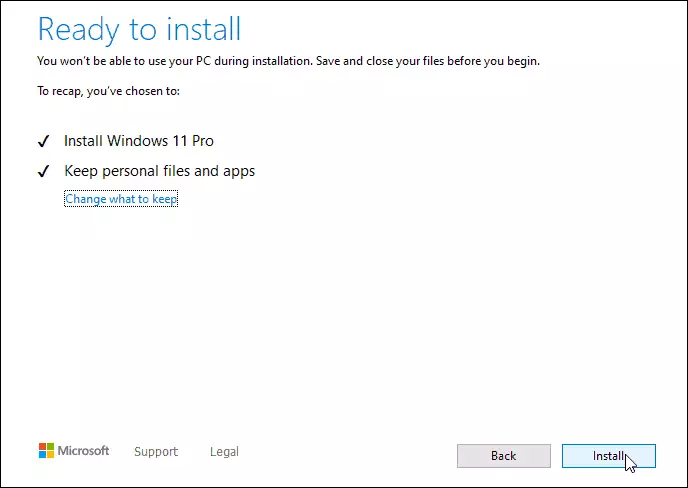
If you did everything correctly, you will see a warning message that your PC does not meet the requirements, instead of an error that stops you. Read it and continue with the installation. Make sure the option to keep your files and apps is selected.
If you still get a hard block, check that the value name is spelled exactly right and set to `1`, then restart the setup. If the block remains, your processor or TPM is probably below the minimum that the bypass allows.
Summary
A successful upgrade on older hardware comes down to three things: checking what your system fails, applying the correct bypass, and backing up your personal data first. Prepare properly and you can upgrade without losing your files or hitting unexpected blocks. Keep in mind that Microsoft does not guarantee updates for unsupported PCs.
- Use the PC Health Check tool to identify hardware gaps.
- Always back up your data before starting.
- Use the Registry Editor to create the
AllowUpgradesWithUnsupportedTPMOrCPUvalue for in-place upgrades. - Use Rufus or FlyBy11 for easier, automated bypass methods.
- Remember that unsupported PCs may face stability risks with future Windows updates.
Was this guide helpful?

About the Author
Richard
Tech Writer, IT Professional
Richard is a writer at Geek Rewind who turns complex IT tasks into clear, step-by-step guides. He draws on years of hands-on experience in system administration and enterprise IT operations, focusing on Windows, Linux and WordPress: the problems people actually run into, and the fixes that work. His server and WordPress guides come from systems he runs himself. Richard builds and maintains the platform behind Geek Rewind, from its Ubuntu servers and Nginx configuration to its custom WordPress plugins. Many new tutorials start with readers' questions, and he's always glad to answer them in the comments.


No comments yet — be the first to share your thoughts!