How to Enable System Audio in Snipping Tool on Windows 11


System audio in Snipping Tool on Windows 11 lets you record sound directly from your computer while capturing your screen. This built-in feature records computer sound, app alerts, and media audio without needing extra software.
You can turn on system audio in the Snipping Tool recording menu before you start a screen capture. This addition helps make video tutorials, bug reports, and gameplay clips much clearer for anyone watching.
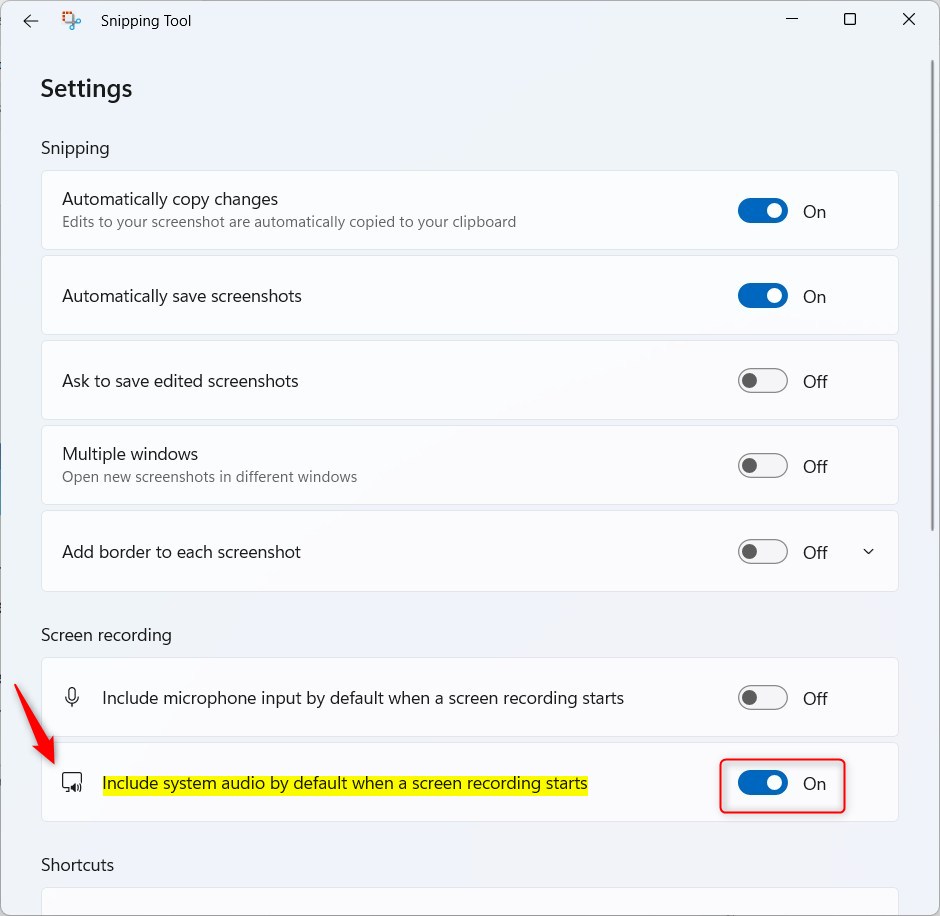
Open Snipping Tool, click the three dots, go to Settings , and toggle “Include system audio by default” to On. This setting captures your computer’s internal sounds for screen recordings.
How to turn system audio recording on or off
To enable system audio in Snipping Tool on Windows 11, open the app, click the three dots menu at the top, and select Settings. Find the Screen recording section and turn on the switch for Include system audio. This lets you capture sounds playing from your games, videos, or music apps while recording your screen. You can turn it off the exact same way if you change your mind later.
- Open the Snipping Tool app via the Start menu .
- Click the Settings and more button (three dots) in the top right corner.
- Select Settings from the dropdown menu.

Scroll down to the Screen recording section. Toggle the switch for Include system audio by default when a screen recording starts to On.
Troubleshooting Audio Issues
If your recordings still lack sound, let’s check your Windows 11 Settings. First, make sure your audio drivers are up to date through Device Manager. If you use a headset, make sure your default playback device (speakers or headphones) is set correctly in the Sound control panel .
Microphone vs. System Audio
The Snipping Tool records microphone input (your voice from a headset) and system audio (the sounds from your apps and games) as two separate streams. You can turn on both at the same time if you want to talk over a video. If your audio is not working, check your Privacy & Security settings to make sure the app has permission to use your microphone.
Advanced Configuration
Advanced configuration for the Snipping Tool is usually managed by IT administrators using Group Policy Objects or the Registry Editor (a tool for changing low-level system settings). If you need to check these keys yourself, open Registry Editor and go to HKEY_CURRENT_USER\Software\Microsoft\SnippingTool. Be careful here, because making a mistake in the registry can cause Windows or your apps to stop working correctly.
Summary
Getting system audio to work in the Snipping Tool improves your screen recordings. Adjusting your app settings and ensuring your Windows privacy permissions are correct allows you to capture high-quality audio alongside your video. For more help, visit the official Microsoft support page.
Was this guide helpful?

About the Author
Richard
Tech Writer, IT Professional
Richard is a writer at Geek Rewind who turns complex IT tasks into clear, step-by-step guides. He draws on years of hands-on experience in system administration and enterprise IT operations, focusing on Windows, Linux and WordPress: the problems people actually run into, and the fixes that work. His server and WordPress guides come from systems he runs himself. Richard builds and maintains the platform behind Geek Rewind, from its Ubuntu servers and Nginx configuration to its custom WordPress plugins. Many new tutorials start with readers' questions, and he's always glad to answer them in the comments.




[…] the Snipping Tool, you can redact text, disable screen capture and recording, including system audio and microphone when recording, disable automatically saving screenshots, and […]
[…] Include or exclude system sound when recording […]