How to Project Your Phone Screen to Your PC in Windows 11

Projecting your phone screen to your PC in Windows 11 turns your computer into a wireless display receiver using Miracast (a standard for wireless display connections). Windows 11 does not install this feature by default, so you need to add an optional system component before any phone can cast its screen to your desktop.
The process has three parts: install the component, allow projecting in Settings, then connect from your phone. It works the same on Home and Pro. Your PC needs a Wi-Fi adapter that supports Miracast, which most laptops from the last several years do. If the feature won’t install or the PC never shows up on your phone, a missing or outdated Wi-Fi driver is a common cause.
Open Settings , go to System Optional features, search for and install Wireless Display. Then open Settings System Projecting to this PC and set the first dropdown to Available everywhere on secure networks. On your phone, open quick settings, tap screen mirroring or cast, and select your PC.
Step 1Install Wireless Display
To install Wireless Display on Windows 11, open Settings , go to System, select Optional features, and click View features next to Add an optional feature. Search for Wireless Display, check the box, and click Next to install it . This adds the receiving tools your PC needs to accept a video feed from another device.
- Open Settings by pressing the Win and I on your keyboard. The Settings window opens on the System page or on Home, depending on what you used last.
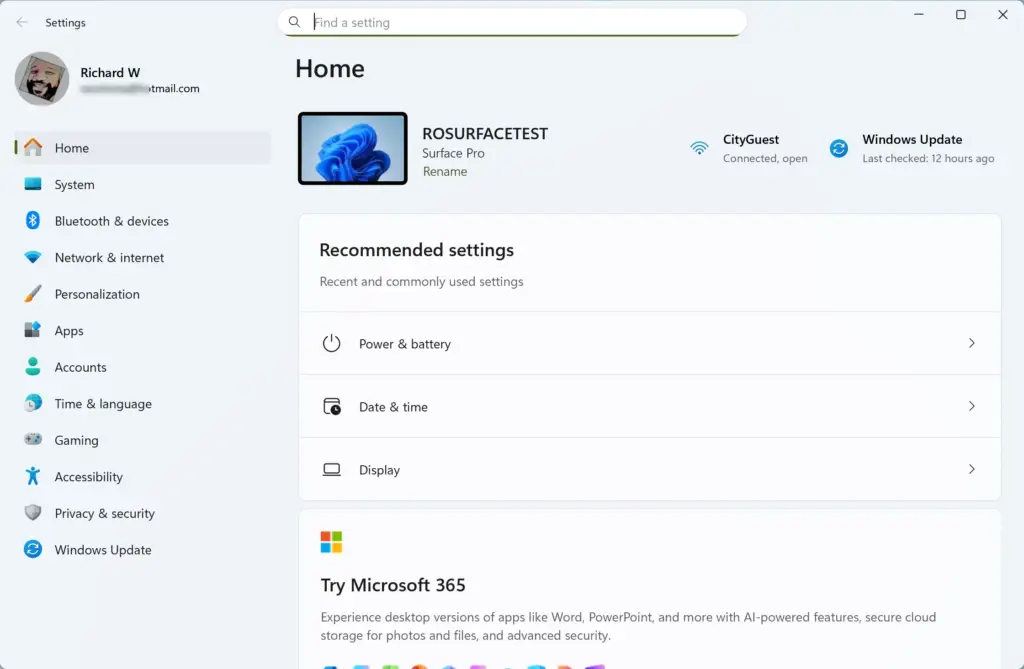
- Select System from the left-hand menu.
- Click Optional features. You will see a list of the optional components already installed on your PC, and an Add an optional feature section at the top.
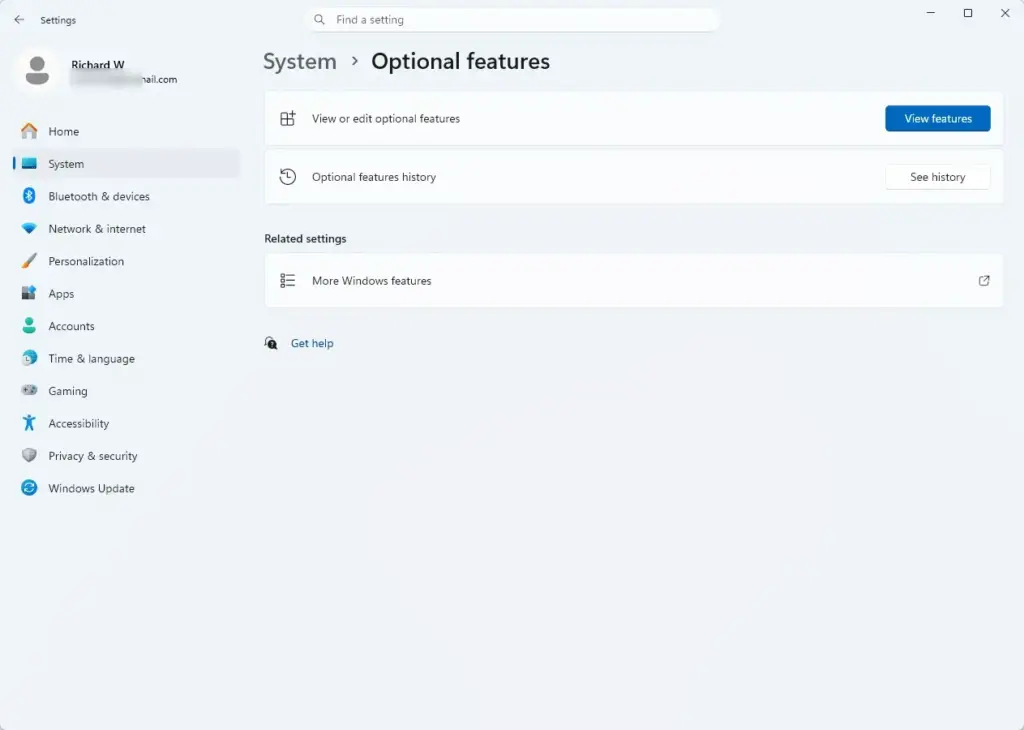
- Click the View features button next to Add an optional feature. A window opens with a list of features you can add.
- Type
Wireless Displayinto the search box. The list narrows down to matching features.
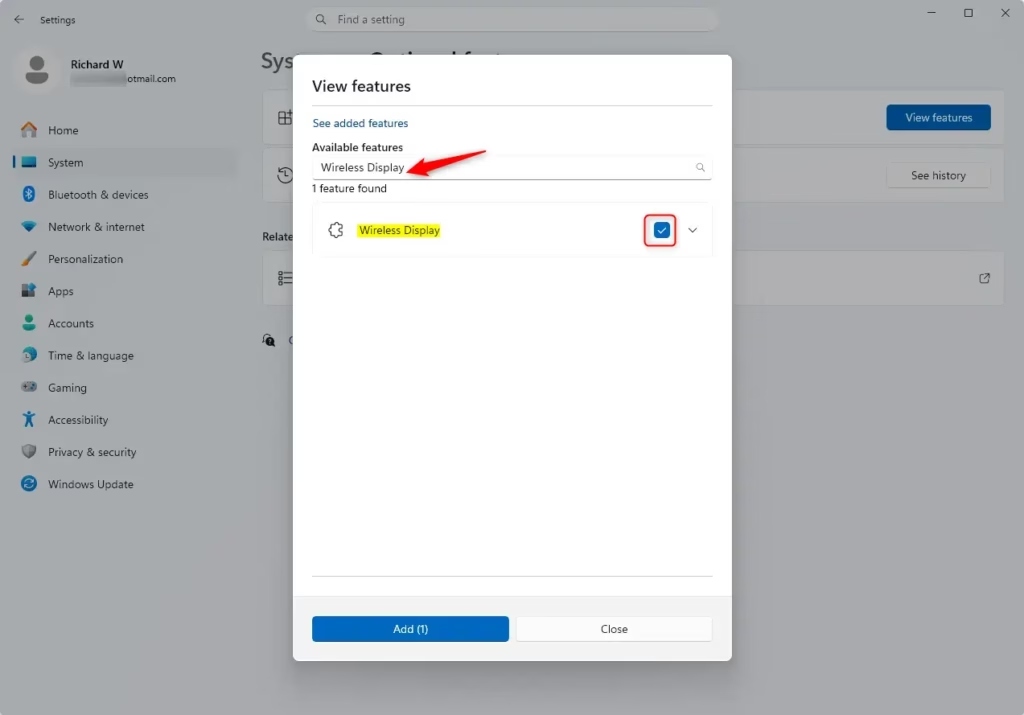
- Check the box next to Wireless Display in the search results and click Next.
- Click Install and wait for Windows to finish downloading and setting up the component. You can watch progress on the Optional features page under the recent actions list. This needs an internet connection, and you normally do not need to restart.
If Wireless Display does not appear in the search , it may already be installed. Check the list of installed features on the Optional features page. To undo this later, find Wireless Display in that list, expand it, and click Uninstall.
Step 2Enable Projection on Your PC
Change the first dropdown menu to Available everywhere on secure networks so your computer can receive connection requests and security prompts from your mobile device.
- Open Settings.
- Go to System and select Projecting to this PC. You will see a few dropdown menus and a toggle.
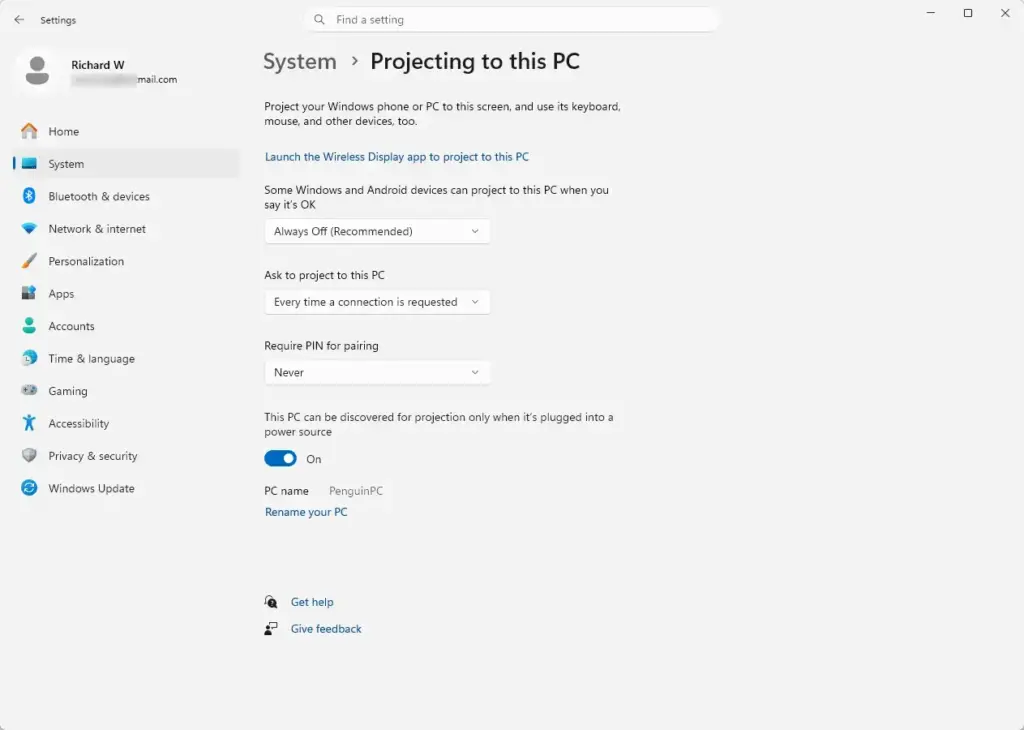
- Change the first dropdown menu from Available everywhere or Disabled to Available everywhere on secure networks so your computer is discoverable. Pick a secure option here rather than leaving it open to every network, especially on a laptop you take to public places.
- Change the second dropdown menu, Require PIN for pairing, to either First time or Always, depending on how often you want to authorize connections. First time is easier for your own phone. Always is better on a shared or office PC.
- Look at the last setting, a toggle that limits discovery to when the PC is plugged into a power source. Leave it on if you only cast while on mains power and want to save battery. Turn it off if you want to receive casts while on battery.
If the dropdown menus are greyed out and you see a message stating that the Wireless Display optional feature is still installing , wait a few moments for the installation to complete, then close and reopen the Settings app. If they stay greyed out, check that the feature shows as installed on the Optional features page. To turn projecting off again, set the first dropdown back to Disabled.
Step 3Connect From Another Device
To connect from another device to your Windows 11 PC, open the Start menu, type Wireless Display, and press Enter to launch the app. Next, open the quick settings menu on your phone, tap the screen mirroring or cast option, and select your computer from the list of available devices. Keep the Wireless Display app open on the PC while you do this, because the PC only listens for connections while the app is running.
- Launch the Wireless Display app on your PC by typing
Wireless Displayinto the Start menu search bar and pressing Enter. A blue window will open indicating that your PC is ready to connect. - Open the quick settings or notification shade on your Android phone or compatible mobile device by swiping down from the top of the screen.
- Tap the Cast, Smart View, Screen Mirroring, or Wireless Display tile. The name depends on your phone's brand. If you can't find the tile, check the edit or add-tiles option in the quick settings panel.
- Select your Windows 11 PC from the list of available devices discovered on your local network. Both devices should be close to each other, with Wi-Fi turned on, for the best results.
- Enter the PIN displayed on your computer screen into your phone if prompted by your security settings. The PIN is only requested according to the choice you made in Require PIN for pairing.
More Than Just Screen Sharing
The Windows Wireless Display app lets your computer monitor act as an external screen and input receiver once your phone connects. You can use your mouse and keyboard to control compatible mobile apps, navigate your photo gallery, type messages, and route phone audio directly through your PC speakers. Support for mouse and keyboard input depends on the phone and its software, so if input does nothing, you can still use the phone's own touch screen while the picture shows on the PC.
Why Use Wireless Display?
The feature uses built-in Wi-Fi Direct and Miracast protocols to keep your connection local and avoid routing your data through external servers. Lag is usually low, though it can still vary with Wi-Fi interference and distance.
What to do next
You should now see your mobile device screen rendered inside the Wireless Display app window on your desktop. Adjust the display window size or switch to full-screen mode by clicking the maximize icon in the top right corner of the application frame. To stop projecting, disconnect from the cast tile on your phone or close the Wireless Display app on the PC.
Can I screen mirror my phone to my Windows PC?
Yes. Install the Wireless Display optional feature in Windows 11 Settings under System Optional features Then enable projection on your PC and use your phone's cast or screen mirroring feature to connect. Your phone and PC must be on the same Wi-Fi network.
What does PC stand for?
PC stands for personal computer. It's a general term for any desktop or laptop computer, though it's often used to mean Windows computers specifically, as opposed to Macs.
Can 🪟 Windows 11 do screen mirroring?
Yes. Windows 11 supports screen mirroring through Miracast, a wireless display standard. You need to install the Wireless Display optional feature first, then enable projection settings to receive a video feed from another device.
How can I view my PC screen from my phone?
You can view your PC screen from your phone using third-party remote desktop apps like Microsoft Remote Desktop, TeamViewer, or Chrome Remote Desktop. These let you control and see your PC from your phone over Wi-Fi or the internet.
Was this guide helpful?

About the Author
Richard
Tech Writer, IT Professional
Richard is a writer at Geek Rewind who turns complex IT tasks into clear, step-by-step guides. He draws on years of hands-on experience in system administration and enterprise IT operations, focusing on Windows, Linux and WordPress: the problems people actually run into, and the fixes that work. His server and WordPress guides come from systems he runs himself. Richard builds and maintains the platform behind Geek Rewind, from its Ubuntu servers and Nginx configuration to its custom WordPress plugins. Many new tutorials start with readers' questions, and he's always glad to answer them in the comments.

No comments yet — be the first to share your thoughts!