How to Enable or Disable Chrome’s Bookmark Bar

Chrome’s bookmark bar is a shortcut strip sitting right below the address bar that holds your favorite saved websites for one-click access. You can show or hide this bar in under 5 seconds by pressing Ctrl+Shift+B on Windows or by using the Chrome customize menu.
Hiding the bar frees up extra screen space, while keeping it visible helps you open more than 12 daily sites without typing web addresses.
Press Ctrl+Shift+B to toggle the bookmark bar on or off. Alternatively, go to Settings, click Appearance, and toggle the “Show bookmark bar” option.
Enable/Disable the bookmark bar in Chrome
The Chrome bookmark bar displays your favorite website shortcuts below the address bar, allowing you to reach your go-to sites with one click. Turning the bookmark bar on or off is possible using a keyboard shortcut or by accessing Chrome's main settings menu.
Google updates the Chrome interface often. If the setting remains hidden, the “Search settings” bar at the top of the Settings page locates it quickly.
Hiding the bookmark bar saves vertical screen space. Managing sites without it is still possible through the Chrome Side Panel.
Configure this setting manually in a few steps:
- Open the Google Chrome browser.
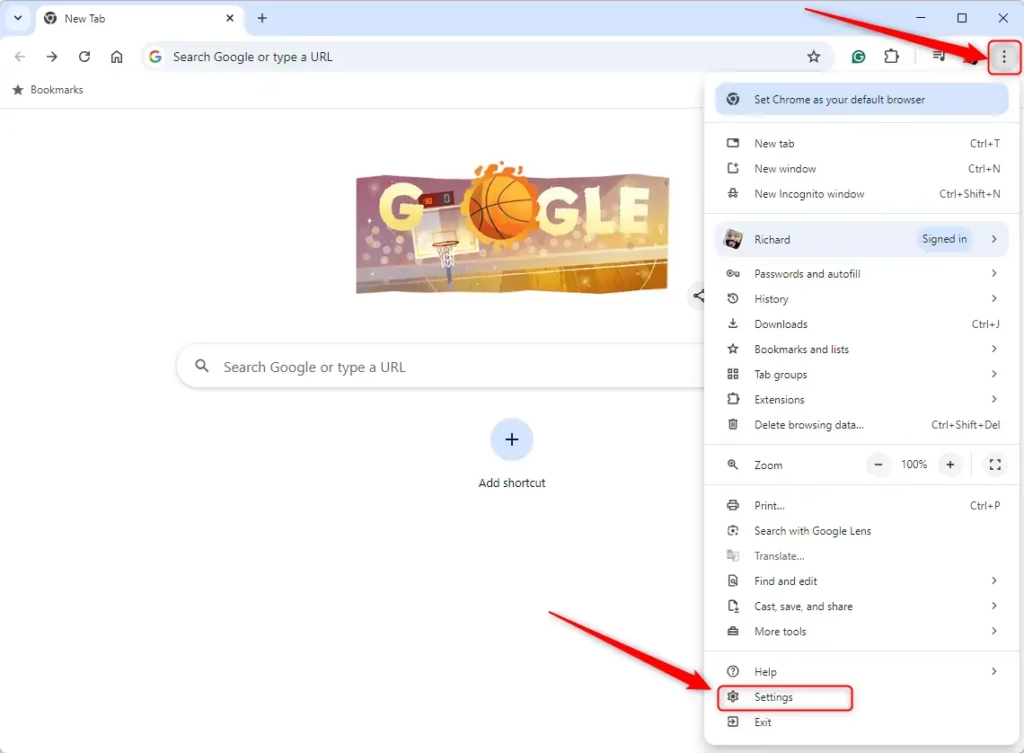
- Click the three vertical dots in the top right corner.
- Select Settings.
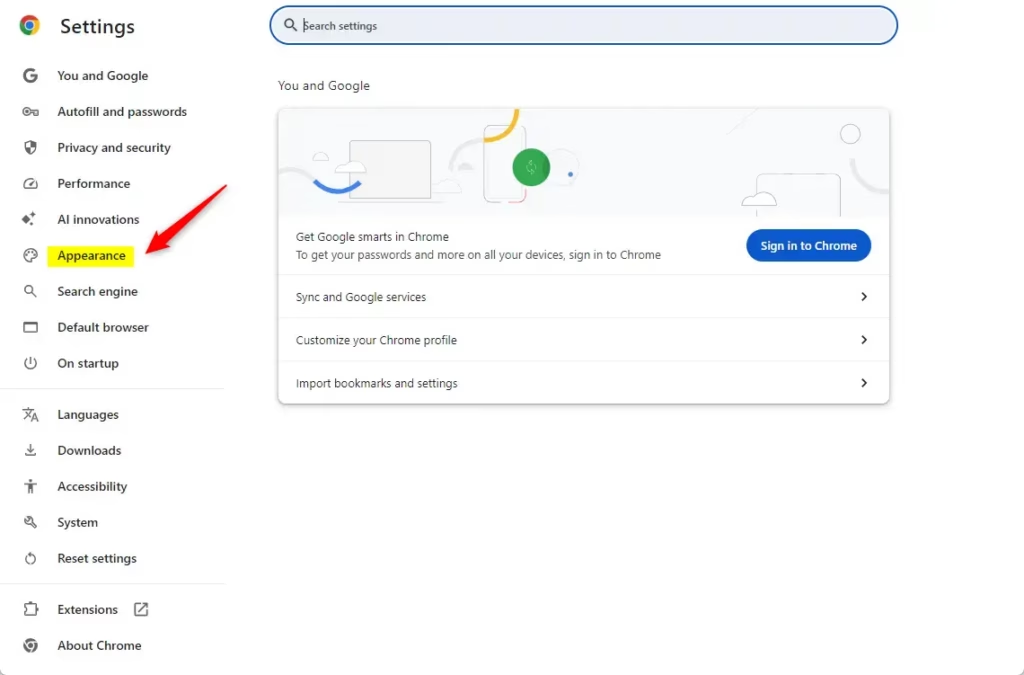
- Click Appearance on the left menu.
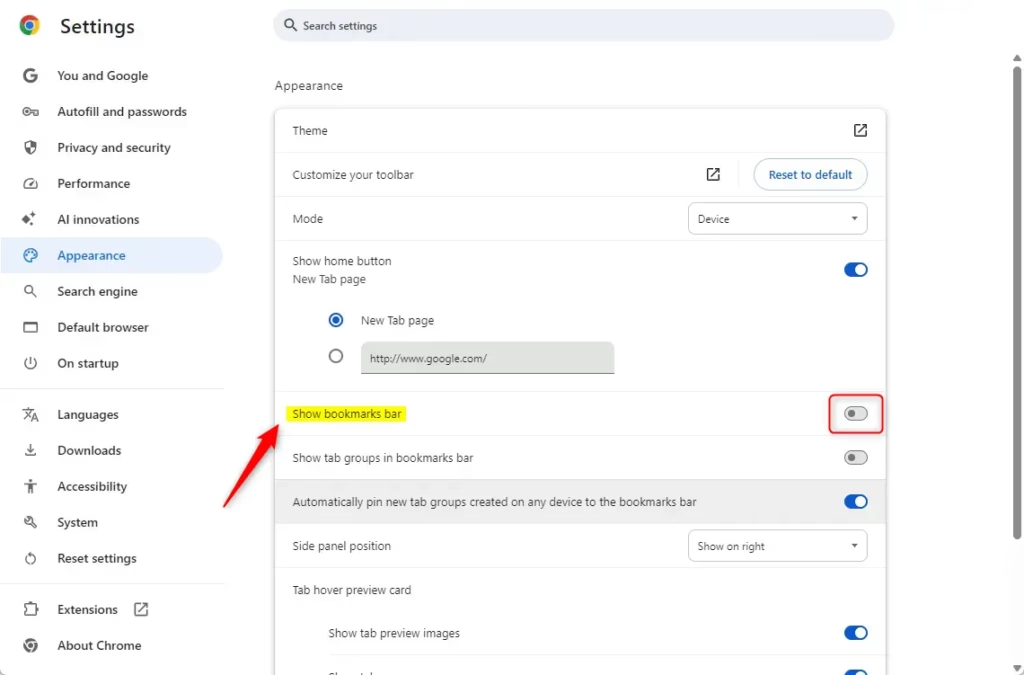
Find the "Show bookmark bar" option and toggle it on or off.
Close the settings tab.
Advanced/Enterprise: Enable/Disable the bookmark bar using the Registry
IT administrators can configure the Chrome bookmark bar across multiple computers using the Windows Registry Editor. This advanced method lets you manage the Chrome bookmark bar setting across an entire organization. Specific registry keys under HKEY_LOCAL_MACHINE\SOFTWARE\Policies\Google\Chrome control whether the bookmark bar shows up for users.
Administrators manage this across organization fleets via the Windows Registry Editor. This control ensures consistency across employee computers, preventing unwanted alterations to the bookmark bar.
Open the Windows Registry Editor and navigate to this path:
Computer\HKEY_LOCAL_MACHINE\SOFTWARE\Policies\Google\Chrome
Back up the registry or create a System Restore point (a snapshot of system files and settings) before making changes.
If the Google or Chrome folders are missing, right-click the Policies folder and select 'New' > 'Key' to create them. Next, right-click inside the Chrome folder, select 'New' > 'DWORD (32-bit) Value' (a type of registry entry), and name it BookmarkBarEnabled.
The Bookmark Bar value in Google Chrome controls the bookmark bar's visibility. Setting the Bookmark Bar value to 0 hides the bookmark bar. Setting the Bookmark Bar value to 1 shows the bookmark bar.
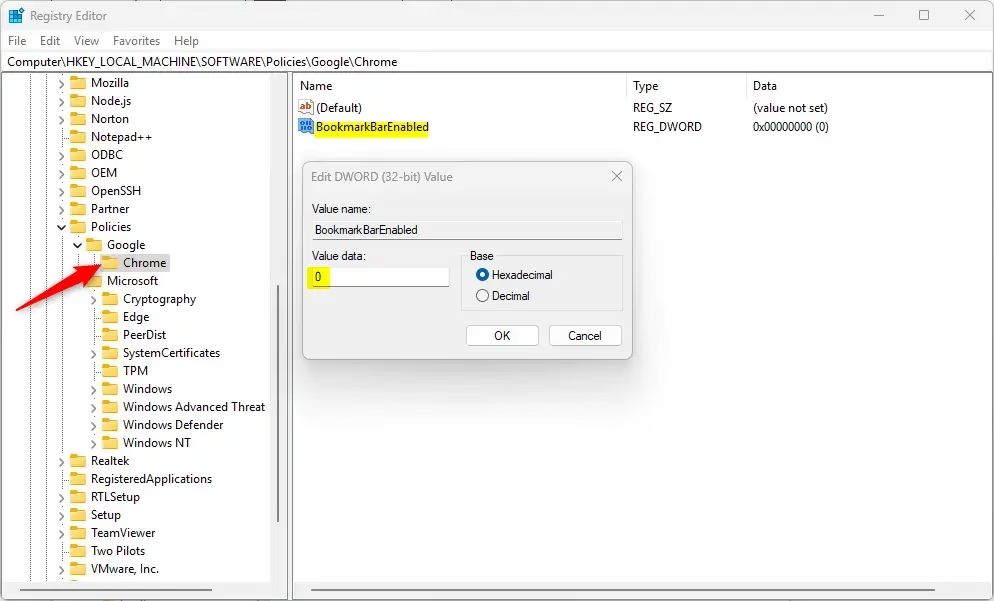
Restarting the computer may be necessary for these changes to take effect.
Reference: Chrome Enterprise Policy
Customizing your bookmark bar helps you browse faster. Whether you use the keyboard shortcut or the settings menu, matching your view to personal needs improves the browsing workflow.
How do I activate the bookmark bar?
To activate your bookmark bar, right-click anywhere on the bar itself. Hiding it requires a different approach, such as right-clicking anywhere on the bookmark bar.
How do I activate bookmarks on Chrome?
Adding bookmarks to the bar starts by clicking the three dots in the top right corner. Proceed to 'Bookmarks,' then select 'Bookmark manager.'
Was this guide helpful?

About the Author
Richard
Tech Writer, IT Professional
Richard, a writer for Geek Rewind, is a tech enthusiast who loves breaking down complex IT topics into simple, easy-to-understand ideas. With years of hands-on experience in system administration and enterprise IT operations, he’s developed a knack for offering practical tips and solutions. Richard aims to make technology more accessible and actionable. He's deeply committed to the Geek Rewind community, always ready to answer questions and engage in discussions.

No comments yet — be the first to share your thoughts!