How to Add or Remove Microsoft Print to PDF in Windows 11

Microsoft Print to PDF lets you turn any document or web page into a PDF file without needing extra software. This built-in virtual printer acts like a real machine, but saves your file to your computer instead of printing on paper.
Most Windows 11 computers include this tool by default, but system updates occasionally remove it from your printer list. You can restore or remove the feature in just a few clicks through the Windows features menu whenever it goes missing.
You can add or remove Microsoft Print to PDF via “Turn Windows features on or off” by checking or unchecking the box. Alternatively, use DISM or PowerShell commands in an administrator terminal to enable or disable the feature.
What Is Microsoft Print to PDF?
Microsoft Print to PDF is a built-in printer tool in Windows 11 that saves documents, web pages, and photos directly into the Portable Document Format without needing extra software. You can select this virtual printer from any app’s print menu to create a shareable file on your computer. If the printer goes missing, turning the feature off and back on usually fixes the problem.
Files convert immediately into shareable documents upon completion.
Toggling the feature off and on resolves missing or broken PDF printer options.
Administrator privileges are required for this.
How to Add or Remove Microsoft Print to PDF
Option 1Using Windows Features
- Click the Start button, type
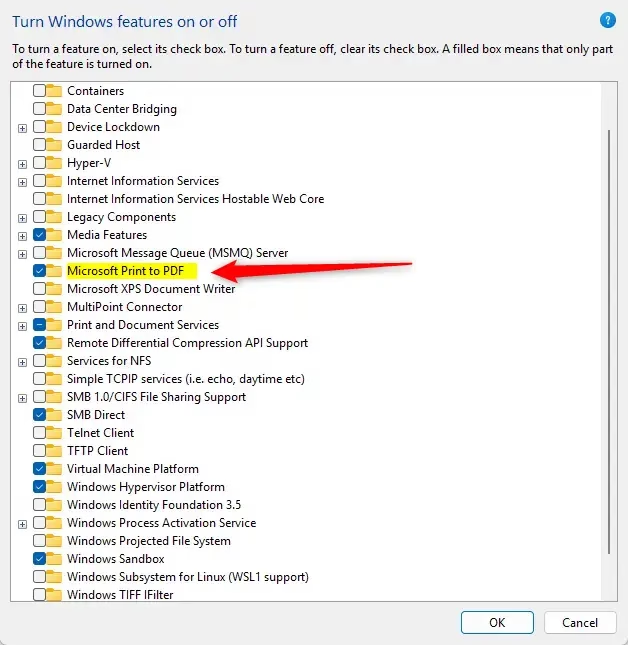
Windows Features, and open Turn Windows features on or off. Requires admin privileges. - In the list, find Microsoft Print to PDF.
- To add it, check the box. To remove it, uncheck the box.
- Click OK to save your changes.
- Restart your computer if prompted.
Turn Windows features on or off is the standard menu you use to add or remove Microsoft Print to PDF on Windows 11. You open this tool from the Start menu, find the printer checkbox in the list, and check or uncheck it to install or uninstall the feature. This method is the easiest way to fix a broken PDF printer without using advanced command tools.
- Press Windows + R, type
services.msc, and press Enter. - Find Windows Modules Installer in the list.
- Double-click it and set the Startup type to Automatic.
- Click Start if the service is stopped, then click OK.
Here is what the Windows Features window looks like:
Option 2Using Command Prompt (DISM)
- Right-click the Start button and choose Windows Terminal (Admin). Requires admin privileges.
- In the terminal window, type this command to add Microsoft Print to PDF and press Enter:
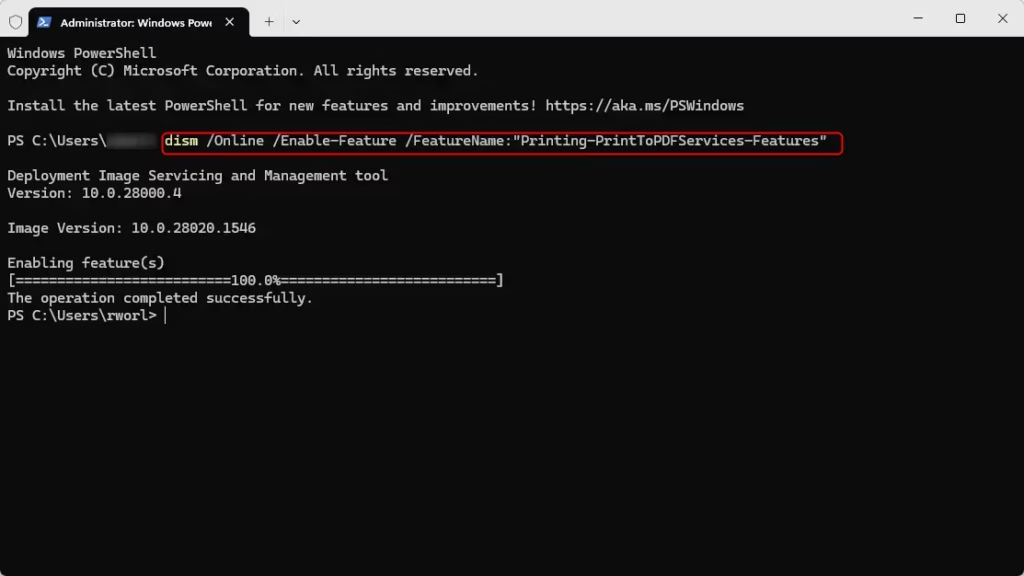
dism /Online /Enable-Feature /FeatureName:"Printing-PrintToPDFServices-Features" - To remove it, type this command and press Enter:
dism /Online /Disable-Feature /FeatureName:"Printing-PrintToPDFServices-Features" - Close the terminal when done.
Command Prompt lets you use DISM commands to add or remove Microsoft Print to PDF in Windows 11 if the standard menu fails. You open the terminal with admin rights and run a specific text command to install or uninstall the feature instantly. This approach is useful if you prefer typing commands or need to fix a stubborn printer problem quickly.
Option 3Using PowerShell
- Open Windows Terminal (Admin). Requires admin privileges.
- Make sure you are in the PowerShell tab (or type
powershelland press Enter). - To add Microsoft Print to PDF, type this command and press Enter:
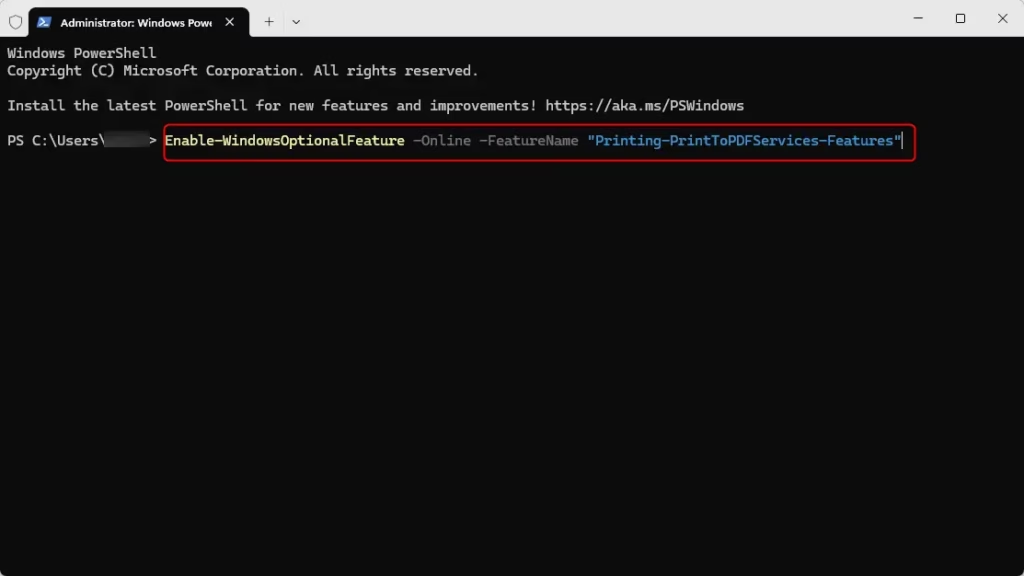
Enable-WindowsOptionalFeature -Online -FeatureName "Printing-PrintToPDFServices-Features" - To remove it, type this command and press Enter:
Disable-WindowsOptionalFeature -Online -FeatureName "Printing-PrintToPDFServices-Features" - Close PowerShell when finished.
PowerShell provides a quick way to add or remove Microsoft Print to PDF in Windows 11 using built-in cmdlets. You open the terminal in admin mode and run a short command to turn the feature on or off. This method is a great alternative for system administrators or users who like managing Windows features through PowerShell scripts.
Summary
Microsoft Print to PDF is a handy built-in tool that lets you save files as digital documents in Windows 11 without installing extra software. You can easily add or remove this feature using the Windows Features menu, Command Prompt, or PowerShell depending on your preference. Restoring the printer through any of these methods quickly fixes missing or broken PDF options on your computer.- Microsoft Print to PDF is a handy tool to save files as PDFs without extra software.
- You can add or remove it using Windows Features, Command Prompt, or PowerShell.
- Make sure you run these as an administrator.
- If you have trouble, check that the Windows Modules Installer service is running.
- Once restored, you can print to PDF from any app that supports printing.
How do I enable print to PDF on Windows?
Open the Start menu, type Turn Windows features on or off, and select the matching result. Alternatively, navigate to Control Panel Programs and Features Turn Windows features on or off. Check the box labeled Microsoft Print to PDF to activate the utility.
Was this guide helpful?

About the Author
Richard
Tech Writer, IT Professional
Richard, a writer for Geek Rewind, is a tech enthusiast who loves breaking down complex IT topics into simple, easy-to-understand ideas. With years of hands-on experience in system administration and enterprise IT operations, he’s developed a knack for offering practical tips and solutions. Richard aims to make technology more accessible and actionable. He's deeply committed to the Geek Rewind community, always ready to answer questions and engage in discussions.

No comments yet — be the first to share your thoughts!