How to Enable or Disable Memory Compression in Windows 11

Memory compression in Windows 11 intelligently compresses inactive application data in RAM, reducing its footprint and improving system responsiveness.
This feature is more efficient than moving data to slower storage (paging), ensuring frequently used information stays accessible to your CPU.
You can enable or disable memory compression in Windows 11 to fine-tune your PC’s performance, especially beneficial when multitasking or under heavy system load. For instance, Windows 11 actively uses this for better memory management.
You can enable or disable memory compression in Windows 11 using PowerShell. Open Windows Terminal as administrator and run Set-MMAgent -MemoryCompression $true to enable, or Set-MMAgent -MemoryCompression $false to disable. Restart your computer after running the command.
Why use memory compression?
Memory compression in Windows 11 helps your computer run more apps at once by making the data in your RAM smaller.
What happens when done?
When you enable this, your computer uses less physical RAM. If you disable it, your computer stops compressing data. While this saves a little processing power, it forces your computer to use your hard drive more. This can make your system feel sluggish when many apps are open.
How to check your current status
Check if memory compression is working by opening Task Manager. Look under the Performance tab and click on the Memory section to see how much is compressed.
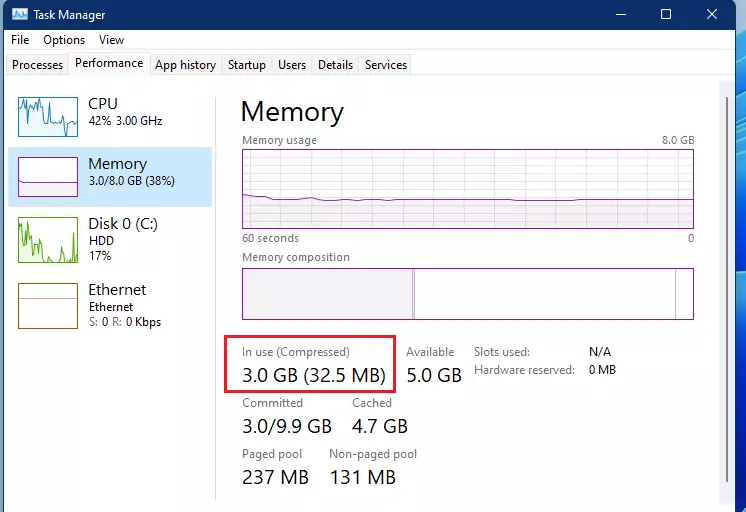
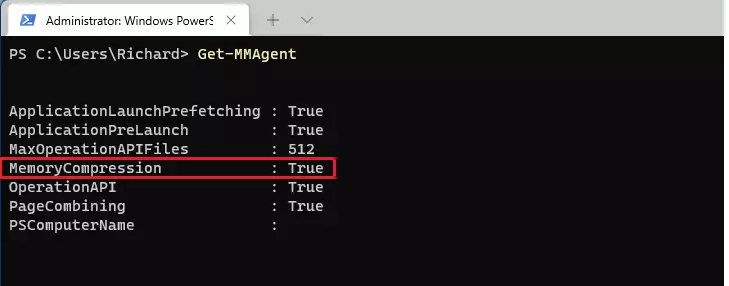
You can also check the status using PowerShell. Open the Windows Terminal as administrator and enter this command:
Get-MMAgent
How to enable memory compression
To turn on memory compression in Windows 11, you’ll need to open Windows Terminal as an administrator and type a specific command.
If the status shows as False, you can turn it on. Open Windows Terminal as administrator and make sure you are in the PowerShell tab. Enter this command:
Set-MMAgent -MemoryCompression $true
After running this, close the terminal and restart your computer to save the changes.
How to disable memory compression
Note: This step requires admin privileges.
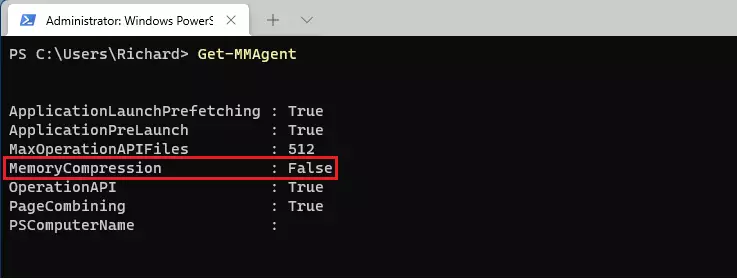
If you prefer to turn this feature off, open Windows Terminal as administrator and select the PowerShell tab. Enter this command:
Set-MMAgent -MemoryCompression $false
Performance, SysMain, and RAM Latency
Memory compression in Windows 11 uses a bit of your processor’s power to shrink and unshrink data, which is usually not a big deal for performance.
Troubleshooting Performance Degradation
If you notice your computer is slower after changing these settings, you should revert them immediately. Open PowerShell as administrator and enter Set-MMAgent -MemoryCompression $true and restart your PC. If you still have issues, check your Task Manager to see if a specific app is consuming too much memory.
Summary
Memory compression is a key part of Windows 11 that helps your PC run smoother by shrinking data in your RAM, and it’s best to leave it on for better speed.
Does disabling memory compression improve gaming performance?
Generally, no. While it frees up a tiny amount of processing power, it increases the chance of your system using the pagefile on your disk. This causes stuttering during games. Unless you have a specific reason to disable it, keep it enabled for the best gaming experience.
Is memory compression safe to turn off on low-RAM systems?
It is safe to turn off, but it is not recommended. On systems with low RAM, memory compression is essential to keep your computer usable. Turning it off will likely cause your system to become very slow or unresponsive as it struggles to manage memory without compression.
Was this guide helpful?

About the Author
Richard
Tech Writer, IT Professional
Richard, a writer for Geek Rewind, is a tech enthusiast who loves breaking down complex IT topics into simple, easy-to-understand ideas. With years of hands-on experience in system administration and enterprise IT operations, he’s developed a knack for offering practical tips and solutions. Richard aims to make technology more accessible and actionable. He's deeply committed to the Geek Rewind community, always ready to answer questions and engage in discussions.




No comments yet — be the first to share your thoughts!