What to Do When Windows 11 Taskbar Freezes Completely

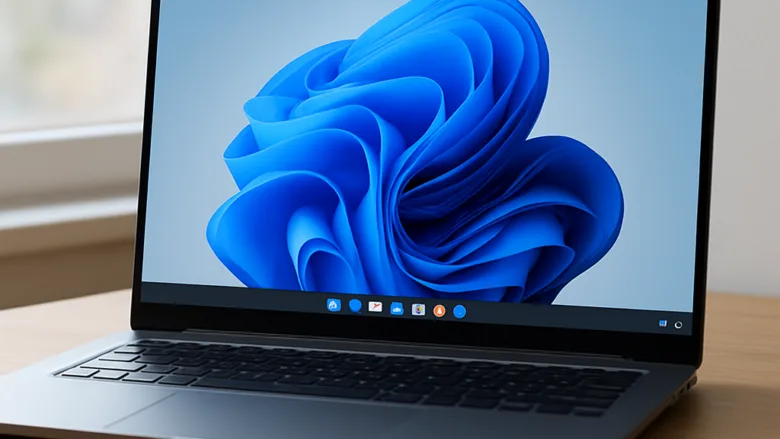
A frozen taskbar in Windows 11 stops responding to clicks, hides open apps, or leaves the Start menu stuck on your screen. This crash happens when Windows Explorer , the background program that runs your desktop and taskbar, stops working correctly.
You can fix a frozen taskbar in about 10 seconds without restarting your computer or losing any open work. The fastest way to solve the problem is restarting Windows Explorer through Task Manager , which forces the taskbar to reload and work normally again.
When your Windows 11 taskbar freezes completely, restart the Windows Explorer process by pressing the Ctrl+Shift+Esc keys on your keyboard to open the Task Manager , selecting the Processes tab, finding Windows Explorer in the list, and clicking the Restart task button in the corner.
Understanding the 🪟 Windows 11 Taskbar Freeze
Windows 11 taskbar freezes happen when a core system process called Windows Explorer (the background program that manages your desktop and taskbar) gets overwhelmed or stops responding. When this background service fails, your taskbar locks up, your open windows stop working, and your desktop icons disappear until the process restarts.
Sometimes, Windows Explorer gets overwhelmed, runs out of memory, or conflicts with a background app or update. When this happens, the process stops responding. Your computer is still running, but the part of the screen that controls your shortcuts and taskbar stops updating. You might notice that your open programs still work if you use keyboard shortcuts, but you cannot click anything on the bottom bar. Icons might turn invisible, the clock might freeze, or the taskbar might vanish completely from one of your screens if you use multiple monitors.

Method 1Restart Windows Explorer Using Task Manager
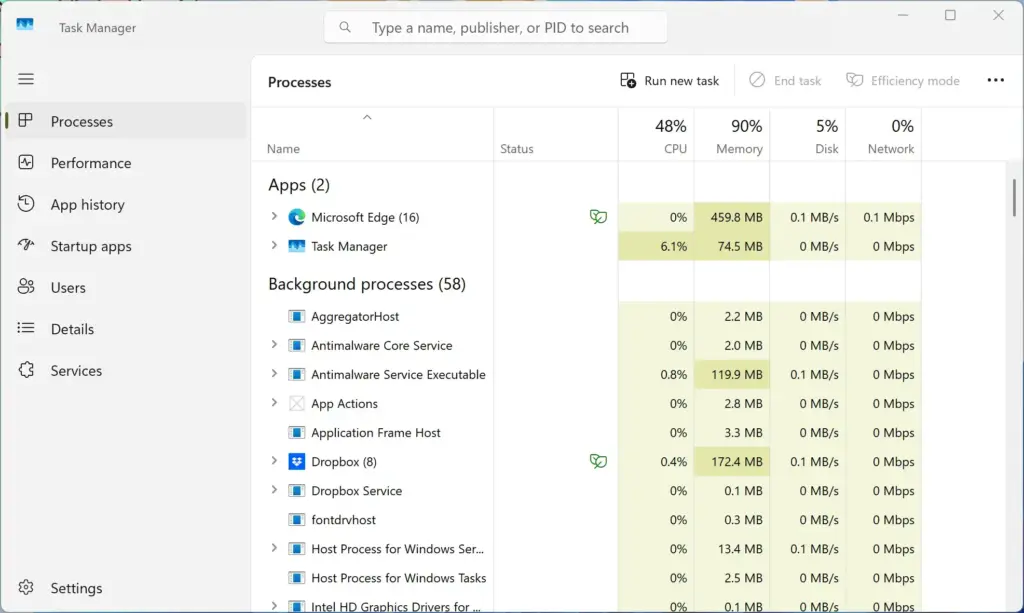
Restarting Windows Explorer using Task Manager (the tool that shows running apps and processes) is the fastest way to fix a frozen taskbar. Pressing the Ctrl+Shift+Esc keys opens Task Manager , where you can find Windows Explorer in the list and click Restart to get your taskbar working again in seconds.
Follow these simple steps:
- Press the Ctrl + Shift + Esc keys on your keyboard at the same time to open the Task Manager.
- If the Task Manager opens in a small window with very few details, click the More details button at the bottom of the window to see the full view.
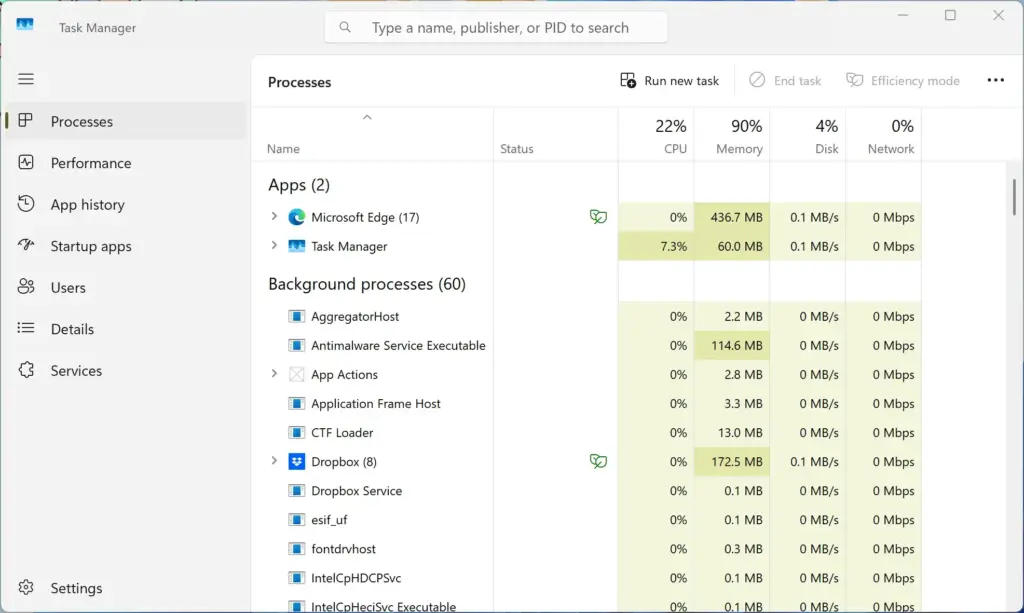
Task Manager - Look at the top of the window and click on the Processes tab if it is not already selected.
- Scroll down the long list of active programs and look for an item named Windows Explorer. You can also press the W key on your keyboard to jump down the list quickly.
- Click once on Windows Explorer to highlight it.
- Look at the bottom right corner of the Task Manager window and click the Restart task button.
Once you click that button, your screen will flash blank for a second or two. The taskbar and desktop icons will disappear briefly and then reappear. This means the process has successfully restarted. Check your taskbar now—it should be fully responsive and working normally again.
Method 2Use Windows PowerShell to Restart the Taskbar
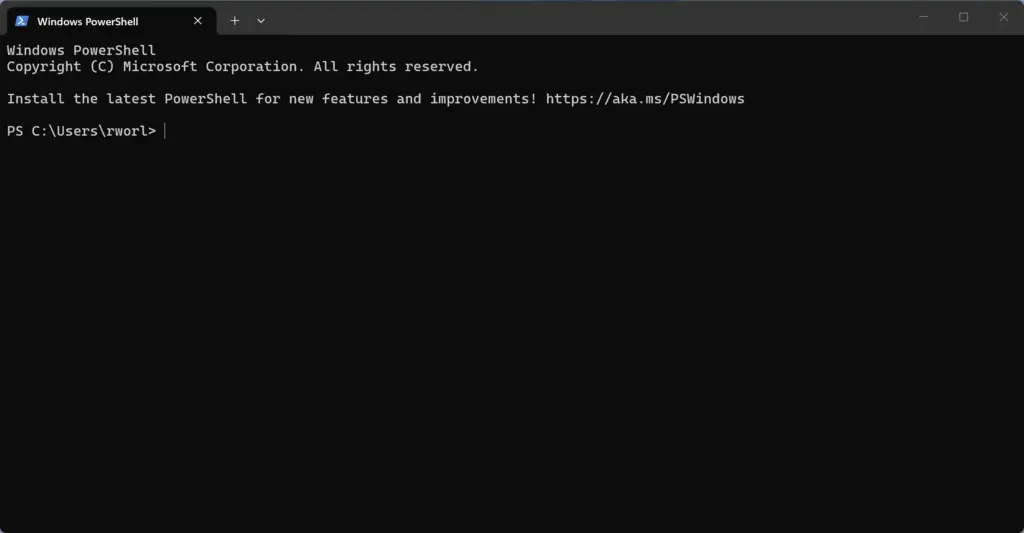
Using Windows PowerShell (a command-line tool for running system tasks) to restart the taskbar helps when your regular Task Manager is blocked or too slow to open. You can open a new task from the Task Manager window and run a simple command to force Windows 11 to restart the taskbar and bring back your missing icons.
Follow these steps:
- Press the Ctrl + Shift + Esc keys to open the Task Manager again.
- At the top of the Task Manager window, click on the Run new task button (or click File and then select Run new task).
- A small box will appear on your screen. Type the exact word into the open field.Code
powershell
- Check the box that says Create this task with administrative privileges. Note: This step requires administrator privileges on your computer.
- Click the OK button. A blue or black window will pop up on your screen.
- Type or paste the following command into that window and press the Enter key on your keyboard: Code
Stop-Process -Name explorer -Force
Your taskbar and desktop will flash and restart instantly. You can now close the PowerShell window by clicking the X in the top right corner.
Method 3Check for Windows Updates
Checking for Windows updates helps fix a frozen taskbar caused by known software bugs that Microsoft has already patched in newer system releases. Opening the Settings app by pressing the Windows Key + I on your keyboard allows you to go straight to Windows Update and install any waiting system fixes.
Follow these steps to check for updates:
- Click the Start button (if it works) or press the Windows Key + I on your keyboard to open the Settings app.
- In the Settings window, look at the left-hand menu and click on Windows Update.
- Click the Check for updates button near the top right.
- If your computer finds any available updates, let them download and install completely.
- Restart your computer when prompted to finish the update process.
Method 4Run System File Checker (SFC)
Running System File Checker (a built-in tool that scans and repairs broken Windows files) fixes daily taskbar freezes caused by damaged system components. You can use Command Prompt to automatically scan your system and replace any broken files with healthy copies to restore normal computer performance.
Follow these steps to run the scan:
- Click the Start button or press the Windows Key + S to open the search bar.
- Type the word into the search box.Code
cmd
- In the search results list, right-click on Command Prompt and choose Run as administrator. Note: This step requires administrator privileges.
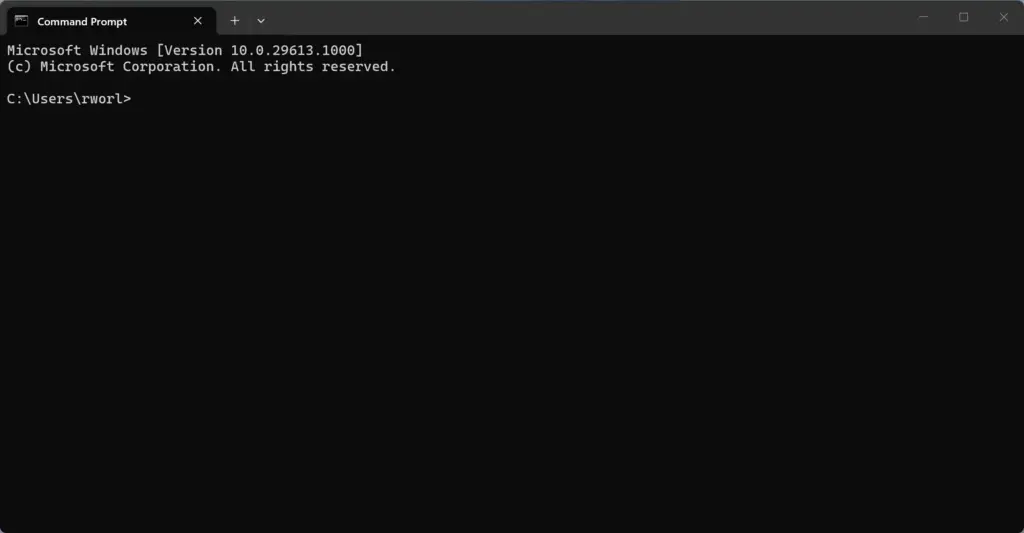
Command Prompt - A window with black background will open. Type the following command carefully and press Enter: Code
sfc /scannow
- Wait patiently while the computer scans its files. This process can take ten to fifteen minutes. Do not close the window until the verification reaches 100 percent.
When the scan finishes, read the message on the screen. If it says it found and repaired broken files, restart your computer and check if your taskbar freezes anymore.
Method 5Restart the Start Menu Process Separately
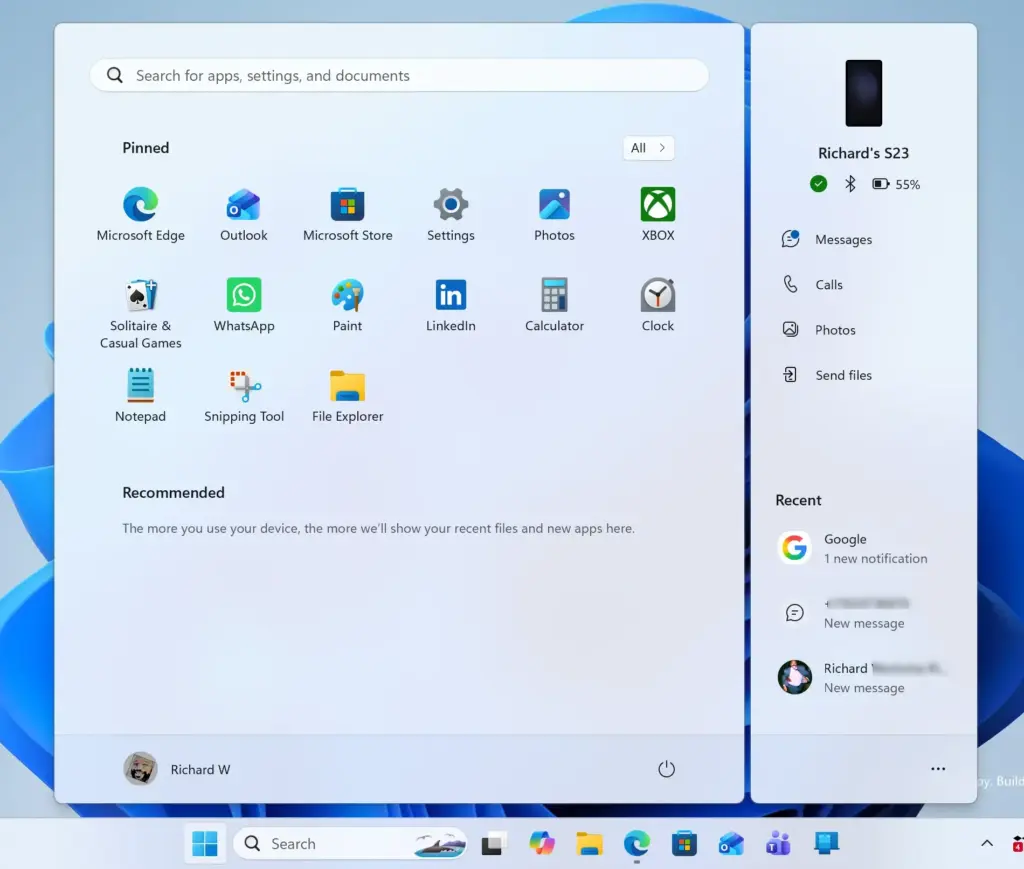
Restarting the Start menu process separately fixes the issue when only your Start button stops working while the rest of the taskbar responds normally. Opening Task Manager lets you find the process named Start or StartMenuExperienceHost and restart it to get your Start menu working again without rebooting your PC.
Follow these steps:
- Press the Ctrl + Shift + Esc keys to open the Task Manager.
- Click the Processes tab at the top.
- Scroll down to find a process named Start or StartMenuExperienceHost.
- Click once on it to select it.
- Click the End task button in the top right area of the Task Manager window.
Task Manager › Processes
Windows 11 will automatically restart the File Explorer background process within 3 to 5 seconds, which fixes your frozen taskbar and restores your Start menu functionality without requiring you to restart your computer.
Unique Expert Tips: Fixing Hidden Background Conflicts
Most basic guides stop after telling you to restart Windows Explorer. However, if your taskbar freezes repeatedly every day, a background application or a corrupted user profile is usually to blame. Here are two expert-level troubleshooting steps that many competitors miss.
Check for Third-Party Shell Customization Apps
Checking for third-party shell customization apps is important because custom tools that change the look of your Windows 11 taskbar often cause freezing issues. If you use any desktop modification tool, try disabling or uninstalling it completely to see if your taskbar stays stable.
Test a New Local User Account
Testing a new local user account helps you find out if a corrupted personal user profile is causing your Windows 11 taskbar to freeze. Creating a brand-new test user account in the Settings app lets you check if core system features work normally outside of your main user profile.
- Open the Settings app by pressing Windows Key + I.
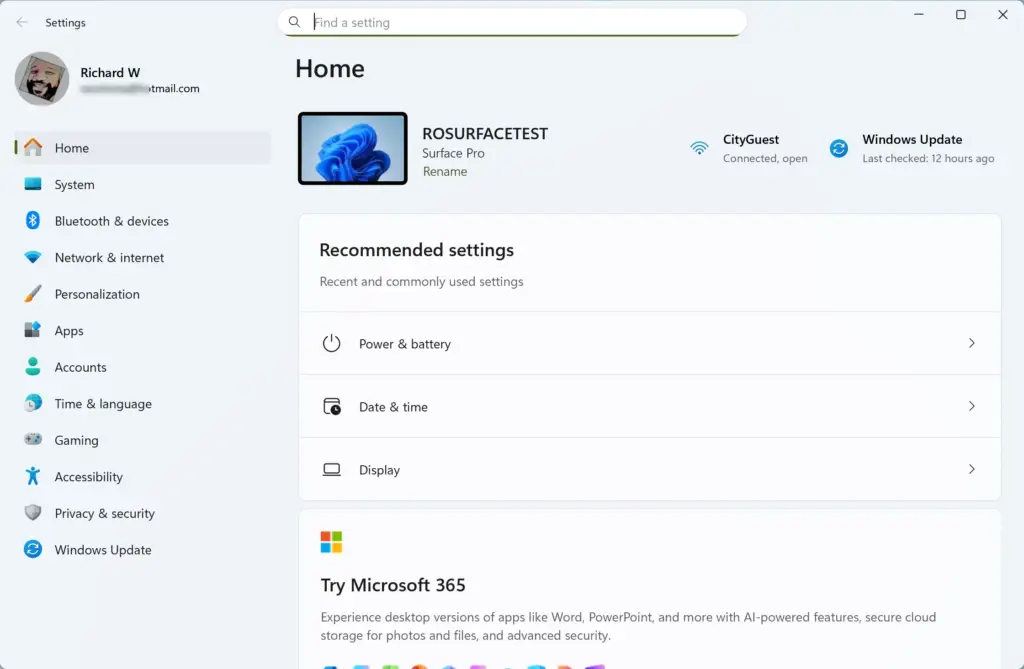
Settings - Click on Accounts in the left menu, then click on Other users.
- Click the Add account button. Note: This step requires administrator privileges.
- Follow the on-screen prompts to add a local user without an email address.
- Log out of your current account and log into the new account. If the taskbar works perfectly on the new account, your old user profile is damaged and you may need to move your personal files to the new account.
Conclusion
Fixing a completely frozen taskbar on Windows 11 is quick and easy when you use the right troubleshooting steps. You can bring your taskbar back to life in just a few seconds by restarting Windows Explorer through the Task Manager, running system updates, or checking for bad apps.
Was this guide helpful?

About the Author
Richard
Tech Writer, IT Professional
Richard is a writer at Geek Rewind who turns complex IT tasks into clear, step-by-step guides. He draws on years of hands-on experience in system administration and enterprise IT operations, focusing on Windows, Linux and WordPress: the problems people actually run into, and the fixes that work. His server and WordPress guides come from systems he runs himself. Richard builds and maintains the platform behind Geek Rewind, from its Ubuntu servers and Nginx configuration to its custom WordPress plugins. Many new tutorials start with readers' questions, and he's always glad to answer them in the comments.
No comments yet — be the first to share your thoughts!