What to Do When Windows 11 Pin Sign In Stops Working After an Update

Windows 11 PIN sign-in issues happen when a system update corrupts your login files, leaving you locked out with an error message. This frustrating bug often appears right after installing a major upgrade like Windows 11 version 24H2, making your familiar four-digit code or Windows Hello fingerprint stop working completely.
You can fix this problem and get back onto your desktop by using your Microsoft account password to sign in. Once you are inside your PC, deleting the NGC folder—where Windows stores your login data—lets you set up a fresh PIN in just a few clicks.
When Windows 11 pin sign in stops working after an update, bypass the lock screen using your account password, open File Explorer to 📁C:\
Why Updates Break Your Windows Hello PIN
Updates break your Windows Hello PIN (a secure login code used to unlock your PC) because of corrupted system files or botched security data during a restart. When Windows installs a fresh update, it changes core login files. If something goes wrong in the middle of that process, your saved PIN stops working. Recent system patches can also change security rules for school or work accounts, which blocks your usual login.
How to Sign In When Your PIN Fails
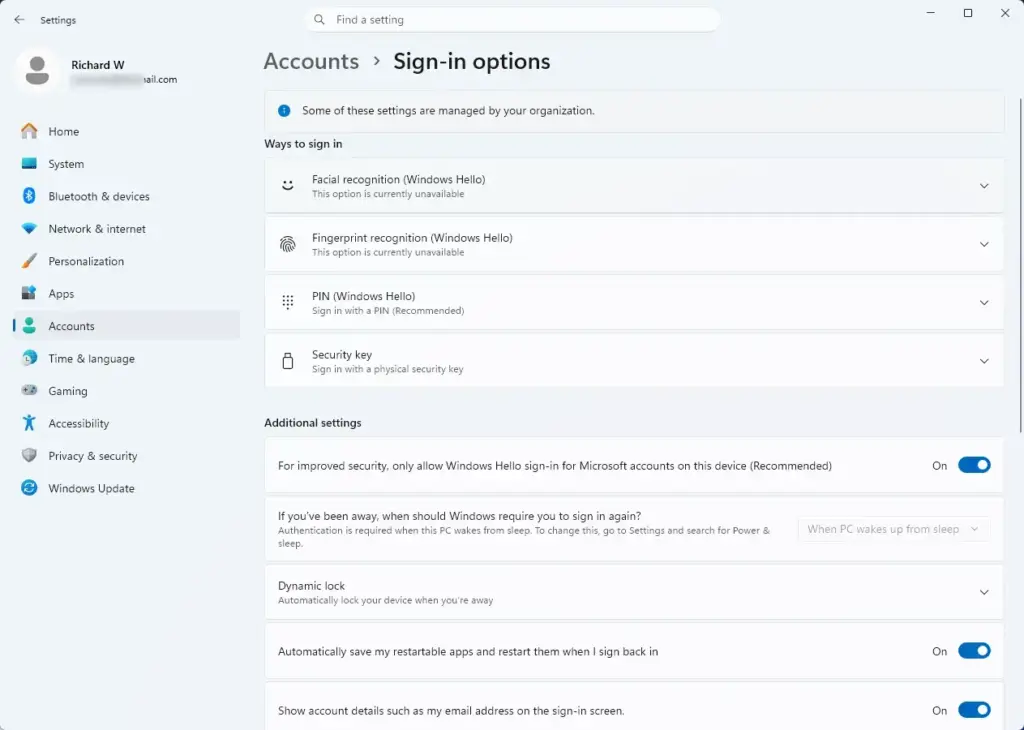
Signing in when your PIN fails requires using an alternative login method to get past your lock screen. Look right below your PIN box and click the sign-in options button. From there, choose your regular account password or a security key to unlock your desktop and get back to your normal Windows screen. Look directly below the PIN text box on your sign-in screen and click the option labeled password.
Look directly below the PIN text box on your sign-in screen.
Click the option labeled Sign-in options (it usually looks like a key icon).
Select your regular account password or a security key if you have one set up.
Type your password carefully and press Enter to reach your desktop.
Fix 1: Delete and Reset the NGC Folder
Deleting and resetting the NGC folder (a hidden directory where Windows stores your login credentials) fixes a broken PIN by clearing out corrupted security data stored on your hard drive. Because Windows saves all your secure PIN files inside this hidden folder, an update glitch can break it completely. Wiping this folder forces Windows to build a fresh, working copy so you can set up a new PIN.
Note: You must be signed in with an administrator account to complete these steps.
Open File Explorer from your taskbar.
Click the View menu at the top, select Show, and check the box for Hidden items so you can see protected system folders.
Navigate to the following folder path: C:\Windows\ServiceProfiles\LocalService\AppData\Local\Microsoft
Look for a folder named NGC.
Right-click the NGC folder and select the trash can icon to delete it. (If Windows blocks you, you may need to take ownership of the folder first through its security properties, but usually, administrator access is enough).
Restart your computer immediately.
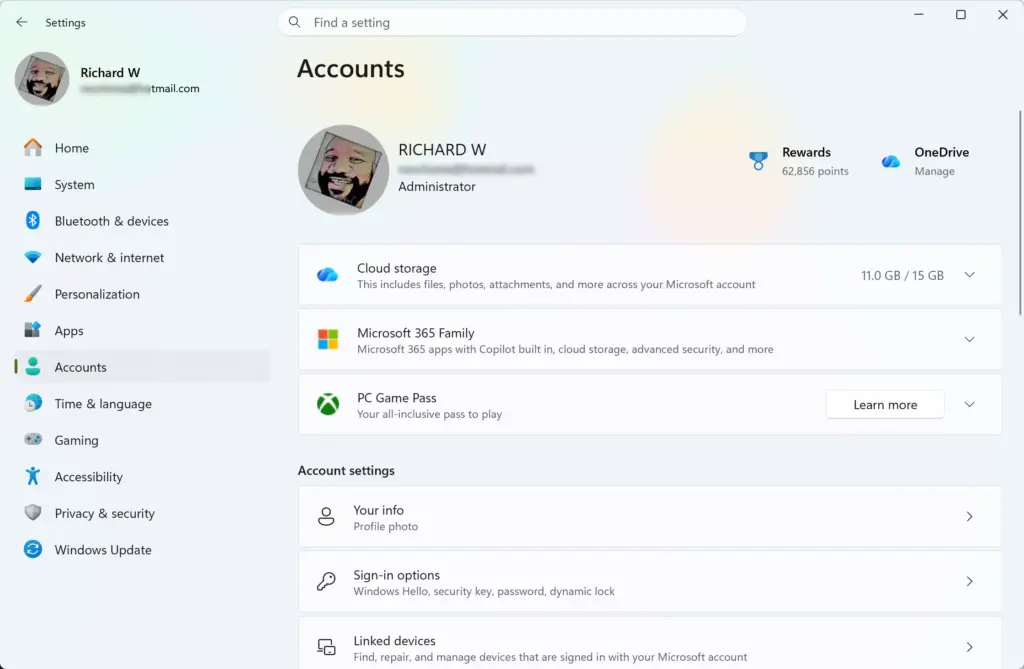
Once your computer turns back on, open your Windows Settings, go to accounts, choose sign-in options, and set up a brand new PIN.
Fix 2: Check for Account Name Changes and Sync Issues
Checking for account name changes and sync issues fixes the annoying PIN is not available error caused by a broken connection to your Microsoft account. System updates can sometimes disconnect your computer from your main network or change your user details. Using the Command Prompt (a text-based command tool) helps you spot these mismatched details and get your login working again.
Click your Windows Start button and type cmd into the search bar.
Right-click on Command Prompt in the search results and choose Run as administrator.
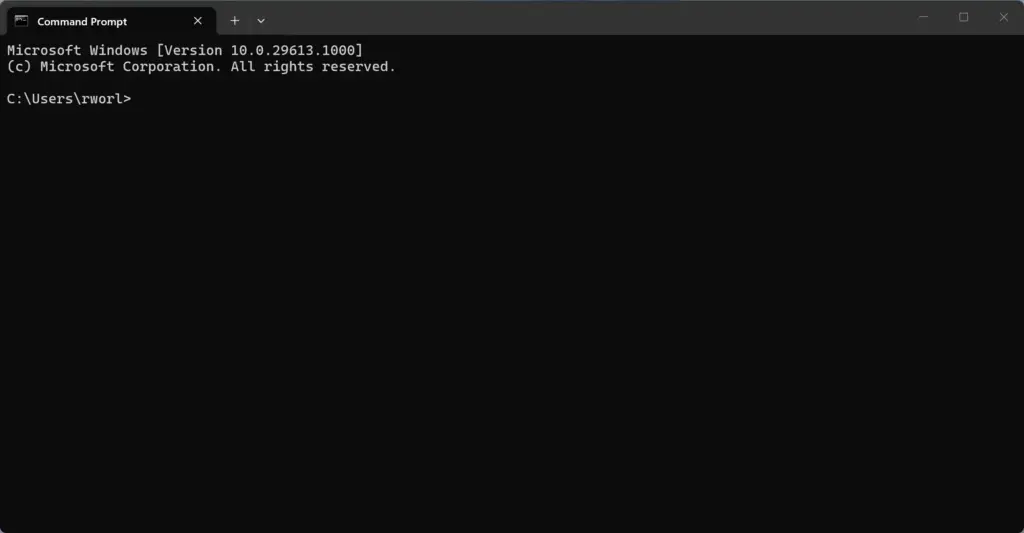
Type the following command into the black window and press Enter: dsregcmd /status
Look through the scrolling text for the section about User State and Device State (which shows how your PC connects to your Microsoft or work account). Check if your account details and email address match your current active profile.
If you see errors related to workplace or school account syncing, disconnect your work account temporarily under your Windows Settings menu, restart your PC, and reconnect it.
Fix 3: Use CertUtil to Clear NGC Credentials
Using CertUtil (a built-in command-line program for managing certificates) to clear NGC credentials helps you wipe out broken security tokens when manual folder deletion fails. This tool forces your system to drop corrupted login files that stop your PIN from working. Running a simple command inside the Command Prompt clears out the bad data so Windows lets you log in normally.
Note: You must be signed in with an administrator account to complete these steps.
Open your Windows Start menu, type cmd, right-click Command Prompt, and select Run as administrator.
Type the following command carefully and press Enter: certutil -DeleteHelloContainer
Wait for the tool to finish clearing the broken container files.
Restart your computer.
Go to your Windows Settings, navigate to accounts, select sign-in options, and create a new PIN.
Unique Expert Tips: Preventing Future Sign-In Glitches
Preventing future sign-in glitches means taking simple steps now to protect your computer from unexpected login lockouts. Always keep a traditional password turned on as a backup instead of relying only on a PIN or fingerprint reader. Also, avoid force-shutting down your computer while it installs updates to keep your system files safe and secure.
First, always keep a traditional password active alongside your biometric and PIN settings. Relying solely on a PIN leaves you stranded if a system patch temporarily disables biometric sensors or PIN modules.
Second, avoid force-shutting down your computer while a major system update is actively installing. Interrupting an update while it modifies the security registry hives is the number one cause of corrupted login folders.
Summary
Fixing what to do when your Windows 11 PIN stops working after an update comes down to using a backup password, clearing out the broken NGC folder, or running quick command tool fixes. While update glitches can feel scary, you can easily restore your normal login screen in just a few minutes by following these simple troubleshooting steps.
Was this guide helpful?

About the Author
Richard
Tech Writer, IT Professional
Richard is a writer at Geek Rewind who turns complex IT tasks into clear, step-by-step guides. He draws on years of hands-on experience in system administration and enterprise IT operations, focusing on Windows, Linux and WordPress: the problems people actually run into, and the fixes that work. His server and WordPress guides come from systems he runs himself. Richard builds and maintains the platform behind Geek Rewind, from its Ubuntu servers and Nginx configuration to its custom WordPress plugins. Many new tutorials start with readers' questions, and he's always glad to answer them in the comments.




No comments yet — be the first to share your thoughts!