Taskbar Calendar Flyout Not Opening or Showing Events in Windows 11

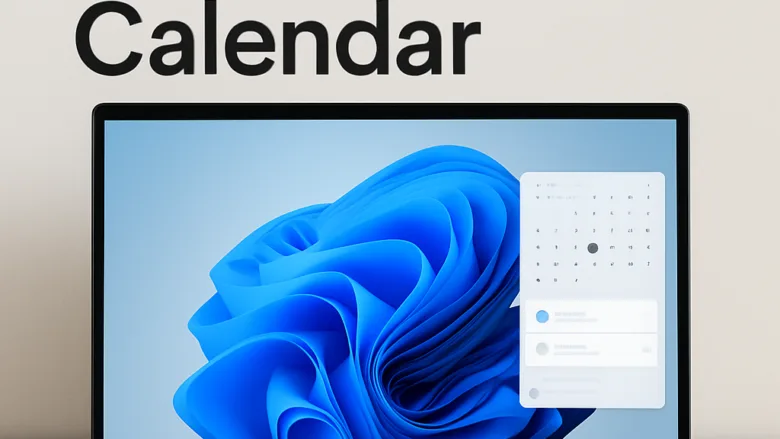
The Windows 11 taskbar calendar flyout opens when you click the date and time in the bottom-right corner of your screen to show your schedule and notifications. When clicking the clock does nothing or your upcoming events fail to load, a stuck background process or a glitch in the notification service usually causes the problem.
Windows Explorer manages your desktop and taskbar, telling the system to display the calendar overlay the moment you click the time. Restarting this process or clearing corrupted data fixes the issue and gets your schedule showing again.
Basic Troubleshooting: Quick Fixes to Try First
Before diving into advanced troubleshooting steps, you should always start with the easiest and safest solutions. Many temporary glitches in Windows 11 clear up with a simple system refresh.
1Restart Your Computer
Restarting your Windows 11 computer clears out temporary memory and background glitches that stop the taskbar calendar flyout from opening properly. A standard reboot gives your entire system a fresh start, which often brings a frozen or unresponsive clock menu back to life without needing any complex troubleshooting steps.
To restart your computer:
- Click the Start button in the middle of your taskbar .
- Click the Power icon in the bottom right corner of the Start menu .
- Click Restart.
Wait for your computer to turn off and turn back on completely, then try clicking the calendar icon again.

2Check for Windows Updates
Checking for Windows updates installs the latest bug patches from Microsoft that often fix a broken taskbar calendar flyout. These updates fix bugs that stop the taskbar calendar from opening.
To check for updates:
- Open the Windows Start menu and click on the Settings app icon (it looks like a gear). Alternatively, press the Windows Key + I keys on your keyboard at the same time.
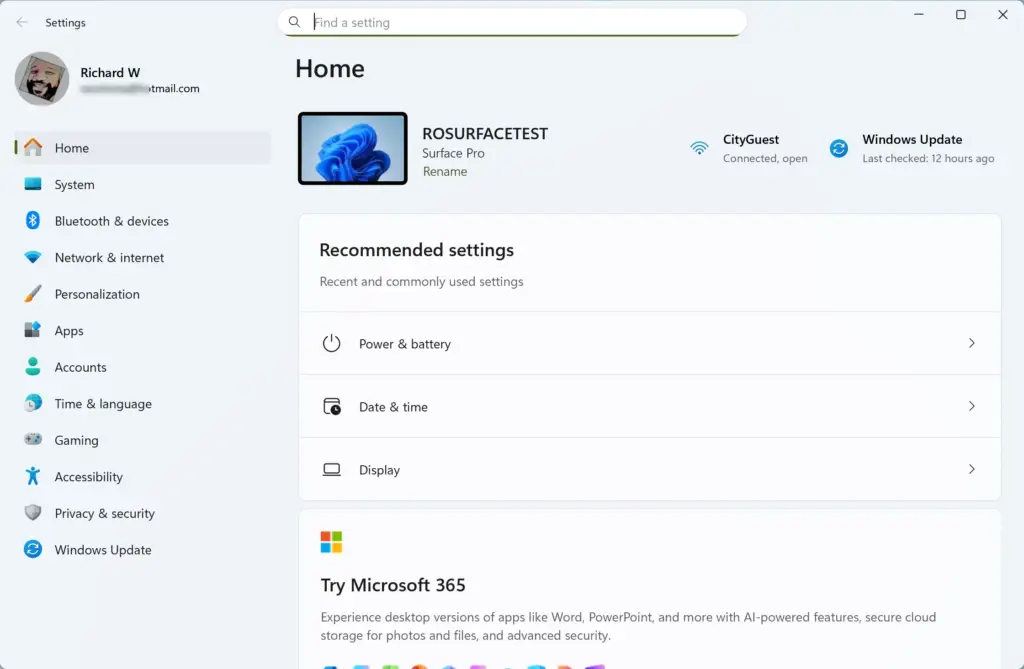
Settings - In the Settings window, click on Windows Update in the left-hand menu.
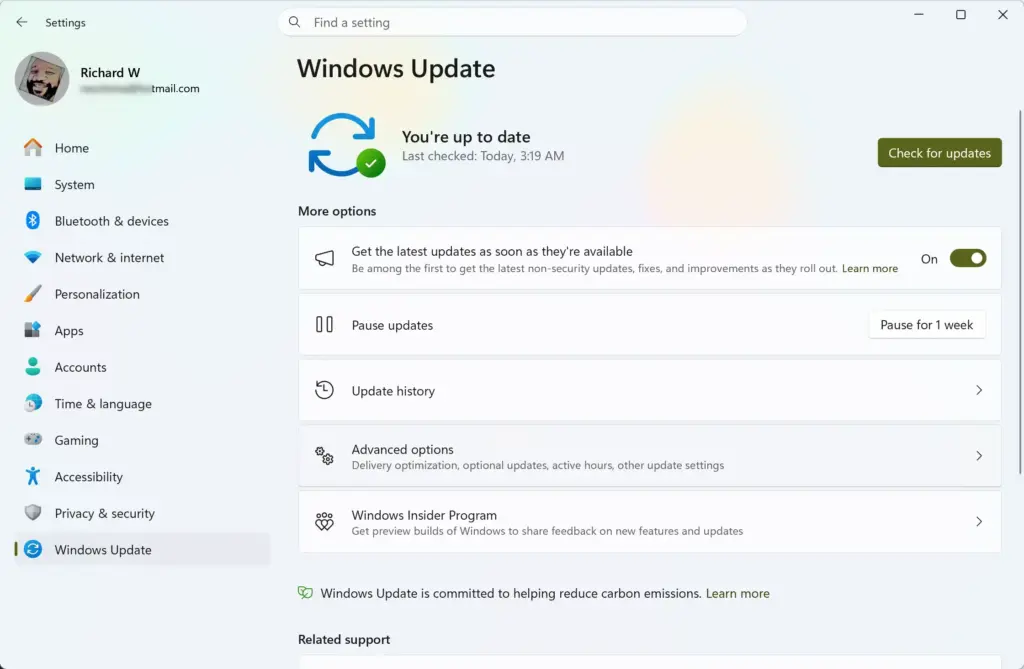
Settings › Windows Update - Click the Check for updates button near the top right.
If Windows finds any available updates, let them download and install completely. You may need to restart your computer afterward.
Intermediate Solutions: Restarting System Processes and Checking Accounts
If a simple restart did not solve the problem, the issue likely stems from a frozen system process or a syncing error with your account. Try these intermediate troubleshooting steps.
1Restart Windows Explorer
Restarting Windows Explorer (the process that manages your taskbar and desktop) in the Task Manager fixes a frozen calendar. This handy trick forces the process that controls your taskbar and desktop icons to restart, clearing out temporary freezing issues without needing to turn your whole computer off.
- Press the Ctrl + Shift + Esc keys on your keyboard at the same time to open the Task Manager.
- If Task Manager opens in a small view with limited details, click the More details option at the bottom of the window to expand it.
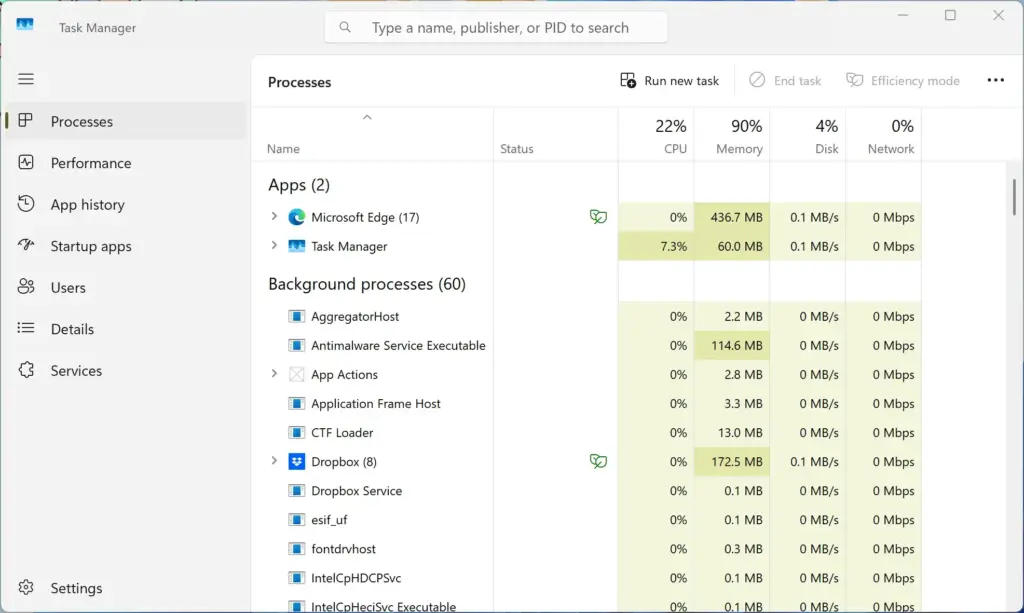
Task Manager - Click on the Processes tab on the left side (or top, depending on your Windows version).
- Scroll down the alphabetical list of running processes until you find Windows Explorer (it has a yellow folder icon).
- Click on Windows Explorer once to highlight it.
- Click the Restart task button in the top right corner of the Task Manager window. (Note: Your taskbar and desktop icons will disappear for a brief second or two while the process restarts. This is completely normal.)
Once your taskbar reappears, try clicking the calendar icon again.
2Check Your Microsoft Account Sync Settings
Checking your Microsoft account sync settings fixes a Windows 11 calendar that opens up just fine but refuses to show your scheduled events. Making sure your account is connected and syncing properly allows your calendar app to load your personal appointments and reminders correctly.
- Open the Windows Settings app by pressing the Windows Key + I.
- Click on Accounts in the left-hand menu.
- Click on Email & accounts.
- Look for your primary Microsoft account in the list. If you see any error messages or warnings next to your account name, click on the account and select Fix or sign back in with your password.
- Next, open the built-in Windows Calendar app by searching for it in the Start menu. Open the app settings or account settings inside the app to ensure your email and calendar data are actively syncing.
Advanced Troubleshooting: System File Checkers and User Accounts
If the calendar flyout still refuses to open or display events, you may be dealing with corrupted system files or a damaged user account profile. These advanced methods repair damaged system files.
1Run the System File Checker (SFC) Tool
Running the System File Checker tool scans your Windows 11 computer for broken system files and automatically repairs the ones responsible for your taskbar and calendar. This built-in diagnostic tool is great for fixing deeper system errors that stop normal features like the clock flyout from working correctly.
- Click the Start button, type cmd into the search bar.
- In the search results, right-click on Command Prompt and select Run as administrator. *(Admin privileges required)*
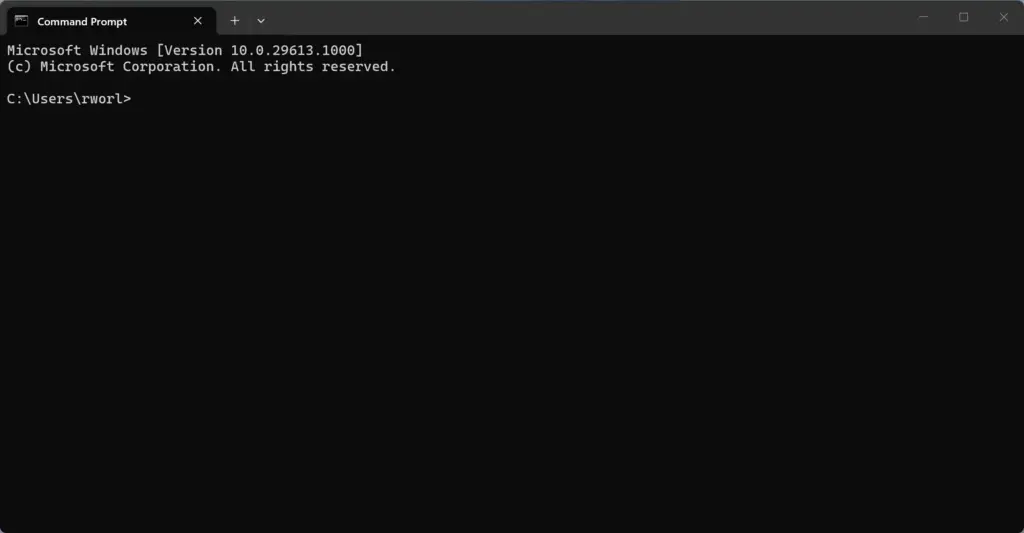
Command Prompt - A window with black background text will open. Type sfc /scannow and press Enter.
sfc /scannow - Press the Enter key on your keyboard.
The System File Checker scan takes about 10 to 15 minutes to run on your computer. This built-in Windows tool checks all essential Windows system files and repairs any broken or missing problems it finds automatically. You must not close the Command Prompt window until the verification reaches 100 percent completion so the repair process finishes correctly.
Once the scan finishes, restart your computer and test the calendar flyout.
2Run the DISM Tool
Running the DISM tool repairs the underlying system image in Windows 11 when regular file scans cannot fix your broken taskbar calendar. This command-line utility cleans up and restores heavily damaged system files so core taskbar features can start working normally again.
- Click the Start button, type cmd into the search bar.
- Right-click on Command Prompt and select Run as administrator. *(Admin privileges required)*
- Type DISM /Online /Cleanup-Image /RestoreHealth and press Enter.
DISM /Online /Cleanup-Image /RestoreHealth - Press the Enter key.
You need to let the system file checker process run completely from start to finish without interruption. This important scanning process may take anywhere from 5 to 15 minutes depending on your computer's speed, because the tool thoroughly checks and repairs missing or broken system files that cause the Windows 11 taskbar calendar flyout to fail.
Restart your computer after the scan completes.
3Test a New User Account
Creating a new test user account helps you figure out if a corrupted user profile is the real reason your Windows 11 taskbar calendar is not opening. Setting up a fresh account lets you test if the calendar works normally outside of your current personal settings and saved data.
- Open the Windows Settings app by pressing Windows Key + I.
- Click on Accounts in the left menu.
- Click on Other users.
- Click the Add account button.
- Follow the on-screen prompts to create a local account without using a Microsoft email address (choose "I don't have this person's sign-in information" and "Add a user without a Microsoft account"). Give the account a simple name like TEST-USER and a temporary password.
- Sign out of your current user account by clicking the Start button, clicking your profile picture icon at the bottom left, and selecting Sign out.
- Log back into your computer using the new TEST-USER account.
- Check if the taskbar calendar flyout opens correctly in this new account. If it works normally here, your original user profile is damaged, and you may want to migrate your personal files over to a fresh user profile.
Unique Angles: Hidden Culprits and Expert Workarounds
Most online guides stop after suggesting a computer restart or running the system file checker. However, experienced tech support specialists know that certain obscure Windows settings, third-party software conflicts, and time zone discrepancies can also break the taskbar calendar. Here are two unique troubleshooting angles that competitors often miss.
1Checking Date, Time, and Regional Settings Mismatches
Checking your date, time, and regional settings fixes a Windows 11 calendar flyout that fails to load events because your system clock is out of sync. Making sure your time zone and regional preferences are correct stops the calendar interface from glitching out and failing to display your schedule.
To verify and fix your time and regional settings using the graphical interface:
- Open the Windows Settings app by pressing Windows Key + I.
- Click on Time & language in the left-hand menu.
- Click on Date & time.
- Make sure the toggle switch for Set time automatically is turned On.
- Make sure the toggle switch for Set time zone automatically is turned On (if your device supports location services). Alternatively, double-check that your correct local time zone is selected manually in the drop-down menu.
- If your time was previously incorrect, click the Sync now button under the "Synchronize your clock" section to force your computer to match the official internet time servers.
- Next, go back to the main Time & language settings page and click on Language & region.
- Verify that your country or region and regional format settings match your actual physical location. An incorrect regional format can sometimes cause calendar components to throw invisible errors that stop the flyout from displaying properly.
Restart your computer and check if your calendar flyout works.
2Resolving Third-Party Taskbar Customization Software Conflicts
Resolving conflicts with third-party taskbar customization apps like ExplorerPatcher or StartAllBack often brings your missing Windows 11 calendar back to life. These extra desktop programs change how your taskbar behaves, which can sometimes break default features like the clock and calendar flyout.
Third-party desktop customization apps hook directly into the core Windows Explorer process in Windows 11. When Microsoft releases a routine security update or system patch, the update often conflicts with these third-party customization apps. When these conflicts happen, the taskbar calendar flyout, start menu, or notification panel frequently stops working entirely for you.
If you use third-party taskbar customization software on your Windows 11 computer, you should temporarily turn off the customization software to test for conflicts if your taskbar calendar flyout stops opening or showing events. Taskbar customization tools often replace or modify core Windows interface elements, which frequently breaks the calendar flyout feature after system updates. Turning off the customization software helps you quickly determine if the third-party tool causes the calendar failure.
- Open your third-party customization application (for example, ExplorerPatcher or StartAllBack) from your Start menu or system tray.
- Look for an option inside the app settings to Disable the software or restore the default Windows 11 taskbar behavior.
- If the application has a complete uninstall option, consider temporarily uninstalling it entirely to test whether the native Windows taskbar calendar begins working again.
- Check the official website or support forums for your customization software to see if a newer version is available. Developers of these tools frequently release patches within days of a major Windows update to fix broken taskbar flyouts.
If you prefer stability over customization, keeping your taskbar in its native, unmodified state is the best way to prevent future calendar glitches.
Summary
Fixing a Windows 11 taskbar calendar that will not open or show your events is easy when you follow the right troubleshooting steps. You can usually get your calendar working again by restarting your computer, updating Windows, restarting Windows Explorer, or fixing your account sync settings.
Was this guide helpful?

About the Author
Richard
Tech Writer, IT Professional
Richard is a writer at Geek Rewind who turns complex IT tasks into clear, step-by-step guides. He draws on years of hands-on experience in system administration and enterprise IT operations, focusing on Windows, Linux and WordPress: the problems people actually run into, and the fixes that work. His server and WordPress guides come from systems he runs himself. Richard builds and maintains the platform behind Geek Rewind, from its Ubuntu servers and Nginx configuration to its custom WordPress plugins. Many new tutorials start with readers' questions, and he's always glad to answer them in the comments.

No comments yet — be the first to share your thoughts!