Should You Disable Windows 11 Startup Apps Using Task Manager or Autoruns


Startup apps in Windows 11 are programs that launch automatically the moment you turn on your computer, often slowing down your boot time and draining memory in the background. Task Manager and Autoruns are the two main tools you can use to manage these background items, with Task Manager handling everyday apps and Autoruns uncovering hidden tasks across Windows 11 version 23H2 and earlier builds.
Stopping unnecessary background programs prevents your PC from lagging right after startup. Choosing the right tool depends on whether you need a simple fix for standard apps or a deep system scan for stubborn startup items.
Yes, you should use Task Manager for managing Windows 11 startup apps because it is built into the system and designed for everyday users, while Autoruns is an advanced tool meant only for tech experts who need to find hidden background programs.
Why apps start automatically on 🪟 Windows 11
Apps start automatically on Windows 11 because software developers set their programs to launch the moment you turn on your computer so they are ready to use right away. While helpful for chat apps, having too many programs open at startup slows down your computer and uses up memory before you even start working.
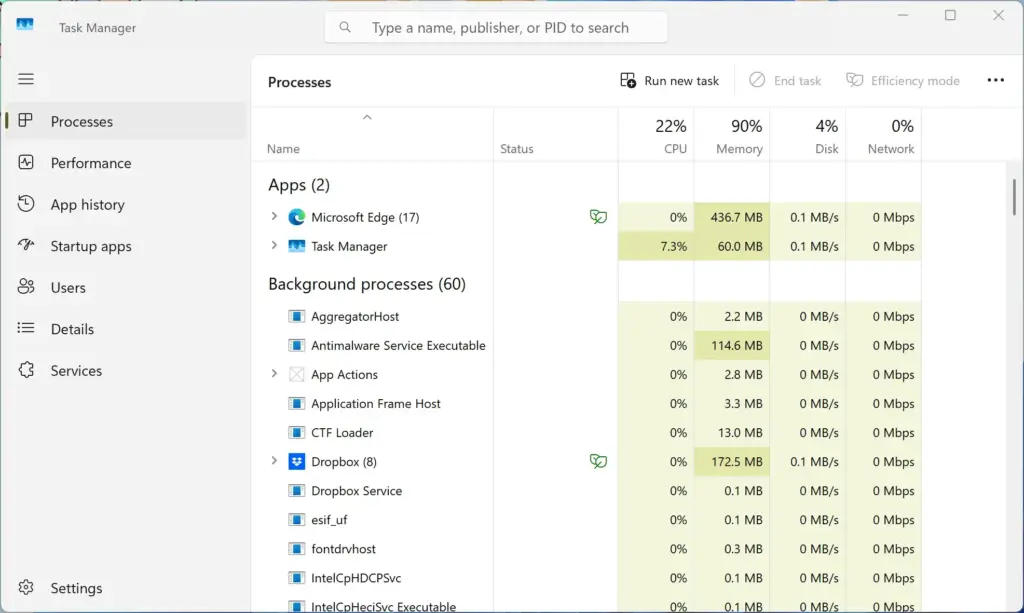
Running too many automatic startup programs at once overwhelms your computer’s limited memory and processing power. When ten or twenty programs try to launch all at once during startup, your computer gets overwhelmed. Your hard drive or solid-state drive gets bogged down reading data, and your computer processor spikes to maximum usage.
Stopping startup programs from opening on their own is one of the best ways to speed up an old computer or keep a new computer running fast. Stopping startup programs does not delete the programs from your computer. Instead, stopping startup programs prevents the programs from running until you manually click their icons to open them.
Using the 🪟 Windows 11 Settings app for basic cleanup
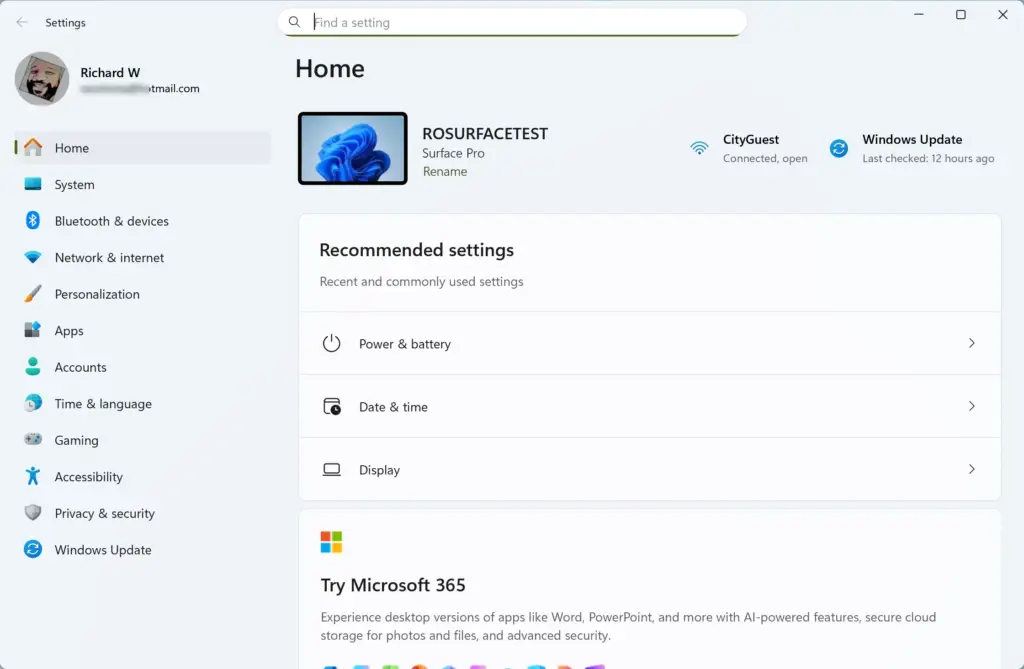
The Windows 11 Settings app provides a dedicated menu for basic startup cleanup that serves as the safest and most practical place to manage background programs. Open Settings , go to Apps, and select Startup to turn off unneeded programs.
Here is how to find your startup apps in the Settings menu:
You can also press the Windows Key and the letter I on your keyboard at the same time.

Click on Apps in the menu on the left side of the screen.
Click on Startup in the list of options.
Here, you will see a list of apps installed on your computer along with an On or Off switch next to each one. If you see a program you do not need right away—like a music player or a game launcher—click the switch to turn it off.
Using Task Manager to manage startup apps
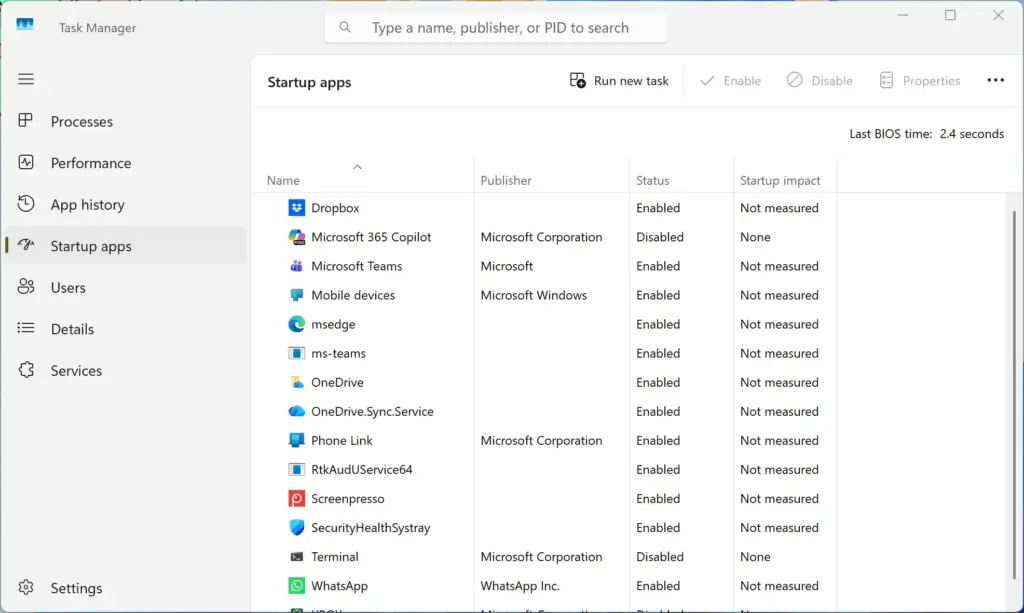
Task Manager is the most popular pre-installed tool for managing startup apps on Windows 11 because it gives you a clear list of what opens when your computer boots up. It also shows how much each program affects your system's performance, helping you decide which items to turn off.
Task Manager categorizes the startup impact into three levels:
- Low Impact: The app takes very little time and resources to start. Total CPU usage is very low, and disk usage is minimal.
- Medium Impact: The app takes a little longer to open, using up some processor time and disk resources.
- High Impact: The app takes a long time to load, uses a lot of processor power, or reads heavily from your hard drive during startup.
Step-by-step: How to use Task Manager for startup apps
Opening and using Task Manager to stop unwanted startup programs requires just a few simple keystrokes on your keyboard. You can press the Ctrl + Shift + Esc keys at the same time to open Task Manager directly, then click on the startup icon to view and disable programs that slow down your computer.
- Press the Ctrl + Shift + Esc keys on your keyboard at the same time to open the Task Manager directly. You can also right-click your taskbar and select Task Manager.
- Look at the left-hand menu. Click on the icon that looks like a gauge or meter. This is the Startup apps tab (it looks like a small speedometer or meter icon in Windows 11).
- You will now see a list of all programs set to run when your computer boots up.
- Click on any program you want to stop from opening automatically.
- Look at the top right corner of the Task Manager window and click the Disable button. You can also right-click the app name and choose Disable.
If you change your mind later, you can come back to this exact same screen, click the disabled app, and click Enable. Nothing is deleted or permanently broken.
What is Autoruns and when should you use it?
Autoruns is a free, advanced tool created by Microsoft that shows you every single piece of software, background service, scheduled task, and script that runs when your computer starts. You should use Autoruns only when you are an advanced user trying to track down stubborn background programs that do not appear in Task Manager.
Autoruns is a free tool created by Microsoft that helps you manage software starting with your computer. Autoruns shows you every piece of software, script, and driver configured to run when Windows starts up. The Autoruns application looks deep into hidden system corners that the standard Windows Task Manager cannot reach.
You should only use Autoruns if:
- Your computer is still running slowly even after you disabled everything in Task Manager.
- You suspect your computer has a virus, malware, or an annoying pop-up program that keeps coming back.
- You are an advanced user who wants absolute control over every background process on your machine.
If you turn off the wrong system file using Autoruns, your computer might fail to start properly.
Comparing Task Manager and Autoruns
Comparing Task Manager and Autoruns shows that Task Manager is safe and easy for everyday users managing common apps, while Autoruns is a complex tool meant for advanced users who need to see every hidden file and deep system startup item on the entire PC.
- Feature: Task Manager | Autoruns
- Ease of use: Very easy for beginners | Complex, meant for advanced users
- Safety: Very safe; only shows user-facing apps | Risky; shows deep system files
- Visibility: Shows common startup apps | Shows every startup item on the entire PC
- Installation: Built right into Windows 11 | Must be downloaded separately from Microsoft
- Impact ratings: Shows High, Medium, or Low impact | Does not show impact ratings
Hidden dangers of third-party startup cleaners
Third-party startup cleaners and registry optimizers carry hidden dangers because many of these downloaded programs are completely unnecessary, while others are malicious software that can harm your computer. Windows 11 already includes all the safe, built-in tools you need to manage your startup apps without risking your system stability.
Many of these registry cleaners and startup optimizers are unnecessary, and some are downright malicious. Windows 11 already includes all the tools you need to manage your system. Using built-in tools like Task Manager keeps your personal data safe and prevents untrusted software from digging into your computer settings.
Unique expert tip: Check for hidden scheduled tasks
Checking for hidden scheduled tasks is essential when disabled apps keep turning themselves back on because some programs use Windows Task Scheduler to bypass standard startup controls. You can easily check and stop these hidden startup triggers using the built-in Task Scheduler tool without downloading extra software.
To check for hidden startup programs in Windows 11 without downloading the advanced Autoruns tool, you can use the built-in Windows Task Scheduler program. Windows Task Scheduler manages over 50 default background tasks that run automatically when you turn on your computer. You can open Windows Task Scheduler by typing its name into the Windows search bar, which lets you view and turn off hidden startup items safely.
- Click the Start button, type Task Scheduler into the search bar, and press Enter.
- Click on Task Scheduler Library in the top left corner.
- Look through the list in the middle of the screen. You will see various automated tasks created by programs installed on your computer.
- If you find a task belonging to an app you do not want running automatically, click on it, look at the right-hand panel, and click Disable.
This method stops stubborn background programs from launching themselves behind your back.
Summary
Startup apps can drastically slow down your Windows 11 computer, making it important to manage them so your PC boots faster and runs more smoothly. For everyday users, the built-in Task Manager is the safest and most effective tool to view startup impacts and turn off unwanted programs.
Was this guide helpful?

About the Author
Richard
Tech Writer, IT Professional
Richard is a writer at Geek Rewind who turns complex IT tasks into clear, step-by-step guides. He draws on years of hands-on experience in system administration and enterprise IT operations, focusing on Windows, Linux and WordPress: the problems people actually run into, and the fixes that work. His server and WordPress guides come from systems he runs himself. Richard builds and maintains the platform behind Geek Rewind, from its Ubuntu servers and Nginx configuration to its custom WordPress plugins. Many new tutorials start with readers' questions, and he's always glad to answer them in the comments.
No comments yet — be the first to share your thoughts!