How to Enable HDR Video on Windows 11 Battery

Running Windows 11 on battery power does not mean you have to turn off High Dynamic Range (HDR) video. You can keep vibrant colors and deep contrast active while unplugged. The catch is that Windows may limit HDR on battery to save power, so you need to change one extra setting.
This guide covers the hardware you need, how to turn HDR on, how to keep it on when unplugged, how to fix common problems, and how to undo it. The steps are written for current Windows 11, and the layout is the same on Home and Pro.
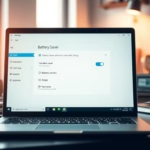
Open Settings System Display, click the HDR tile, and toggle Use HDR to On. To keep HDR active on battery, scroll down in the same menu, check Allow HDR games, videos, and apps on the battery, then unplug your charger.
Why Enable HDR 🪟 Windows 11?
HDR on Windows 11 significantly enhances screen appearance. It produces deeper blacks and brighter whites, resulting in more realistic colors. You notice it most in HDR movies, streaming video and games that support it.
A screen showing HDR content runs brighter and works harder, so your battery drains faster. That is why Windows restricts HDR on battery by default.
Hardware Requirements for HDR
Check your hardware before changing settings. If one piece is missing, the HDR option may not appear at all. Your setup needs:
- GPU: You need a graphics card that supports PlayReady 3.0 and WDDM 2.4 drivers or newer.
- Cable: Use an HDMI 2.0 or 2.1 cable, or a DisplayPort 1.4 cable. Old cables cannot carry enough data. This matters for an external monitor. A laptop’s built-in screen does not use a cable you can swap.
- Monitor: Your monitor should have VESA DisplayHDR certification. This applies to the laptop’s built-in screen too. If the panel does not support HDR, Windows will not offer it.
How to Enable HDR 🪟 Windows 11
Activating HDR on Windows 11 takes a few clicks in the Display menu, though keeping it running on battery power requires an extra toggle. If you use more than one monitor, pick the HDR-capable one first, because HDR is set per display.
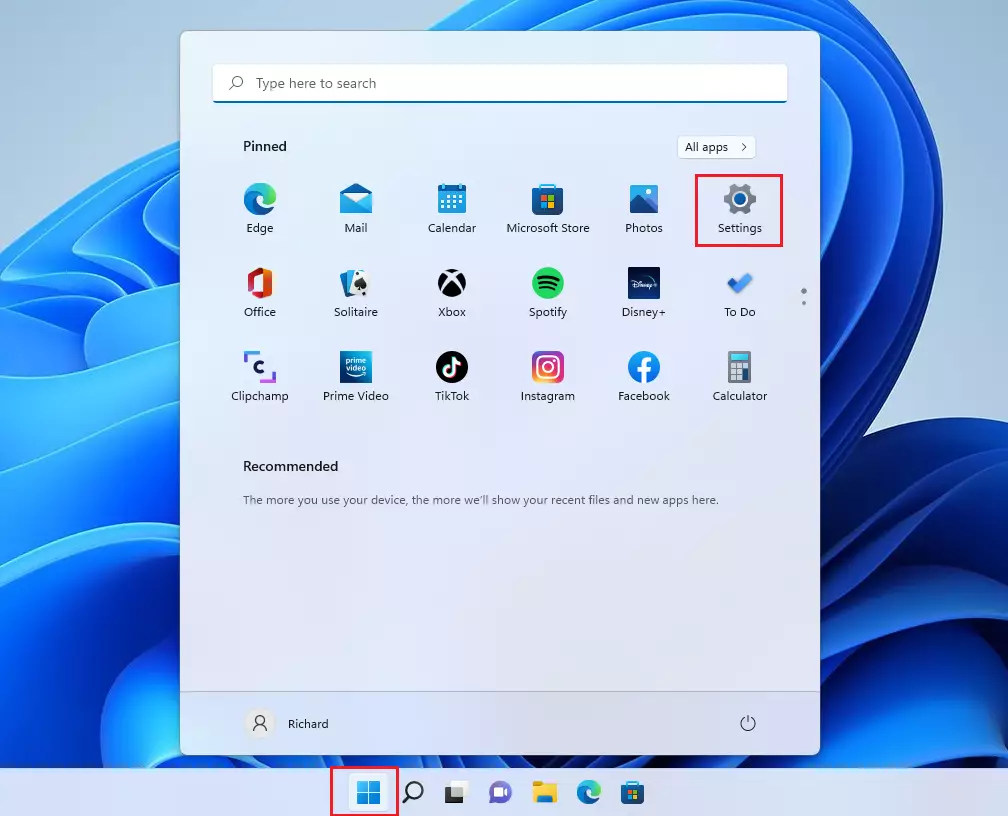
- Press Windows key + I to open Settings.
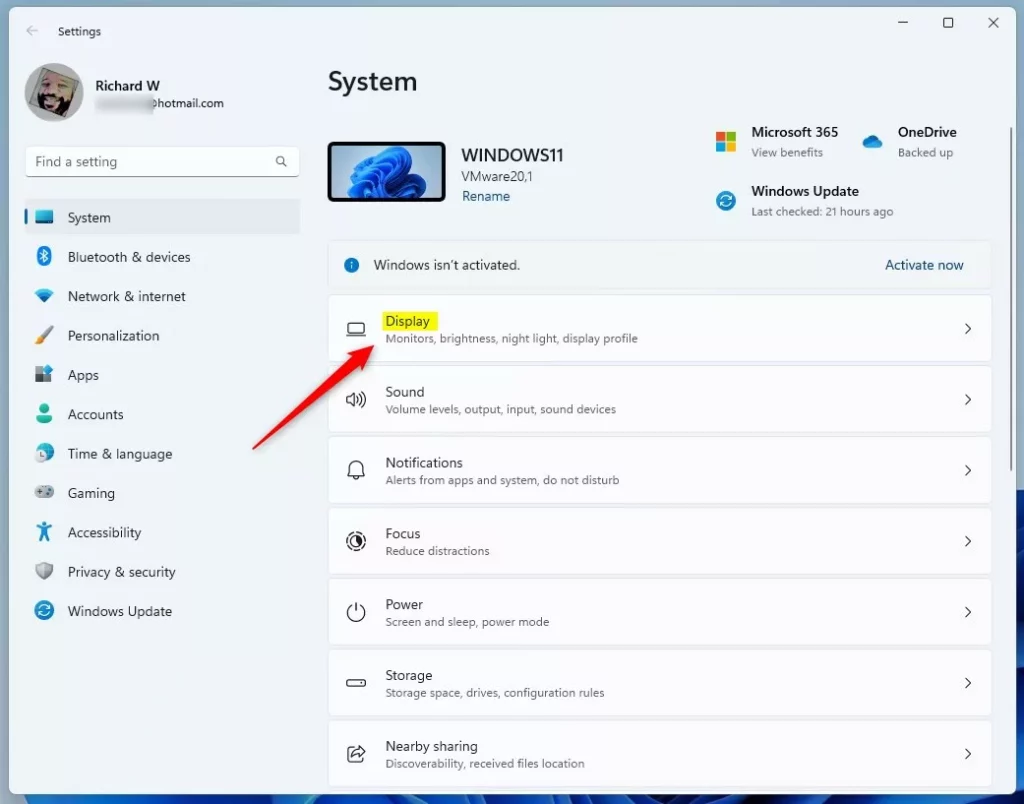
- Click System then Display. You should see your display layout at the top. If you have several monitors, click the one you want to change.
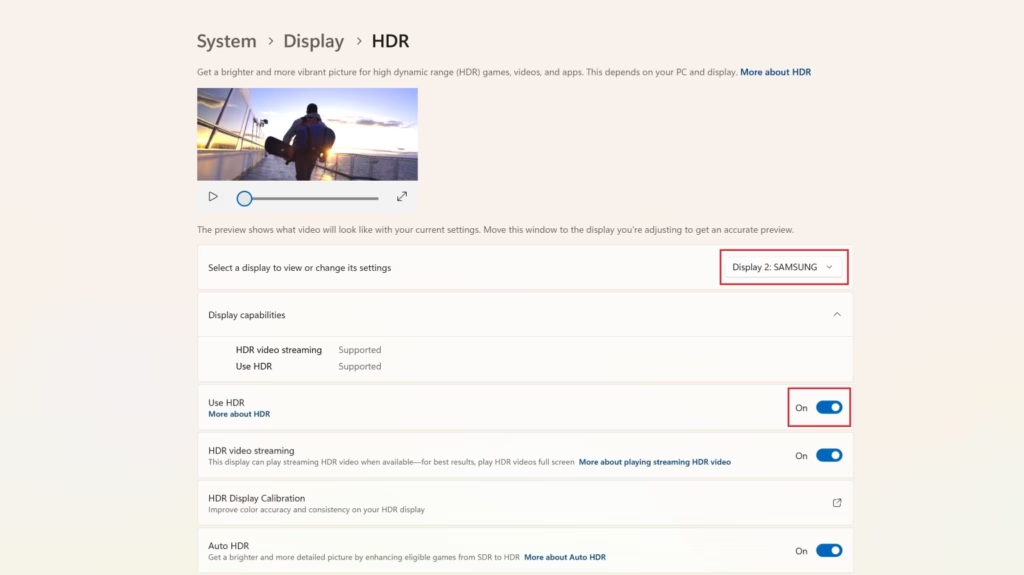
- Click the HDR tile. A page with the HDR options opens.
- Toggle Use HDR to On. The screen may flicker or go dark for a second. After that, the picture looks a little brighter and the desktop may look slightly washed out. That is normal, because the desktop is shown in a wider brightness range.
No restart is needed. To undo it, return to the same page and set Use HDR to Off.
If you do not see an HDR tile, or the toggle is missing, Windows does not detect an HDR-capable display. See the troubleshooting section below.
To keep it on while on battery:
- In the same HDR menu, look for Battery options. This section only appears on devices that have a battery, such as laptops and tablets. You may need to scroll down or expand the HDR section to see it.
- Check Allow HDR games, videos, and apps on the battery. The exact wording can differ slightly between Windows 11 builds, so look for the option that allows HDR on battery.
Now unplug the charger and play an HDR video. It should keep its HDR look instead of dropping back to standard colors. To undo this, clear the same check box and Windows will limit HDR on battery again.
Calibrate Your Display
Off colors mean calibration time. Washed-out, too dark or oversaturated colors are common after you first turn HDR on. Download the official Windows HDR Calibration app from the Microsoft Store, then follow the on-screen prompts to set brightness levels correctly.
The app walks you through a few test patterns. Adjust each one until the pattern just disappears, then save the result as a color profile. Run it on the screen you actually use, and run it again if you change monitors.
Troubleshooting HDR Issues
If the HDR toggle is grayed out, check your cable first. Make sure it plugs into the correct port, since some monitors support HDR on only one HDMI or DisplayPort input. Also confirm the monitor's own menu has HDR enabled, because some models turn it off by default.
If the cable and port are fine, update your graphics drivers. Here is how:
- Right-click the Start button and click Device Manager.
- Expand Display adapters.
- Right-click your graphics card and click Update driver.
- Click Search automatically for drivers and follow the prompts. Restart the PC if Windows asks you to.
If Windows finds nothing new, check the graphics card maker's website for a newer driver, or your laptop maker's support page. Washed-out colors require confirming that display calibration happened via the app mentioned earlier.
Advanced Configuration
These routes are for advanced users, such as admins setting up several PCs. For a single PC, the Settings steps above are safer and easier to undo. If you do edit the registry, back it up first so you can restore it if something goes wrong.
Summary
Enabling HDR in Windows 11 offers a better visual experience, though power consumption increases. Reviewing settings periodically prevents unexpected battery drain. If your battery life drops too much, turn off Use HDR or clear the battery option when you are away from a charger. Switch it back on when you plug in.
Was this guide helpful?

About the Author
Richard
Tech Writer, IT Professional
Richard is a writer at Geek Rewind who turns complex IT tasks into clear, step-by-step guides. He draws on years of hands-on experience in system administration and enterprise IT operations, focusing on Windows, Linux and WordPress: the problems people actually run into, and the fixes that work. His server and WordPress guides come from systems he runs himself. Richard builds and maintains the platform behind Geek Rewind, from its Ubuntu servers and Nginx configuration to its custom WordPress plugins. Many new tutorials start with readers' questions, and he's always glad to answer them in the comments.


No comments yet — be the first to share your thoughts!