How to Show Email on Windows 11 Sign-In Screen

Windows 11 can show your email address under your username on the sign-in screen. If you manage several Microsoft accounts on one PC, this makes it much harder to sign into the wrong profile. The steps below are written for Windows 11 version 24H2 or later.
There are three ways to turn it on. The Settings app works on every edition. Group Policy suits Pro and Enterprise. The Registry Editor is the route for Home. Start with the Settings app, and only move on if the option is missing or greyed out.
Open Settings with Win+I, then go to Accounts Sign-in options Additional settings and turn on “Show account details such as my email address on the sign-in screen”. Press Win+L to check it. Your email address appears under your name, with no restart needed on Windows 11 24H2 or later.
How to show your email on the sign-in screen (Settings App)
It adds your account details, including your email address, to the sign-in screen, so you can see which account you are about to use before you type a password. It works on Home, Pro and Enterprise.
You do not need to edit any policies or registry values for this method. If the option is not there or is greyed out, a policy on the PC probably controls it, which is common on work or school devices. In that case, use one of the other methods or ask your administrator.
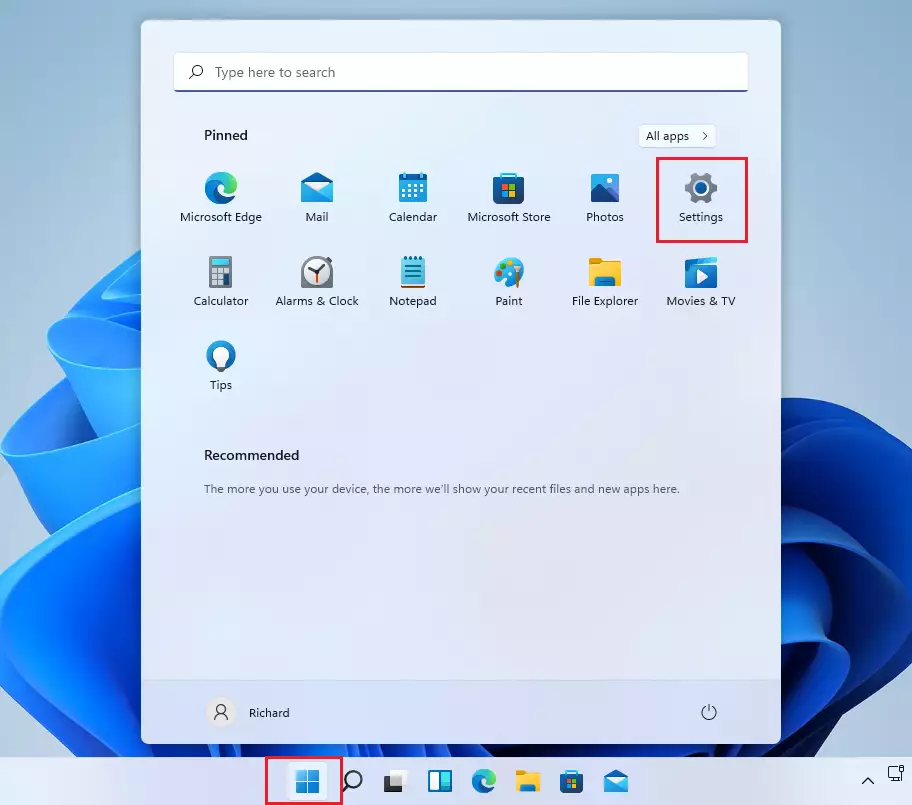
- Press Win+I to open Settings. The Settings window opens with the system categories listed on the left.
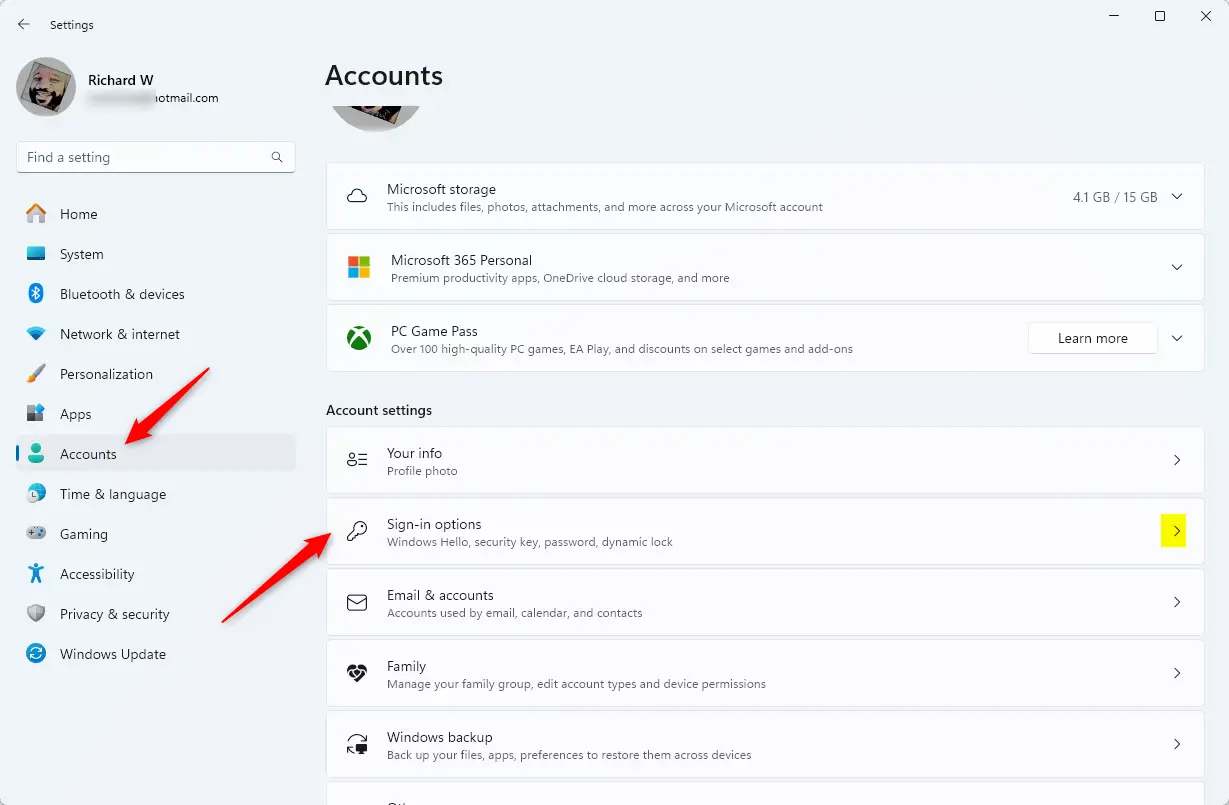
- Click Accounts in the left sidebar. The right pane now shows your account information and related options.
- Select Sign-in options. You will see the ways you can sign in, such as PIN, password and security key.
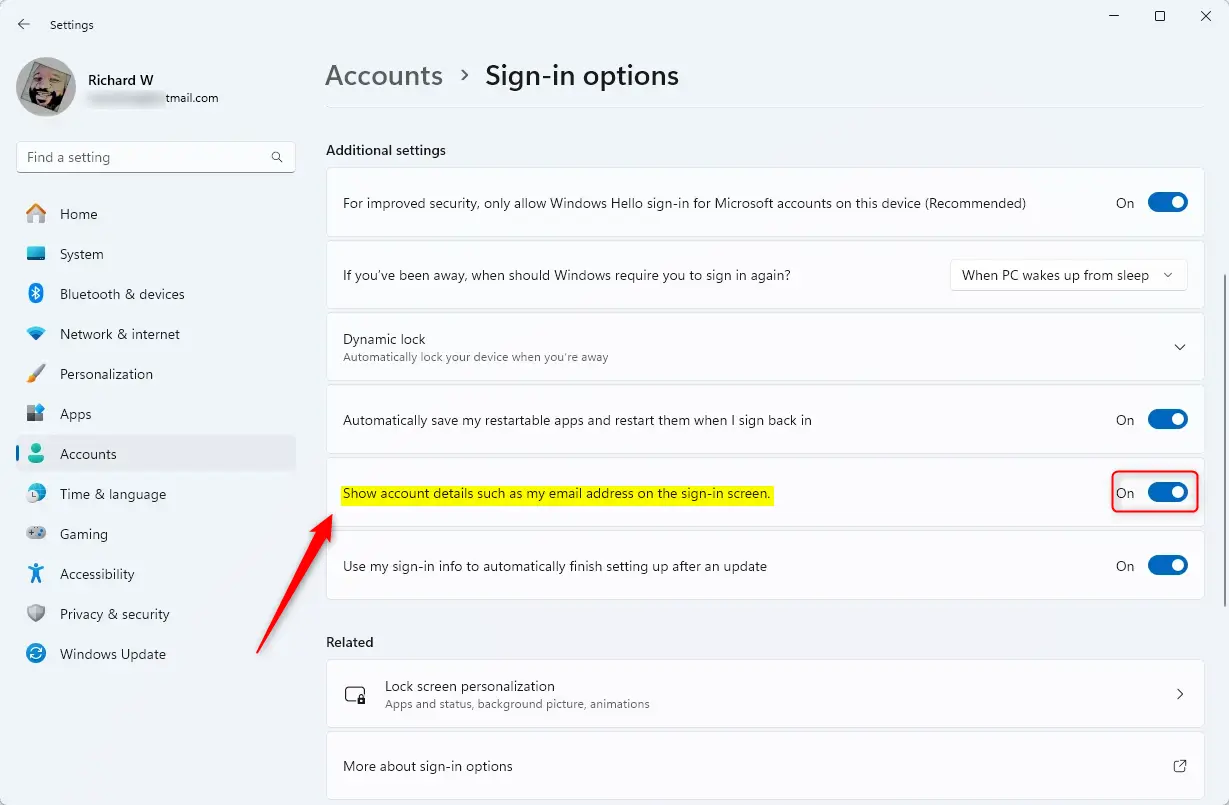
- Scroll down to Additional settings. It sits below the list of sign-in methods and holds a few toggles.
- Turn on ‘Show account details such as my email address on the sign-in screen‘. The switch should now read On.
To check the result, press Win+L to lock the PC, then open the sign-in screen. Your email address should appear under your name. If it does not show yet, sign out or restart the PC and look again. To undo the change, return to the same page and switch the toggle to Off.
Advanced Method: Using Group Policy Editor
Windows 11 Pro and Enterprise include the Local Group Policy Editor, a console for managing system configuration. This method gives you central control over what the sign-in screen shows. It does not work on Windows 11 Home, because Home does not include the editor. Home users should use the Settings app above or the registry method further down.
You must be signed in with an administrator account. You will open the Run dialog, start the policy editor, and change one security option so your address appears on the sign-in screen. The change only shows after you sign out or restart.
- Press Windows key + R to open the Run dialog, then enter the command for the Local Group Policy Editor shown here and press Enter. The editor opens with a folder tree on the left. If a User Account Control prompt appears, click Yes.
- In the left tree, go to Computer Configuration Windows Settings Security Settings Local Policies Security Options A long list of policies appears on the right.
- Find Interactive logon: Display user information when the session is locked. The list is sorted by name, so look in the "Interactive logon" group.
- Double-click the policy and choose Display user display name and email address from the drop-down list. On some builds the list words this differently, for example User display name, domain and user names. If so, pick the option that shows the most account detail. The choice Do not display user information hides it.
- Click Apply and then OK. The policy window closes and the list shows your new setting.
Sign out or restart the PC so the sign-in screen picks up the change. To undo it, open the same policy and set it back to its previous value.
Advanced Method: Using Registry Editor
Windows 11 Home has no Group Policy Editor, so the Registry Editor is the way to make this change there. The Registry Editor is a database of system settings. The method works on any edition, but it is the most hands-on one. You need an administrator account, and you must sign out or restart afterwards before the change appears on the sign-in screen.
A wrong change can cause problems with Windows or with your apps. Do at least one of these first:
- Create a restore point. Search for "Create a restore point" in the Start menu, open System Protection, and click Create. If protection is off for your system drive, turn it on first.
- Export the key you are about to change. In the Registry Editor, right-click the key, choose Export, and save the file somewhere safe. Double-clicking that file later restores the saved values.
- Press Windows key + R to open the Run dialog, then enter the command for the Registry Editor shown here and press Enter. Click Yes if User Account Control asks for permission. The Registry Editor opens with a folder tree on the left.
- Go to HKEY_LOCAL_MACHINE\SOFTWARE\Microsoft\Windows\CurrentVersion\Policies\System. You can paste the path into the address bar at the top of the window. The values stored in this key appear in the right pane.
- Look for DontDisplayLastUserName in the right pane. If it is not there, right-click an empty space and choose New DWORD (32-bit) Value. Name the new value DontDisplayLastUserName.
- Double-click DontDisplayLastUserName, set its value to 0, and click OK. Setting this to 0 tells Windows to show your account details.
Close the Registry Editor, then sign out or restart the PC and check the sign-in screen. To undo the change, set the value back to what it was, delete the value if you created it, or double-click the .reg file you exported to restore the old data.
Summary
You can show your email on the Windows 11 sign-in screen with the Settings app, the Group Policy Editor (Pro and Enterprise) or the Registry Editor (any edition, including Home). Try Settings first. The policy and registry methods need an administrator account, and after either one you should sign out or restart to see the change.
Have a question about this guide?
Answered by AI from this guide. Good questions may be added to this page — please don't include personal details.
Did this guide fix your problem?

About the Author
Richard
Tech Writer, IT Professional
Richard is a writer at Geek Rewind who turns complex IT tasks into clear, step-by-step guides. He draws on years of hands-on experience in system administration and enterprise IT operations, focusing on Windows, Linux and WordPress: the problems people actually run into, and the fixes that work. His server and WordPress guides come from systems he runs himself. Richard builds and maintains the platform behind Geek Rewind, from its Ubuntu servers and Nginx configuration to its custom WordPress plugins. Many new tutorials start with readers' questions, and he's always glad to answer them in the comments.
No comments yet — be the first to share your thoughts!