How to Block or Unblock Apps with Microsoft Family Safety


Microsoft Family Safety is a free tool from Microsoft that lets you block or unblock specific apps on a child’s Windows 10 or 11 PC, Xbox, or Android device. Windows 11 has the Family Safety features built in. Android needs the Microsoft Family Safety app. You use it to stop children opening games or programs that don’t suit their age or that eat too much of their day.
Age ratings such as ESRB labels help you decide what to block, so your child only sees apps that fit them. You manage the rules from your parent account in a web browser or in the Family Safety mobile app, and the changes reach the child’s device after a short delay.
Sign in to your Microsoft Family Safety account at the website, select your child, choose their device platform, open Apps and games, find the app in the list, and click the block option next to it. The app stops opening on that device after a few minutes.
Sign In to Your Account
Start by signing in to your family organizer account. The organizer is the adult who created the family group. Regular members and other adults can’t change these restrictions.
- Open your web browser and go to the official Microsoft Family Safety website.
- Click Sign in and enter the email address and password of your adult Microsoft account.
- Check that you land on a page showing your family group. If you see an error, or no family members are listed, you are probably signed in with the wrong account.
It’s easy to mix them up. If in doubt, sign out, then sign in again with the right account.
Select the Family Member
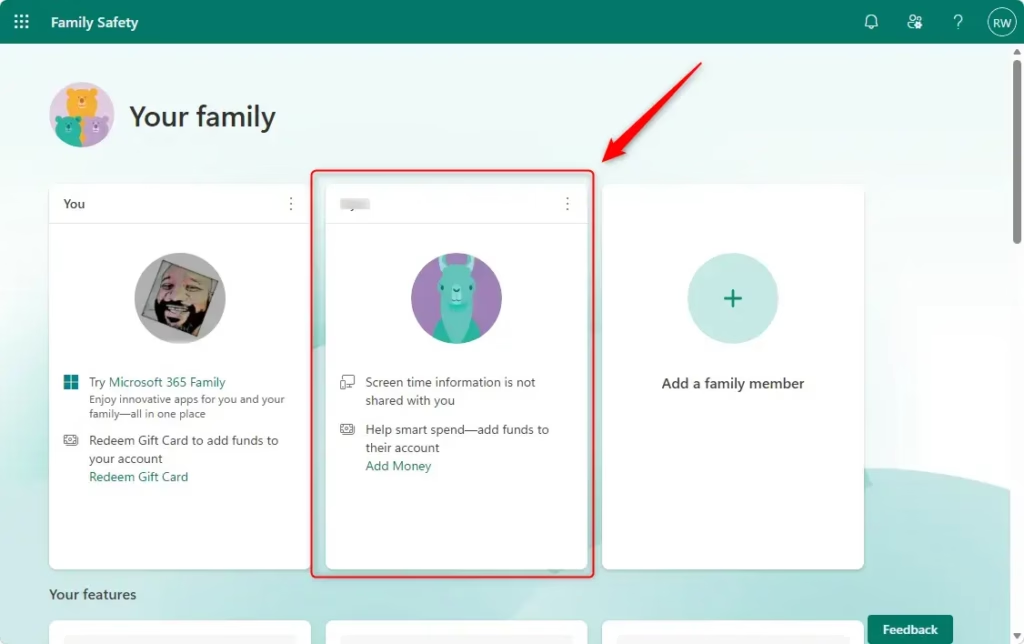
After you sign in, the Family Safety page lists every family member. Each child gets their own settings page, so the rules you set apply only to that child.
- Find your child’s picture or name in the family list.
- Click it to open their settings page.
- Look for the tabs or sections on that page, such as screen time and content filters. The app controls are found here.
If your child isn’t listed, they haven’t been added to your family group yet. Add them first, and they need to accept the invitation before you can manage them.
Choose the Platform
Family Safety manages each device type separately. Blocking an app on a Windows PC does not block the same app on your child's phone, tablet, or linked Xbox, even though they share the same Microsoft Family Safety account. You have to repeat the blocking settings for each device.
A few things to check if a device doesn't show up:
- Your child must be signed in to the device with their own Microsoft account, not a local account or your account.
- On Android, the Microsoft Family Safety app must be installed on the child's device and signed in.
- The device needs an internet connection so it can receive your changes.
Navigate to Apps and Games
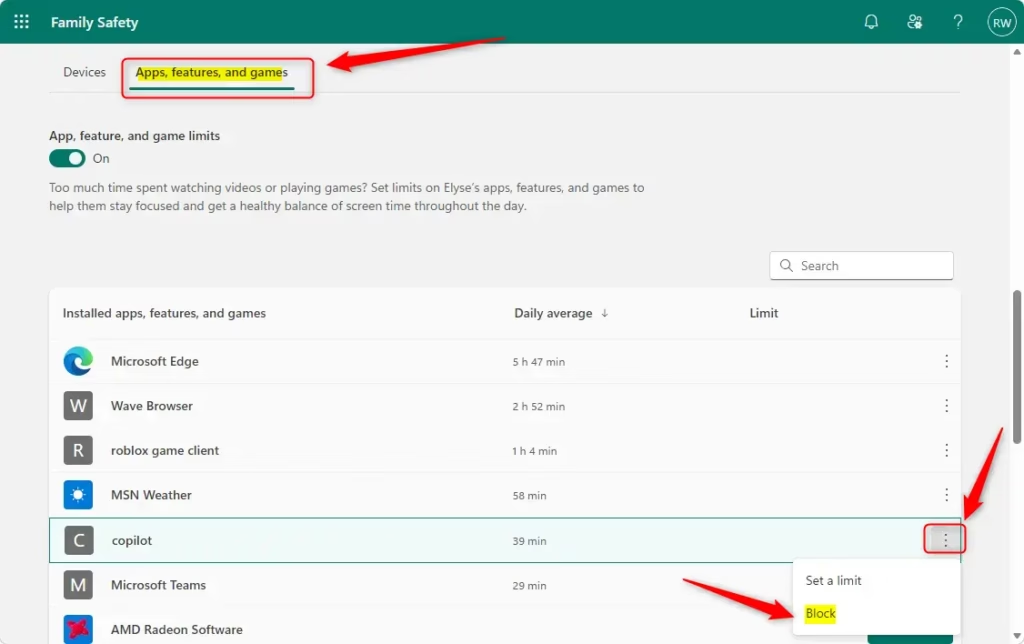
Now open the list of apps for that device. Look for the Apps and games section on your child's settings page. It shows the applications installed or used on the child's device.
- Click Apps and games.
- Check that the device platform shown is the one you want to manage.
- Scroll through the list, or look for the app by name.
If an app is missing, it usually means your child hasn't opened it on that device yet. Apps generally appear only after they have been used, and the list can take a while to update. Ask your child to open the app once, wait a bit, and refresh the page.
Menu names and layout change from time to time, so what you see may differ slightly from this description.
Block an App
Blocking an app stops your child from opening or using that program on the chosen device. To do it:
- Find the app in your list on the family dashboard.
- Click the block option next to it.
- Confirm the choice if you are asked to.
- Check that the app now shows as blocked in the list.
Once you apply the change, the app will not open on that device. Your child sees a message saying they need permission to use it, and they can ask you for it. The block can take a few minutes to reach the device, and the device must be online to get it.
Unblock an App
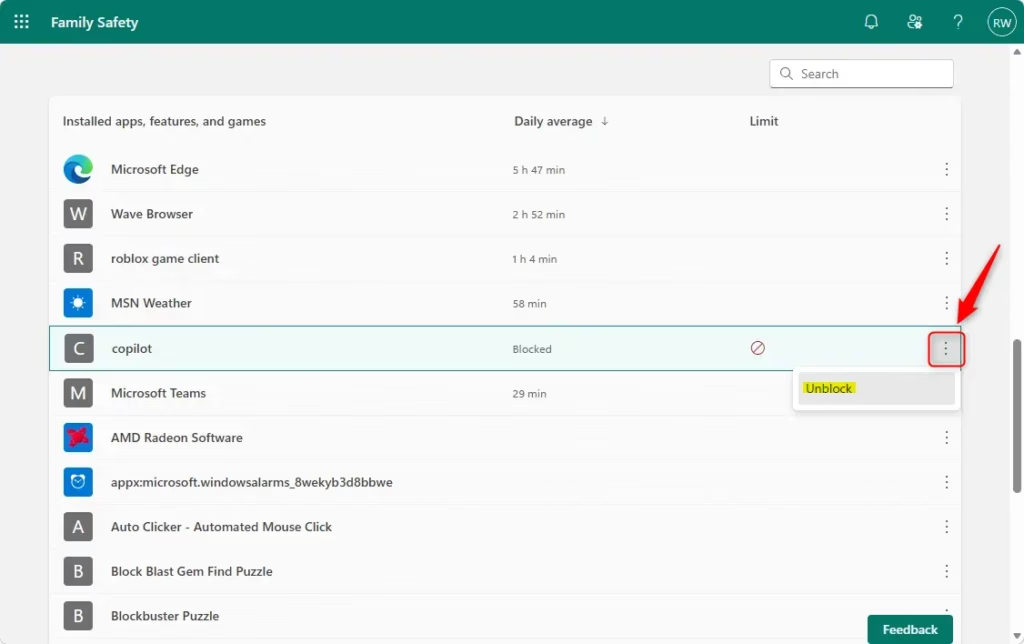
To unblock an app, reverse the process. You can do this at any time, for example if you blocked something by mistake or want to reward good behavior.
- Go back to the app list for your child and the specific platform.
- Find the blocked app.
- Click Unblock next to the app.
- Check that the app no longer shows as blocked.
The app becomes available on that device again after the change syncs. No restart is normally needed.
Reference:
https://support.microsoft.com/en-us/family-safety/block-or-unblock-apps-with-microsoft-family-safety
Summary
Blocking apps is one of the simplest ways to manage screen time and content across different devices. You can block or unblock any app at any time from your organizer dashboard, so you stay flexible about what your child can use.
To recap: blocking an app stops a child from opening or using it on the selected device, and unblocking makes it available again. Remember that each device is managed separately, so check every device your child uses.
Was this guide helpful?

About the Author
Richard
Tech Writer, IT Professional
Richard is a writer at Geek Rewind who turns complex IT tasks into clear, step-by-step guides. He draws on years of hands-on experience in system administration and enterprise IT operations, focusing on Windows, Linux and WordPress: the problems people actually run into, and the fixes that work. His server and WordPress guides come from systems he runs himself. Richard builds and maintains the platform behind Geek Rewind, from its Ubuntu servers and Nginx configuration to its custom WordPress plugins. Many new tutorials start with readers' questions, and he's always glad to answer them in the comments.




No comments yet — be the first to share your thoughts!