How to Create Virtual Desktops in Windows 11

You can create and manage virtual desktops in Windows 11 to organize your open applications and improve workflow.
Virtual desktops act as separate, distinct workspaces on your PC, allowing you to group related programs together without cluttering your main screen.
For instance, you might dedicate one virtual desktop solely to your work projects and another to entertainment or browsing. This feature is built directly into Windows 11, accessible via the Task View button.
This capability helps you switch between different contexts with a single click, boosting productivity and reducing digital clutter.
How to Create Virtual Desktops in Windows 11
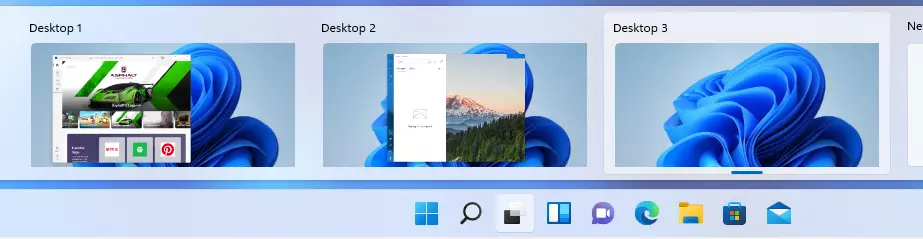
You can create virtual desktops using the Taskbar or your keyboard. Task View is the main tool for this.
Using Keyboard Shortcuts
The fastest way to create a new workspace is by using your keyboard. Press Windows + Ctrl + D to instantly add a new desktop.
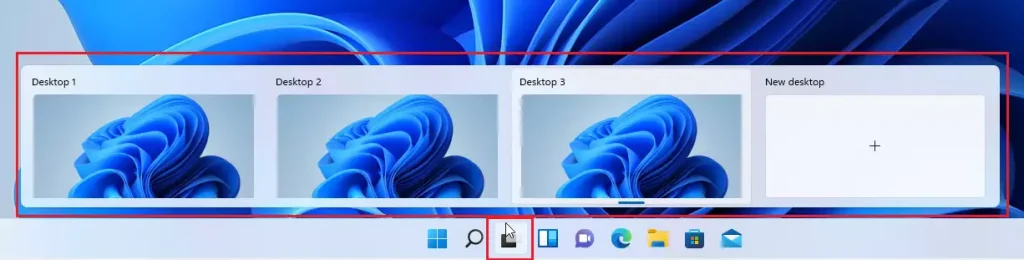
Using the Taskbar
Click the Task View icon on your Taskbar. It looks like two overlapping squares. Click the + New desktop button to add more.
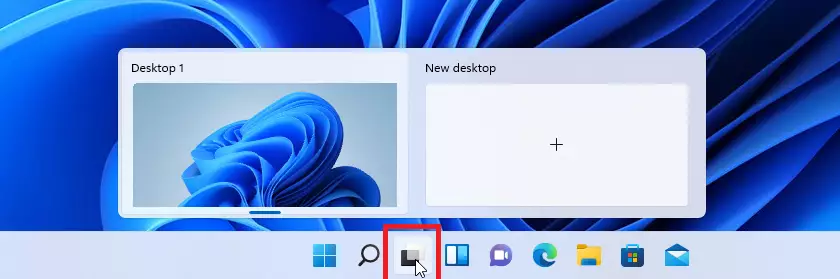
Managing Your Virtual Desktops
You can customize your desktops to make them easier to identify.
Renaming and Backgrounds
Right-click on a desktop in the Task View to rename it. You can also right-click to choose a different background for each desktop. This helps you visually distinguish between your work and home workspaces.
Moving Windows Between Desktops
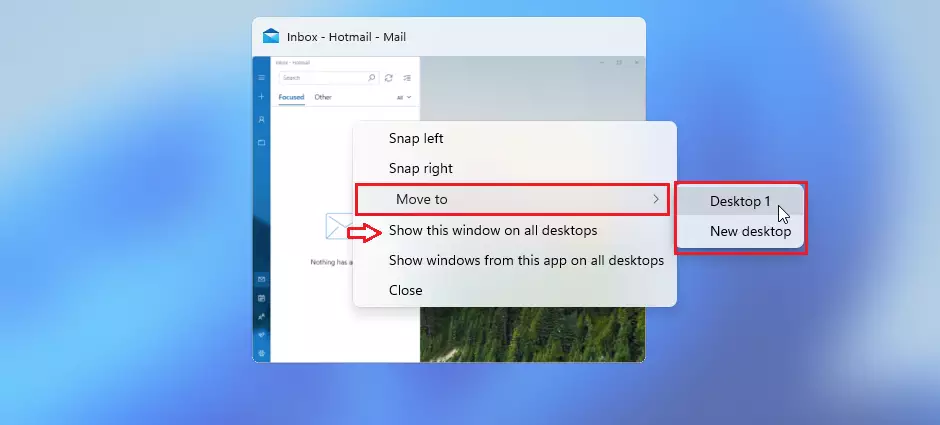
Need to move an app? Open Task View, right-click the window you want to move, and select Move to. Choose the desktop where you want the app to go.
Essential Keyboard Shortcuts
| Action | Shortcut |
|---|---|
| Open Task View | Windows + Tab |
| Create New Desktop | Windows + Ctrl + D |
| Switch to Next Desktop | Windows + Ctrl + Right Arrow |
| Switch to Previous Desktop | Windows + Ctrl + Left Arrow |
| Close Current Desktop | Windows + Ctrl + F4 |
Summary
Virtual desktops are a powerful way to organize your digital life. By using Task View and keyboard shortcuts, you can keep your work and personal tasks separate. Remember that these desktops reset after a restart, so use them to manage your current active projects. This simple feature helps you stay focused and reduces screen clutter effectively.
How do I delete a virtual desktop in Windows 11?
To delete a desktop, open Task View by pressing Windows + Tab. Hover your mouse over the desktop you want to remove and click the X icon in the top right corner. Any open windows on that desktop will automatically move to the next available desktop so you do not lose your work.
Can I have different wallpapers for each virtual desktop?
Yes. Open Task View, right-click on the thumbnail of the desktop you want to change, and select Choose background. This allows you to set a unique image for each workspace, making it much easier to tell your different desktops apart at a glance while you are multitasking.
Do virtual desktops persist after a restart?
No, virtual desktops do not persist after a restart. When you shut down or restart your computer, all virtual desktops are closed. You will need to recreate your workspaces and reopen your applications when you log back in. This ensures a fresh start for your system every time you boot up.
How many virtual desktops can I create?
Windows 11 does not have a strict limit on the number of virtual desktops you can create. You can add as many as your computer’s memory and performance allow. However, creating too many may make it difficult to navigate, so it is best to stick to a manageable number for your workflow.
Was this guide helpful?

About the Author
Richard
Tech Writer, IT Professional
Richard, a writer for Geek Rewind, is a tech enthusiast who loves breaking down complex IT topics into simple, easy-to-understand ideas. With years of hands-on experience in system administration and enterprise IT operations, he’s developed a knack for offering practical tips and solutions. Richard aims to make technology more accessible and actionable. He's deeply committed to the Geek Rewind community, always ready to answer questions and engage in discussions.



[…] We recently published a post explaining Task View and how to utilize it in Windows 11. You can read that post here. […]
[…] Task View feature in Windows is a manager that lets you switch between apps on multiple desktops. Why use […]