What Happens When You Enable Windows 11 Compression

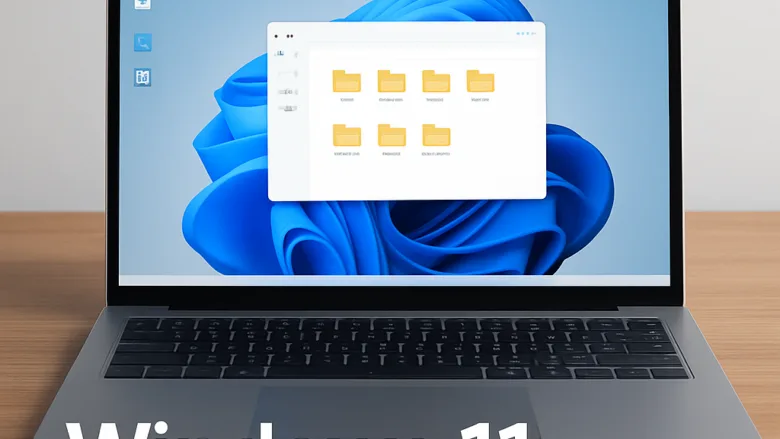
Windows 11 compression shrinks the size of files and folders automatically to free up disk space without deleting your data. This built-in feature uses a file system tool called NTFS compression to reduce the footprint of files that sit idle, and then expands them back to normal the moment you open them.
Turning on compression saves gigabytes of storage space on your 📁C:\
When you enable Windows 11 compression, the operating system automatically shrinks the size of your files and folders to free up storage space on your hard drive. Behind the scenes, your computer packs and unpacks this data as needed, which can save valuable space but may cause slower performance.
What Is 🪟 Windows 11 Compression and How Does It Work?
Windows 11 compression is a built-in operating system tool that shrinks files and folders to save storage space on your computer. It works by finding repeating patterns of data and encoding them into a smaller size. When you open a compressed file, your computer automatically unpacks the data in the background so you can view and use it normally without extra steps.
The Windows 11 compression tool creates a short shortcut code instead of writing out every single repeating pattern to save storage space. Think of the Windows 11 compression tool like packing a suitcase, because when you roll your clothes tightly instead of throwing them in flat, you can fit a lot more inside. When your computer needs to open a compressed file, the Windows 11 operating system quickly unpacks the data in a split second. Windows 11 uses a system technology called CompactOS and NTFS compression to handle this process automatically in the background.
The Main Benefits of Enabling 🪟 Windows 11 Compression
The main benefits of enabling Windows 11 compression include freeing up valuable storage space on your hard drive without buying new hardware and helping you avoid the cost of an external drive. Compressing files you rarely use lets you keep more photos, games, and important documents on your computer while keeping your system organized.
- Free Up Valuable Storage Space: The biggest benefit is gaining extra gigabytes of room. You can store more photos, games, and documents without deleting your favorite memories.
- Save Money: You do not need to spend money on external hard drives, cloud storage subscriptions, or new internal hardware right away.
- Keep Your Files Safe: The compression process does not change the content of your files. Your documents, pictures, and programs remain exactly the same once you open them.
- Built Right In: You do not need to download sketchy third-party software from the internet. The tool comes pre-installed with your Windows 11 operating system.
The Potential Drawbacks: What Are the Risks?
The potential drawbacks of Windows 11 compression include slower computer performance because your processor has to work harder to pack and unpack data every time you open a file. This extra processing work can cause noticeable slowdowns, especially on older or budget computers that already struggle with everyday tasks.
- Slower Performance: Your computer's processor has to work harder. Every time you open or save a compressed file, your processor must unpack or pack the data. On older or slower computers, this can cause a noticeable drop in speed.
- Not All Files Compress Equally: Files like plain text documents and spreadsheets shrink down significantly. However, files that are already compressed—such as JPEG photos, MP3 music files, and ZIP archives—will hardly shrink at all. You might waste processor effort for very little storage gain.
- Potential Issues with Backups and Recovery: Highly compressed system files can sometimes complicate advanced system backups or recovery tasks if your computer runs into serious trouble.
How to Enable Compression on 🪟 Windows 11 (Step-by-Step)
If you decide that you want to try compression, you can apply it to a single folder, a group of folders, or your entire hard drive. Follow these simple steps to turn on compression safely.
Method 1Compressing a Single Folder or File
Compressing a single folder or file in Windows 11 is a simple way to save space without changing your entire hard drive. You can do this quickly by opening File Explorer, right-clicking the folder you want to shrink, opening its properties menu, and turning on the built-in compression setting.
- Open File Explorer from your taskbar or by pressing the Windows Key and the letter E at the same time.
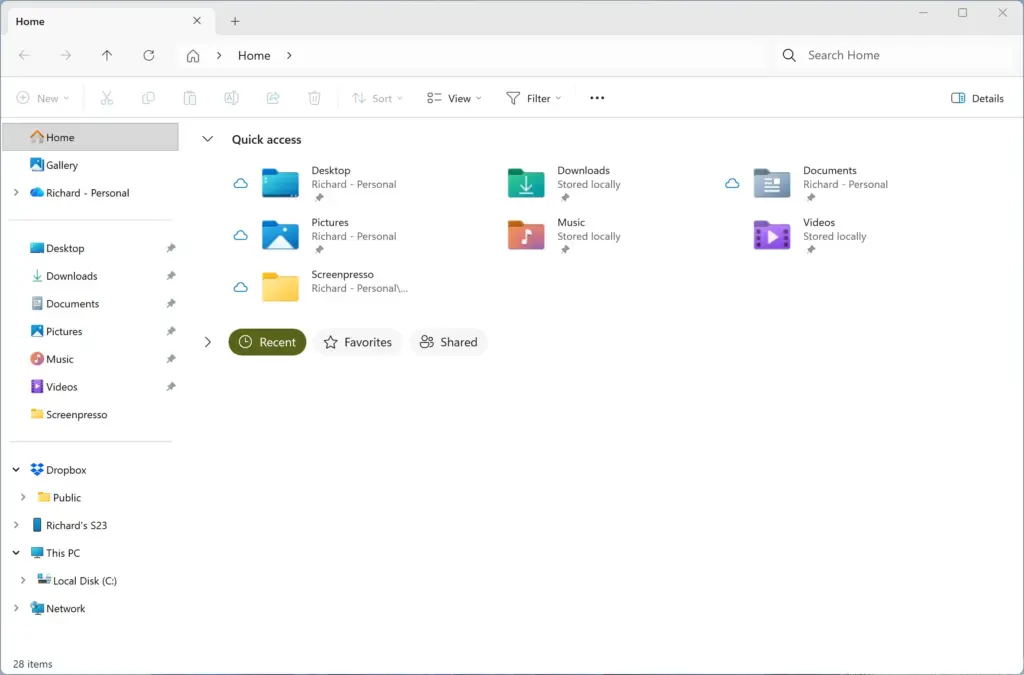
File Explorer - Find the folder you want to compress.
- Right-click on that folder and select Properties from the menu that pops up.
- In the General tab, look near the bottom for a button labeled Advanced... and click it.
- Check the box next to Compress contents to save disk space.
- Click the OK button, and then click Apply.
- A small window will pop up asking if you want to apply this change to just this folder, or to all subfolders and files inside it. Choose the second option to save the most space, then click OK.
Method 2Compressing an Entire Hard Drive (Admin Privileges Required)
You need administrator privileges to complete this process, which involves opening your drive properties in File Explorer and turning on the system-wide compression option.
- Open File Explorer and click on This PC on the left side.
- Right-click your main drive (usually labeled as Local Disk C:) and select Properties.
- Make sure you are on the General tab.
- Look near the bottom of the window for the checkbox that says Compress this drive to save disk space. *(Note: Administrative privileges are required to change this setting).*
- Click the checkbox to select it.
- Click the Apply button at the bottom right.
- Windows will ask you to confirm your choice. Choose the option to apply the changes to the drive, subfolders, and files, then click OK.
Let your computer finish without turning it off.
Unique Angle: How Compression Impacts Modern Solid-State Drives (SSDs)
Modern solid-state drives handle Windows 11 compression much better than older mechanical hard drives because they read and write data significantly faster. Since solid-state drives have no moving parts and use rapid flash memory, the extra processing work required to pack and unpack compressed files usually causes zero noticeable slowdowns.
When you use Windows 11 compression on solid-state drives, the extra processing work required to pack and unpack compressed files is barely noticeable. Modern processors handle these math calculations in under 5 milliseconds. In fact, on systems with slower internal data transfer speeds, file compression can actually improve performance. Reading a smaller compressed file from the storage drive happens faster than reading a massive uncompressed file because moving less data across the internal bus takes less time.
The Windows 11 compression feature brings a specific catch regarding SSD wear and tear. Writing data to a solid-state drive wears down the memory cells over a very long period. While data compression reduces the total amount of written information over time, the process of constantly packing and unpacking files creates extra background write cycles. For daily home users, this drive wear impact is generally very small and nothing to worry about.
Expert Tips: When Should You Use Compression (And When to Avoid It)
Using Windows 11 compression is most effective for archiving old documents, tax records, and files you rarely open, but you should avoid it for photos, videos, and music that are already compressed. Applying compression only to text-heavy folders saves maximum storage space while keeping your most active files running at full speed.
- Compress Archives and Old Records: Apply compression to folders containing old tax documents, school papers, old invoices, and archived projects that you rarely open. You save space on active storage without slowing down your daily workflow.
- Do Not Compress Your Operating System Files Unless Desperate: Compressing the entire C: drive can sometimes cause minor hiccups during major Windows feature updates. If you have plenty of room, leave the core system files alone and only compress large user data folders.
- Skip Media Folders: Do not bother compressing folders filled with movies, MP3 music files, digital camera photos (RAW or JPEG), or downloaded software installation packages. These files are already compressed by their original creators. Forcing Windows to compress them again wastes processor power and yields almost zero space savings.
Summary
Drive compression in Windows 11 is a built-in tool that shrinks your files and folders to free up storage space without requiring new hardware. While drive compression may slightly slow down older computers or offer little benefit for already-compressed files like photos, it works very well on documents and archives.
Was this guide helpful?

About the Author
Richard
Tech Writer, IT Professional
Richard is a writer at Geek Rewind who turns complex IT tasks into clear, step-by-step guides. He draws on years of hands-on experience in system administration and enterprise IT operations, focusing on Windows, Linux and WordPress: the problems people actually run into, and the fixes that work. His server and WordPress guides come from systems he runs himself. Richard builds and maintains the platform behind Geek Rewind, from its Ubuntu servers and Nginx configuration to its custom WordPress plugins. Many new tutorials start with readers' questions, and he's always glad to answer them in the comments.
No comments yet — be the first to share your thoughts!