What Breaks When You Disable the Windows Search Index

- 21 steps
- Needs administrator rights
- Includes a restart or sign-out
Disabling the Windows Search index stops Windows 11 and Windows 10 from tracking your files in the background. That breaks the instant results you get in the taskbar search and in File Explorer. The search index is a hidden database that records the location and some of the contents of your files, so Windows can answer a search in a split second instead of looking through the drive.
Turning off this background tracking saves a little battery and CPU power. The cost is that Windows has to scan your drive from scratch every time you search for documents, photos, or apps. On most PCs that is a bad trade. If your real problem is a busy drive or a slow PC, there are better fixes, covered later in this article.
When you disable the Windows Search index, instant search stops working in the Start menu and taskbar search, and in the File Explorer search box. Windows must scan your drive from scratch for every search, so results take minutes or go missing. Classic Outlook search also slows or fails, and some third-party apps that rely on Windows Search break.
What Breaks When You Disable the Windows Search Index
Turning off the search index causes a chain reaction. Some of the changes are only annoying. Others break how certain programs work. The sections below cover the main things that stop working properly, starting with the most noticeable.
1File Searches Become Extremely Slow
File searches become very slow when you turn off the Windows Search index, because Windows can no longer use its saved list of file locations. Instead of showing results at once, it has to read through your storage drives in real time.
If you have thousands of photos, music files, and work documents, a search can take several minutes. Sometimes it may not find the file at all, especially if the file is buried deep inside a system folder. The larger and slower the drive, the worse this gets. A traditional hard drive suffers far more than an SSD.
2Start Menu Search Stops Working Correctly
Start menu search becomes slow and unreliable when you turn off the Windows Search index. Without the index, typing the name of a program, setting, or document in the Start menu no longer gives you instant results.
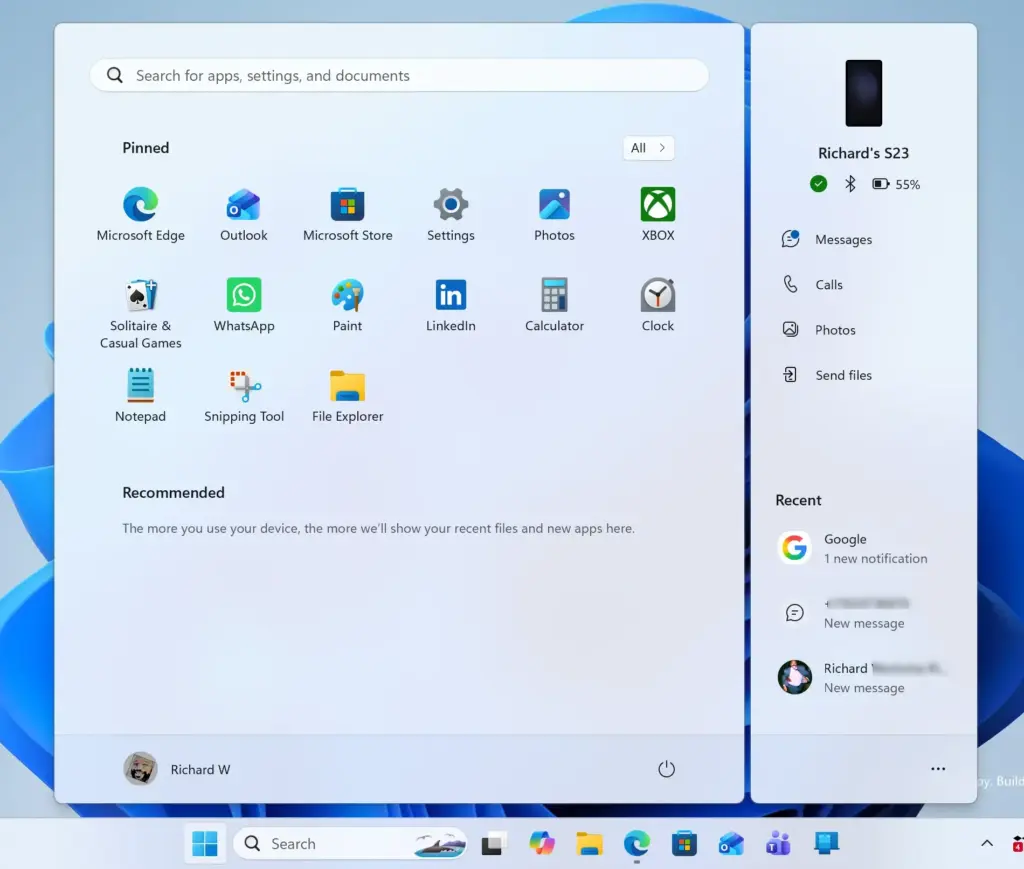
You may notice two things. First, search may fail to find apps you installed recently. Second, it may miss system settings entirely. You then have to click through the Settings app by hand to find the option you want. This is the first thing most people notice, because they use Start search many times a day.
3File Explorer Search Loses Power
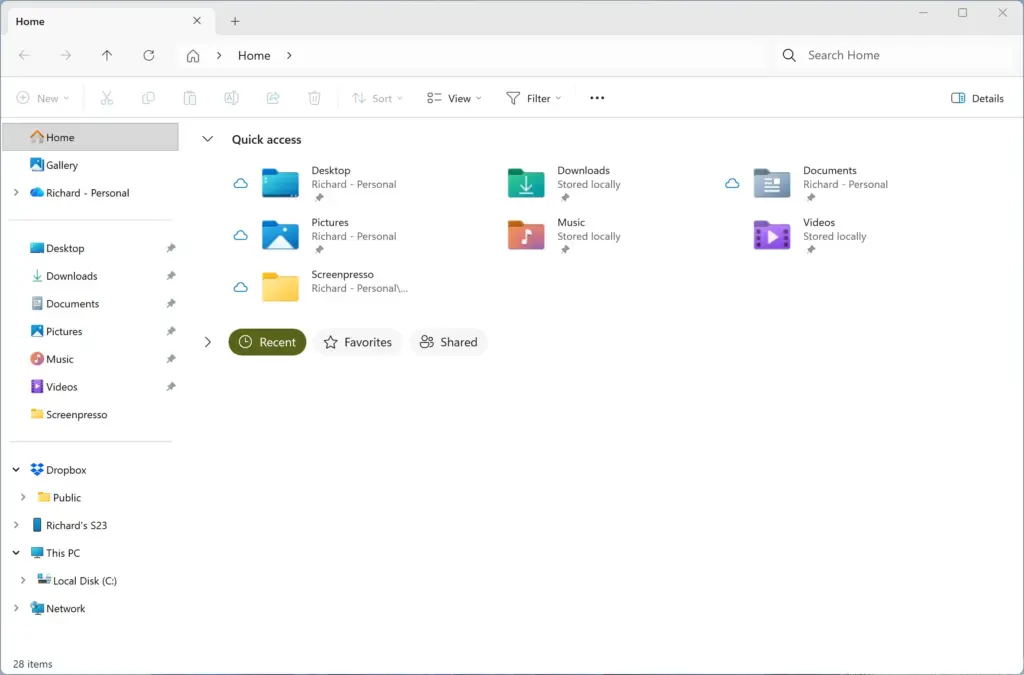
File Explorer search loses a lot of power when you turn off the Windows Search index, because it can no longer look at words inside your documents. Normally the index lets Windows search the text inside files, not just their titles. Without it, the search box in the top right corner of File Explorer can only match the file name.
Even a file name search gets slower. Windows searches your folders one by one, and you will see a green progress bar crawl across the address bar at the top of the window while it works. If you often search for a phrase you remember from inside a document, you will miss the index quickly.
4Microsoft Outlook Search Breaks
Microsoft Outlook search breaks if you turn off the Windows Search index while you use the classic desktop version of Outlook. The classic app relies on the Windows search system to find old emails, attachments, contacts, and calendar events quickly. When the index is off, Outlook shows warning messages and struggles to find your messages.
The warning tells you that search performance will be slow. If you search for an email from last week, Outlook may fail to find it. Or it may search your mailbox very slowly, message by message. For people who get a lot of email, this makes finding important messages almost impossible.
5Third-Party Apps That Rely on Windows Search Fail
Third-party apps that rely on Windows search fail when you turn off the Windows Search index, including on Windows 10 version 22H2. Many productivity programs use this built-in system behind the scenes. Apps that launch programs quickly, organize notes, or manage documents often ask Windows for search results instead of building their own search tools.
When the index is off, these apps either stop finding your files or throw error messages. Your favorite productivity tools may suddenly feel broken or useless. The app is not at fault in that case. It is waiting on a service you switched off. If an app starts misbehaving right after you change this setting, check the Windows Search service first.
How to Turn Off the Windows Search Index
To turn off the Windows Search index, you need an administrator account and the Services app. This works on both Home and Pro editions of Windows 10 and Windows 11. The steps below change the startup type of the Windows Search service, which stops indexing completely.
- Click the Start button and type Services in the search box.
- Click the Services app with the gear icon. A list of Windows services opens.
- Scroll down the list until you find the service named Windows Search.
- Right-click Windows Search and select Properties. A properties window opens on the General tab.
- Find the setting named Startup type.
- Click the menu next to it and choose Disabled.
- Click the Stop button to stop the service right now. The service status should change to Stopped.
- Click Apply, then click OK to save your changes.
If the options are greyed out, you are not signed in with an administrator account. Setting the startup type to Disabled keeps the service off after a restart. To undo this, see the last section of this article.
Alternative Solutions Instead of Disabling Search
Two good options are rebuilding the search index and running the built-in troubleshooter. In Windows 11, open Settings System Troubleshoot Other troubleshooters and run Search and Indexing. It checks for common problems, such as search results not showing or the index not working. Try it before you switch anything off.
Limit Where Windows Looks
By default, Windows indexes large system folders and program files that you never search through. Choosing specific folders can speed up your system and quiet a busy drive, and you keep fast search where you need it.
- Click the Start button, type Indexing Options, then open it. The Indexing Options window shows which locations are included and how many items are indexed.
- Click the Modify button.
- A window opens showing the folders on your computer. Uncheck the boxes next to folders you do not care about, such as Program Files or system drives.
- Click OK to save your changes. Windows updates the index in the background, and you do not need to restart.
To undo this, open the same window and tick the folders again.
Rebuild a Broken Index
If your computer is slow because the index is damaged, turning search off is not the fix. Rebuild the index instead. This deletes the old, messy index and builds a fresh, clean one.
- Click the Start button, type Indexing Options, then open it.
- Click the Advanced button. You may need administrator permission.
- Under Troubleshooting, click Rebuild.
- Click OK when Windows warns that the rebuild may take a long time to finish.
Search results may be incomplete while the rebuild runs. On a PC with a lot of files, it can take hours. Leave the PC on and let it finish.
Summary
To restore normal search speed and app performance, turn the service back on. Restart afterwards so everything that depends on search picks it up again.
- Open the Services app and find Windows Search.
- Right-click it and select Properties.
- Set Startup type back to Automatic. The default on most installations is Automatic (Delayed Start), which also works.
- Click Start to run the service now, then click Apply and OK.
- Restart your PC.
After the restart, Windows rebuilds whatever the index missed while it was off. Search may be slow or incomplete for a while until that finishes.
Have a question about this guide?
Answered by AI from this guide. Good questions may be added to this page — please don't include personal details.
Did this guide fix your problem?

About the Author
Richard
Tech Writer, IT Professional
Richard is a writer at Geek Rewind who turns complex IT tasks into clear, step-by-step guides. He draws on years of hands-on experience in system administration and enterprise IT operations, focusing on Windows, Linux and WordPress: the problems people actually run into, and the fixes that work. His server and WordPress guides come from systems he runs himself. Richard builds and maintains the platform behind Geek Rewind, from its Ubuntu servers and Nginx configuration to its custom WordPress plugins. Many new tutorials start with readers' questions, and he's always glad to answer them in the comments.
No comments yet — be the first to share your thoughts!