How to Turn On or Off Notification when Turn on Sticky, Filter, or Toggle keys from Keyboard in Windows 11

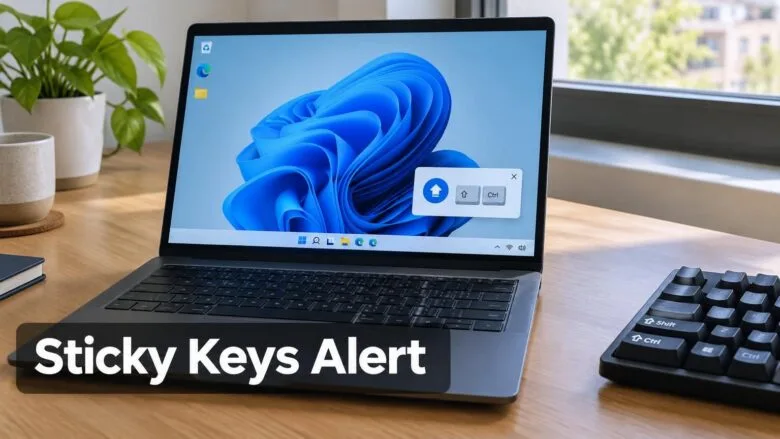
Windows shows a warning when you turn on Sticky keys, Filter keys, or Toggle keys with a keyboard shortcut. You can turn that notification on or off for your account in Windows 11.
- Sticky keys let you press shortcuts that use several keys (such as Ctrl+S) one key at a time.
- Filter keys is an Accessibility option that controls how fast a held key repeats (the keyboard repeat rate) and ignores repeated key presses.
- Toggle keys plays a tone when you press Caps⇩, Num Lock, or Scroll Lock.
Windows turns the warning on by default.
Windows Insider Program members (people who test preview versions of Windows) on build 26340.9882 (Experimental 26H2), build 26320.9876 (Beta 26H2), build 26200.10066 (RP 25H2), or build 26300.10066 (RP 26H2) and later get an extra option, which is described below. If you trigger the Sticky Keys, Filter Keys, or Toggle Keys shortcut by accident, you can turn the feature off directly from the notification prompt.
Open Settings (Win+I), click Accessibility, then click Keyboard. Expand Notification preferences and clear “Notify me when I turn on Sticky, Filter, or Toggle keys from the keyboard” to turn off the warning, or select it to turn the warning back on, which is the default. The change applies to your account only and takes effect immediately.
Option One
Turn On or Off Sticky, Filter, or Toggle keys Notification in Settings
Use this method if you prefer the Settings app.
- Open Settings (Win+I).
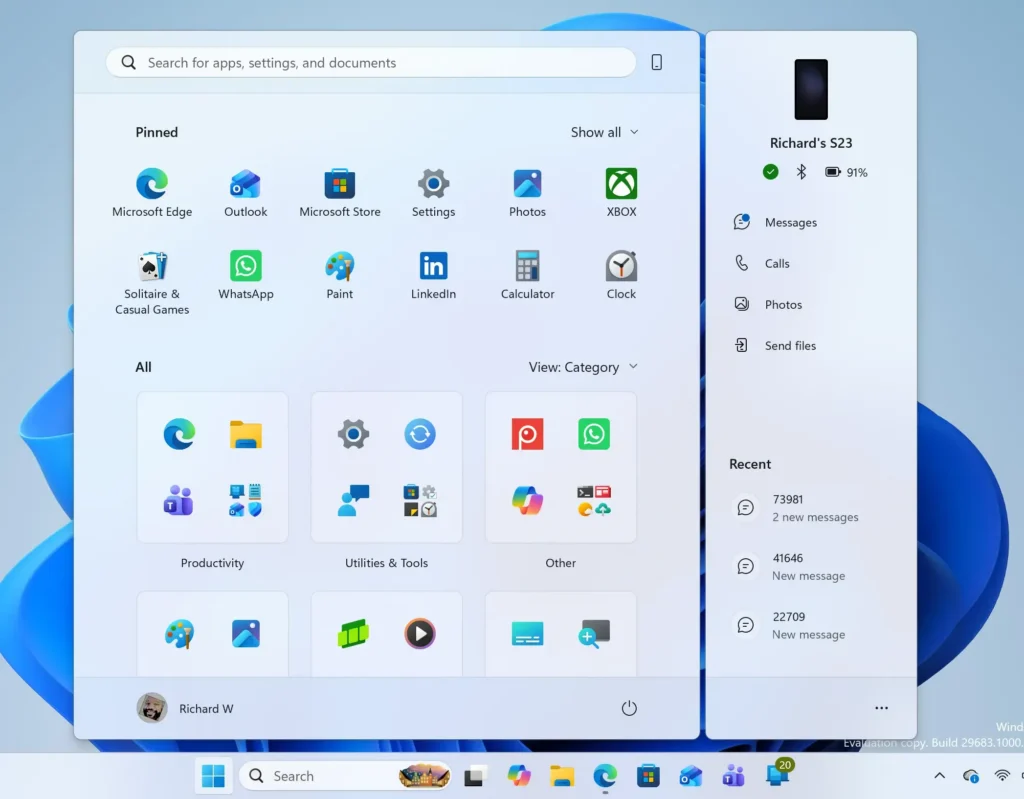
Windows 11 Start menu search panel for opening OpenSSH Client settings - Click Accessibility on the left side, then click Keyboard on the right side.
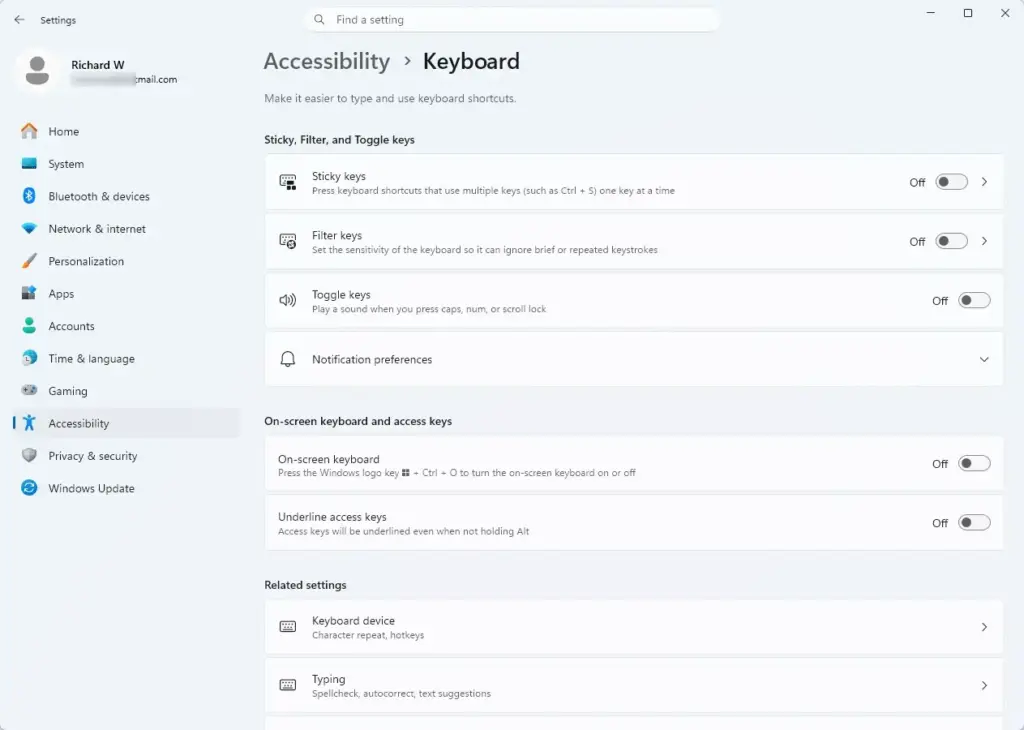
Settings › Accessibility › Keyboard - Click Notification preferences to expand it.
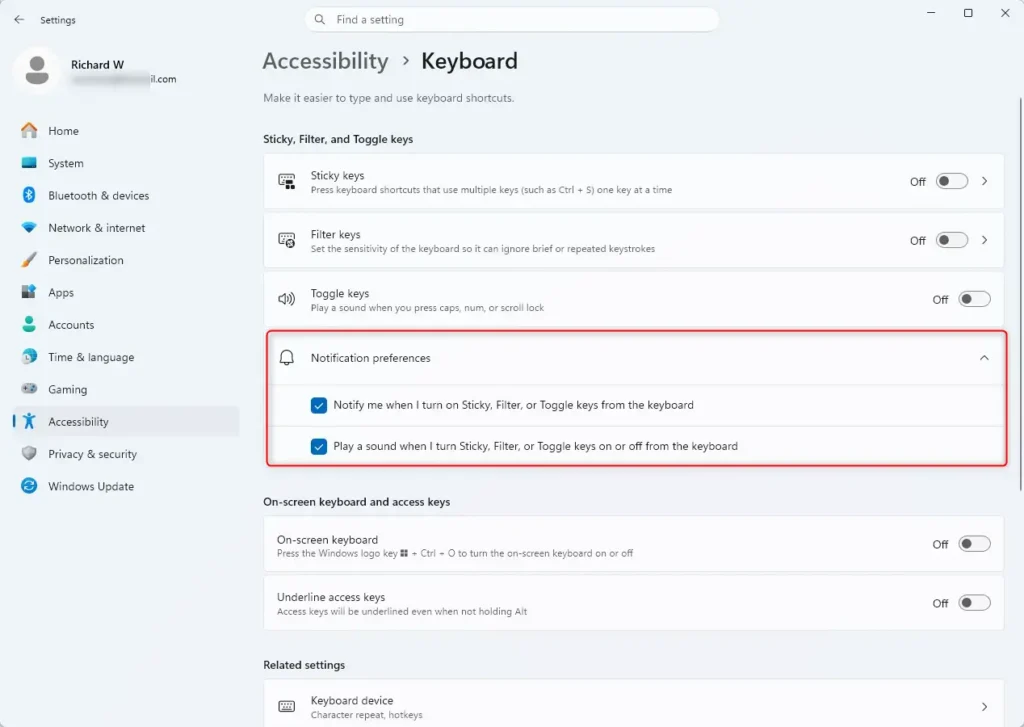
Settings > Accessibility > Keyboard - Select Notify me when I turn on Sticky, Filter, or Toggle keys from the keyboard to turn the warning on (the default), or clear it to turn the warning off.
- Close Settings.
Option Two
Turn On or Off Sticky, Filter, or Toggle keys Notification in Control Panel
This method changes the setting in the classic Ease of Access Center (the older Control Panel page for accessibility settings).
- Open the Control Panel (icons view), then click the Ease of Access Center icon.
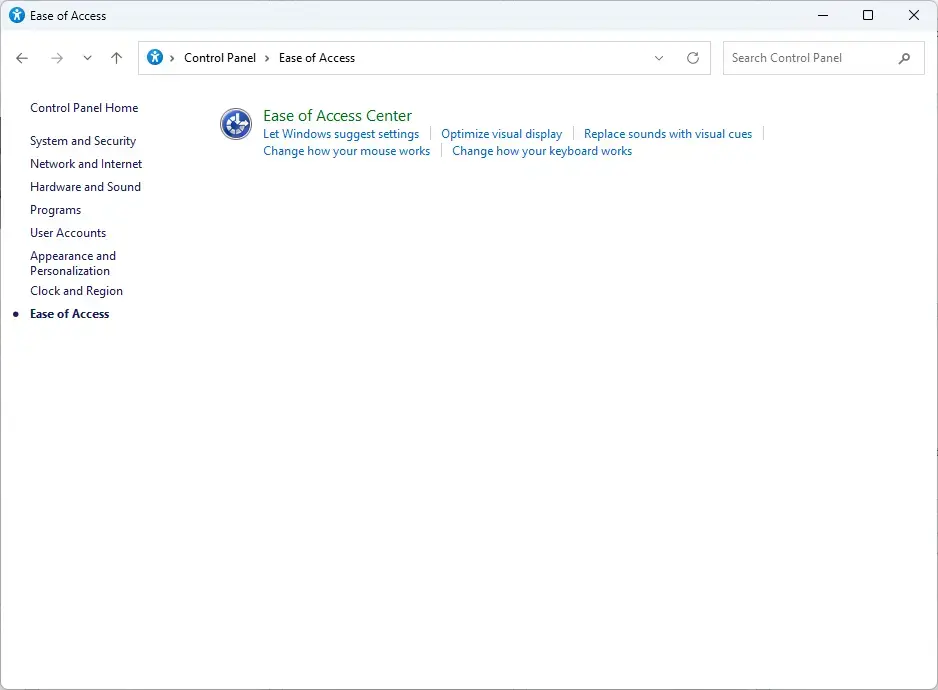
Control Panel › Ease of Access - Click the Make the keyboard easier to use link.
- Click either the Set up Sticky Keys or Set up Filter Keys link.
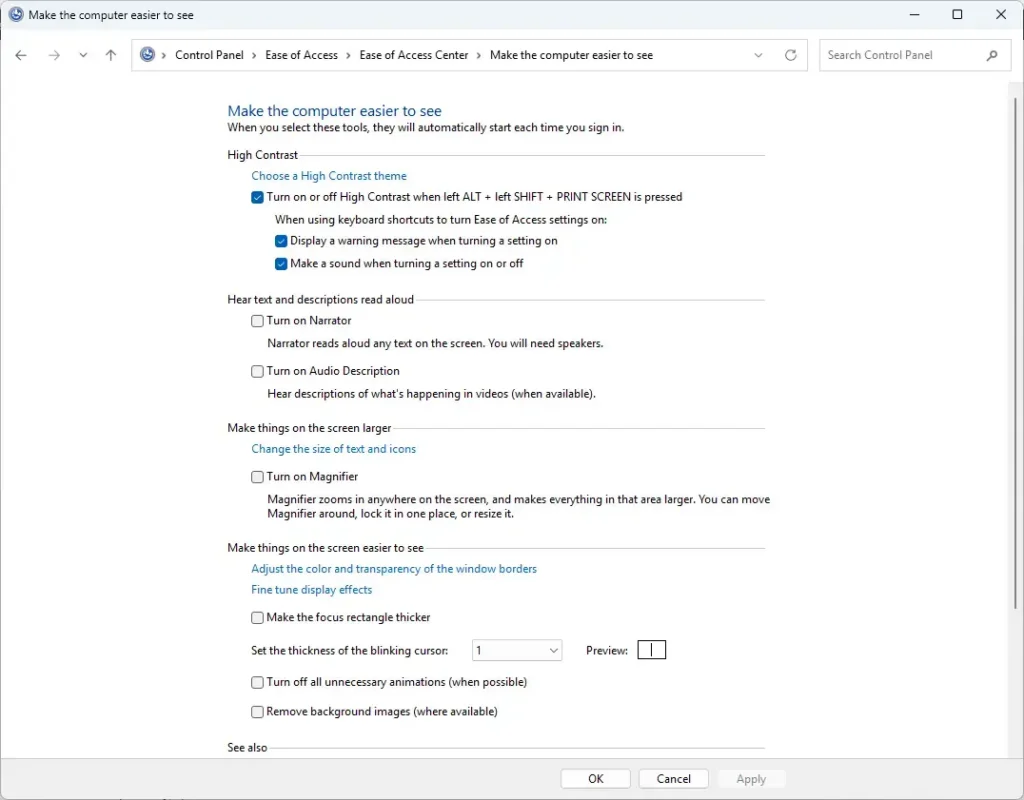
Settings > Accessibility - Under Keyboard shortcut, select Display a warning message when turning a setting on to turn the warning on (the default), or clear it to turn the warning off. Then click OK.
- Close the Control Panel.
Option Three
Turn On or Off Sticky, Filter, or Toggle keys Notification using Registry
Turn On “Notify me when I turn on Sticky, Filter, or Toggle keys from the keyboard”
- Open Registry Editor: press Win+R, type regedit, and press Enter. Select Yes if User Account Control (the Windows prompt that asks you to approve changes) appears. This step needs administrator approval.
- Go to
HKEY_CURRENT_USER\Control Panel\Accessibility. Paste the path into the address bar at the top of Registry Editor and press Enter. - If there is no Accessibility key, right-click Control Panel in the left pane, select New Key, name it Accessibility, and select it. Create any other missing registry key (a folder in the left pane of Registry Editor) in the path the same way.
- Right-click an empty area of the right pane, select New DWORD (32-bit) Value (a setting that stores a number), and name it Warning Sounds. If Warning Sounds is already there, skip this step.
- Double-click Warning Sounds, set Base to Hexadecimal, type 1 in Value data, and select OK.
Turn Off “Notify me when I turn on Sticky, Filter, or Toggle keys from the keyboard”
Follow these steps to stop Windows from showing the warning. They match the Turn On steps except for the last value, which is 0.
- Open Registry Editor: press Win+R, type regedit, and press Enter. Select Yes if User Account Control (the Windows prompt that asks you to approve changes) appears. This step needs administrator approval.
- Go to
HKEY_CURRENT_USER\Control Panel\Accessibility. Paste the path into the address bar at the top of Registry Editor and press Enter. - If there is no Accessibility key, right-click Control Panel in the left pane, select New Key, name it Accessibility, and select it. Create any other missing registry key (a folder in the left pane of Registry Editor) in the path the same way.
- Right-click an empty area of the right pane, select New DWORD (32-bit) Value (a setting that stores a number), and name it Warning Sounds. If Warning Sounds is already there, skip this step.
- Double-click Warning Sounds, set Base to Hexadecimal, type 0 in Value data, and select OK.
What to do next
The next time you trigger the Sticky, Filter, or Toggle keys shortcut, Windows shows the warning if you turned it on and stays silent if you turned it off. To undo the change, repeat any option above and choose the opposite setting.
Frequently asked questions
How to use sticky notes on 🪟 Windows 11?
Open the Start menu, type Sticky Notes, and select the app. Click the plus (+) icon at the top to create a new note, then type your text. Windows saves your notes automatically, so you can close the app without losing them. Each note stays on your desktop until you delete it.
How to get help in 🪟 Windows 11 keyboard sound?
Windows plays a tone when you press Caps⇩, Num Lock, or Scroll Lock only if Toggle keys is turned on. To change this, open Settings, go to Accessibility, then Keyboard, and switch Toggle keys on or off. For other sound problems, open the Get Help app from the Start menu.
How to turn off daylight saving on 🪟 Windows 11?
Open Settings, go to Time & language, then Date & time, and turn off Adjust for daylight saving time automatically. Your clock will stay on the same time all year, so you may need to change it by hand in spring and fall. You can turn the setting back on at any time.
How to set up the Windows keyboard for 🪟 Windows 11 for english?
Open Settings, go to Time & language, then Language & region. Select English, open its Language options, and choose Add a keyboard. Pick the layout you use, such as US, and set it as the default. Windows will then type English characters with that layout.
How do I make my keyboard bigger I cannot see it on laptop 🪟 Windows 11 10?
Physical keys on a laptop cannot be enlarged, but you can make the on-screen keyboard bigger. Press Win+Ctrl+O to open it, then drag its corner or edge to resize it. To make text on screen easier to read, go to Settings, Accessibility, then Text size.
How to turn off sticky keys?
Open Settings, go to Accessibility, then Keyboard, and switch Sticky keys off. You can also press Shift five times to open the prompt, then select No to turn it off. Turning off the shortcut does not change the setting itself, so check Settings if it keeps returning.
Still have a question?
Answered by AI from this guide. Good questions may be added to this page — please don't include personal details.
Did this guide fix your problem?

About the Author
Richard
Tech Writer, IT Professional
Richard is a writer at Geek Rewind who turns complex IT tasks into clear, step-by-step guides. He draws on years of hands-on experience in system administration and enterprise IT operations, focusing on Windows, Linux and WordPress: the problems people actually run into, and the fixes that work. His server and WordPress guides come from systems he runs himself. Richard builds and maintains the platform behind Geek Rewind, from its Ubuntu servers and Nginx configuration to its custom WordPress plugins. Many new tutorials start with readers' questions, and he's always glad to answer them in the comments.
No comments yet — be the first to share your thoughts!