How to Reset Windows 11 PC

Resetting your Windows 11 PC is a great way to fix performance issues or start fresh. This guide walks you through the process. You can choose to remove everything or keep your files.
Go to Settings > System > Recovery and click Reset PC. You can then choose to keep your files or remove everything.
Why Reset 🪟 Windows 11?
You should reset Windows 11 when your PC isn’t working well. This is especially helpful if your PC has been acting up after installing new apps, drivers (software that helps hardware communicate with Windows), or updates.
What Happens When You Reset?
Resetting reinstalls Windows 11 completely. You get to choose whether to keep your files or remove them. Then Windows installs fresh on your PC.
Reset Options Explained
When you reset Windows 11, you have two main choices: keep your personal files or remove everything. Both options reinstall Windows 11, but they differ in what gets deleted and what stays.
- Reinstalls Windows 11
- Keeps all your accounts and personal files in 📁C:\Users
- Removes apps and drivers you installed
- Removes changes you made to settings
- Restores apps your PC manufacturer installed
Keep my files with preinstalled apps OFF:
- Reinstalls Windows 11
- Keeps all your accounts and personal files in 📁C:\Users
- Removes apps and drivers you installed
- Removes changes you made to settings
- Removes apps your PC manufacturer installed
Remove everything:
- Reinstalls Windows 11
- Removes all your accounts and personal files
- Removes apps and drivers you installed
- Removes changes you made to settings
- Removes any apps your PC manufacturer installed (If your PC came with Windows 10, those apps will be reinstalled)
Data Erasure Options:
Data erasure ON: This option removes files and thoroughly cleans the drive. It’s the best choice if you’re donating, recycling, or selling your PC. While it takes an hour or two, it makes recovering your files much harder for anyone else.
Data erasure OFF removes files but doesn’t clean the drive. It takes less time but is less secure.
Important Notes Before You Start
Before you reset Windows 11, remember that you can’t do it from Safe Mode. Also, if you use a Microsoft account, OneDrive might back up your files automatically, so consider setting up a local account or stopping the backup.
If you set up a Microsoft account during Windows Setup, it will link to OneDrive to back up and sync your files by default. You can set up a local account instead to avoid this. Or, you can stop the backup and sync when installation finishes.
A folder called $SysReset is created when you reset. It contains a log folder that might help troubleshoot reset problems. You can safely delete the $SysReset folder when you’re done.
Option 1Reset From Advanced Startup at Boot
Reinstall Windows | Microsoft Support
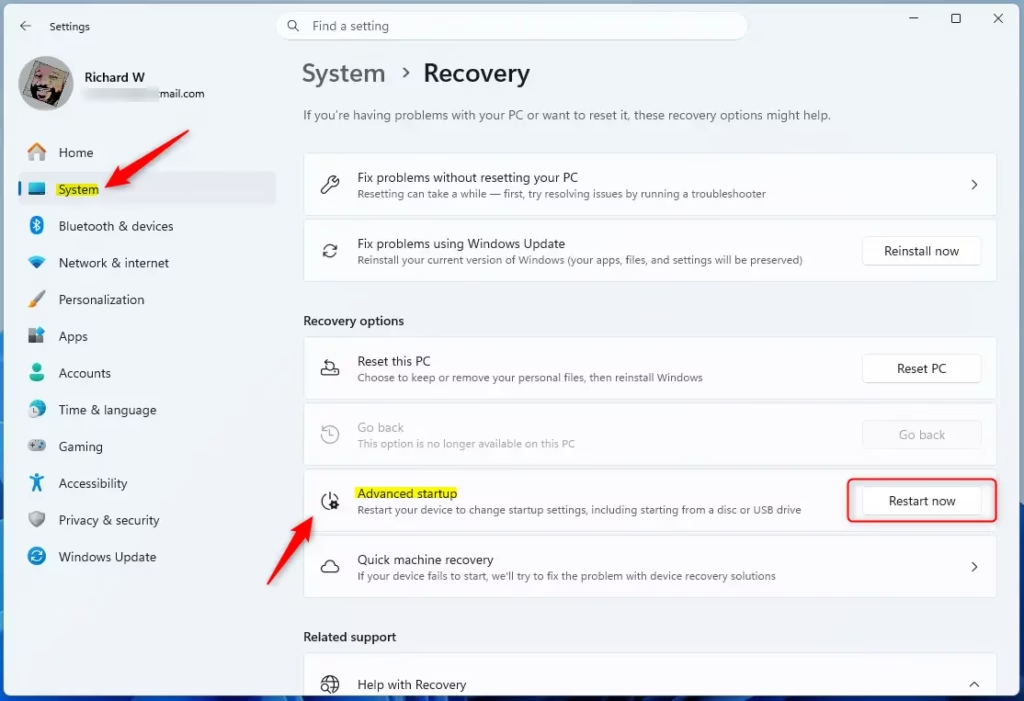
Step 1: Boot to Advanced Startup
Step 2: Click Troubleshoot
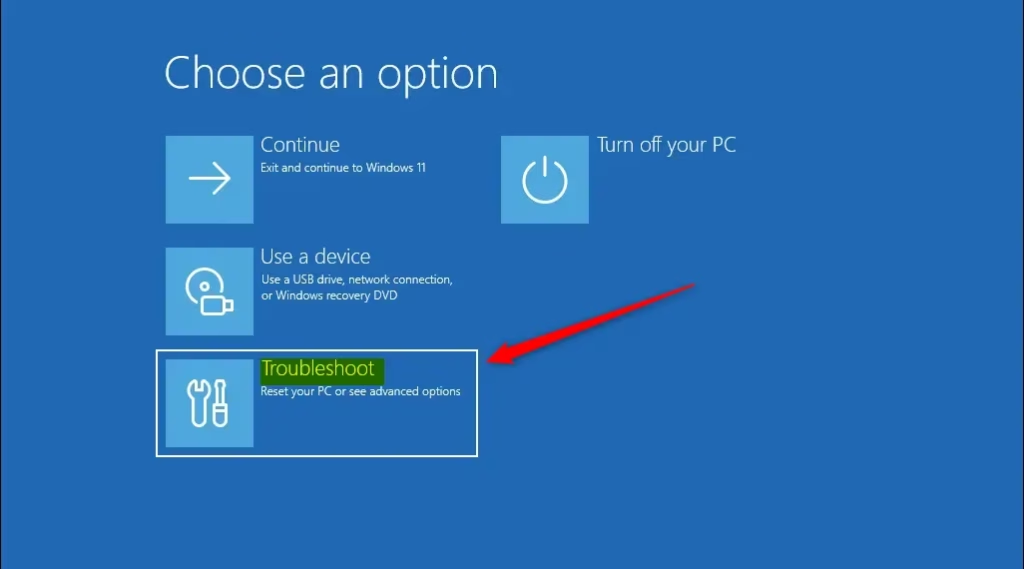
Step 3: Click Reset this PC
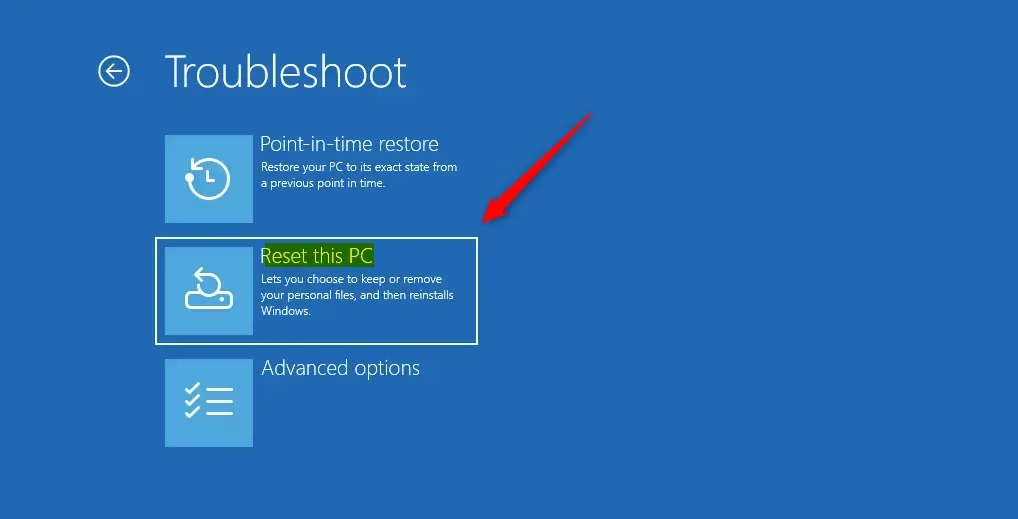
Step 4: Go to the section below that matches what you want to do: “Keep my files” (Step 5) or “Remove everything” (Step 6).
Reset 🪟 Windows 11 and Keep My Files
To reset Windows 11 while keeping your personal files, you’ll first click ‘Keep my files’ in the reset options. Then, you’ll choose between a ‘Cloud download’ or ‘Local reinstall’ to tell Windows how to reinstall itself.
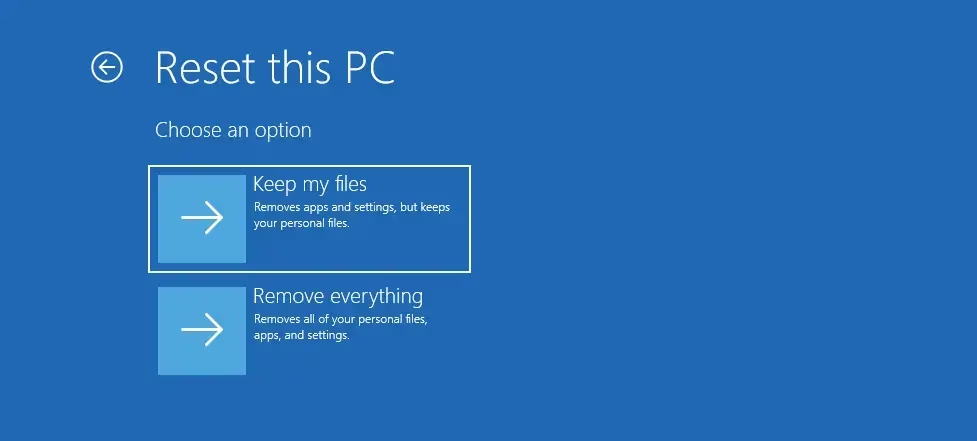
Step 5B: Choose your reinstall method
Click Cloud download or Local reinstall (recommended). This tells Windows how to reinstall.
You can use the Cloud download option if you’re connected to the internet. Windows will download fresh files instead of relying on existing ones on your PC. This often leads to a more reliable and sometimes faster reset. It used to require creating a USB stick, but now it’s built right in.
Local reinstall uses the recovery image by default to reset your PC.
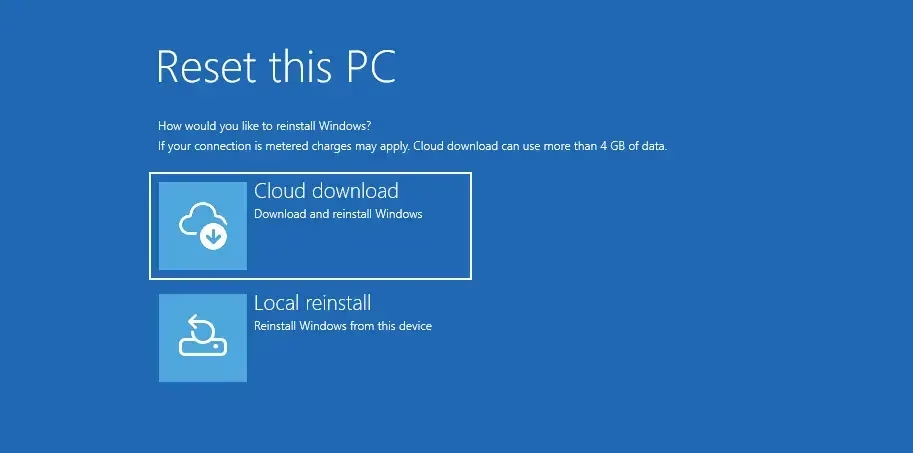
Step 5C: Click Reset when ready
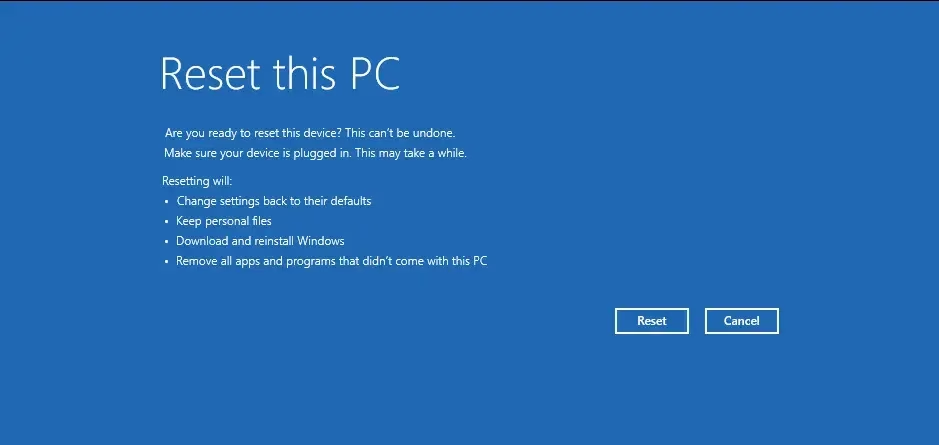
Step 5D: Wait for reset to finish
Resetting Windows 11 will start now. This takes a while. Your PC will restart several times during the process.
Step 5E: Sign in when done
When resetting finishes, dismiss the lock screen and sign in to Windows 11.
A file called Removed Apps.html will be saved on your desktop. It shows all apps that were removed by the reset.
Reset 🪟 Windows 11 and Remove Everything
If you want to reset Windows 11 and remove all your personal files and apps, start by clicking ‘Remove everything’. Next, you’ll select your reinstall method: ‘Cloud download’ or ‘Local reinstall’.
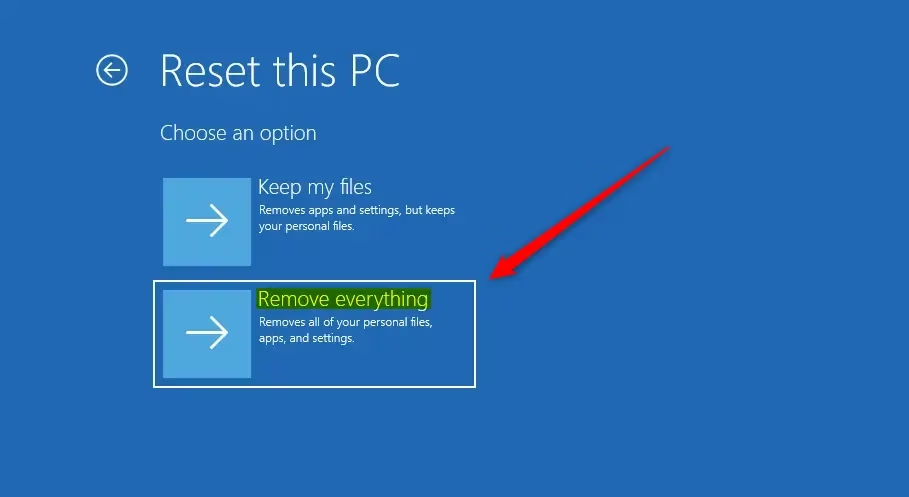
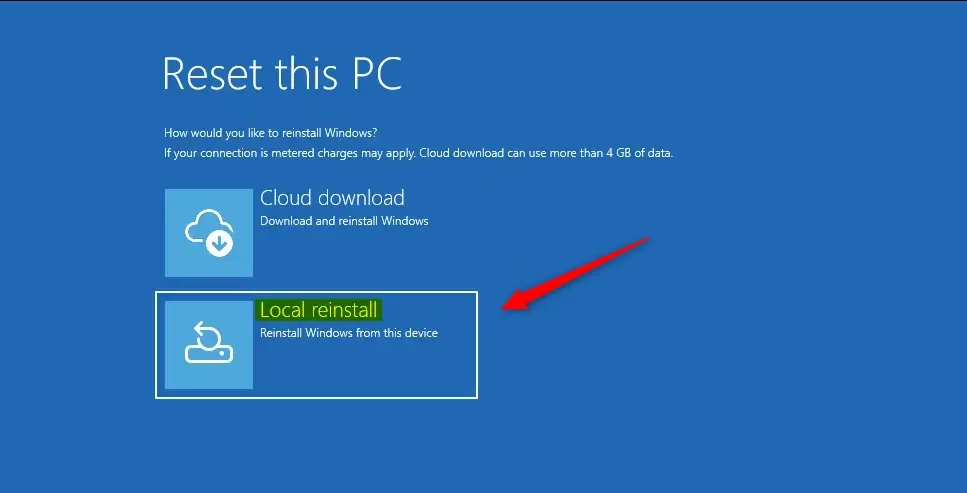
Step 6B: Choose your reinstall method
Click Cloud download or Local reinstall (recommended). This tells Windows how to reinstall.
You can use the Cloud download option to get Windows from the cloud. This can be more reliable and sometimes faster. Before, you had to create a USB stick. Now it’s built-in with no extra steps.
Local reinstall uses the recovery image by default to reset your PC.
Step 6C: Choose which drives to erase
If your PC has more than one drive, click Only the drive where Windows is installed or All drives.
Choose All drives to erase all partitions on the Windows system disk.
Choose Only the drive where Windows is installed to erase only the partition where Windows 11 is installed.
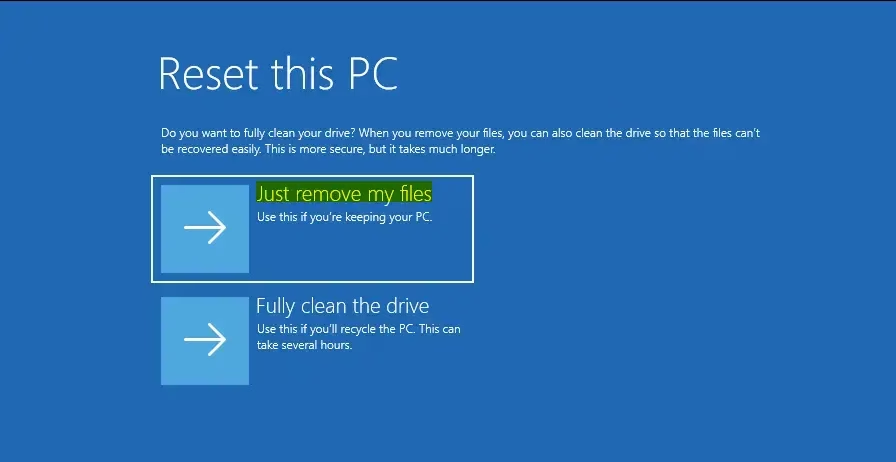
Step 6D: Choose how to clean your drive
Click Just remove my files or Fully clean the drive.
Just remove my files does a quick format. It doesn’t take long. Your files might be recoverable by someone else since they’re only marked as deleted. Use this if you’re keeping your PC.
Fully clean the drive does a secure erase. It overwrites your files so they can’t be easily recovered. This takes several hours. Use this if you’re recycling or selling your PC.
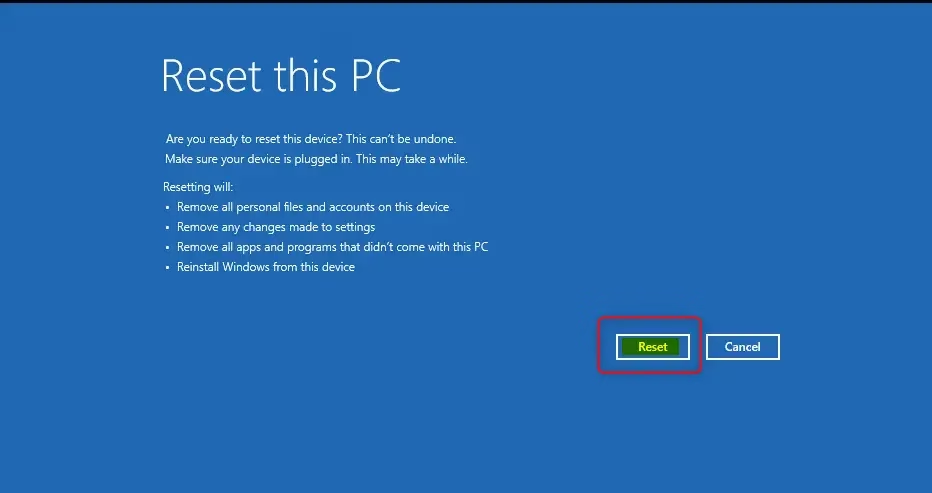
Step 6E: Click Reset when ready
Step 6F: Wait for reset to finish
Resetting Windows 11 will start now. This takes a while. Your PC will restart several times during the process.
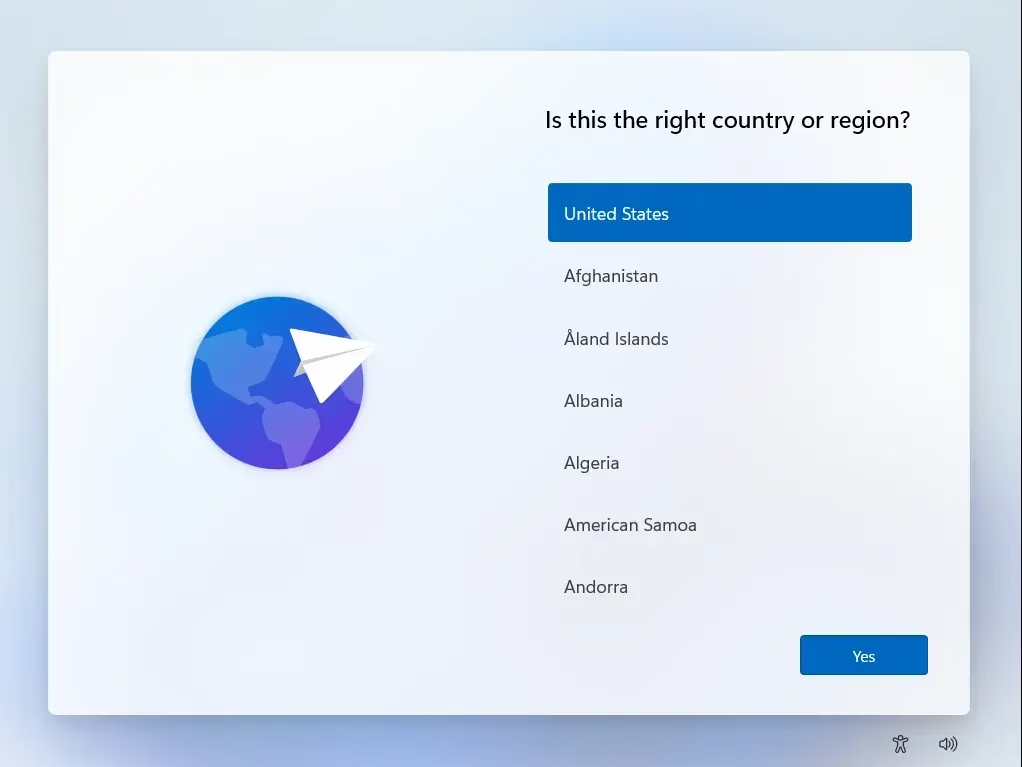
Step 6G: Select your country or region
When resetting finishes, select your country or region (example: “United States”) and click Yes.
Optional: If you want another user to finish setup with their own account, follow these steps:
1. Press Shift + F10 to open a command prompt.
2. Type this command in the prompt:
C:\Windows\System32\shutdown -s -t 0 -f
3. Press Enter to shut down Windows.
Step 6H: Select keyboard layout
Select the keyboard layout you want (example: “US”) and click Yes.
Step 6I: Add another keyboard layout (optional)
Click Add layout if you want a second keyboard layout. Otherwise, click Skip.
Step 6J: Accept the license agreement
Click Accept.
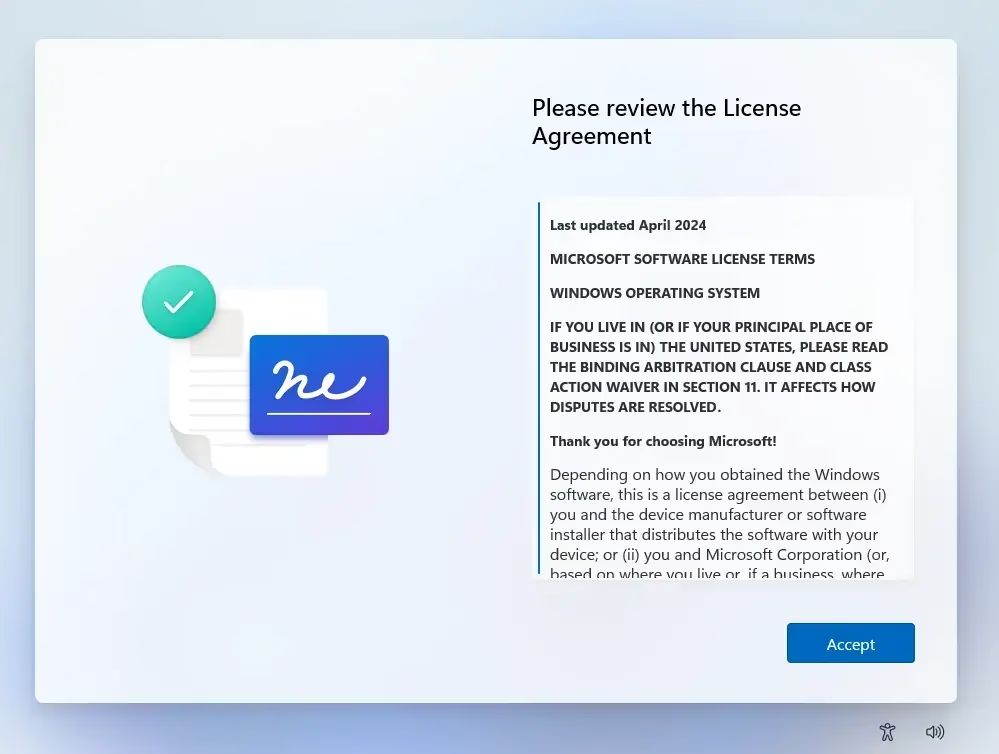
Step 6K: Finish setting up Windows 11
You can now finish setting up Windows 11.
Option 2Reset From Settings in 🪟 Windows 11
You can easily reset Windows 11 from the Settings app by pressing ⊞ Win+I to open it, then going to System > Recovery and clicking ‘Reset PC’. From there, you’ll choose whether to keep your files or remove everything.
Press Win + I to open Settings.
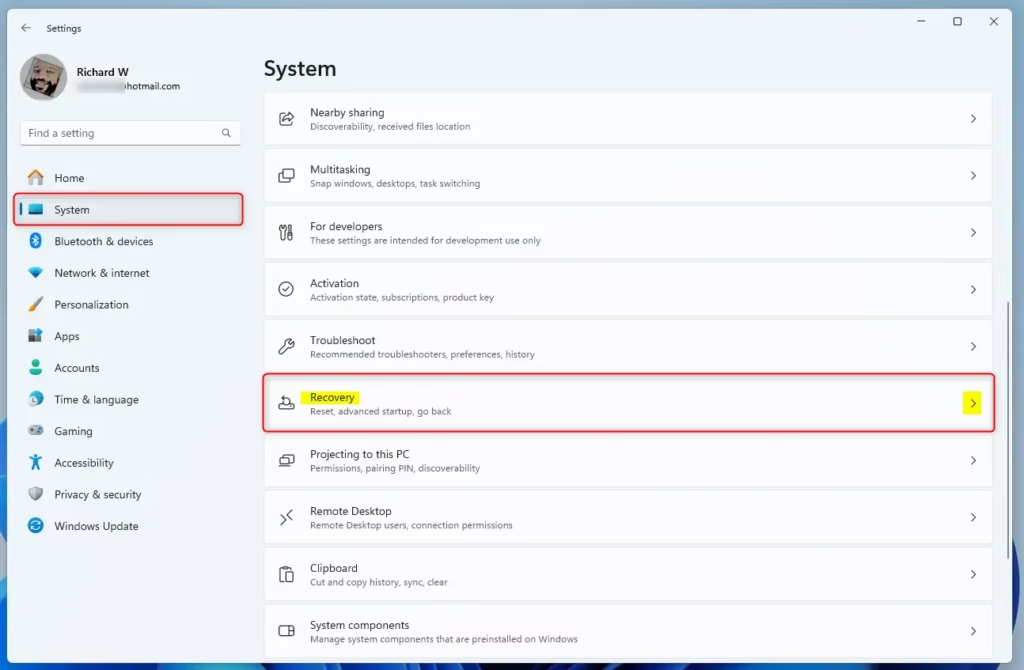
Step 2: Go to Recovery settings
Click System on the left. Then click Recovery on the right.
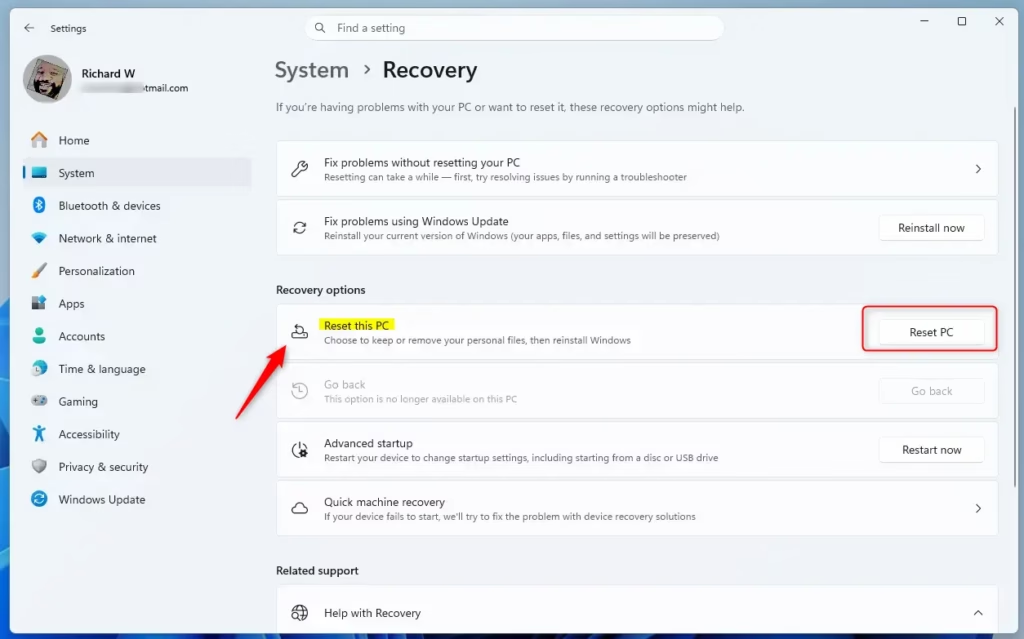
Step 3: Click Reset PC
Click the Reset PC button under Recovery options.
Step 4: Go to the section below that matches what you want to do: “Keep my files” (Step 5) or “Remove everything” (Step 6).
Reset 🪟 Windows 11 and Keep My Files
Step 5A: Click Keep my files
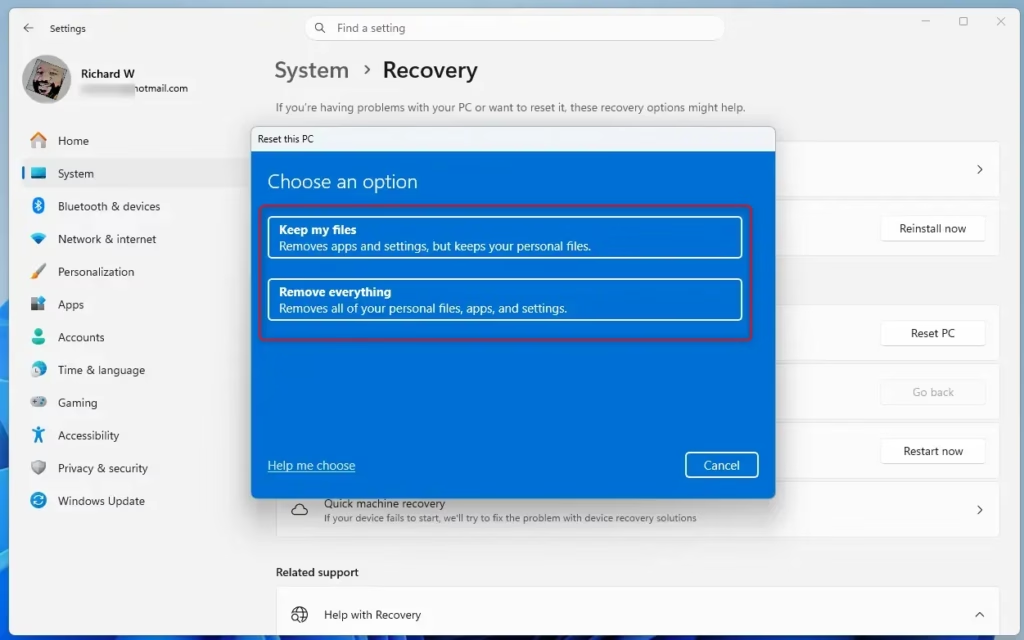
Step 5B: Choose your reinstall method
Click Cloud download or Local reinstall (recommended).
You can use the Cloud download option if you’re connected to the internet. Windows will download fresh files instead of relying on existing ones on your PC. This often leads to a more reliable and sometimes faster reset. It used to require creating a USB stick, but now it’s built right in.
Local reinstall uses the recovery image by default to reset your PC.
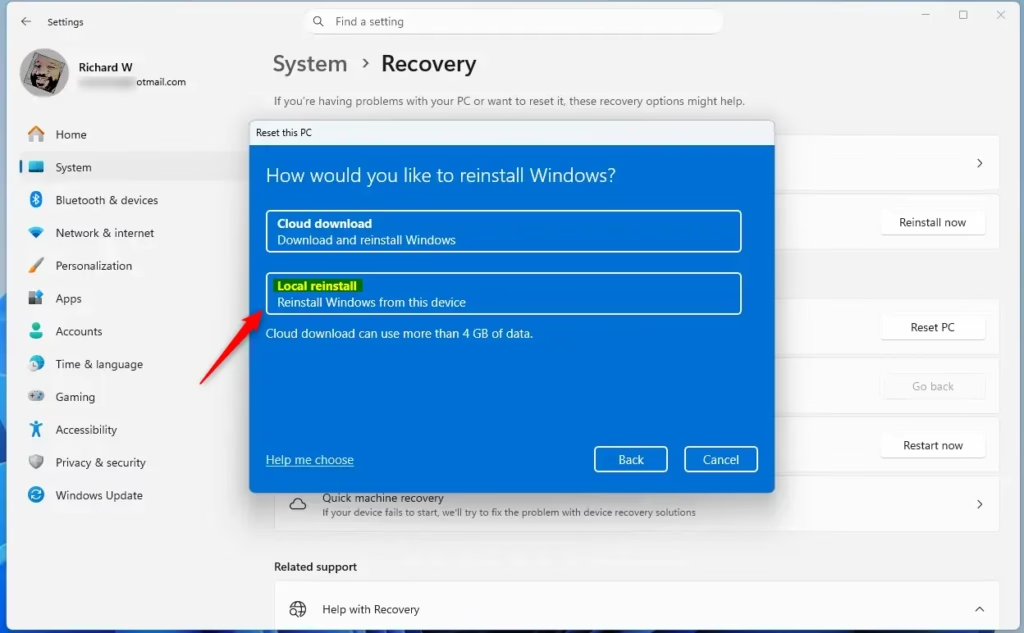
Step 5C: Click Next
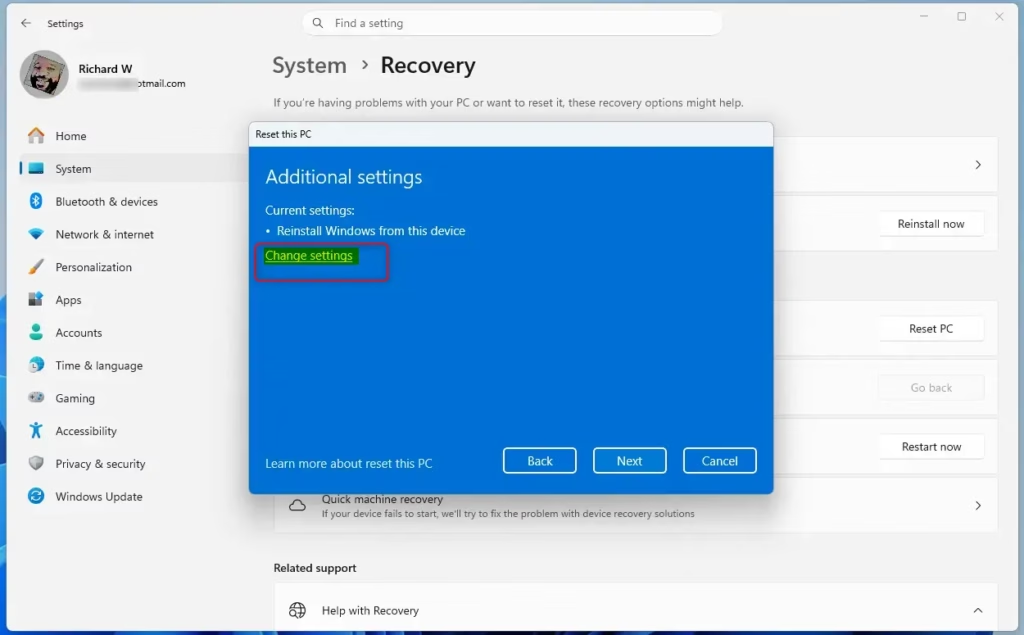
You can click Change settings if the “Current settings” aren’t correct.
Step 5D: Handle recent update prompt (if shown)
If you see a prompt about a recent update, click Next.
Step 5E: Review and confirm removal
You can click View apps that will be removed if you want to see the list. When ready, click Reset.
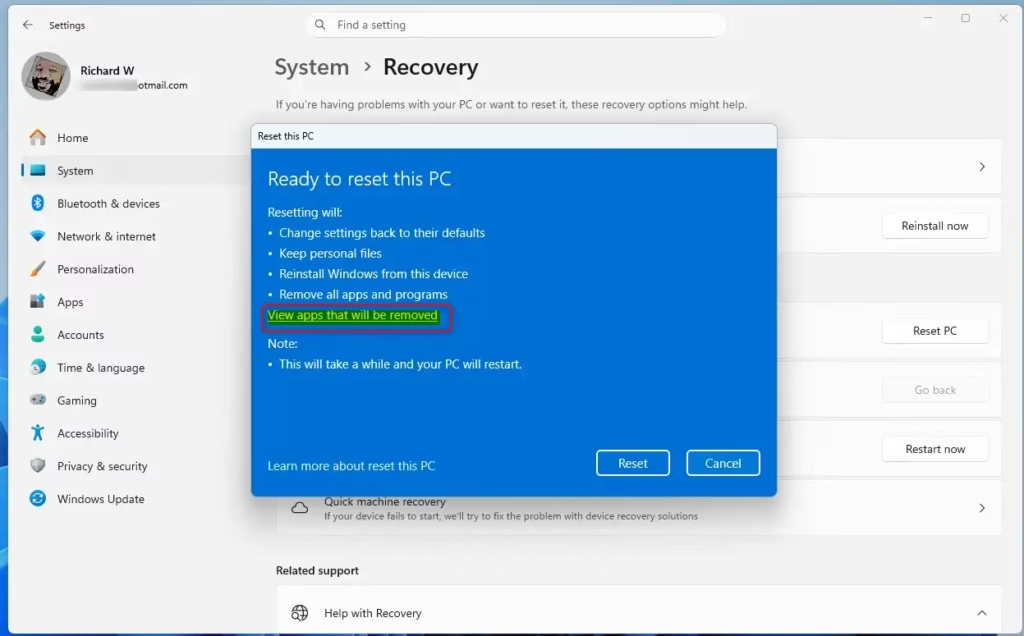
Step 5F: Wait for reset to finish
Resetting Windows 11 will start now. This takes a while. Your PC will restart several times during the process.
Step 5G: Sign in when done
When resetting finishes, dismiss the lock screen and sign in to Windows 11.
A file called Removed Apps.html will be saved on your desktop. It shows all apps that were removed by the reset.
Reset 🪟 Windows 11 and Remove Everything
Step 6A: Click Remove everything
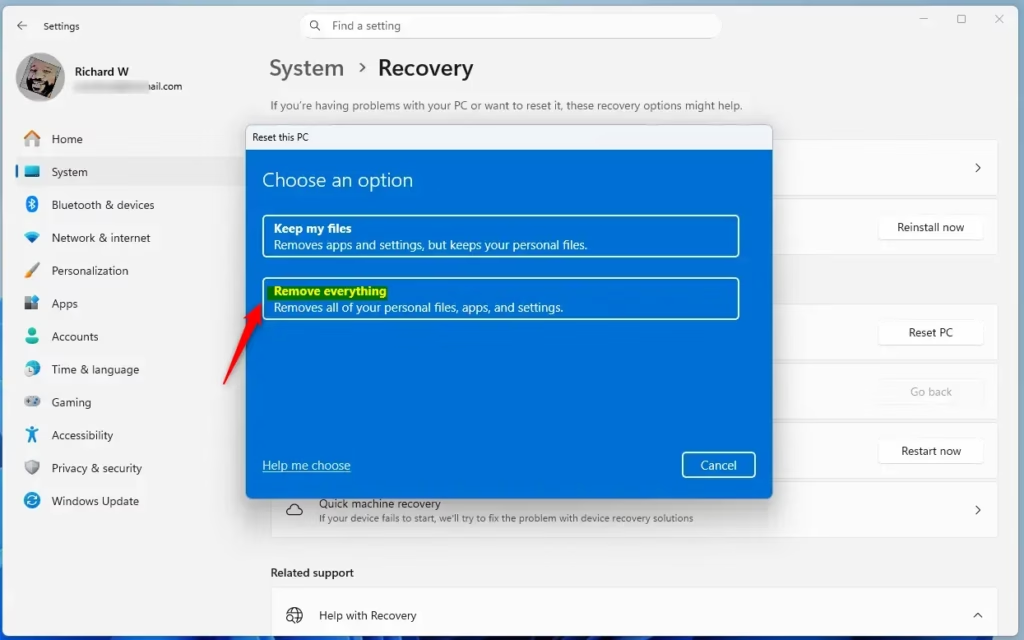
Step 6B: Choose your reinstall method
Click Cloud download or Local reinstall (recommended).
You can use the Cloud download option to get Windows from the cloud. This can be more reliable and sometimes faster. Before, you had to create a USB stick. Now it’s built-in with no extra steps.
Local reinstall uses the recovery image by default to reset your PC.
Step 6C: Change settings (optional)
Click Change settings to turn settings on or off. Then click Confirm and Next.
The Delete files from all drives setting only shows if you have more than one drive.
Yes, all drives (ON) erases all partitions on the disk where Windows is installed.
No, only Windows drive (OFF) erases only the partition where Windows is installed.
Clean data? – Just remove your files does a quick format. It doesn’t take long. Your files might be recoverable by someone else. Use this if you’re keeping your PC.
Clean data? – Clean the drive does a secure erase. It overwrites your files so they can’t be easily recovered. This takes several hours. Use this if you’re recycling or selling your PC.
Download Windows is the same as Cloud download (yes) or Local reinstall (no) from Step 6B. It’s another chance to change this setting before starting the reset.
Step 6D: Handle recent update prompt (if shown)
If you see a prompt about a recent update, click Next.
Step 6E: Click Reset when ready
Step 6F: Wait for reset to finish
Resetting Windows 11 will start now. This takes a while. Your PC will restart several times during the process.
Step 6G: Select your country or region
When resetting finishes, select your country or region (example: “United States”) and click Yes.
Optional: If you want another user to finish setup with their own account, follow these steps:
1. Press Shift + F10 to open a command prompt.
2. Type this command in the prompt:
C:\Windows\System
Summary
Resetting your Windows 11 PC gives it a fresh start, and you can do it either from Advanced Startup or within the Settings app. You decide whether to keep your files or erase everything, and choose between a quick or secure erase.
How do I completely reset my 🪟 Windows 11 PC?
To completely reset your Windows 11 PC, go to Settings > System > Recovery. Click the ‘Reset PC’ button next to ‘Reset this PC’. Select ‘Remove everything’ to wipe all personal files, apps, and settings, then follow the on-screen prompts to reinstall a fresh version of Windows 11.
Is F11 or F12 factory reset?
On many PCs, the F11 key triggers a factory reset by accessing the recovery partition, while F12 usually opens the boot menu. However, the specific key for a factory reset varies by manufacturer, so it’s best to check your computer’s documentation.
Can I reset my PC without reinstalling 🪟 Windows 11?
No, you cannot reset your PC without reinstalling Windows 11. The reset process is specifically designed to reinstall the operating system to resolve performance issues or software conflicts. You can choose to keep your personal files, but the core Windows system files will always be replaced during a standard reset.
How do you do a hard reset on 🪟 Windows 11?
A hard reset in Windows 11 is performed through the Recovery settings. Navigate to Settings > System > Recovery and select ‘Reset PC’. Choosing ‘Remove everything’ performs a clean installation, effectively wiping your drive and restoring the system to its original factory state, which is the most thorough reset method.
Was this guide helpful?

About the Author
Richard
Tech Writer, IT Professional
Richard, a writer for Geek Rewind, is a tech enthusiast who loves breaking down complex IT topics into simple, easy-to-understand ideas. With years of hands-on experience in system administration and enterprise IT operations, he’s developed a knack for offering practical tips and solutions. Richard aims to make technology more accessible and actionable. He's deeply committed to the Geek Rewind community, always ready to answer questions and engage in discussions.




No comments yet — be the first to share your thoughts!