How to Change Power Modes in Windows 11

Power modes in Windows 11 let you trade battery life for speed across 3 distinct settings: Best power efficiency, Balanced, and Best performance.
Choosing Best power efficiency squeezes extra hours out of a laptop battery. Switching to Best performance gives your PC full speed for heavy tasks like gaming or video editing, even if it drains the battery faster.
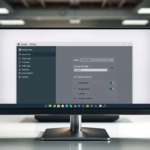
Open Settings , navigate to System, then Power & battery. Click the Power mode dropdown and select your preferred setting for “Plugged in” or “On battery”. This lets you balance performance and energy efficiency.
What is Power Mode in 🪟 Windows 11?
Windows 11 power modes let you change how your computer uses electricity to balance speed and battery life. You can pick between three settings: Best Power Efficiency to make your battery last longer, Balanced for everyday tasks, and Best Performance when you need your PC to run as fast as possible.
Windows offers three distinct profiles:
- Best Power Efficiency: This is for saving battery. Windows will slightly lower performance and might dim your screen to make your battery last longer. It’s great when you’re away from a power outlet.
- Balanced (Default): This is the middle option and is likely what your PC uses now. It gives you good performance when you’re using your computer and saves power when you’re not. Most people use this because it offers a good mix.
- Best Performance: Use this if you need your PC to be as fast as possible. It focuses on speed and responsiveness. Your screen might be brighter, and your system will be ready to go instantly. This mode uses more power, so your battery won’t last as long when unplugged.
They can automatically switch to power-saving settings when your PC isn’t being used. This happens without you noticing and helps save energy.
Can I Set Different Power Modes for Battery and When Plugged In?
Yes, you can set different Windows 11 power modes for when your laptop runs on battery and when it is plugged into the wall. This lets you use a power-saving mode while you are away from an outlet, and automatically switch to a higher performance mode once you plug your charger back in.
How to Change Your Power Mode in 🪟 Windows 11
Here’s how to change your power mode using the Settings app:
Step 1Open Windows Settings
Press the Windows key + I on your keyboard, or click the Start button and select the Settings gear icon.
Step 2Go to Power & Battery Settings
In the Settings app, click System on the left side. Then, on the right side, click Power & battery.
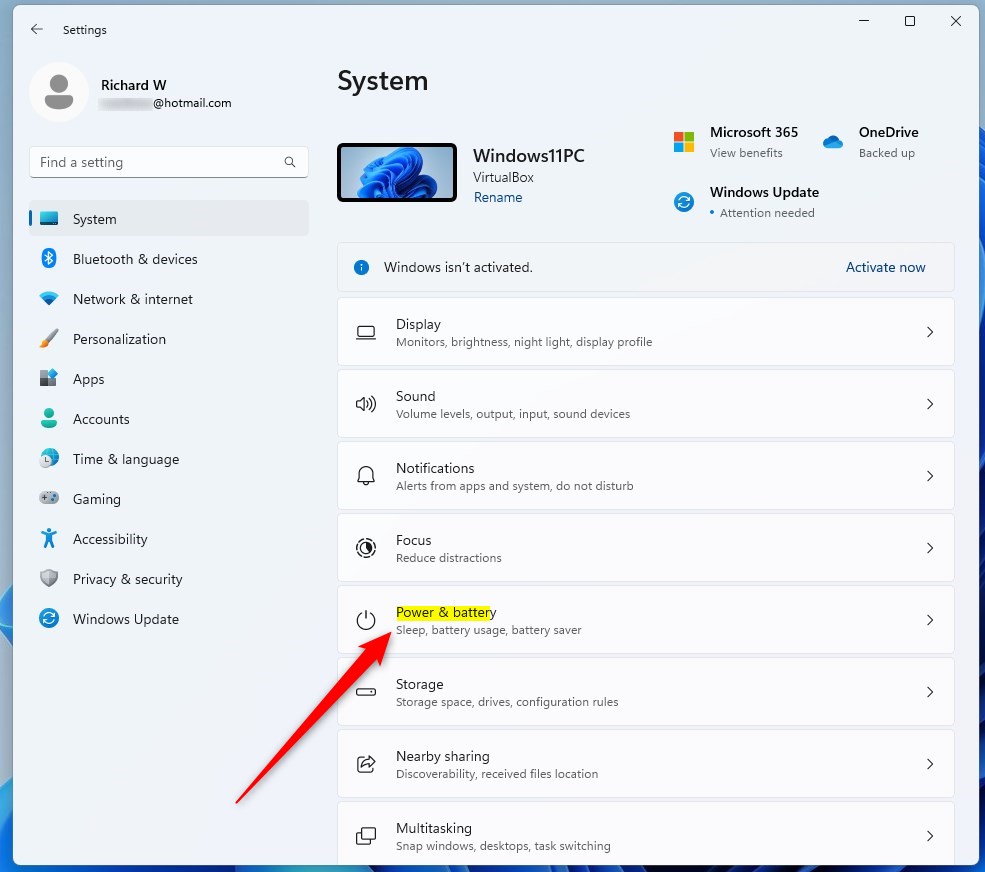
Step 3Expand the Power Mode Options
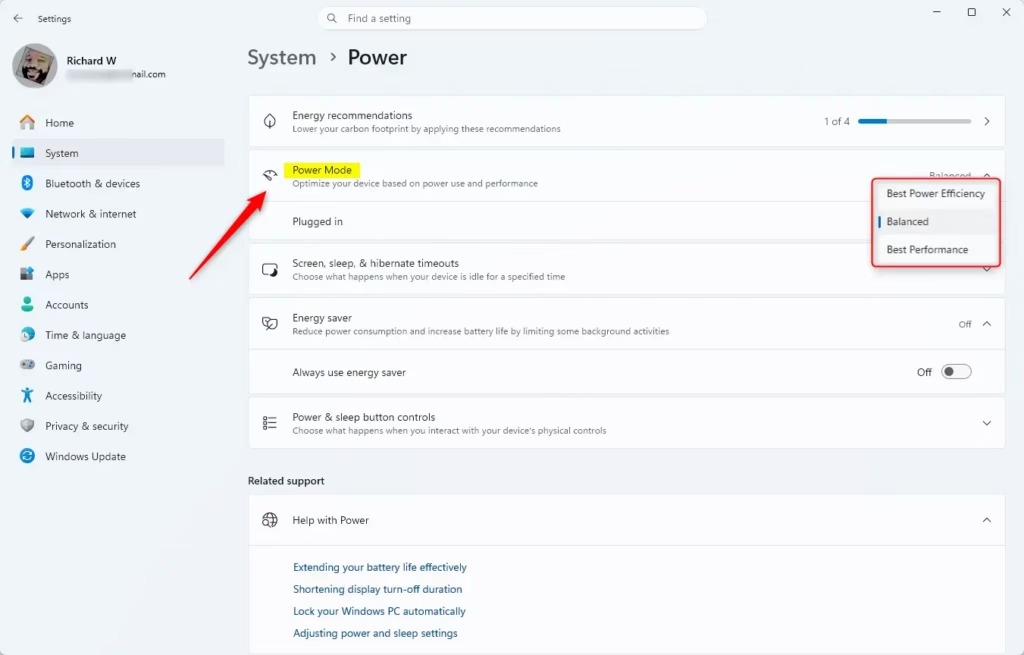
In the Power & battery section, find and click on Power Mode to see the options.
Step 4Choose Your Preferred Power Mode
Open Settings, click System, and select Power & battery to choose your preferred Windows 11 power modes. From there, use the drop-down menu next to Power Mode to pick Best Power Efficiency, Balanced, or Best Performance for both your plugged-in and on-battery states.
- Best Power Efficiency
- Balanced
- Best Performance
For instance, you might pick "Best Power Efficiency" for when your laptop's on battery and "Balanced" or "Best Performance" for when it's plugged in.
Important Note: This Power Mode setting is only available if your PC has a battery and you are currently using the "Balanced" power plan. If the setting isn't there or appears grayed out, it could be that you're using a different power plan, or your device (like a desktop computer) doesn't have a battery.
Step 5Close Settings
Your changes are saved automatically. You can now close the Settings window.
Summary
To test these changes, unplug your laptop and verify that the power mode switches to your preferred battery setting. Check that plugging the charger back in restores your performance profile.
Was this guide helpful?

About the Author
Richard
Tech Writer, IT Professional
Richard is a writer at Geek Rewind who turns complex IT tasks into clear, step-by-step guides. He draws on years of hands-on experience in system administration and enterprise IT operations, focusing on Windows, Linux and WordPress: the problems people actually run into, and the fixes that work. His server and WordPress guides come from systems he runs himself. Richard builds and maintains the platform behind Geek Rewind, from its Ubuntu servers and Nginx configuration to its custom WordPress plugins. Many new tutorials start with readers' questions, and he's always glad to answer them in the comments.

So, there is no easy way anymore. It used to be “click on battery icon. Drag the bar”.
I came here looking for a quicker way than going through an entire settings menu.