Microsoft Is Making Taskbar and Start More Personal in Windows 11

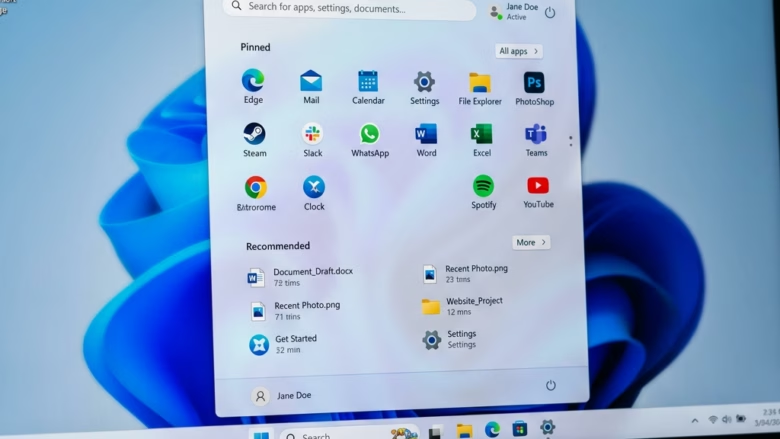
Windows 11 includes new customization options for the Start menu and taskbar. These updates give users more control to tailor the workspace. Some of them are still reaching people in stages, so not every option will show up on every PC on the same day. Where a feature is still being tested, this article says so.
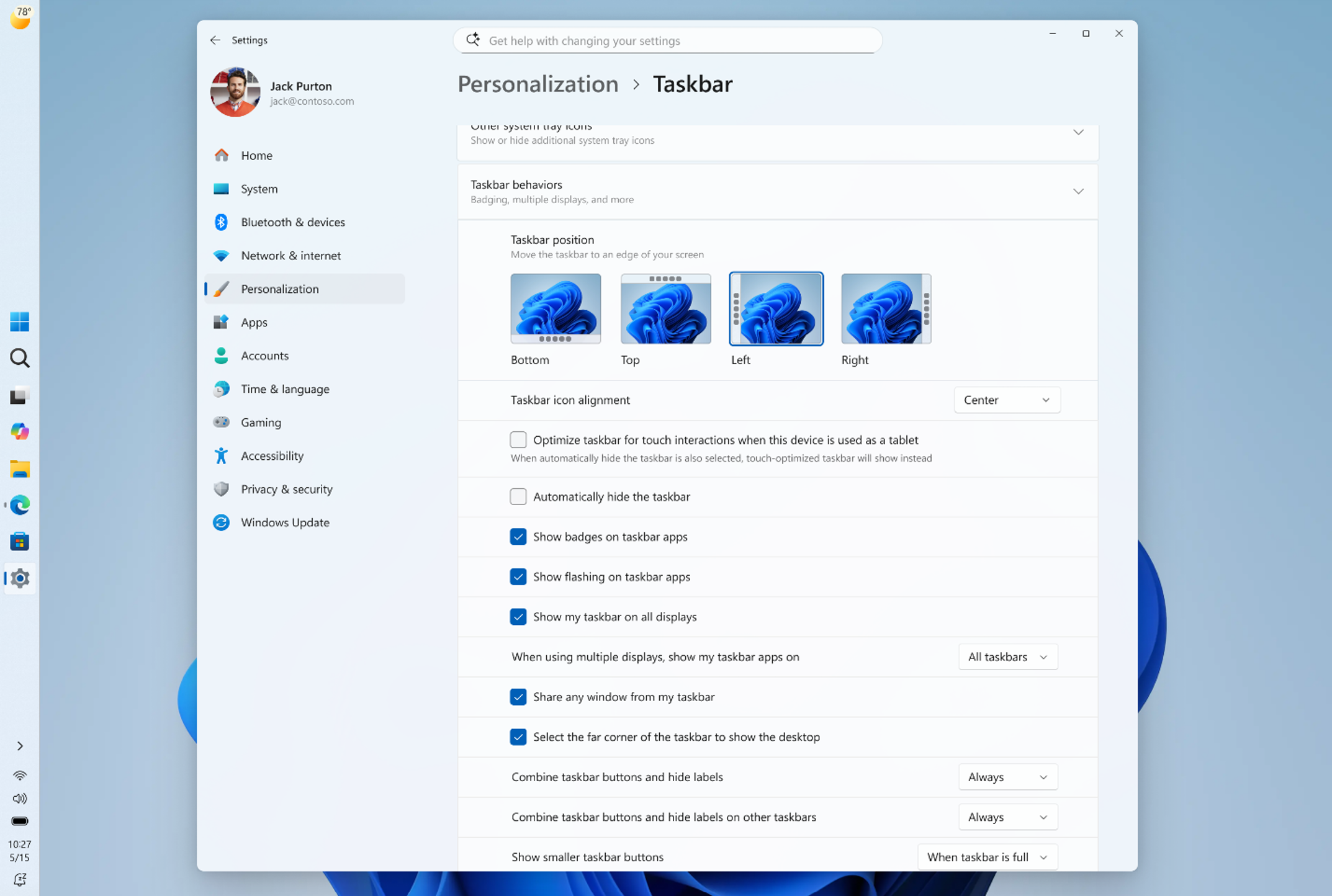
Windows 11 lets you move the taskbar to the top, bottom, left, or right side of your screen. Open Settings , go to Personalization Taskbar, expand Taskbar behaviors, and select your preferred screen edge under the placement option. The taskbar relocates immediately.
Making the Taskbar More Personal
By default, the taskbar sits at the bottom of the screen and holds open apps and shortcuts. Microsoft wants users to have more say in how this utility looks and functions. The changes below cover where the taskbar sits, how big it is, and how much the Start menu shows.
Taskbar Positions
Taskbar placement is no longer locked to the bottom edge. Users can now relocate the Windows 11 taskbar to the top, left, or right side of the display, matching individual workflow preferences.
Starting now, users can:
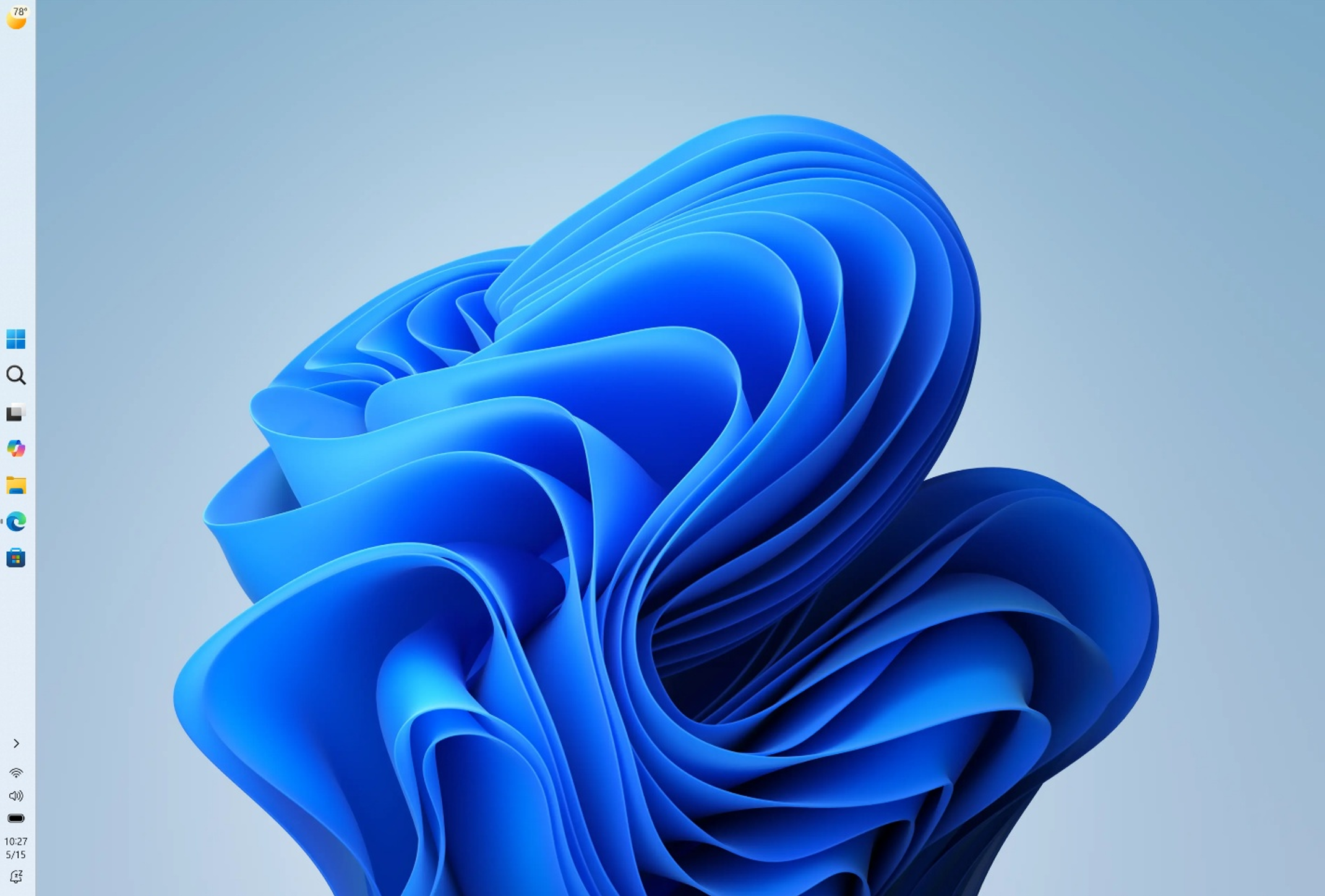
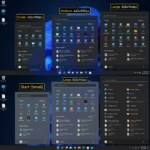
- Put the taskbar on the top, bottom, left, or right side of your screen. (See Figure 1).
- Choose how icons line up on the taskbar . When the taskbar is on the left or right, icons can be on the top or in the center. When the taskbar is on the top or bottom, icons can be on the left or in the center.
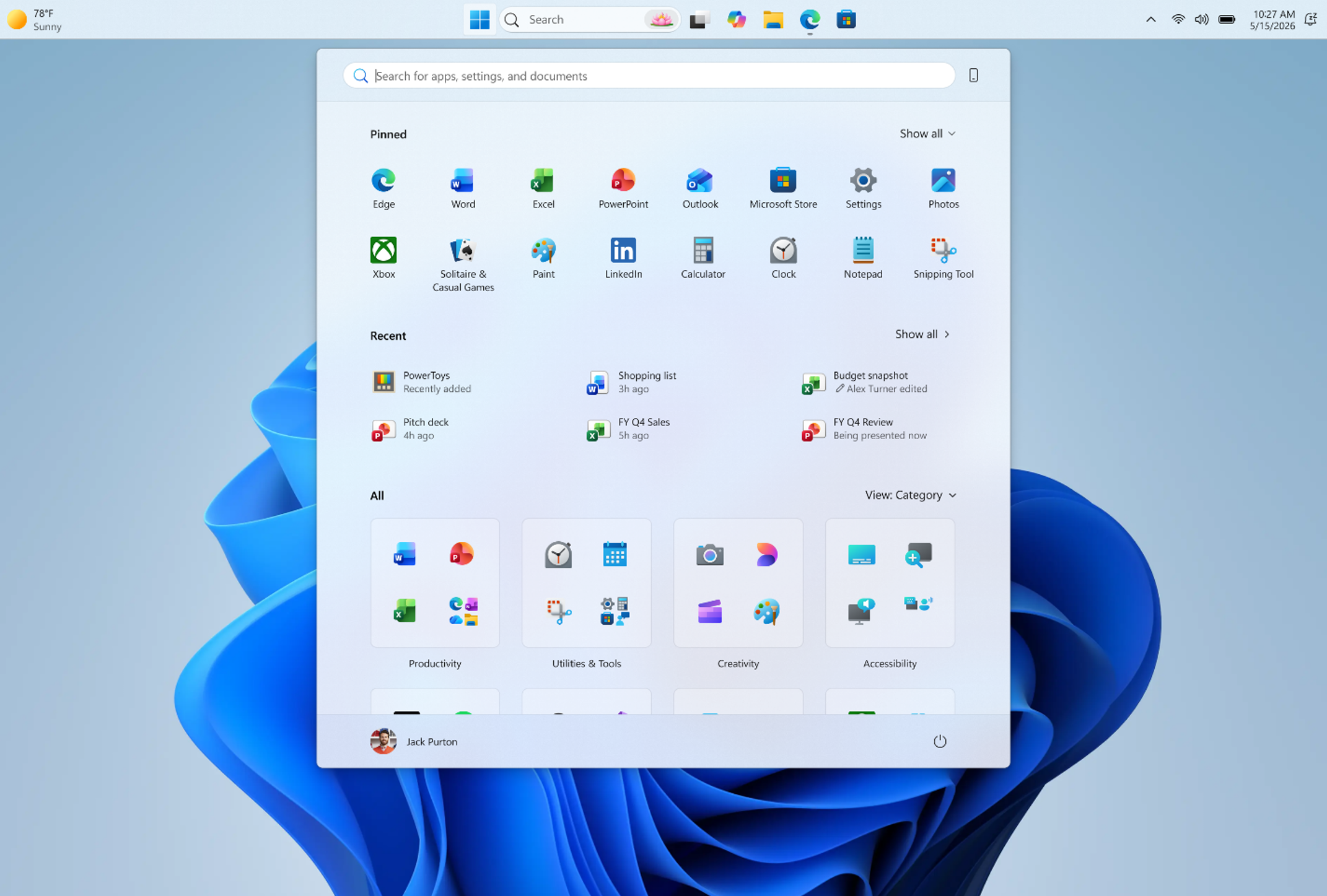
- Have Start, Search, and other menus open near the taskbar . For example, if the taskbar is at the top, the Start menu will open from the top. (See Figure 2).
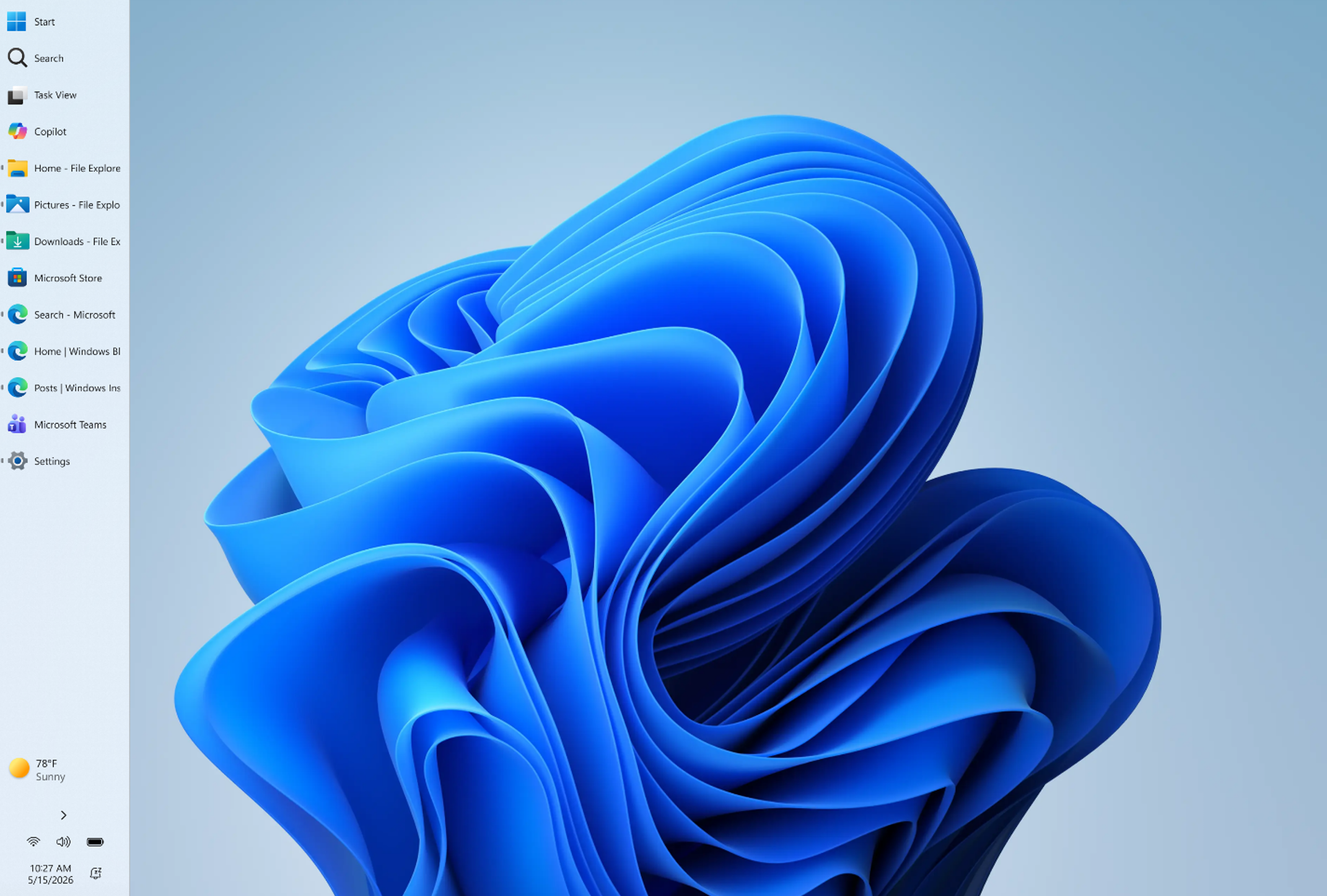
- See every window clearly. If you have the taskbar on the side and choose “Never combine” for taskbar buttons, each app window will show up as its own button. This makes it easier to find and switch between apps. (See Figure 3).
Here is why you might want each layout. Moving the Windows 11 taskbar to the side offers more screen space for code, because most monitors are wider than they are tall and a side bar costs you width rather than height. Placing it at the top can improve ergonomic comfort, since your eyes and mouse stay closer to where you already look. A side taskbar with separate buttons for each app window helps users track multiple tasks and stay organized.
To reposition the taskbar:
- Open Settings.
- Select Personalization, then Taskbar.
- Expand Taskbar behaviors. You should now see the new controls for placement and icon alignment.
- Pick the screen edge you want and the icon alignment that suits it. The taskbar should move as soon as you make the choice.
Check Windows Update, and remember that features like this often reach Insider builds before the general release. To undo the change, go back to the same page and set the taskbar to the bottom again.
Microsoft continues refining these features for better appearance and performance. A few features are still in development and will arrive in a later update:
- The taskbar automatically hiding and how it works with touch screens are not ready for these new positions.
- Touch gestures for these new positions are still being worked on.
- Search boxes are not ready for these new positions. For now, you will see a search icon instead.
Microsoft is also exploring other possibilities, like enabling different taskbar positions across multiple monitors and allowing drag-and-drop actions on the taskbar. Ensuring core stability remains the primary focus before wider rollout. If you use several monitors, expect the same taskbar position on all of them for now.
Smaller Taskbar
Bulky elements can clutter smaller displays. Shrinking the Windows 11 taskbar scales down both the icons and the taskbar height, freeing up valuable screen real estate for active programs. This helps most on laptops and other small screens.
This update allows users to choose a compact taskbar footprint. The change takes effect immediately without requiring a restart.
If you are not in the Insider program, the option may not appear until it reaches the public release. To shrink the taskbar:
- Open Settings.
- Go to Personalization Taskbar.
- Expand Taskbar behaviors.
- Find Show smaller taskbar buttons and select Always. Both the icons and the taskbar height should shrink right away.
To go back to the normal size, return to the same setting and choose a different value. No sign-out or restart is needed either way.

Putting You in Control of Start
Everyone uses their PC differently. Some prefer a minimalist launchpad featuring only pinned programs, while others rely on immediate visibility for recent files. Microsoft is updating the interface to accommodate these different habits.
More Control Over Your Layout
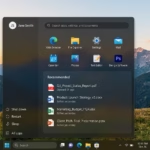
Tailoring the Windows 11 Start menu helps reduce visual noise. Users can hide recommended sections and unpin unwanted applications to build a cleaner launcher.
Microsoft is streamlining this process. Soon, users will be able to:
- Independently show or hide sections like Pinned apps, Recommended items, and All apps. There will be one simple setting for each section.
- Have a separate setting for file recommendations. Right now, turning off "Recommended" in Start also turns off recent files in other places like File Explorer. With this change, you can stop seeing file recommendations in Start without affecting recent files elsewhere.
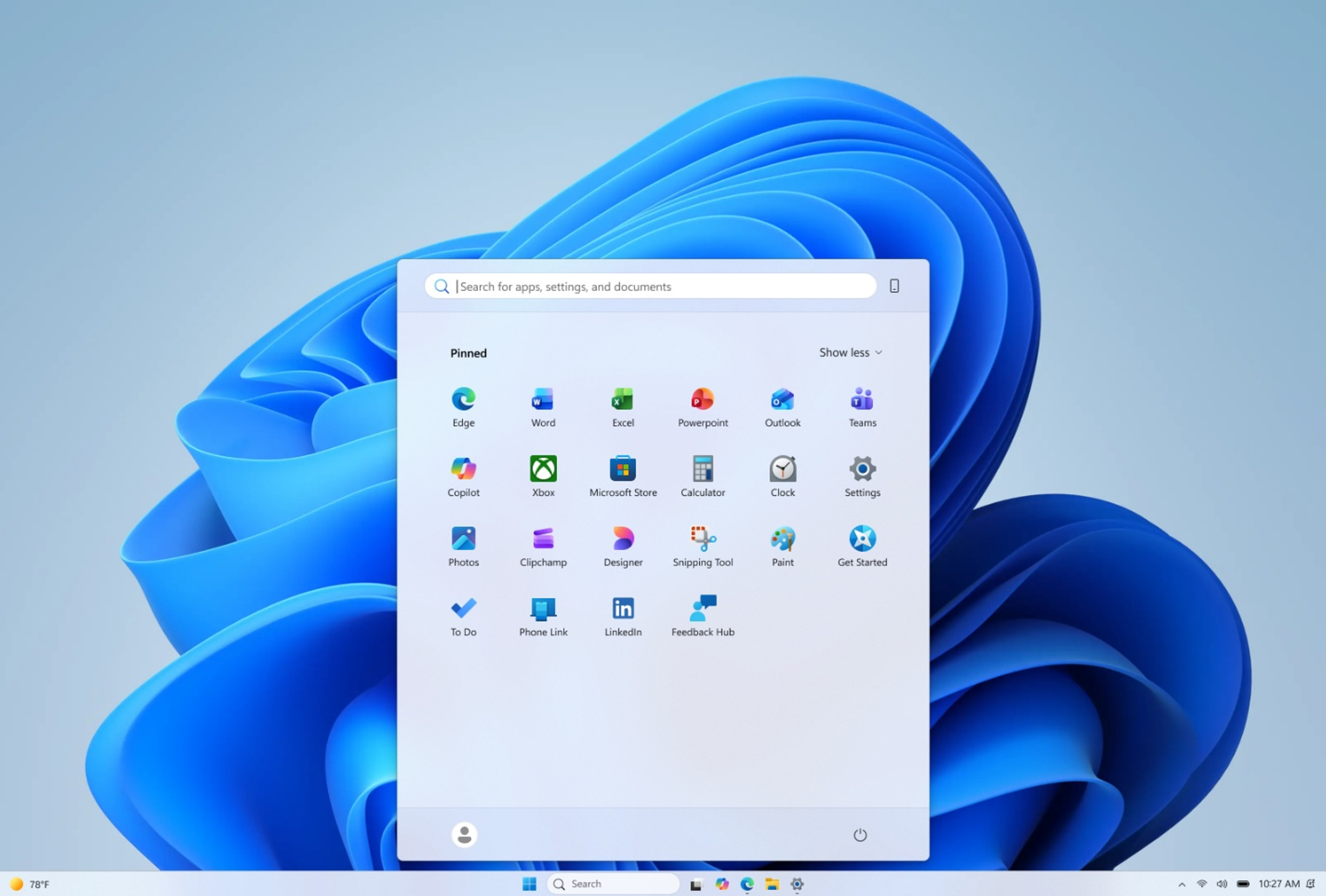
- Choose the size of your Start menu. You can pick Small or Large. This will help your Start menu look the same size on different screens.
- Hide your name and profile picture in Start. This is good for privacy when you are sharing your screen or streaming.
Because these are described as coming soon, you may not see all of them in your Start settings yet. Each one is a simple on/off or size choice, so you can reverse any of them the same way you set it.
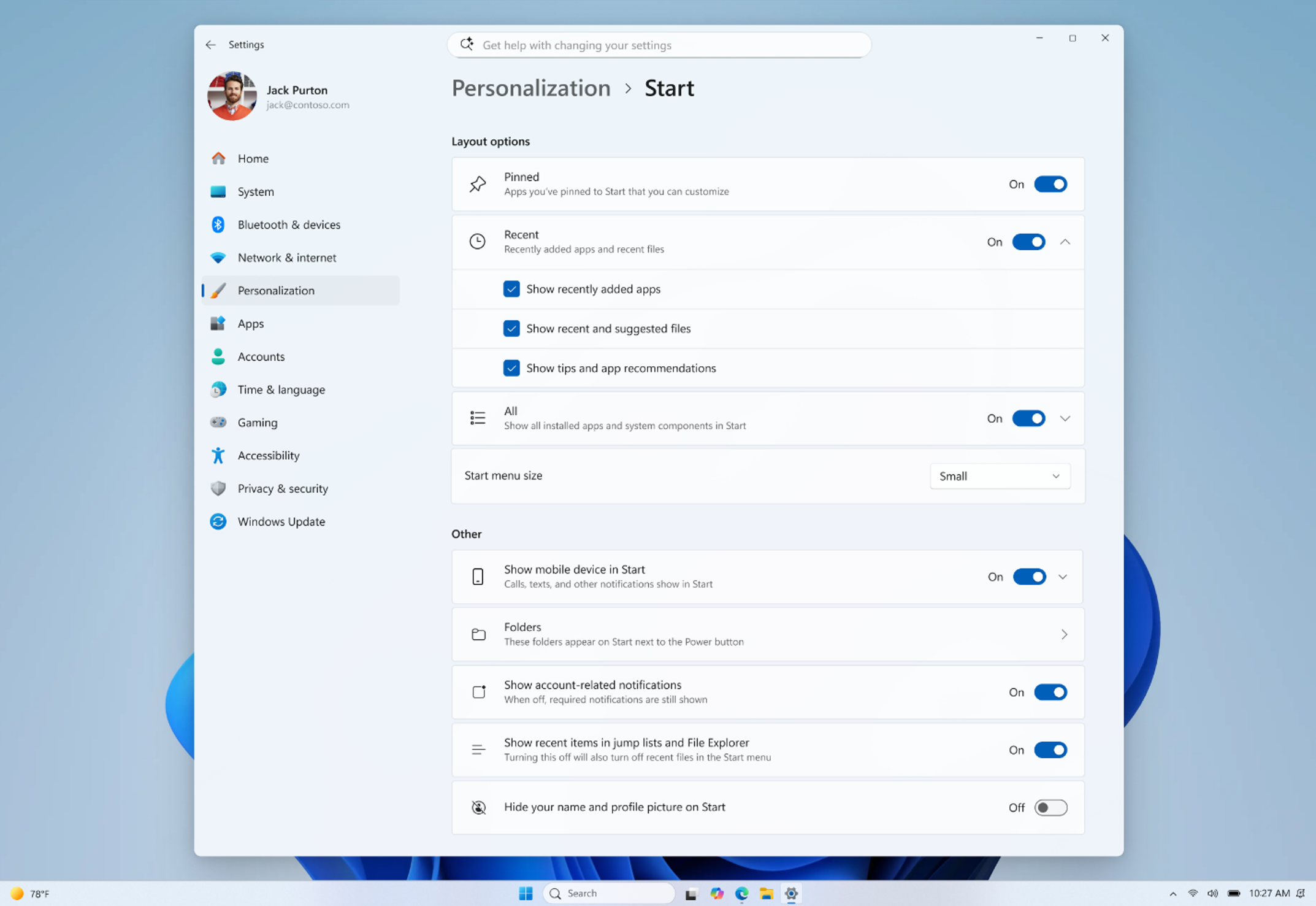
Windows 11 Start menu settings work together. To show only pinned apps, disable "Recommended" and "All apps" features. To see all apps, keep all features turned on. This approach gives users a flexible way to set up the Start menu for specific needs.
Reference:
Summary
Microsoft is adding new personalization options for the Windows 11 taskbar and Start menu, letting users move the taskbar anywhere, choose its size, and better control what appears in the Start menu.
Was this guide helpful?

About the Author
Richard
Tech Writer, IT Professional
Richard is a writer at Geek Rewind who turns complex IT tasks into clear, step-by-step guides. He draws on years of hands-on experience in system administration and enterprise IT operations, focusing on Windows, Linux and WordPress: the problems people actually run into, and the fixes that work. His server and WordPress guides come from systems he runs himself. Richard builds and maintains the platform behind Geek Rewind, from its Ubuntu servers and Nginx configuration to its custom WordPress plugins. Many new tutorials start with readers' questions, and he's always glad to answer them in the comments.

No comments yet — be the first to share your thoughts!