
You can fix Microsoft Edge not opening on Windows 11 by clearing its cache and cookies, resetting its settings, or repairing/resetting the application through Windows Settings.
Microsoft Edge is a web browser developed by Microsoft, serving as the default browser for Windows 11. When Edge won’t launch, it’s often because your user data got corrupted or it’s clashing with another program.
A frequent issue involves a problem in your browser’s cache – that’s a temporary spot where websites are stored to load faster. If this cache gets messed up, Edge might refuse to start.
This guide will walk you through effective troubleshooting steps to get your Edge browser back online quickly.
Fix Microsoft Edge by closing background processes in Task Manager, repairing it via Settings > Apps > Installed apps, or checking for Windows Updates. You can also try disabling your antivirus temporarily or running the System File Checker.
Step 1Close Background Processes
Sometimes, Edge is already running in the background but has gotten stuck. Closing these processes will force it to restart cleanly.
- Press Ctrl+Shift+Esc to open Task Manager.
- Find Microsoft Edge in the list.
- Right-click it and select End task.
Step 2Check Third-Party Antivirus
Can antivirus software prevent Microsoft Edge from opening? Yes, sometimes. Programs like Malwarebytes or other security suites might mistakenly flag the browser as a threat. Try temporarily disabling your antivirus to see if Edge launches. If it does, you’ll want to add an exception for Edge in your security settings.
Step 3Repair Microsoft Edge
Windows 11 includes a built-in tool to fix broken apps. This is the safest way to repair your browser without losing your data.
- Open Settings by pressing Windows Key + I.
- Go to Apps > Installed apps.
- Find Microsoft Edge, click the three dots, and select Modify.
- Click Repair. (Requires Admin Privileges)
Step 4Check for Windows Updates
Outdated system files can cause compatibility issues. Keeping your OS current is vital for browser health.
- Open Settings and select Windows Update.
- Click Check for updates.
- Install any pending updates and restart your computer.
Step 5Run System File Checker (SFC) and DISM
If important Windows files are corrupted, Edge might not open. These tools can help fix them. (Requires Admin Privileges)
- Search for cmd, right-click it, and select Run as administrator.
- Type
sfc /scannowand press Enter. - After that finishes, type
DISM /Online /Cleanup-Image /RestoreHealthand press Enter.
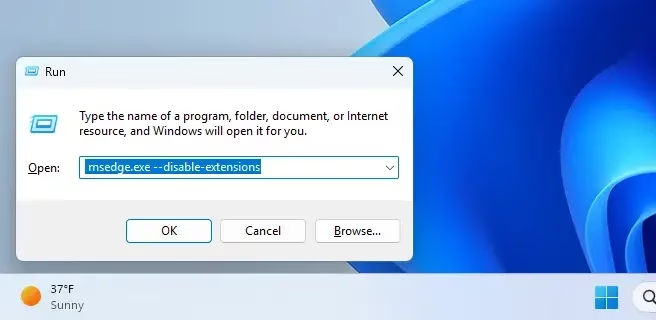
Step 6Disable Extensions via Command Line
If a bad extension is causing the crash, you can launch Edge without them.
- Press Windows Key + R.
- Type
msedge.exe --disable-extensionsand press Enter. - If it opens, remove your extensions one by one to find the culprit.
Step 7Clear Cache and Browsing Data
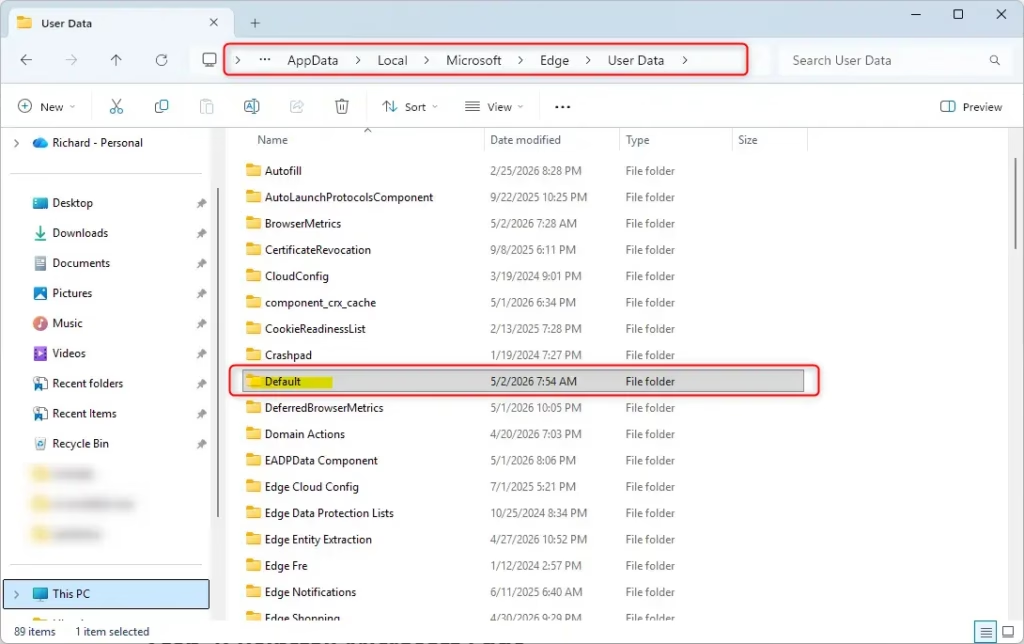
Does a corrupt user profile cause Edge to crash on startup? Yes. If Edge opens but crashes immediately, your cache might be corrupted. Since you cannot open the browser, you must delete the folder manually.
Navigate to this path in File Explorer:
C:\Users\Username\AppData\Local\Microsoft\Edge\User Data
Delete the folder named Default. This will reset your browser settings to their original state.
Step 8Check Proxy Server Settings
Incorrect network settings can prevent the browser from connecting to the internet. Go to Settings > Network & internet > Proxy and ensure Automatically detect settings is turned on and manual proxy setup is turned off.
Step 9Reinstall Microsoft Edge
If nothing else works, a fresh install is the best solution. Disclaimer: Back up your data before performing a full reinstallation. Download the latest version from the official Microsoft Edge download page. (Requires Admin Privileges)
Step 10Check Registry Settings
Sometimes, other software can modify registry keys, which might block the browser. Check this path to make sure nothing’s interfering:
HKEY_LOCAL_MACHINE\SOFTWARE\Policies\Microsoft\Edge
If you spot anything unusual, it’s best to consult a professional before making changes. (Requires Admin Privileges)
Summary
Microsoft Edge not opening is usually caused by temporary glitches, corrupted files, or software conflicts. By closing background tasks, running the Windows repair tool, clearing your cache, and checking for system updates, you can resolve most issues. If the problem persists, a clean reinstallation usually fixes the browser startup failure.
How do I reset Microsoft Edge settings to default?
You can reset Edge by navigating to the browser settings menu once it is open. Go to Settings, select Reset settings, and click Restore settings to their default values. If the browser will not open, you can manually rename the User Data folder in your AppData directory to force a reset.
Can antivirus software prevent Microsoft Edge from opening?
Yes, third-party antivirus software can sometimes incorrectly identify Microsoft Edge processes as malicious, leading to browser startup failure. If you suspect your security software is the cause, try temporarily disabling it or adding Microsoft Edge to your antivirus exclusion list to see if the browser launches successfully.
Does a corrupt user profile cause Edge to crash on startup?
Yes, a corrupt user profile is a common reason for Edge not responding. When the profile data becomes damaged, the browser may fail to initialize correctly. Deleting or renaming the Default folder within the Edge user data directory forces the browser to create a fresh, clean profile upon the next launch.
Was this guide helpful?

About the Author
Richard
Tech Writer, IT Professional
Richard, a writer for Geek Rewind, is a tech enthusiast who loves breaking down complex IT topics into simple, easy-to-understand ideas. With years of hands-on experience in system administration and enterprise IT operations, he’s developed a knack for offering practical tips and solutions. Richard aims to make technology more accessible and actionable. He's deeply committed to the Geek Rewind community, always ready to answer questions and engage in discussions.


No comments yet — be the first to share your thoughts!