How to Enable or Disable Content Adaptive Brightness in Windows 11

- 16 steps
- Needs administrator rights
- Includes a restart or sign-out
Content Adaptive Brightness is a built-in Windows 11 feature that changes your screen brightness based on the images or apps currently open on your display. When dark scenes appear, this power-saving tool dims the backlight to stretch battery life on laptops and tablets.
You can turn it on or off in the Settings app. Turning it off keeps your display at a steady, fixed brightness. Turning it back on later takes the same steps in reverse. On most PCs you don’t need to restart for the Settings method to work.
Open Settings System Display, then untick “Change brightness based on content” (or set it to Off if you see a drop-down). Windows 11 stops dimming the screen for dark content and holds a steady brightness. No restart is needed on most PCs. The option is missing on many desktops and external monitors, so you may need to update display drivers first.
What Is Content Adaptive Brightness?
Content Adaptive Brightness adjusts your screen’s brightness and contrast based on the colors of whatever is on screen. It saves battery on portable devices. Many people turn it off anyway, because the dimming and flickering get distracting during everyday use. It is most noticeable when you switch between a bright window, such as a white web page, and a dark one, such as a video or a dark-mode app.
Why? It helps your battery last longer by dimming the screen during dark scenes.
What happens when done? Your screen stays at a steady brightness. You won’t see flickering or shifts when you move between bright and dark windows. Your battery may drain a little faster, so expect slightly shorter runtime on a laptop.
How to Disable Content Adaptive Brightness in 🪟 Windows 11
The steps below turn off Content Adaptive Brightness in Windows 11. You need an administrator account to change these system-wide display settings. The feature mostly appears on laptops and tablets with built-in screens. A desktop with an external monitor usually won’t show it at all. The steps are the same on Windows 11 Home and Pro.
Step 1Open Windows Settings
Follow these steps to turn off adaptive brightness in Windows 11 from the Settings app.
- Press
Windows key + Ito open Settings . The Settings app opens. If the shortcut doesn’t work, click the Start button and select the gear icon instead. You get the same Settings window.
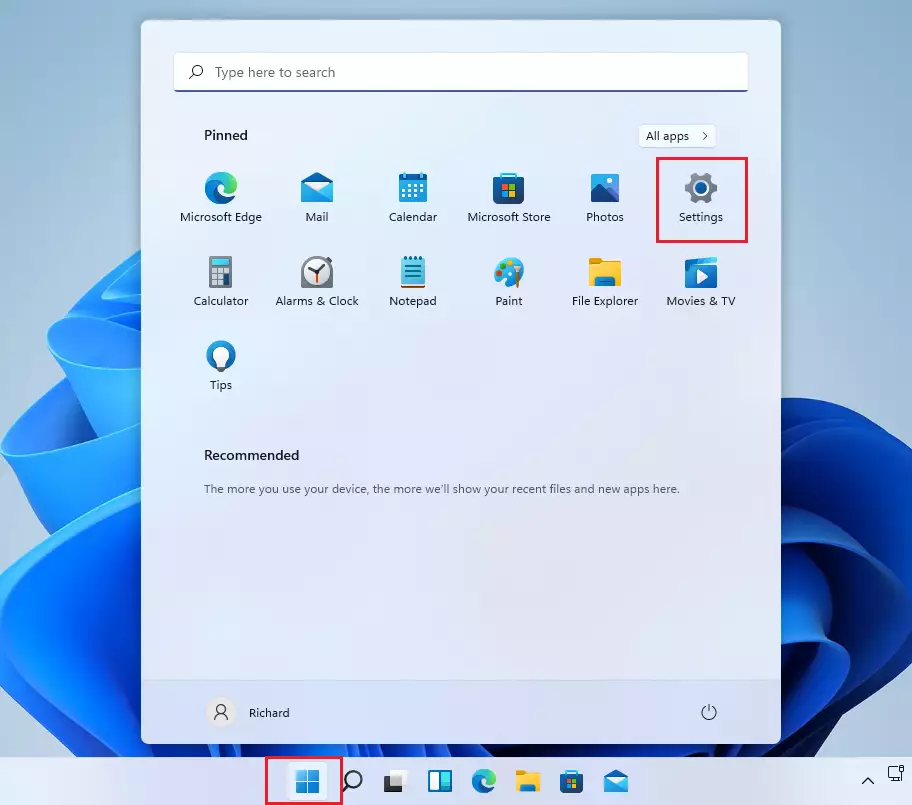
You should now see the Settings window with the list of categories on the left.
Step 2Navigate to Display Settings
- Click System in the left menu. The System options open on the right.
- Select Display. The display options open on the right, with the brightness controls near the top.
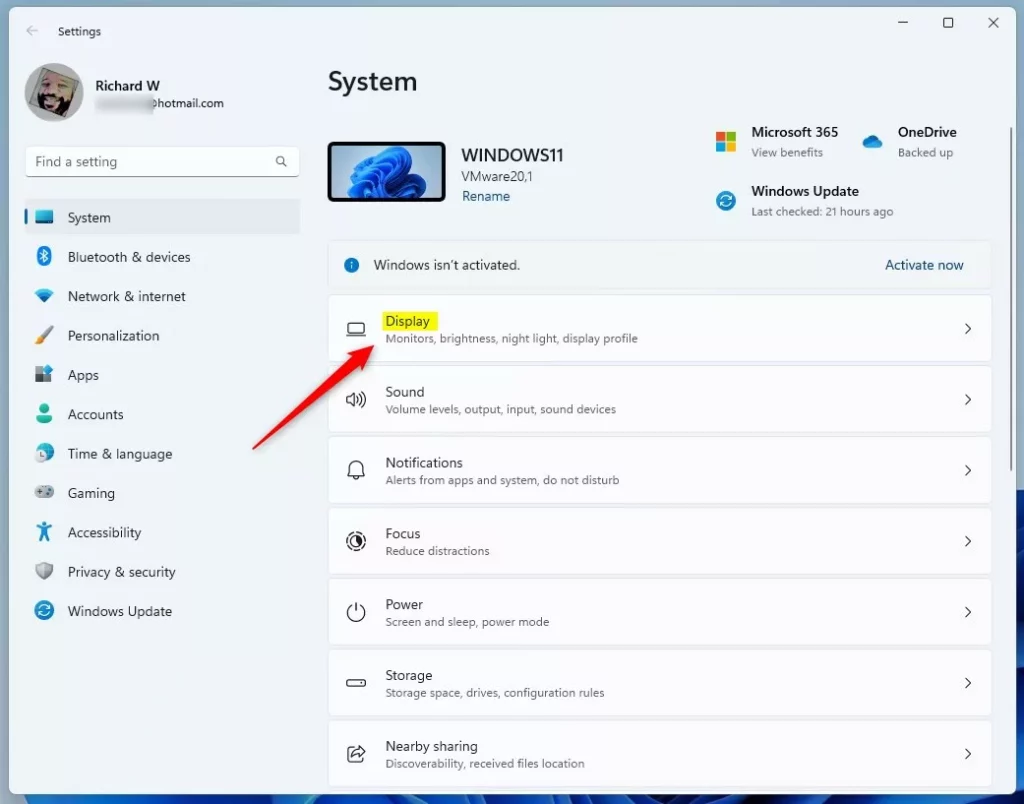
You should now see the Display page, with the Brightness section near the top.
Step 3Adjust Brightness Settings
Use the Settings app first. It is the quickest fix, and you don’t need to touch any advanced system files. You are already on the right page (Settings System Display), so the next steps change the setting itself.
- Find the Brightness section. It sits near the top of the Display page.
- Look for the option that controls brightness based on image content. Depending on your Windows 11 version and display, it is worded along the lines of “Change brightness based on content” or “Help improve battery by optimizing the content shown and brightness”. Some versions show it as a checkbox, others as a drop-down.
- Uncheck the option. If you see a drop-down, choose Off instead. Your display stops shifting tones on its own.
To undo the change, tick the box again, or pick Always or On battery only if your drop-down offers them. You don’t need to restart.
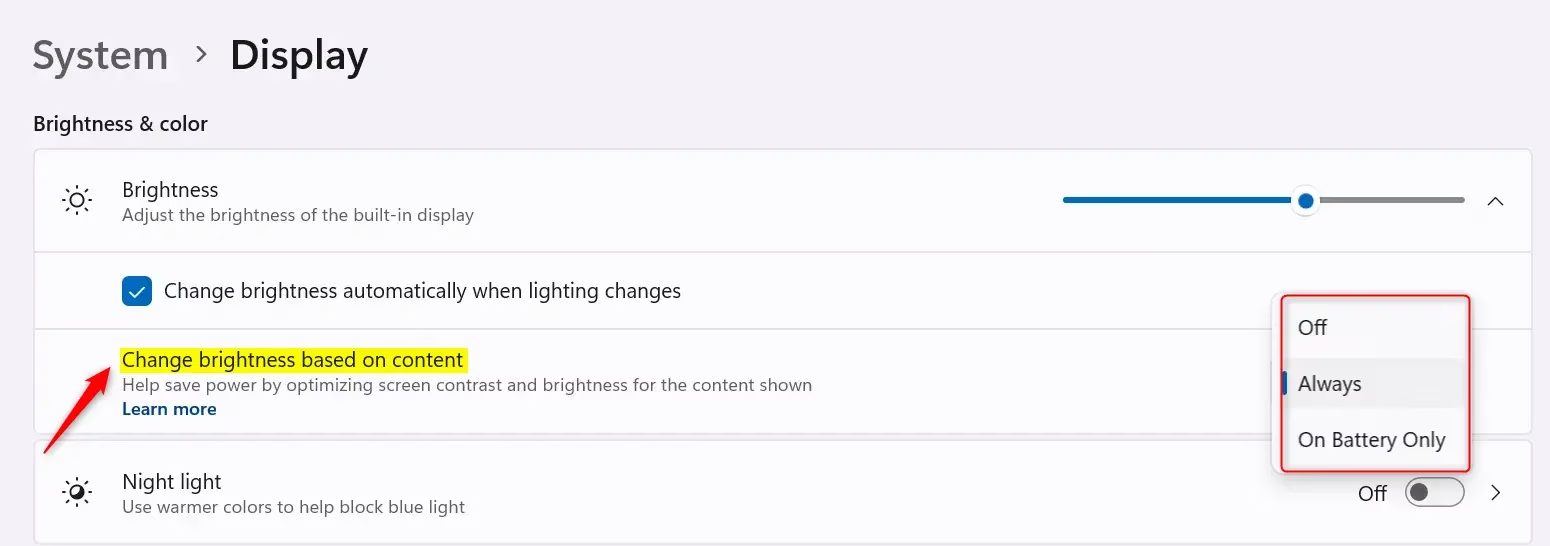
You should now see the content-based brightness option unchecked or set to Off.
Troubleshooting: When the Toggle Is Missing
If you don’t see this option, one of these is likely the cause:
- Your hardware doesn’t support the feature. This is common on desktop PCs and external monitors.
- Your display drivers are outdated.
- Your graphics driver software controls the setting instead of Windows. See the Intel and AMD section further down.
Visit your manufacturer’s website and download the latest display drivers. Then check Settings System Display again. If the option is still missing or the dimming continues, use the Registry Editor.
Registry Fix (Admin Privileges Required)
This method needs administrator access, because you are changing system database keys that control power features. Take your time. A mistake in the Registry Editor can break system functions and may require a Windows repair.
In the Registry Editor, choose File Export and save a copy somewhere safe. To undo your change later, set the value back to what it was, or import that backup file.
Follow these steps to turn off adaptive brightness in the registry when Settings doesn’t offer the option.
- Press
Windows key + Rand typeregedit. Keep the box open for the next step. - Press Enter. Approve the User Account Control prompt if one appears. The Registry Editor opens.
- Navigate to this location:
HKEY_LOCAL_MACHINE\SYSTEM\CurrentControlSet\Control\Class\{4d36e968-e325-11ce-bfc1-08002be10318}\0000. Use the folder tree on the left, or paste the path into the address bar at the top of the window. - Look for a key named
FeatureTestControl. If you can’t find it on your device, stop here and try the graphics software method below instead. - Double-click the key. A dialog opens where you can edit its value.
- Change the value to
f008orf000to disable power-saving features. Click OK to save it. - Close the Registry Editor and restart your PC. The change doesn’t take effect until you restart.
Graphics Control Panel Overrides
Sometimes Intel or AMD software overrides the Windows settings. If the screen still dims after the steps above, check your graphics control panel. Follow these steps to stop the dimming from your graphics software.
- Open the Intel Graphics Command Center or AMD Radeon Software. Pick the one that matches your graphics hardware.
- Look for Display Power Saving Technology (Intel) or Vari-Bright (AMD). You will usually find them under the display or power sections.
- Disable the option. The screen should stop dimming on its own.
The exact menu location varies by driver version. Look in the display or power sections if you can't find it straight away. To undo this, turn the same option back on.
🪟 Windows 10 vs 🪟 Windows 11
Windows 11 has a dedicated toggle in Settings, as shown above. Windows 10 users often rely on the Power Options menu in the Control Panel or the specific graphics driver software mentioned above. If you follow a guide written for Windows 10, expect the menus to look different.
Summary
Content Adaptive Brightness saves battery by changing your screen's brightness based on what's displayed. If you prefer a steady brightness, disable it in Settings. If the option is missing, update your display drivers, check your Intel or AMD graphics software, or use the Registry Editor as a last resort.
If you change your mind, turn the feature back on in the same place you turned it off. Your battery life will go back to what it was.
Have a question about this guide?
Answered by AI from this guide. Good questions may be added to this page — please don't include personal details.
Did this guide fix your problem?

About the Author
Richard
Tech Writer, IT Professional
Richard is a writer at Geek Rewind who turns complex IT tasks into clear, step-by-step guides. He draws on years of hands-on experience in system administration and enterprise IT operations, focusing on Windows, Linux and WordPress: the problems people actually run into, and the fixes that work. His server and WordPress guides come from systems he runs himself. Richard builds and maintains the platform behind Geek Rewind, from its Ubuntu servers and Nginx configuration to its custom WordPress plugins. Many new tutorials start with readers' questions, and he's always glad to answer them in the comments.
hey i did that but it still dims and brightens sporadically, any ideas? Have no 3rd party tools papplied
Also did this and it still increases brightnes on it’s own after lifting laptop lid and at lockscreen. Very annoying
No fixes that I found anywhere stopped the dimming.
Boot your pc in BIOS and go to the video section
Look for something similar to ‘adaptive brightness’
On my Dell there was an eco setting for the battery which was on
I turned it off, rebooted and no more annoying dimming screen!
There is no check box: “Automatically adjust contrast based on the display content to help improve battery” in the brightnes only slider!
[…] even more advanced PCs, there might also be an option for Windows to adjust the screen brightness and contrast based on the content displayed on your built-in […]