How to Set Active Hours for Windows 11

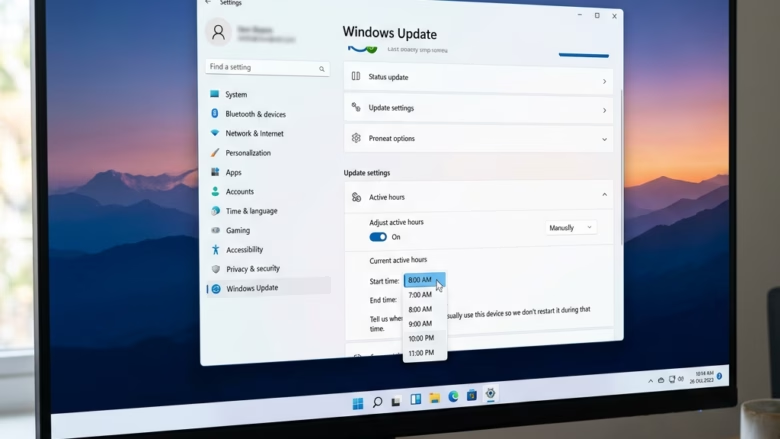
Active hours in Windows 11 block automatic system restarts by letting you set a daily work schedule of up to 18 hours. During those hours, Windows holds off on rebooting to finish updates, and it waits until your workday ends. The setting is available in both Windows 11 Home and Pro.
Set active hours in Windows 11 Settings by going to Windows Update Advanced options Active hours. Choose “Automatically” or set your preferred “Manually” start and end times to prevent unexpected restarts.
Why use Active Hours?
Preventing reboots in the middle of a workflow keeps productivity high. A restart that lands during a video call, a long export or an unsaved document costs more than the few minutes the update takes. Active hours let you keep the system patched without giving up day-to-day focus.
Active hours only control when Windows restarts. Updates can still download in the background. Windows simply waits until your active hours are over before it reboots to finish them.
What happens when done?
Defining a custom schedule stops sudden update reboots. Windows waits until those hours pass before restarting the machine, so the system stays updated without disrupting daily tasks. To set your own schedule:
- Open Settings Windows Update You should see the update status and a list of options.
- Click Advanced options. The page lists optional updates, delivery settings and more.
- Click Active hours to expand it.
- Change the drop-down from Automatically to Manually. The Start time and End time fields now appear.
- Set the Start time to when your workday begins, then confirm your choice.
- Set the End time to when your workday finishes, then confirm your choice. The window between the two can be no longer than 18 hours.
The new schedule saves as soon as you change it. You don’t need to restart the PC.
If you would rather not manage the times yourself, leave the drop-down on Automatically. Windows then adjusts active hours based on when you actually use the device. Manual hours are more predictable if your schedule is fixed.
If the option is greyed out or you see a message that some settings are managed by your organization, a work or school policy is controlling restarts. Only your administrator can change it. To undo your change, return to the same page and switch back to Automatically, or edit the start and end times.
Reference: Keep your PC up to date with active hours - Microsoft Support
Option 1Set Active Hours in Settings
Setting Windows 11 active hours through the Settings app stops your computer from restarting while you work. You can use this menu to tell Windows when you are normally using your PC so updates wait until you step away. This built-in feature gives you control over your daily schedule without needing extra tools.- Open Settings (press Win+I).
- Click Windows Update on the left, then click Advanced options. Open Advanced options settings
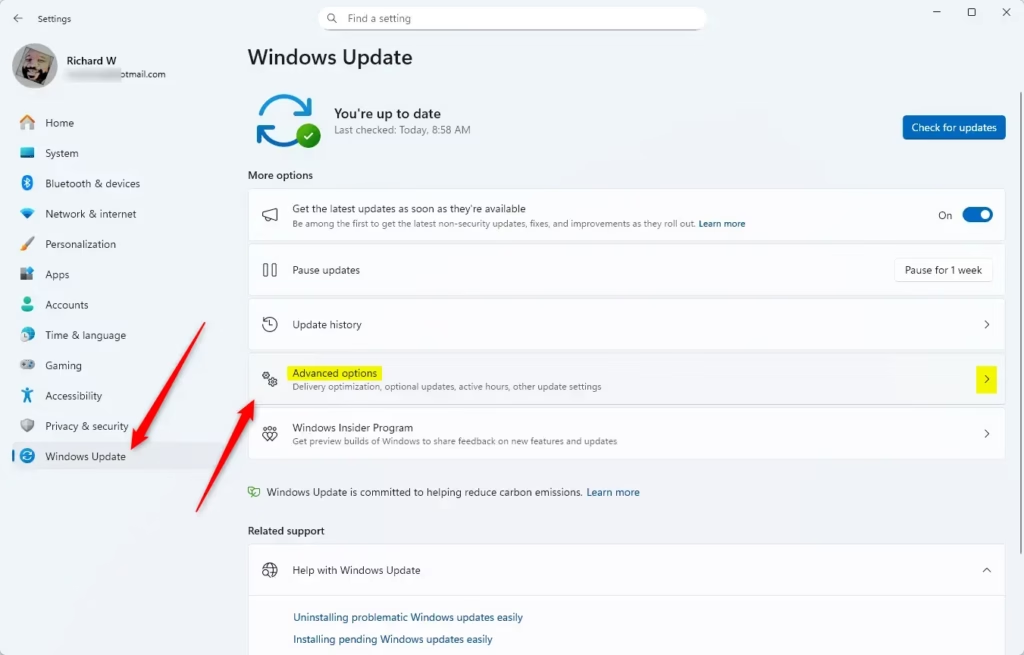
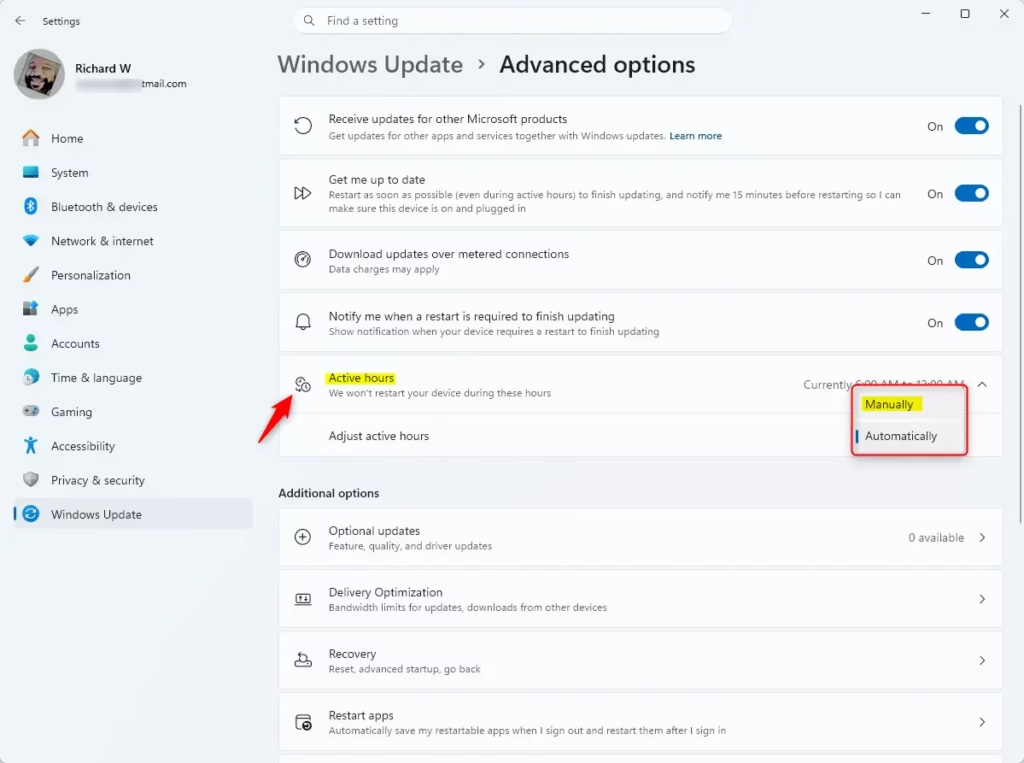
- Click Active hours to expand the menu.
- Choose Automatically or Manually from the drop-down menu.
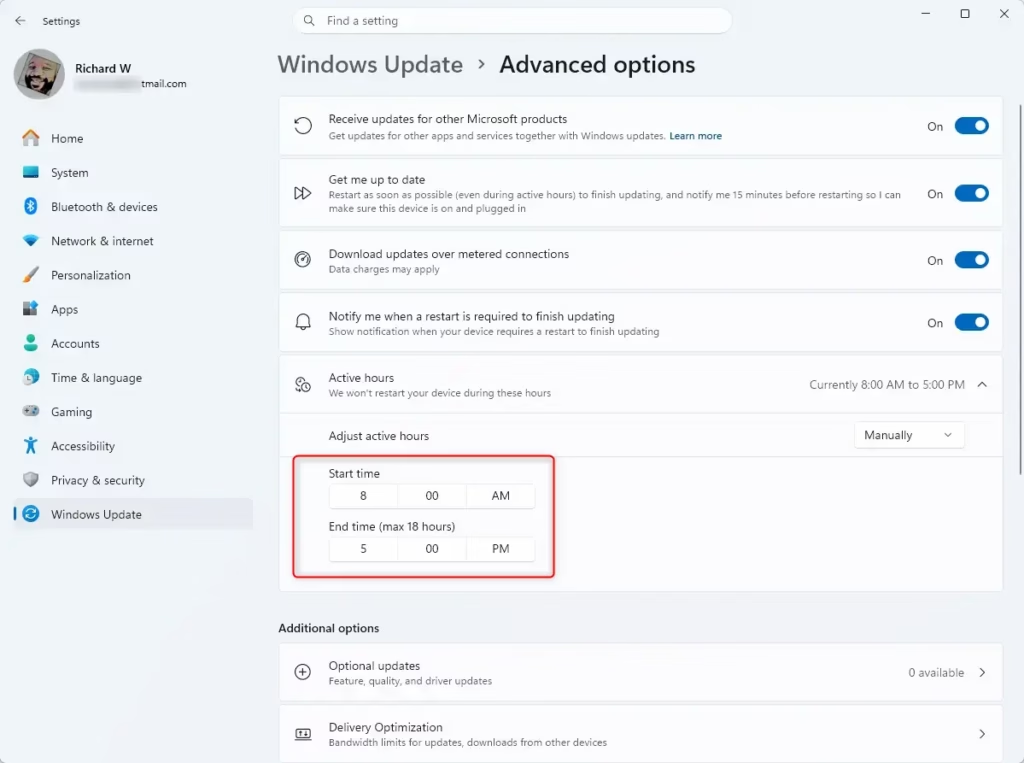
- If you choose Manually, pick your preferred start and end times, then click the check mark to save.
Troubleshooting: Why 🪟 Windows 11 Ignores Active Hours
Critical updates override custom schedules. Delayed reboots from previous pending updates also cause unexpected restarts.
🪟 Windows 11 Pro vs Home Limitations
Windows 11 Home users have fewer options for controlling updates. Pro, Enterprise, and Education editions support Group Policy Objects (administrative tools for enforcing strict update rules across network computers). Home editions remain restricted to the standard Settings menu.
Option 2Set Active Hours in Registry Editor
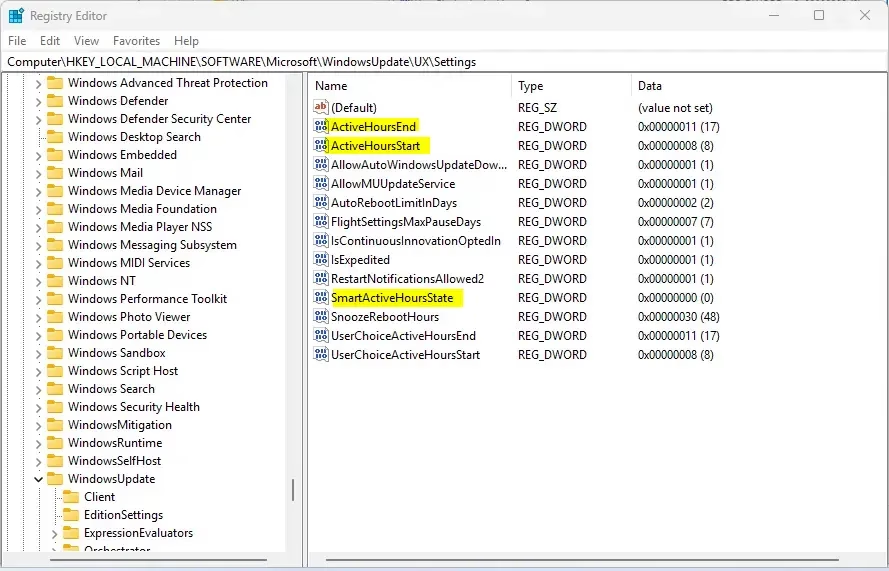
- Open Registry Editor (regedit.exe).
- Go to:
HKEY_LOCAL_MACHINE\SOFTWARE\Microsoft\WindowsUpdate\UX\Settings
Change SmartActiveHoursState to 0 for manual settings, or 1 for automatic. Adjust ActiveHoursStart and ActiveHoursEnd using decimal values in a 24-hour format (e.g., 14 for 2 PM).
Option 3Set Active Hours via Local Group Policy
Configuring Windows 11 active hours through the Local Group Policy Editor (gpedit.msc) lets administrators lock down update restart times across compatible systems. This method works well for office networks or advanced setups where you need to enforce specific rules for when your computer can reboot after installing updates.
- Open Local Group Policy Editor (gpedit.msc).
- Navigate to:
Computer Configuration\Administrative Templates\Windows Components\Windows Update\Manage end user experience
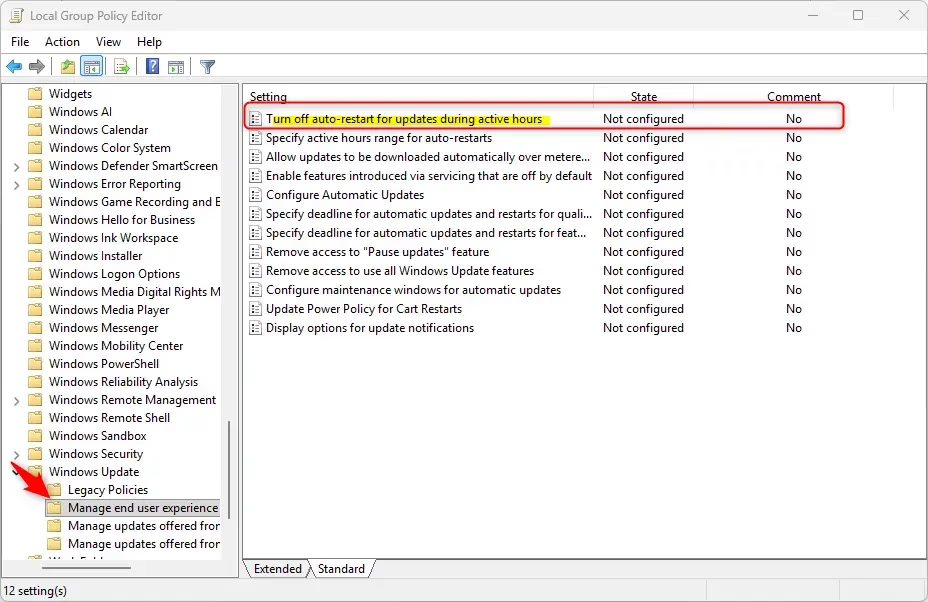
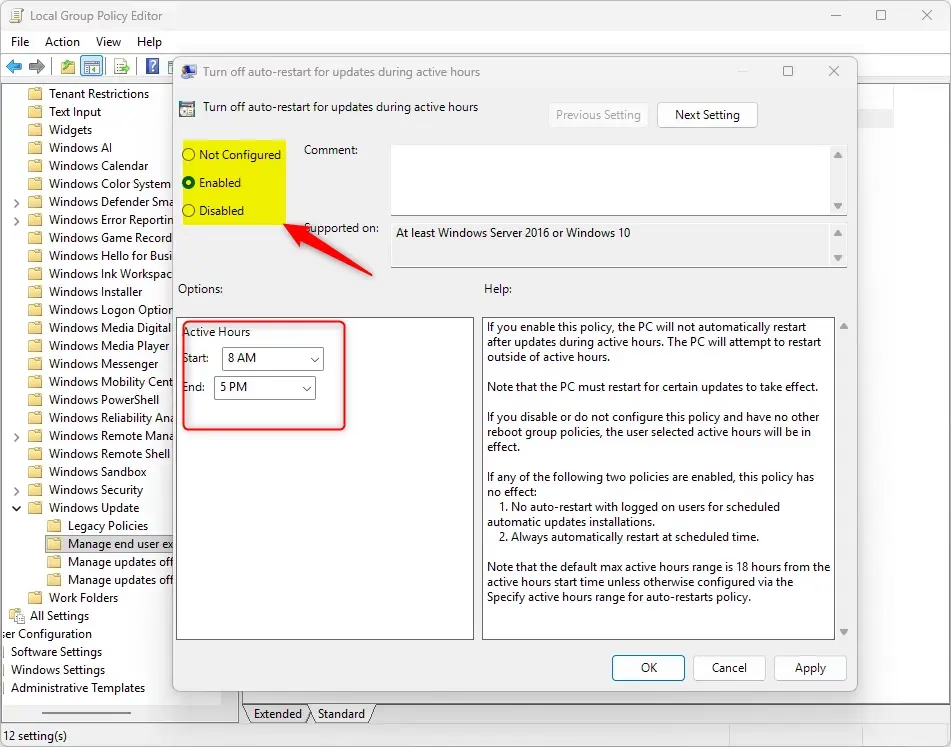
- Double-click Turn off auto-restart for updates during active hours.
- Select Enabled to set your custom times.
Summary
Active hours stop unwanted reboots. Configuring schedules works through the Settings app, Registry editor, or Group Policy Objects. Troubleshooting unresponsive settings requires checking the Windows Update Service status or metered connection configurations.
Was this guide helpful?

About the Author
Richard
Tech Writer, IT Professional
Richard is a writer at Geek Rewind who turns complex IT tasks into clear, step-by-step guides. He draws on years of hands-on experience in system administration and enterprise IT operations, focusing on Windows, Linux and WordPress: the problems people actually run into, and the fixes that work. His server and WordPress guides come from systems he runs himself. Richard builds and maintains the platform behind Geek Rewind, from its Ubuntu servers and Nginx configuration to its custom WordPress plugins. Many new tutorials start with readers' questions, and he's always glad to answer them in the comments.


No comments yet — be the first to share your thoughts!