How to Reset Local Security Policy in Windows 11

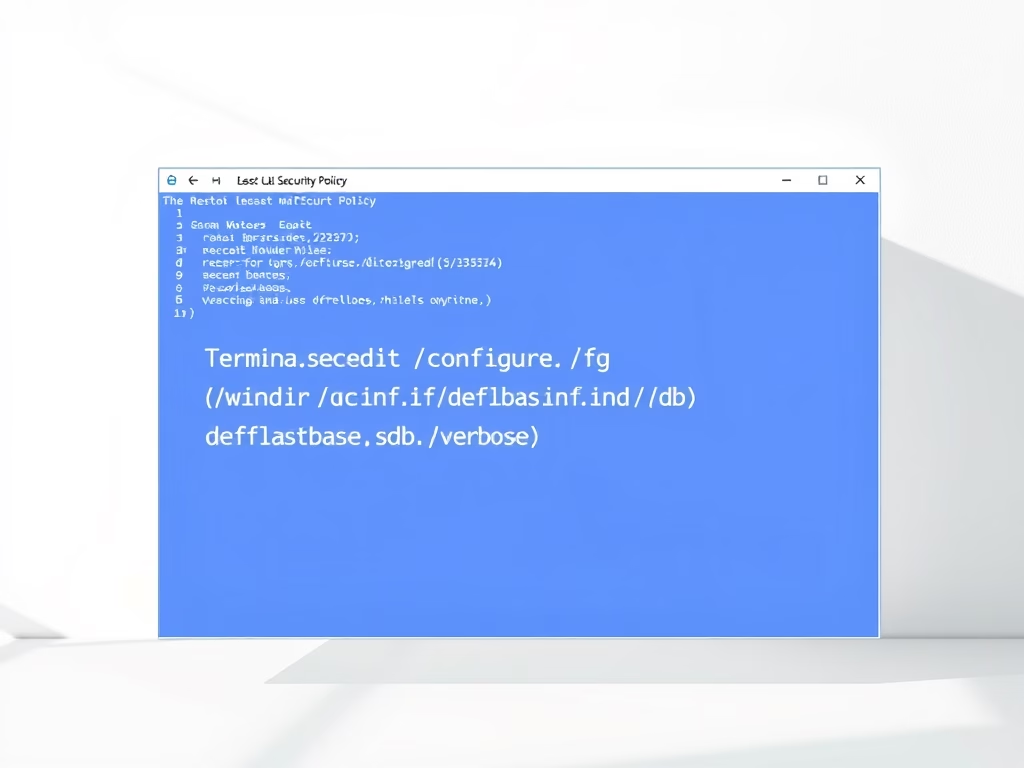
Local Security Policy in Windows 11 is a built-in settings manager that controls strict computer rules, such as password length requirements and account sign-in permissions.
Resetting this tool puts all your security rules back to their original factory defaults. This process clears out any custom changes you or an app made that might cause system errors or login blocks.
You can open the tool instantly by typing secpol.msc into the Windows search bar . Restoring the default settings fixes broken permissions without needing to reinstall Windows 11.
Open Windows Terminal as an Administrator and run the command secedit /configure /cfg 📂%windir%infdefltbase.inf /db defltbase.sdb /verbose. Afterward, restart your computer to apply the default security settings.
What is Local Security Policy?
Local Security Policy is a Windows tool that manages your computer’s security rules, like who can log in or how strong passwords must be.
If you use Windows 11 Home, you won’t see this tool. But you can change similar settings through the Registry Editor.
Why Reset Local Security Policy?
You should reset local security policy when misconfigured security rules cause software conflicts or login errors on your PC. Resetting the policy restores all default security settings back to their original factory state, clearing out accidental changes that block apps or system features from working properly.
- Someone may have changed security settings by mistake. This can cause problems on your computer. Resetting fixes those problems.
- It brings back the original security rules. These rules keep your computer safe.
- Checking and resetting these settings from time to time helps avoid security issues.
How to Reset Local Security Policy in 🪟 Windows 11
- [Requires Admin Privileges] Open Windows Terminal as an Administrator. Not sure how? Check Click here to learn how.
- Type this command into the Terminal window and press Enter:
secedit /configure /cfg %windir%\infdefltbase.inf /db defltbase.sdb /verbose - Wait for the process to finish. You'll see messages on the screen showing it's working.
- Restart your computer. This applies all the changes.
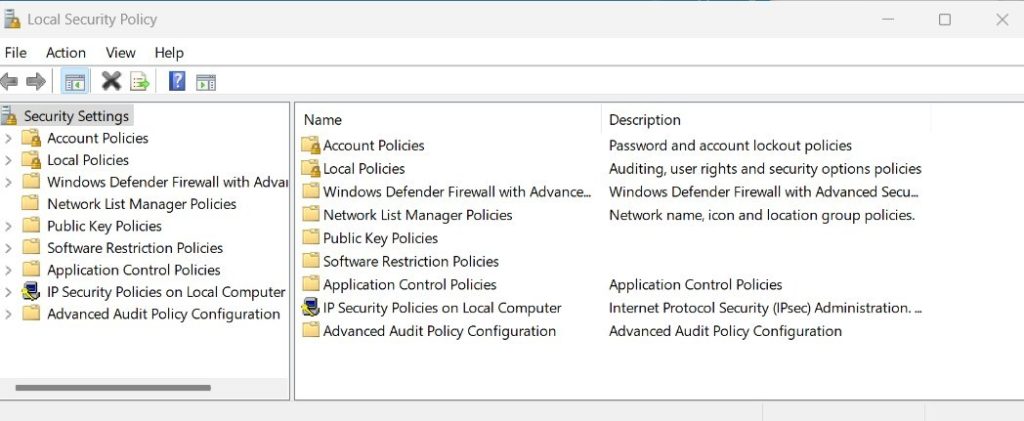
To reset local security policy in Windows 11, you need to run a built-in command-line tool with administrator rights. Open Windows Terminal as an administrator, run the security configuration command to wipe out custom rules, and then restart your computer to apply the default settings.
Quick Tips
- You can also run the command in Command Prompt as Administrator if you prefer that instead of Windows Terminal.
- Always back up your important files before making changes to your system.
- If you're unsure about any step, ask for help or read trusted guides online.
Summary
Do you have questions? Did this help you? Please leave a comment below!
Does changing local security policy require reboot?
Can I apply local group policy without restarting ? Are you applying user or computer settings? If computer, a reboot is always required. If user, a log on log off will suffice most of the time.
How to change local security policy?
To open Local Security Policy, on the Start screen, type secpol. msc, and then press ENTER. Under Security Settings of the console tree, do one of the following: Select Account Policies to edit the Password Policy or Account Lockout Policy.
Was this guide helpful?

About the Author
Richard
Tech Writer, IT Professional
Richard, a writer for Geek Rewind, is a tech enthusiast who loves breaking down complex IT topics into simple, easy-to-understand ideas. With years of hands-on experience in system administration and enterprise IT operations, he’s developed a knack for offering practical tips and solutions. Richard aims to make technology more accessible and actionable. He's deeply committed to the Geek Rewind community, always ready to answer questions and engage in discussions.



No comments yet — be the first to share your thoughts!