How to View Active Windows Update Policies in Windows 11

Windows Update policies are specific rules that control how updates install and behave on your Windows 11 PC. Employers, schools, or network administrators often set these rules to manage how software updates roll out across devices.
Checking your active policies helps you figure out why certain update options appear greyed out or why your computer installs updates automatically at set times. You can view these rules directly inside the Windows 11 Settings app to see exactly what controls your system updates.
You can view Windows Update policies in Windows 11 through the Settings app under Advanced options, or by using the Registry Editor at 🗝️HKEY_LOCAL_MACHINE\
Checking Your Configured Update Policies in 🪟 Windows 11 Settings
Microsoft provides a way to view these policies directly within the Windows 11 Settings app . You don’t need to be a tech expert. Follow these steps to see exactly what’s configured for your Windows Updates.
Step 1Open the Settings App
The Settings app lets you manage Windows Update policies Windows 11 and check system configurations. Open the app by pressing the Win and the I key at the same time on your keyboard. You can also click the Start button and select the gear icon to open Settings .
- Keyboard Shortcut: Press the Win and the I key on your keyboard at the same time. This is a handy shortcut!
- Start Menu : Click the Start button (the Windows logo) on the taskbar , then click the Settings icon (it looks like a gear).
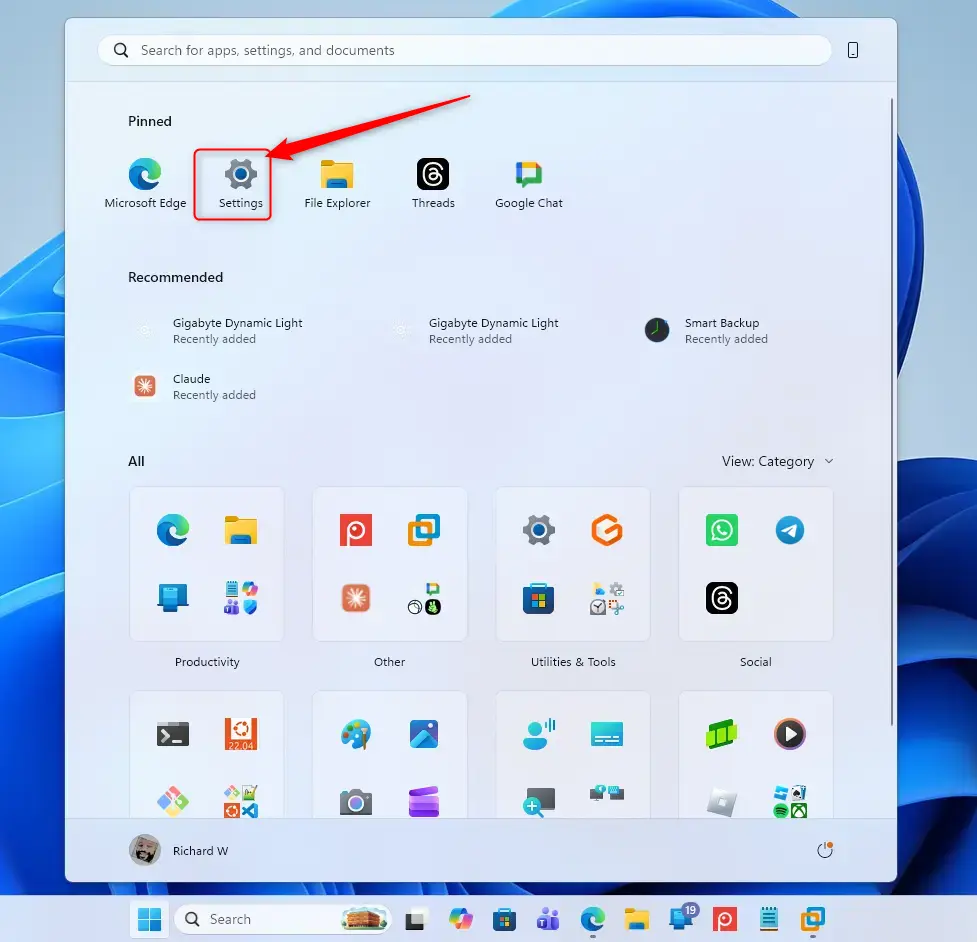
Whichever method you choose, the Settings window will appear, giving you access to your PC’s configurations.
Step 2Navigate to Windows Update
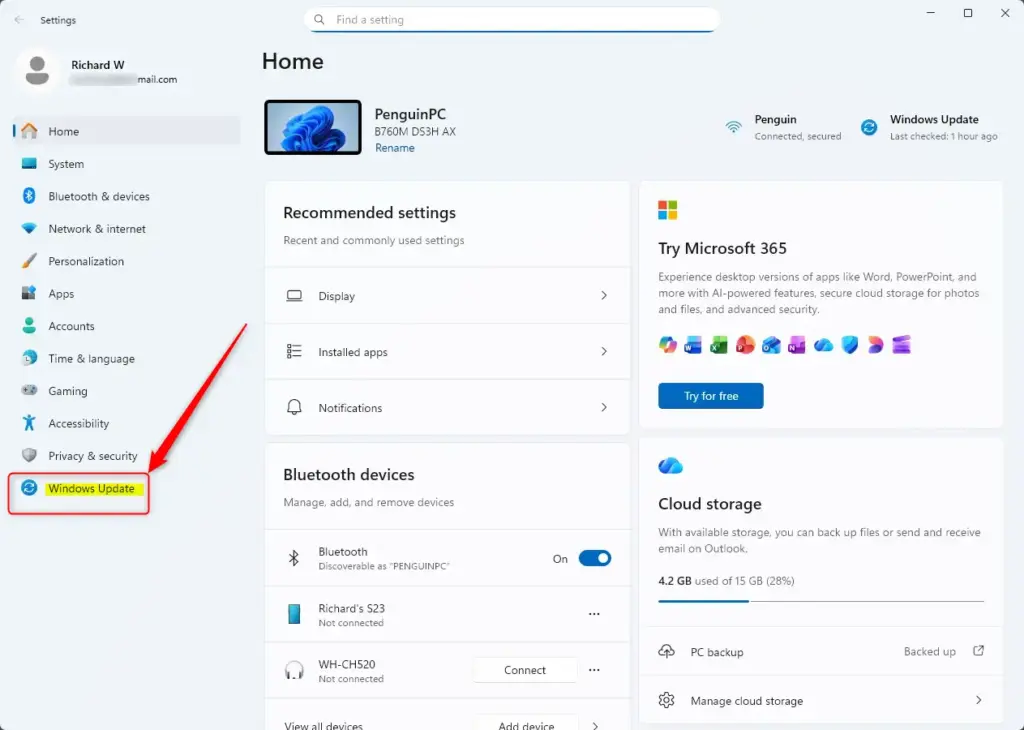
Windows Update contains the system controls you need to view Windows Update policies Windows 11 and check for software patches. Find this section by clicking Windows Update in the left-hand menu of the Settings app. Scroll down the list if you do not see it right away.
It's usually near the bottom.
Step 3Access Advanced Options
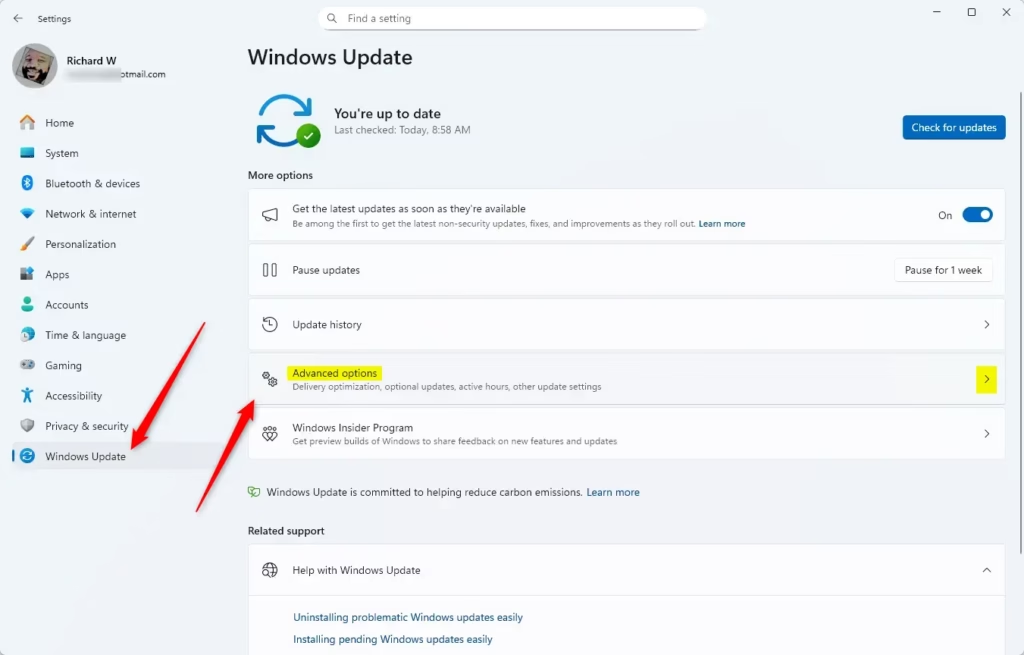
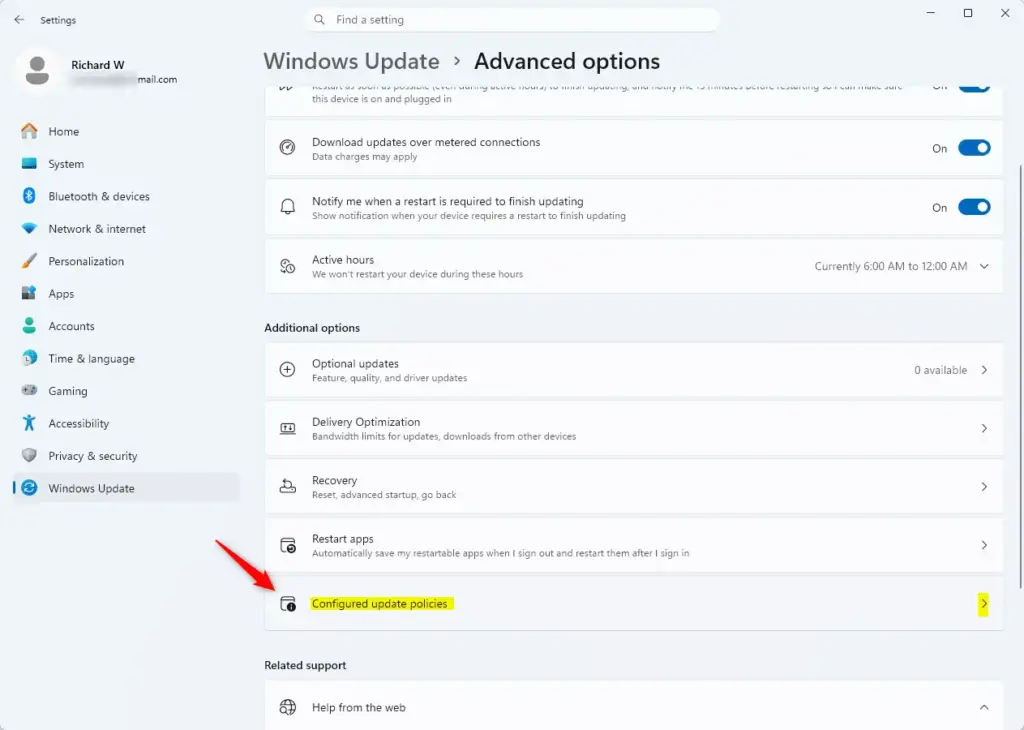
On the right side of the Windows Update screen, you'll see various settings and information. Click on "Advanced options." This is where you'll find more detailed configurations.
Step 4Find Configured Update Policies
Configured update policies appear in Windows 11's Advanced options for Windows Update. To view these policies, scroll down to the section labeled "Configured update policies." Click on this section, which may appear as a clickable link or a heading with an arrow.
Step 5Review the List of Policies
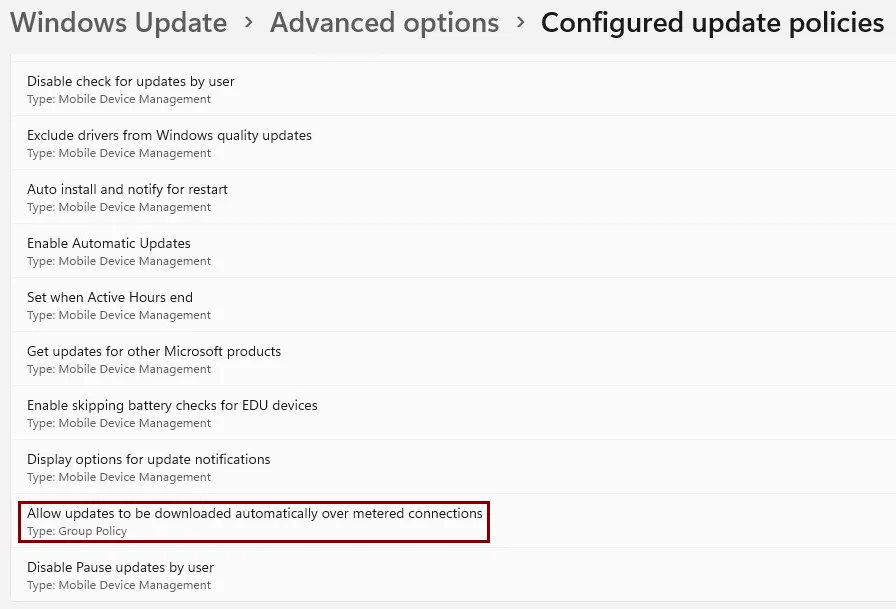
You can now see all active Windows Update policies on your device. Each policy shows its specific setting or value. These policies are the rules that control how Windows Update works on your PC.
Summary
Viewing active Windows Update policies in Windows 11 helps you understand your PC's update behavior. By accessing the 'Configured update policies' section in Settings, you can see any rules set by administrators or yourself, giving you better control over your updates.
Was this guide helpful?

About the Author
Richard
Tech Writer, IT Professional
Richard is a writer at Geek Rewind who turns complex IT tasks into clear, step-by-step guides. He draws on years of hands-on experience in system administration and enterprise IT operations, focusing on Windows, Linux and WordPress: the problems people actually run into, and the fixes that work. His server and WordPress guides come from systems he runs himself. Richard builds and maintains the platform behind Geek Rewind, from its Ubuntu servers and Nginx configuration to its custom WordPress plugins. Many new tutorials start with readers' questions, and he's always glad to answer them in the comments.


No comments yet — be the first to share your thoughts!