How to Enable or Disable Voice Access in Windows 11

Voice Access is a built-in tool that lets you control your entire computer using spoken commands. This guide shows how to turn it on, how to turn it off again, and what to check if the setup does not finish.
Open Settings , navigate to Accessibility, then Speech, and toggle Voice access to On. You will need to download a language pack the first time you enable it.
What is Voice Access in 🪟 Windows 11?
Voice Access lets you click buttons, scroll pages, and manage windows hands-free. It also works offline. Once its language files are installed, your speech is processed on your computer, so your speech data stays private.
It is part of Windows 11 itself, so there is nothing extra to buy. It is not an app you download. Because it is a built-in feature, you turn it on and off in Settings, which the steps below cover.
Why use Voice Access?
Voice Access turns a computer into one that responds to your voice. That helps users with limited mobility, and anyone who simply wants a hands-free option. You can open apps, browse the web, and write documents without a mouse or keyboard.
You will need a working microphone. A headset microphone usually gives better recognition than the built-in one on a laptop, especially in a noisy room.
What happens when you are done?
When setup finishes, a voice access bar appears at the top of your screen. The bar shows whether the computer is listening, so glance at it if a command does not seem to work. Spoken commands let you navigate your desktop, type text, and control your apps.
If the bar is not there, Voice Access is not running. Go to the steps further down and check that the setting is switched on.
Voice Access vs. Voice Typing: What is the difference?
Windows Voice Access controls your entire computer system. Windows Voice Typing is different. It only dictates text into documents or search boxes. Voice Access lets you click, drag, and interact with the Windows interface. With system-wide control, you can operate Windows entirely without a physical mouse or keyboard.
In practice, use Voice Typing when you only want to dictate a few lines. Use Voice Access when you need to move around Windows and your apps by voice.
How to Enable Voice Access
Enabling Voice Access in Windows 11 lets you control your PC using spoken commands. The setting is in the Accessibility section of the Settings app.
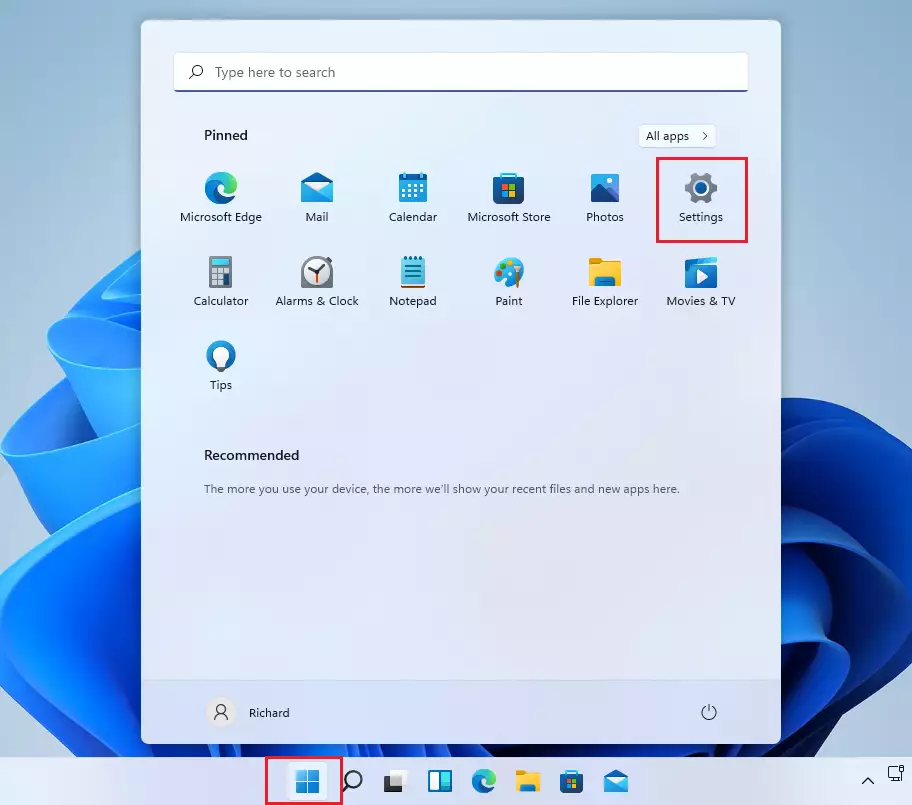
- Press Windows key + I to open Settings. The Settings window opens.
- Click Accessibility in the left sidebar. The accessibility options appear on the right.
- Select Speech. The speech options open, including Voice access.
- Toggle Voice access to On. Windows starts the setup. The first time, it downloads a language pack. When setup finishes, the voice access bar appears at the top of your screen.
To disable Voice Access, follow the same path, Settings Accessibility Speech, and toggle Voice access to Off. The voice access bar disappears and Windows stops listening. You do not need to restart the PC for either change. Your downloaded language files stay on the computer, so turning it on again later is quick.
If you cannot find Speech or the Voice access toggle, check that your copy of Windows 11 is up to date. Voice Access first arrived in the Windows 11 2022 Update (version 22H2), so older builds do not have it. Run Windows Update, restart, and look again.
The first time you turn Voice Access on, it needs to download a language pack. This pack lets your computer process spoken commands on the device, so you do not need an internet connection once it is installed.
You do need a connection for that first download. If you are offline when you switch the feature on, connect to the internet first, then try again.
Troubleshooting Language File Downloads
Voice Access language file downloads in Windows 11 might fail if your Windows display language is not set to English-U.S. Changing your display language to English-U.S. often fixes these download problems. Here is how to check and fix it:
- Open Settings and go to Time & language Language & region
- Look at the Windows display language setting. If it is not English (United States), change it to that.
- Sign out and back in if Windows asks you to, so the new display language applies.
- Turn Voice access on again and let the download run.
If the download still fails, restart the computer and try again. A restart fixes most persistent errors. You can switch your display language back afterwards if you want. To undo the change, go to the same page and pick your original language.
Using Voice Access Commands
Almost any task works with spoken commands. Visit the official Microsoft Voice Access command list to see the available options. Common commands include "Click [name of button]" or "Scroll down."
Start with a few simple commands and add more as you get used to them. The official list is long, and you will pick up the ones you need most often by using them.
Multi-Display Support
Voice Access works across multiple monitors. Grid overlays are numbered reference grids that appear over your workspace. They help you target items on different screens. Say "Show grid" to place numbers over every clickable element. Then say the number of the item you want to act on.
This is handy when a button has no name Voice Access can recognise, or when two items on screen share the same label.
Summary
Voice Access provides solid hands-free control of your PC. To enable it, go to Settings Accessibility Speech and switch on Voice access. To disable it, switch the same toggle off. Remember to download the required language files, and keep the official command list handy to build up your workflow.
Have a question about this guide?
Answered by AI from this guide. Good questions may be added to this page — please don't include personal details.
Did this guide fix your problem?

About the Author
Richard
Tech Writer, IT Professional
Richard is a writer at Geek Rewind who turns complex IT tasks into clear, step-by-step guides. He draws on years of hands-on experience in system administration and enterprise IT operations, focusing on Windows, Linux and WordPress: the problems people actually run into, and the fixes that work. His server and WordPress guides come from systems he runs himself. Richard builds and maintains the platform behind Geek Rewind, from its Ubuntu servers and Nginx configuration to its custom WordPress plugins. Many new tutorials start with readers' questions, and he's always glad to answer them in the comments.
No comments yet — be the first to share your thoughts!