How to Disable Voice Access Auto Start In Windows 11


Voice Access is a built-in Windows 11 tool that lets you control your PC with your voice. If it has been turned on, it can start by itself as soon as Windows loads, which means the microphone bar appears on screen whether you want it or not. You can stop this from the Settings app on any Windows 11 PC running version 22H2 or newer. Voice Access was added in 22H2, so earlier builds do not have it.
Turning off auto-start keeps Voice Access quiet until you actually need it. You can still open it by hand at any time. This guide covers three ways to do it: the Settings app, Task Manager , and the Registry Editor. Start with the first and only move on if it does not work.
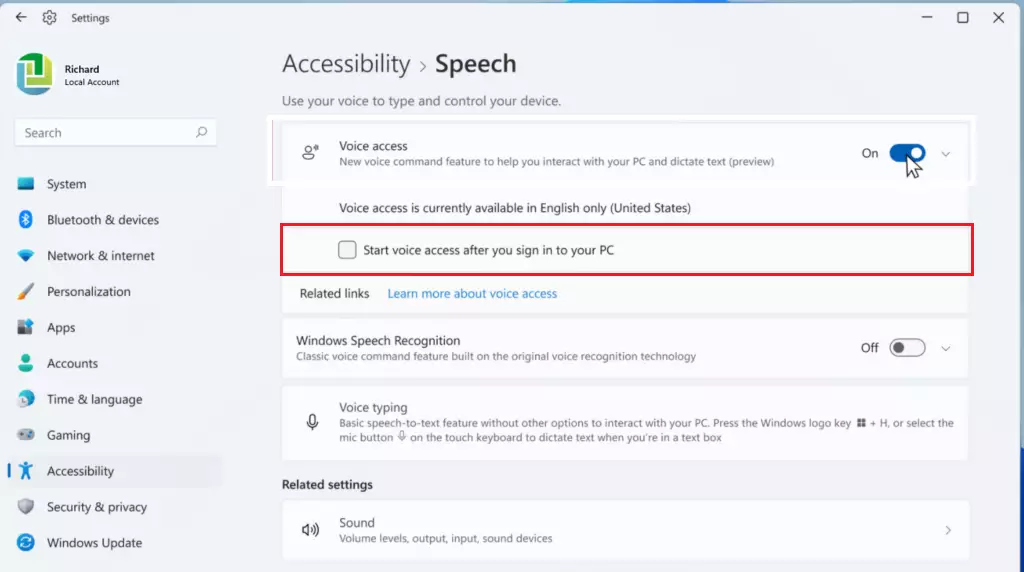
Go to Settings Accessibility Speech Voice access and uncheck “Start voice access after you sign in to your PC”. You can also disable it in Task Manager under Startup apps.
Disable via Accessibility Settings
The Settings app is the safest option because it uses the switches Microsoft built for this feature and does not touch system files. It works the same on Home and Pro. You do not need to restart afterwards, and you can reverse the change at any time by turning the same option back on.
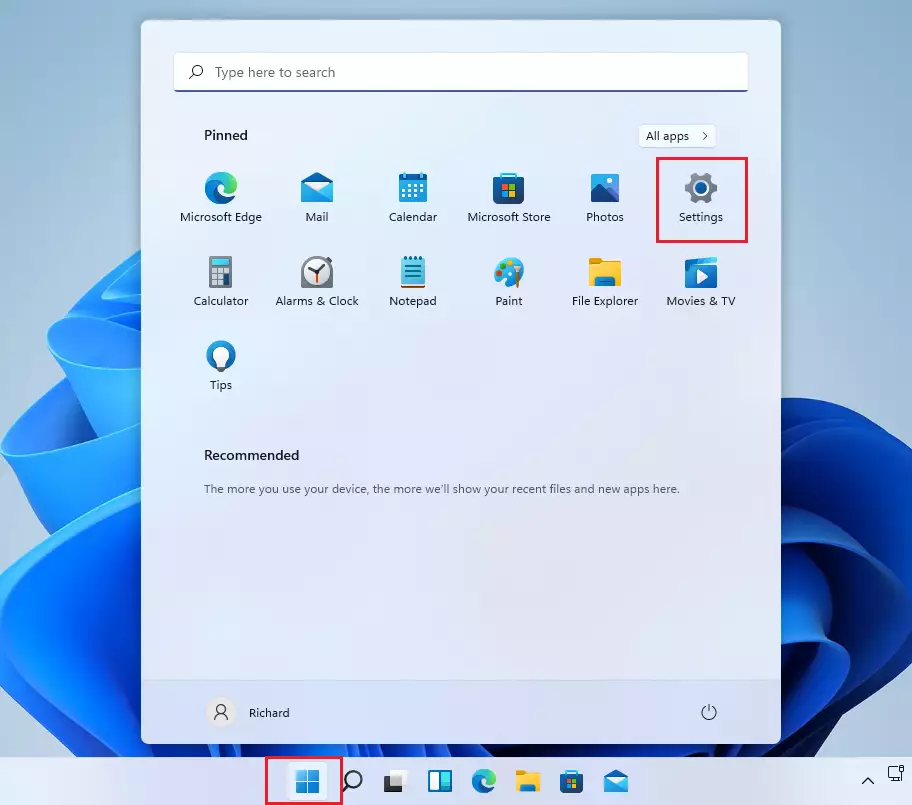
- Press Win+I to open Settings.
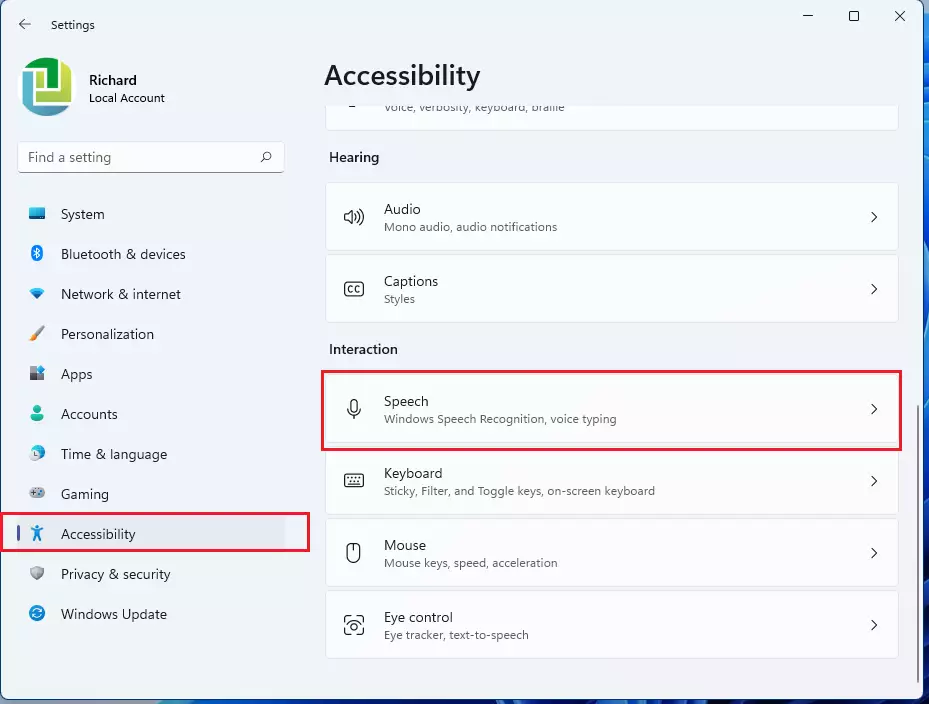
- Click Accessibility in the left sidebar.
- Select Speech.
- Click Voice access.
- Uncheck Start voice access after you sign in to your PC.
Once the startup options are cleared, Voice Access should no longer load when you sign in. To check, restart the PC and sign in. If the Voice Access bar does not appear at the top of the screen, the change worked. If it still appears, try the Task Manager method below.
Disable via Task Manager
Task Manager lets you stop programs from running when your computer turns on, and it is the quickest way to disable Voice Access at startup if you are already looking at your startup list. You can open it with a few keystrokes, find the entry in the startup list, and turn it off so it stops opening every time you sign in. Task Manager is included in every edition of Windows 11, and you do not need to restart for the change to be saved. It takes effect the next time you sign in.
Keep in mind that Voice Access may not appear in the startup list on every PC. Windows often controls its launch through the Settings option instead. If you do not see it, go back to the Settings method rather than disabling something else by mistake.
- Press Ctrl + Shift + Esc to open Task Manager.
- Click the Startup apps tab on the left.
- Look for any entry related to Voice access or Speech Recognition.
- Right-click the item and select Disable.
The entry should now show a status of Disabled. To undo this, return to the same list and enable the entry again. For more details, see our guide on how to manage Windows 11 startup apps.
Advanced: Registry Editor
Registry Editor (a database for system settings) lets you permanently disable Voice Access by deleting the command that launches it at boot. Mistakes in the registry can cause system problems, so only use this method if the other options do not stop the feature from starting. Before you change anything, make sure you know exactly which entry you are removing. It is also a good idea to export a backup of the key first, so you can restore it if something goes wrong.
- Press Windows key + R, type regedit, and press Enter.
- Navigate to:
HKEY_CURRENT_USER\Software\Microsoft\Windows\CurrentVersion\Explorer\Startup\Approved\Run - If you find a key related to Voice access, you can delete it or modify its value to prevent it from launching.
After you delete the entry, close Registry Editor and restart the PC so Windows reads the new startup list. If Voice Access still launches, the entry may be in another location, or the Settings option may be switching it back on. Check the Settings page again in that case.
Summary
Managing startup behavior through Settings, Task Manager, or the registry keeps Voice Access from using resources until you ask for it. You can start it manually whenever you need it, and re-enable auto-start the same way you turned it off.
Have a question about this guide?
Answered by AI from this guide. Good questions may be added to this page — please don't include personal details.
Did this guide fix your problem?

About the Author
Richard
Tech Writer, IT Professional
Richard is a writer at Geek Rewind who turns complex IT tasks into clear, step-by-step guides. He draws on years of hands-on experience in system administration and enterprise IT operations, focusing on Windows, Linux and WordPress: the problems people actually run into, and the fixes that work. His server and WordPress guides come from systems he runs himself. Richard builds and maintains the platform behind Geek Rewind, from its Ubuntu servers and Nginx configuration to its custom WordPress plugins. Many new tutorials start with readers' questions, and he's always glad to answer them in the comments.
No comments yet — be the first to share your thoughts!