How to Receive a File Using Bluetooth in Windows 11

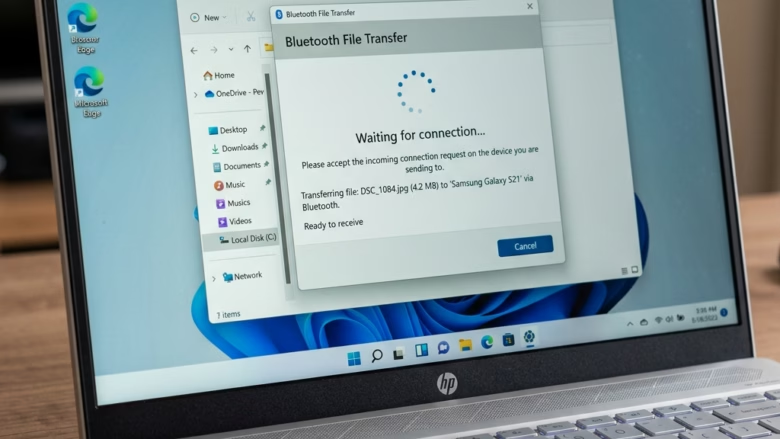
Receiving a file over Bluetooth in Windows 11 starts by opening the Bluetooth settings menu and setting your PC to allow incoming file transfers. Bluetooth is a wireless technology that lets you send photos, music, and documents between your computer and nearby devices like phones or tablets without using the internet.
Before any transfer starts, you must open the hidden Bluetooth File Transfer wizard by going to Settings Bluetooth & devices > Devices More Bluetooth settings and clicking “Receive a file”. The wizard is not a normal app with a Start menu icon, which is why most people never find it. The sections below cover two ways to open it.
Ensure your PC’s Bluetooth is on and discoverable. Open Settings , navigate to Bluetooth & devices, then Devices. Click “Send or receive files via Bluetooth ,” select “Receive files,” and wait for the transfer from the paired device.
Receive a File Using Bluetooth
Someone’s sending you a file through Bluetooth , and you need to get it onto your Windows 11 computer. It’s a process that becomes smooth once you get started. Here’s how to prepare your PC to receive files. The order matters: pair the devices first, open the receive wizard second, and start the transfer from the sender last.
Make Sure Your Devices Are Connected (Paired)
To pair devices in Windows 11 for file transfers, open Settings and go to Bluetooth & devices to connect your phone or computer. Both devices must have Bluetooth turned on and be paired before you can receive bluetooth files windows 11 from an external source.
- Open Settings Bluetooth & devices.
- Switch the Bluetooth toggle to On. If you can’t find the toggle at all, your PC probably has no Bluetooth adapter, or its driver is missing. Also check that Airplane mode is off.
- Click Add device, then choose Bluetooth in the window that opens.
- Put the other device in pairing mode. On a phone, open its Bluetooth settings and leave that screen open so it stays visible to nearby devices.
- Select the other device in the list on your PC. You should see it appear under the list of devices as available.
- Confirm the pairing code on both screens if you are asked to. Once it connects, the device shows up under Devices on the Bluetooth & devices page.
You only need to pair once. After that, Windows remembers the device, and you can skip this section next time unless the pairing gets removed.
Good tip: Remember, the device sending the file doesn’t have to be another Windows computer! It could be your Android phone, an iPhone, or another laptop with a different operating system. As long as both devices have Bluetooth and are paired, you’re set. Be aware that some phones limit which file types they will send over Bluetooth, so if a particular file won’t go, try another type to find out whether the phone is the problem.
Get Your PC Ready to Receive
You can open the Bluetooth File Transfer tool in Windows 11 by pressing the Start menu, typing fsquirt, and opening the app. This hidden utility prepares your PC to receive bluetooth files windows 11 from phones, tablets, or other computers.
Follow the steps below in order. When the tool opens, you should see a small window titled Bluetooth File Transfer with the options to send or receive files.
- Click the Start menu button.
- Select Settings.
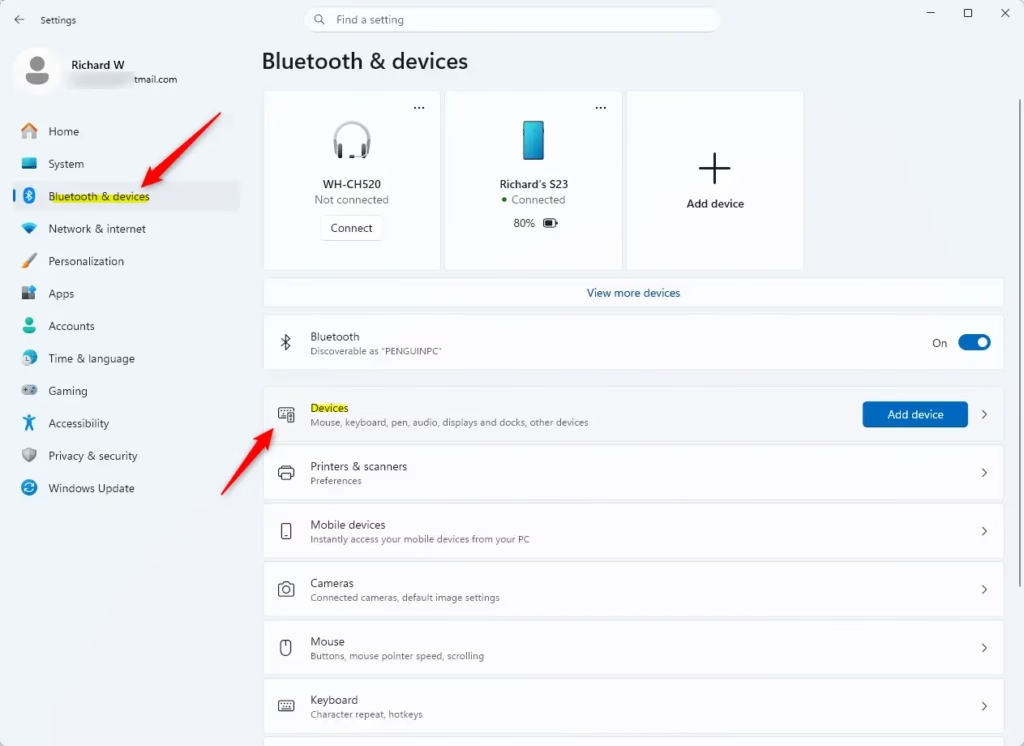
- In the Settings window, click on Bluetooth & devices in the left sidebar.
- Then, click on Devices.
Alternatively, you can use a quick shortcut:
The shortcut below opens the same Bluetooth File Transfer window, so use whichever route you find easier.
- Click the Start menu.
- Type
fsquirt. - Select the matching result.
- From there, click Devices.
These software components are called drivers (software that helps Windows talk to your hardware), and you might need to update them.
To check, right-click Start, open Device Manager, and look for a Bluetooth category. If it's missing, or a device there has a yellow warning icon, install the latest Bluetooth driver from your PC or adapter maker, then restart and look again. A USB Bluetooth adapter is a cheap fix for a desktop with no built-in Bluetooth.
Open the Bluetooth File Transfer Tool
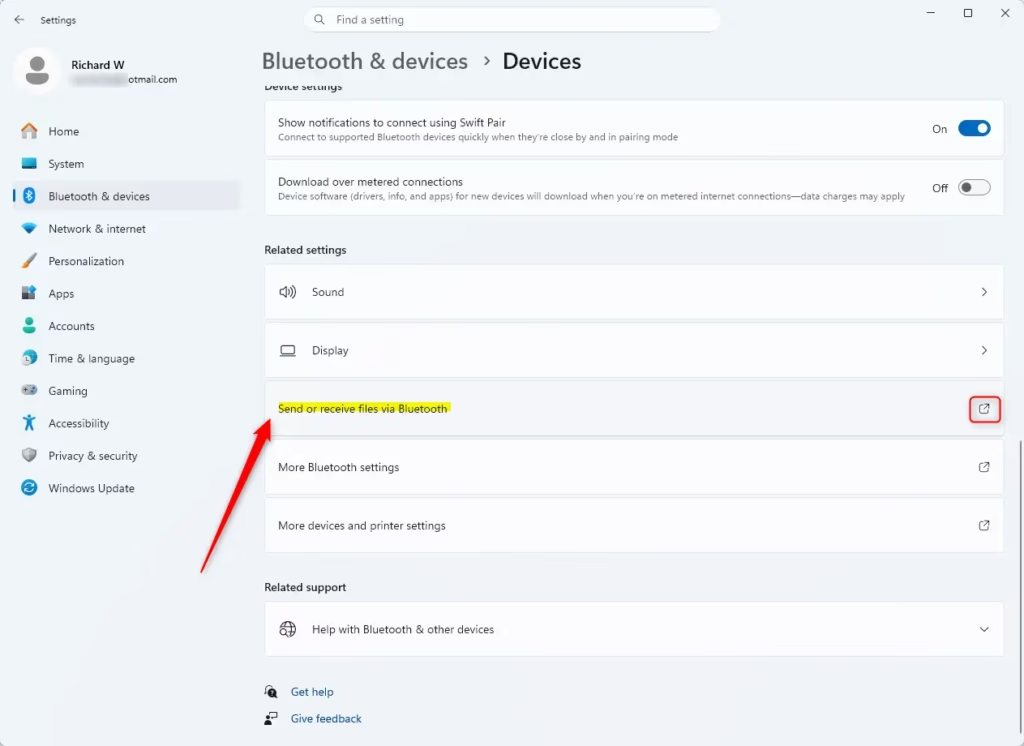
Once you're in the Bluetooth & devices section, scroll down to find "Related settings" and click on Send or receive files via Bluetooth. This will open a small window called "Bluetooth File Transfer." On some builds the link sits on the Devices page, so look there if you don't see it. It's the same window you get from the fsquirt method above.
Tell Your PC You're Waiting
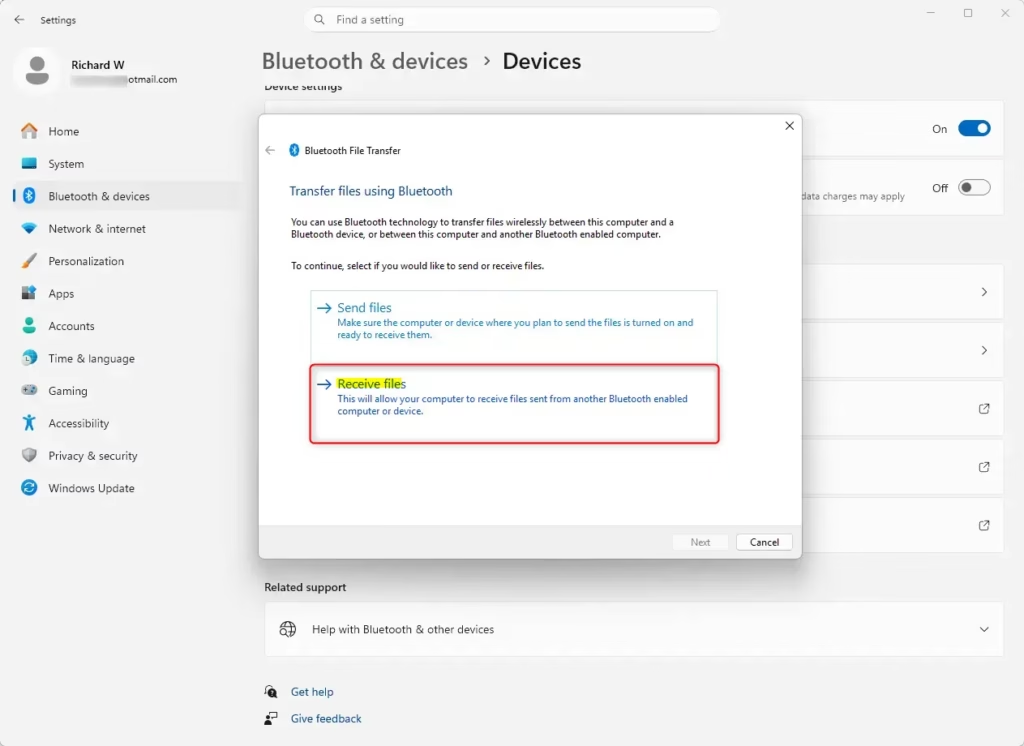
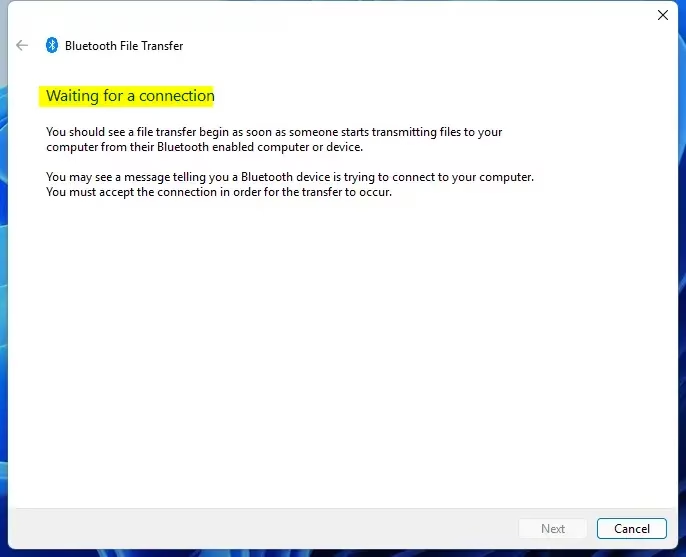
With the Bluetooth File Transfer tool open on your Windows 11 PC, select 'Receive files' to signal your computer is ready to accept files.
This screen indicates your computer is actively listening for a file transfer request from a paired Bluetooth device. It's ready! You should see the message "Waiting for a connection". Leave this window open. If you close it, your PC stops listening and the sender will get an error.
Start the Transfer from the Other Device
You must trigger the transfer from your phone or sending computer once your Windows 11 PC is ready to receive bluetooth files windows 11. Open the share menu on your sending device, choose Bluetooth, and select your Windows PC from the list of available hardware.
Receiving a file using Bluetooth in Windows 11 involves different steps depending on the sending device. If another Windows 11 computer sends the file, follow the steps for sending a file via Bluetooth. If a phone or different device sends the file, consult that device's user manual or manufacturer's website for Bluetooth file sending instructions.
The crucial point is that the sending device must begin the transfer *after* your Windows 11 PC is in "Waiting for a connection" mode. If the sender says the connection failed, check that both devices are still paired and within a few meters of each other. Then cancel, go back to the "Waiting for a connection" screen, and send again. Your PC should show a progress bar once data starts to arrive.
Choose Where to Save Your New File
You can pick a new destination folder when the transfer finishes by clicking the Browse button in the transfer window. This lets you save your incoming bluetooth files windows 11 to your Documents, desktop, or any custom folder you prefer.
If you prefer a different spot – perhaps a project folder or your "Documents" – click the Browse button. This allows you to navigate your computer's folders and pick any location for the file. Select the folder and confirm, and the new location should appear in the path box.
Important Note: Make sure you remember where you save the file! If you don't pick a location and click "Finish," it will go to the default Downloads folder. You might need to search for it later if you forget. Check the location shown in the window before you finish, as that is where the file will go.
All Done!
Your file transfer is fully complete once you click Finish in the transfer window after saving your item. You can now open your chosen folder to view the bluetooth files windows 11 that you just transferred. To receive another file, open the Bluetooth File Transfer tool again and repeat the Receive files step, because the PC does not keep listening after a transfer ends. If you don't recognize the file or the sender, delete it without opening it.
Reference:
Summary
This guide walks you through receiving files on your Windows 11 PC using Bluetooth. We covered pairing devices, opening the file transfer tool, setting your PC to receive, initiating the transfer from the sender, and choosing where to save the file. If something fails, the usual causes are a missing Bluetooth driver, devices that aren't paired, or a sender that started before the PC was waiting for a connection.
Was this guide helpful?

About the Author
Richard
Tech Writer, IT Professional
Richard is a writer at Geek Rewind who turns complex IT tasks into clear, step-by-step guides. He draws on years of hands-on experience in system administration and enterprise IT operations, focusing on Windows, Linux and WordPress: the problems people actually run into, and the fixes that work. His server and WordPress guides come from systems he runs himself. Richard builds and maintains the platform behind Geek Rewind, from its Ubuntu servers and Nginx configuration to its custom WordPress plugins. Many new tutorials start with readers' questions, and he's always glad to answer them in the comments.

No comments yet — be the first to share your thoughts!