How to Hide WiFi Networks in Windows 11

Hiding a WiFi network stops your wireless router from broadcasting its name so strangers cannot see your connection details on their lists. This process involves hiding your SSID (service set identifier, the public name of a wireless network) to add an extra layer of privacy for your home network.
You can use this trick if you live in a busy apartment building or a crowded area where passersby spot your private network details. Windows 11 still lets your own devices connect fine while keeping your network hidden from casual scanners.
You can hide WiFi networks in Windows 11 by opening Command Prompt as administrator and using netsh wlan add filter commands. Use ssid=YYYYYYYY to block specific networks or ssid=ZZZZZZZZ with permission=allow after permission=denyall to show only your network.
Why hide WiFi networks?
Cleaning up the available connections list makes finding and joining your own network much faster.
What happens when you are done?
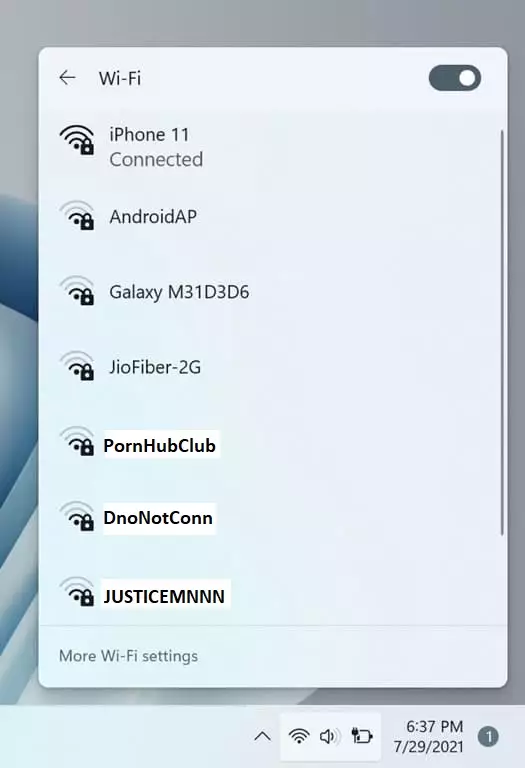
Removing these entries clears them directly from the quick settings menu. SSID filtering keeps the Windows 11 network interface tidy. Blocked networks vanish from view once the configuration steps finish.
Warning: Administrative Privileges
Windows blocks unauthorized configuration attempts and triggers an ‘Access Denied’ message during unprivileged attempts. Elevated permissions are mandatory for making these changes.
How to block specific networks
To hide specific WiFi networks in Windows 11 so they do not show up in your available connection list, you can use built-in network commands. Running a few simple commands in the Command Prompt tells Windows to ignore the broadcast signals from unwanted routers without needing any extra apps.
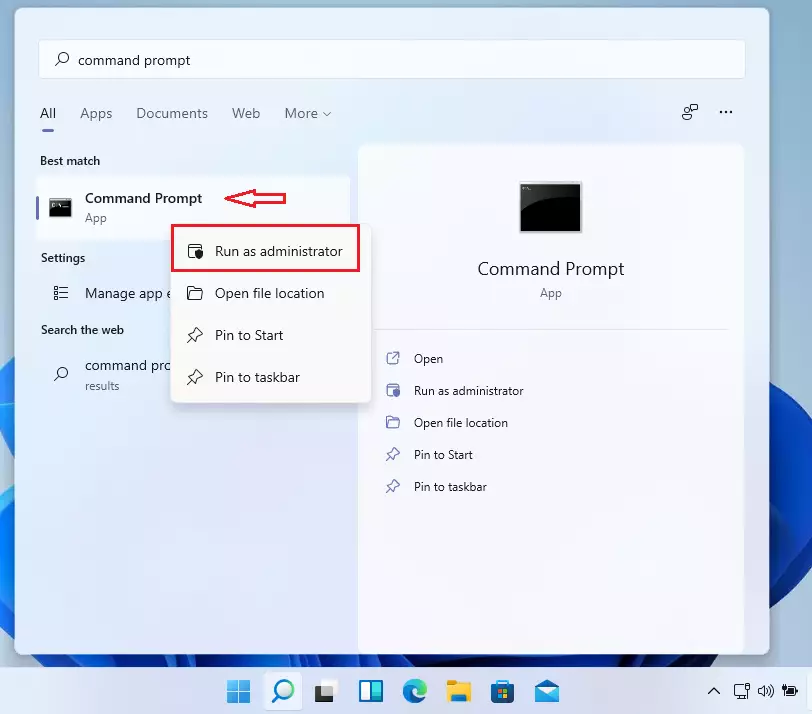
- Click the Start button and type cmd.
- Right-click 'Command Prompt' and select 'Run as administrator'.
- Run these commands to block specific network names (SSIDs):
The `netsh wlan` command filters these specific network names from your device's view.
How to block everything except your own
Blocking all surrounding wireless signals except your own connection in Windows 11 keeps your computer from seeing every other router in your area. You can set up a strict filter using the Command Prompt that hides every network on your list except the single trusted access point you choose to allow.
- Open the Command Prompt as an administrator.
- Run this command to block all networks:
netsh wlan add filter permission=denyall networktype=infrastructure
- Next, run this command to allow only your specific network to show:
The network name placeholder "ZZZZZZZZ" requires replacement with your WiFi network's actual name. This specific change instructs your computer to connect only to your trusted WiFi network. Hiding a WiFi network prevents the network name from being broadcast, which makes it more difficult for unknown devices to locate your network.
How to verify your changes
Checking your active network filters in Windows 11 lets you confirm that your blocked connections are actually hidden. Running a quick command in the Command Prompt displays a full list of your current rules so you can make sure your unwanted networks appear right where they belong under the deny list.
netsh wlan show filters
This displays a complete inventory of active connection constraints. Finding targeted SSIDs under the 'Deny' banner confirms the procedure succeeded.
How to revert your changes
Deleting established filters restores visibility for previously concealed connections. Running the following command removes specific block rules:
netsh wlan delete filter permission=deny ssid="NetworkName" networktype=infrastructure
Executing this instruction deletes the restriction and returns the target network to the standard connection menu.
Summary
Command line utilities provide total control over wireless profiles and visibility rules in Windows 11.
Was this guide helpful?

About the Author
Richard
Tech Writer, IT Professional
Richard is a writer at Geek Rewind who turns complex IT tasks into clear, step-by-step guides. He draws on years of hands-on experience in system administration and enterprise IT operations, focusing on Windows, Linux and WordPress: the problems people actually run into, and the fixes that work. His server and WordPress guides come from systems he runs himself. Richard builds and maintains the platform behind Geek Rewind, from its Ubuntu servers and Nginx configuration to its custom WordPress plugins. Many new tutorials start with readers' questions, and he's always glad to answer them in the comments.


No comments yet — be the first to share your thoughts!