How to Create a System Restore Point in Windows 11

You create a system restore point in Windows 11 to save a snapshot of your PC’s critical system files, settings, and registry so you can revert to a stable state if a future change causes problems.
A system restore point acts like a bookmark for your computer’s configuration. It allows you to undo recent software installations, driver updates, or Windows updates that might make your PC unstable, without deleting your personal files like documents or photos.
For instance, if a new software installation corrupts your system, you can use a restore point created before that installation to return your PC to its working condition, potentially avoiding the need for a full Windows 11 reset.
Open System Properties by typing sysdm.cpl in the Run box, then go to the System Protection tab. Select your main drive, click Configure, choose Turn on system protection, and click OK. Finally, click Create, name your restore point, and click Create again.
Why Make a Restore Point?
- It helps you fix problems caused by new apps or updates.
- You can undo changes that made your PC slow or unstable.
- It saves time because you don’t have to fix everything from scratch.
- It’s a good idea to make one before big changes, like installing new software.
How to Create a System Restore Point in 🪟 Windows 11
Here’s how to create your restore point:
Step 1Open System Settings
- Click the Start button (Windows icon) in the bottom-left corner of your screen.
- Type System in the search box, then click on System from the results.
- On the right side, scroll down and click About. Then, click Advanced system settings under Related links. This opens the System Properties window.
Opening system settings is the first step to create a restore point in Windows 11.
- Press Windows key + R on your keyboard to open the Run box.
- Type
sysdm.cpland press Enter.
Step 2Turn On System Protection
You must turn on system protection before you can create a restore point in Windows 11.
- Click the System Protection tab at the top.
- Look for your main drive, usually Local Disk (C:) (System).
- If it says Protection Off, click the Configure button.
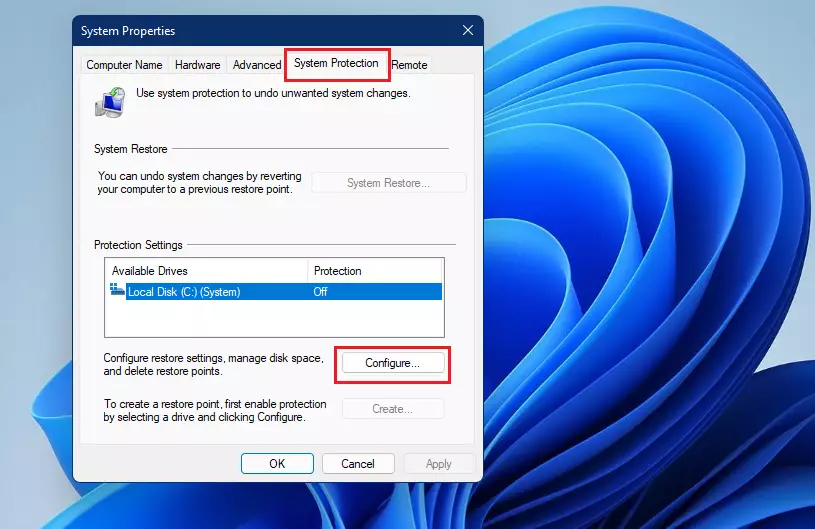
Now:
- Select Turn on system protection.
- You can also adjust how much disk space Windows can use for restore points, but the default is usually fine.
- Click OK to save.
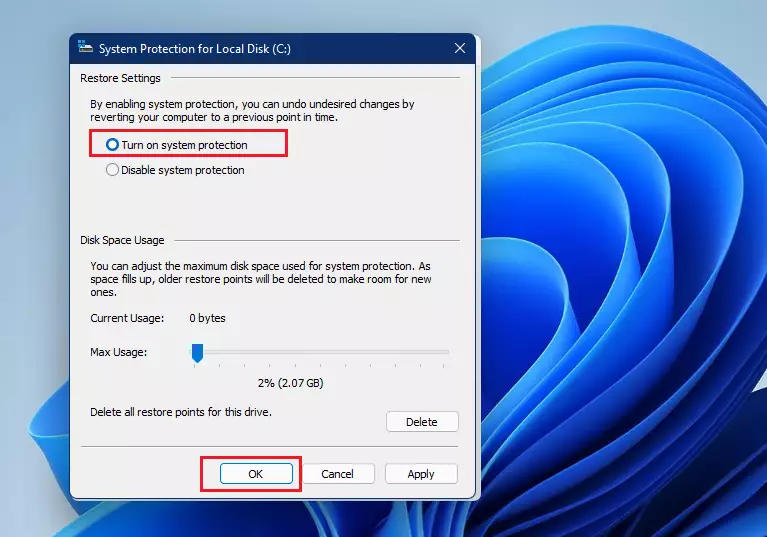
Step 3Create Your Restore Point
- Click the Create button.
- Type a name that helps you remember why you made this restore point (for example, “Before installing new app”).
- Click Create again and wait for Windows to finish.
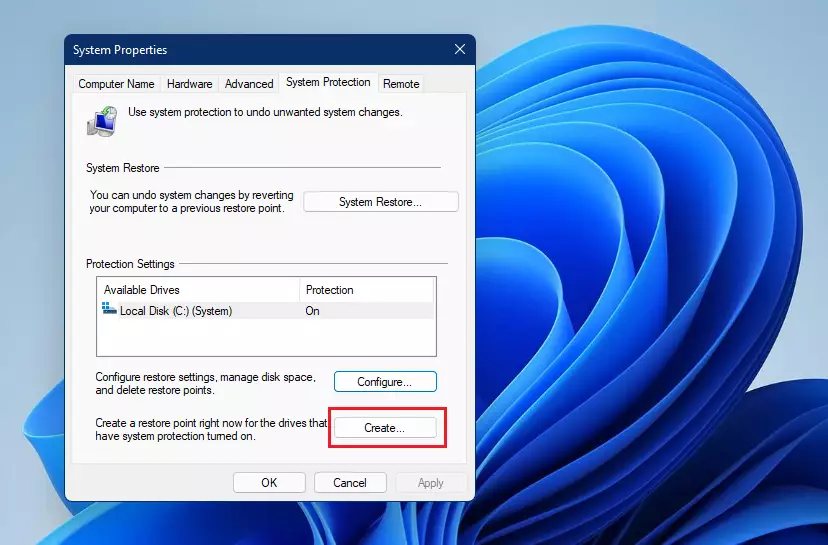
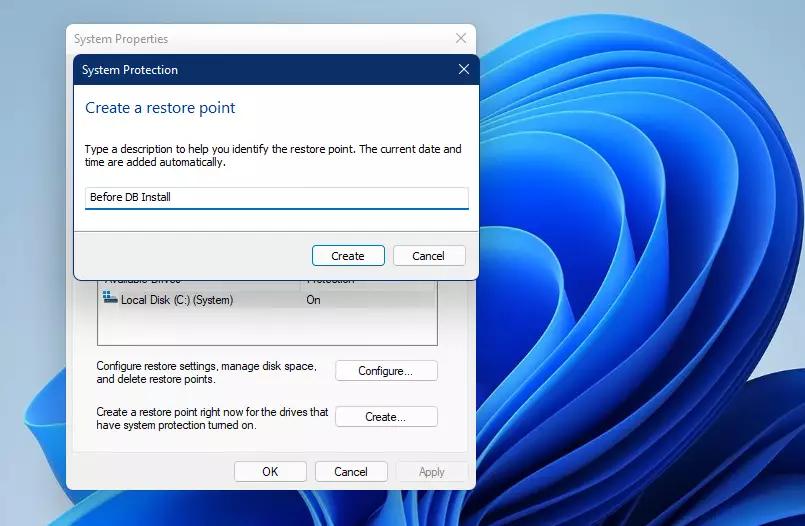
Windows will notify you when the restore point is ready.
How to Restore Your PC Using a Restore Point
Restoring your PC using a restore point is a simple way to fix problems if your computer starts acting up.
- Open the System Properties window again (follow the steps above).
- Click the System Protection tab.
- Click the System Restore button.
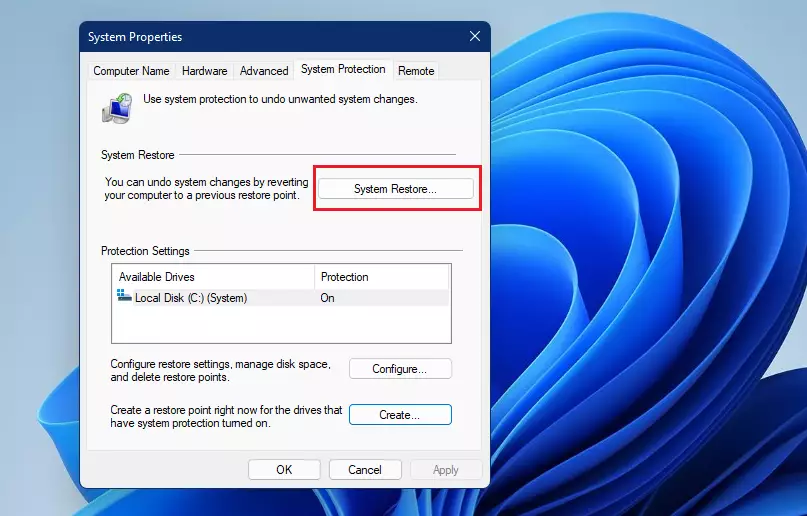
Then:
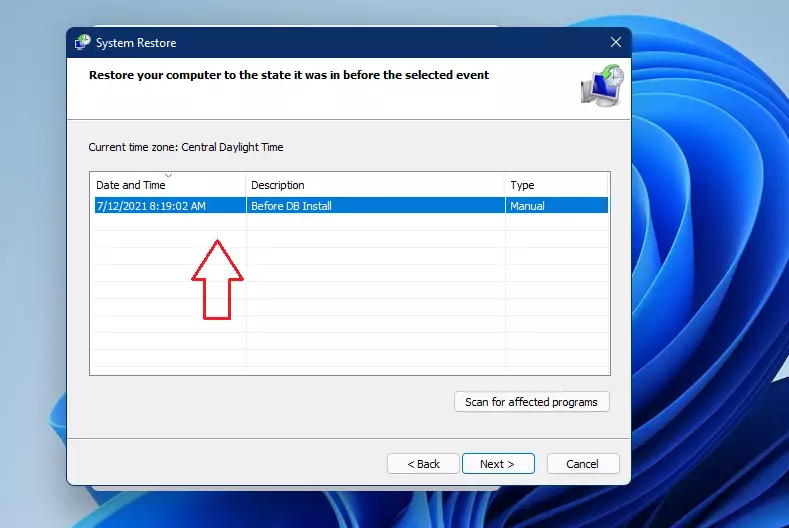
- Click Next.
- Choose the restore point you want to use.
- Click Next and then Finish to start restoring.
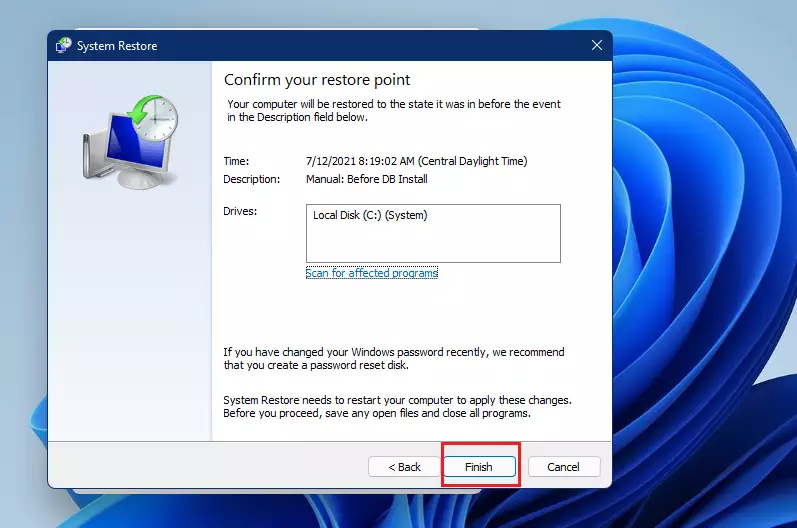
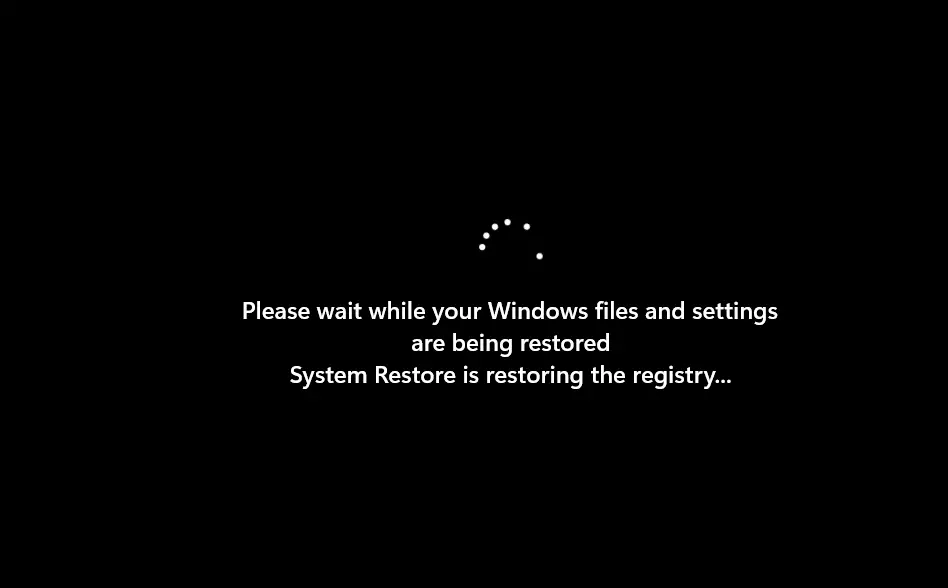
Your computer will restart and restore itself to the earlier state. This might take some time, so be patient.
Summary
- Making restore points in Windows 11 helps keep your computer safe.
- It lets you fix problems quickly by going back to a time when your PC worked well.
- Try to create restore points before big changes or updates.
- The process is simple and only takes a few minutes.
- Using restore points gives you peace of mind and can save you from headaches later.
Creating restore points in Windows 11 is a simple way to keep your computer safe and fix problems quickly.
Was this guide helpful?

About the Author
Richard
Tech Writer, IT Professional
Richard, a writer for Geek Rewind, is a tech enthusiast who loves breaking down complex IT topics into simple, easy-to-understand ideas. With years of hands-on experience in system administration and enterprise IT operations, he’s developed a knack for offering practical tips and solutions. Richard aims to make technology more accessible and actionable. He's deeply committed to the Geek Rewind community, always ready to answer questions and engage in discussions.




[…] How to Create a System Restore Point in Windows 11 […]