How to Change Display Language in Microsoft Edge


Display language in Microsoft Edge controls all text on menus, buttons, and settings inside the browser. It supports over 80 different languages, letting you pick a new language and switch between them at any time without changing your main Windows display language.
Changing this setting only updates the browser interface. It leaves the language of any web pages you visit exactly as they are.
Change the Microsoft Edge display language by going to Settings Languages. Click the three dots next to your desired language in the Preferred languages section and select “Display Microsoft Edge in this language,” then restart the browser.
Change the language Edge is displayed in
You can change Edge language settings easily by opening the browser menu, going to settings, and adding your preferred language to the list. Menus, buttons, and settings adapt to whatever language fits your workflow best. Adding a new language takes only a few clicks before making it the primary choice for your browser interface.
Follow these steps:
- Open the Microsoft Edge browser.
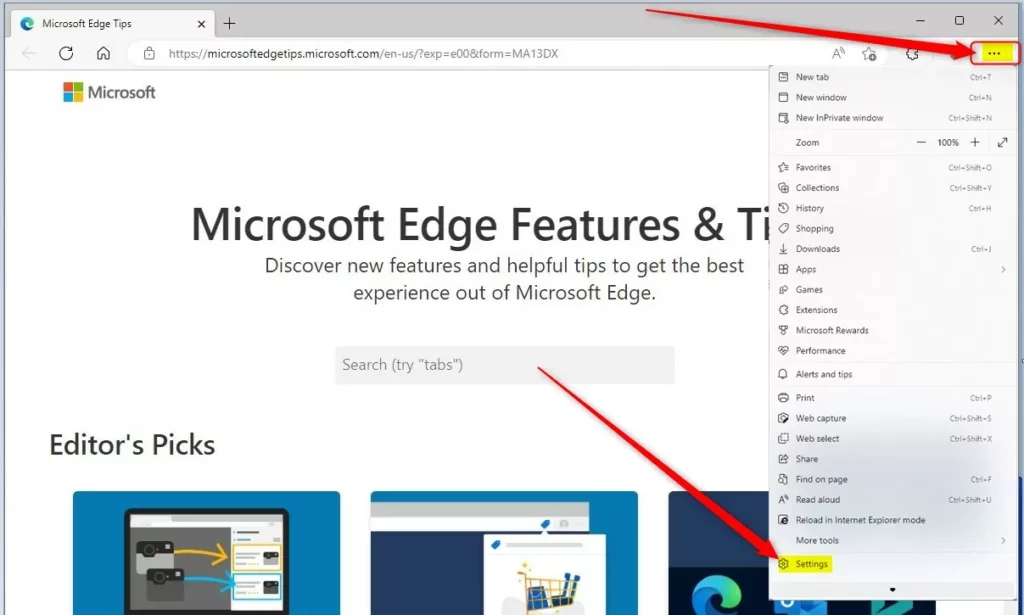
- Click the Settings and more (three dots) menu in the top right corner.
- Select Settings.
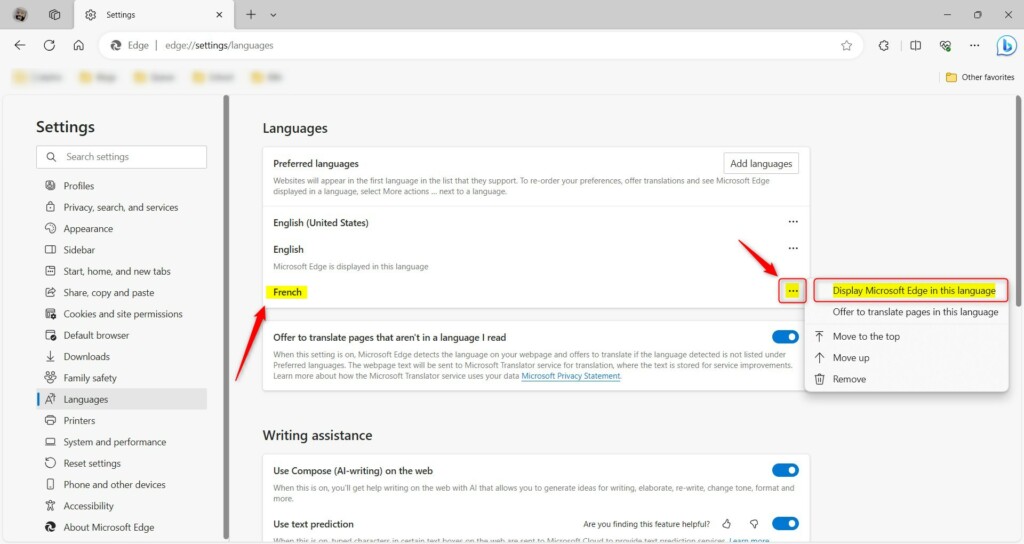
- On the left sidebar, click Languages.

- On the right, find the Preferred languages section.
- Click the three dots next to the language you want to use.
- Select Display Microsoft Edge in this language.
Edge will prompt a browser restart. Click the Restart button to apply the updates.
Using Edge’s Built-in Translation and AI Features
Edge built-in translation and AI features help you read foreign websites by translating entire pages automatically and letting you summarize or explain highlighted text. Full webpage translation bridges the gap when visiting foreign sites. Integrated artificial intelligence tools can also summarize, rewrite, or explain highlighted text in your preferred language to speed up your research.
Full webpage translation bridges the gap when visiting foreign sites. Integrated artificial intelligence tools can also summarize, rewrite, or explain highlighted text in the preferred language.
Highlighting any text on a website activates the sidebar for instant comprehension. This speeds up research across international websites.
Conclusion
Customizing these preferences makes reading foreign content faster. Managing language priorities ensures the browser interface and AI assistants match daily needs.
How do I change the default language in edge?
Open Settings and more (represented by three dots), then select Settings. Choose Languages from the left sidebar to access regional preferences.
How do you put edge in English?
Navigate to the Languages settings and click 'Add languages.' Select the desired language from the list, such as English, and click 'Add.' This downloads the required language pack to the browser.
How do I switch my browser back to English?
Locate the left sidebar inside the settings menu and click languages. Selecting add languages reveals a comprehensive list of available regional packs.
Was this guide helpful?

About the Author
Richard
Tech Writer, IT Professional
Richard, a writer for Geek Rewind, is a tech enthusiast who loves breaking down complex IT topics into simple, easy-to-understand ideas. With years of hands-on experience in system administration and enterprise IT operations, he’s developed a knack for offering practical tips and solutions. Richard aims to make technology more accessible and actionable. He's deeply committed to the Geek Rewind community, always ready to answer questions and engage in discussions.

[…] you add a new language to Edge, the language you added appears at the bottom of the list of Preferred languages already set for Microsoft […]