How to Enable or Disable App Location Requests in Windows 11

App location requests in Windows 11 control which programs can check your physical position for tools like maps and weather apps. Windows 11 uses Wi-Fi signals, nearby cell towers, and GPS data to find where you are.
Turning off location access stops all programs from tracking your position. You can also turn on the “Notify when apps request location” setting to see a pop-up warning every time a program asks for your location.
Go to Settings Privacy & security Location. Click the switch under “Notify when apps request location” to turn it On or Off. This controls whether you see a pop-up when an app needs your location.
Prerequisites
Log in as an administrator before you start. Create a system restore point (a saved snapshot of your system files) before modifying the Windows Registry (a database that stores core operating system settings). Incorrectly changing the registry can lead to system problems.
Turn “Notify when apps request location” on or off
Windows 11 location requests can trigger an onscreen alert every time a program tries to check where you are. Turning on the notify when apps request location feature helps you keep track of privacy by showing a warning message in your taskbar whenever a piece of software checks your physical position.
- Open the Windows Settings app by clicking the Start menu and selecting Settings. You can also press the Win+I on your keyboard.
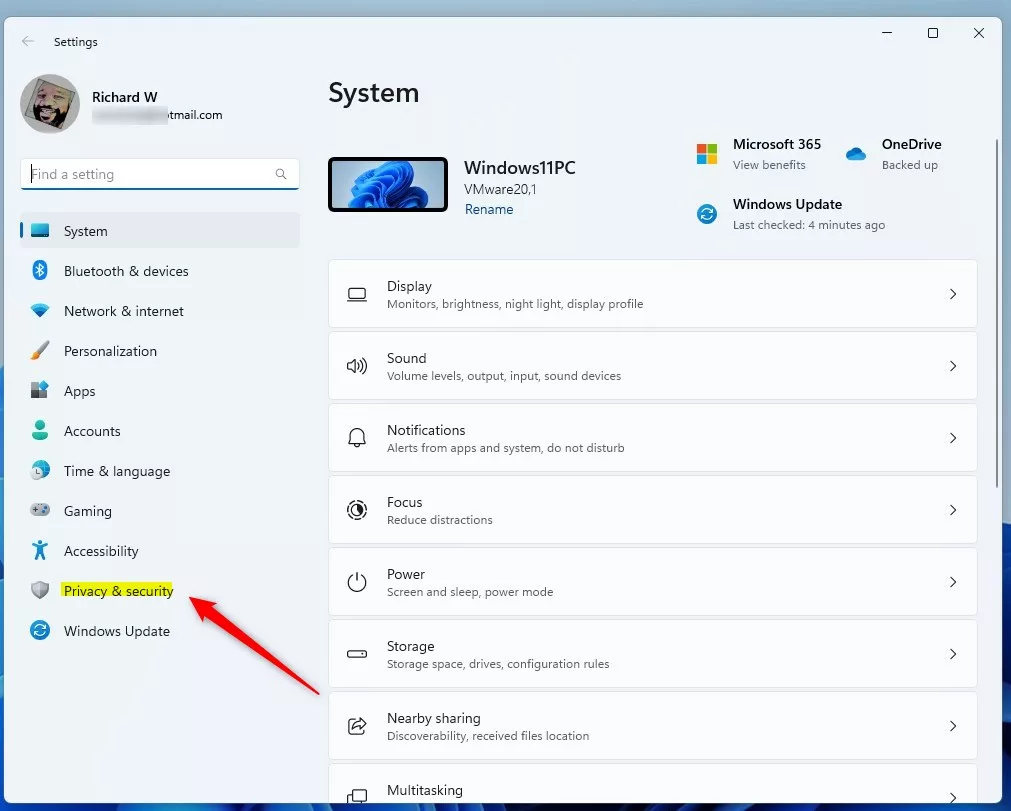
- Click the Privacy & security button on the left side of the window.
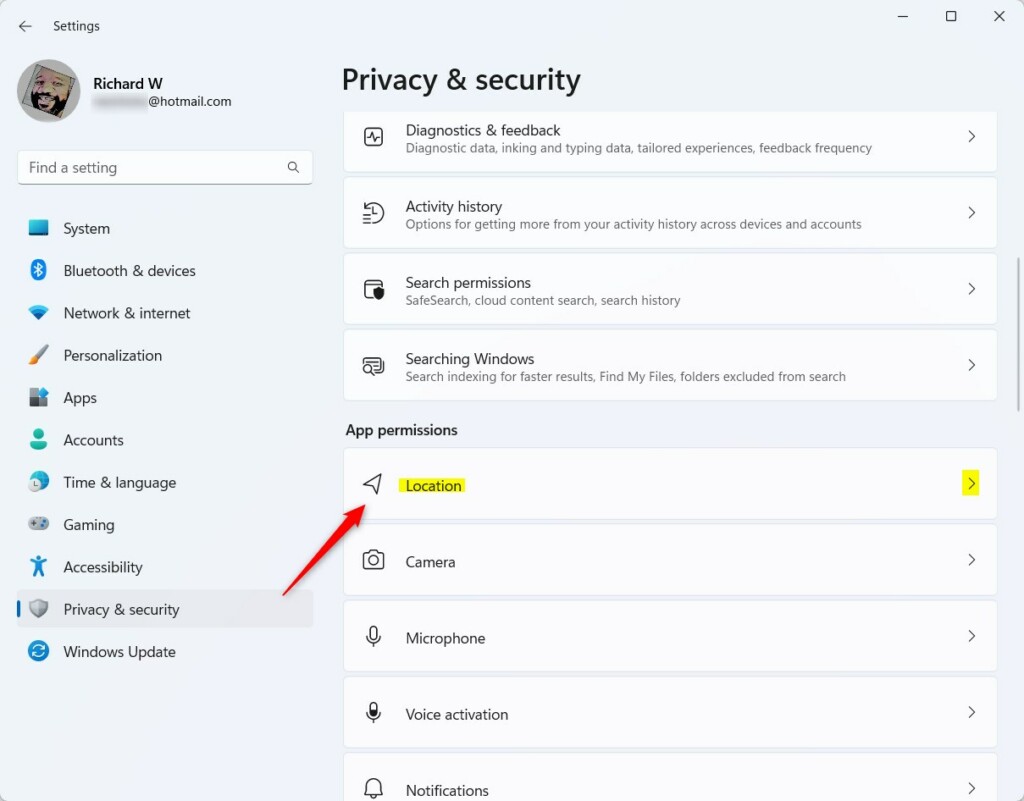
- Select the Location tile on the right.
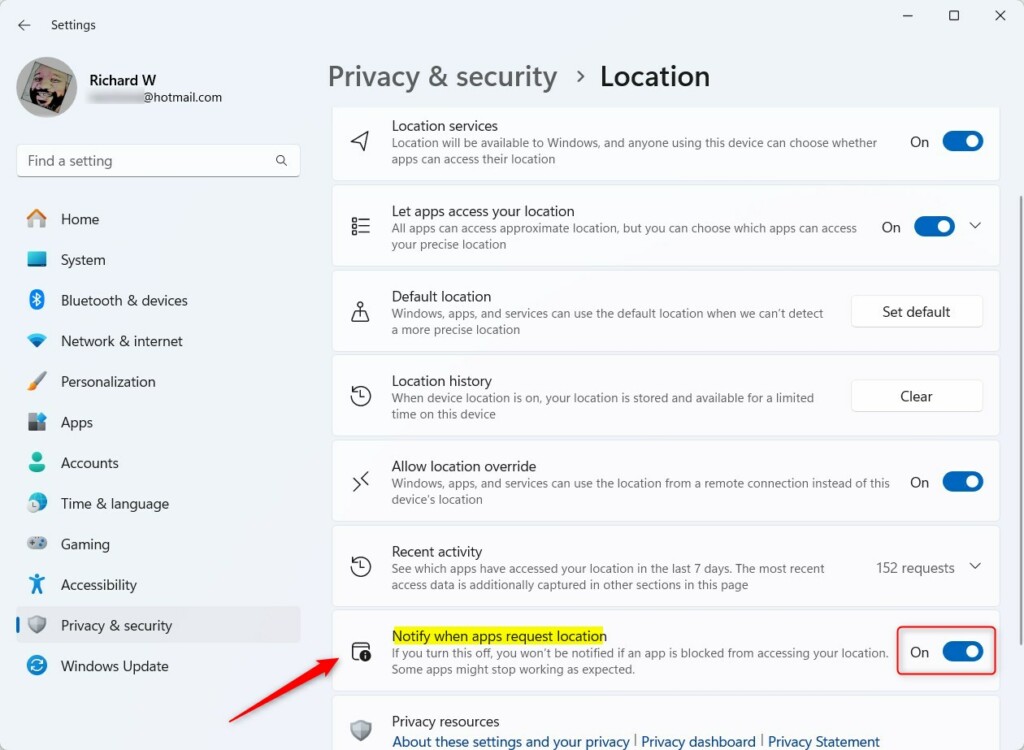
- Look for the “Notify when apps request location” tile.
- Click the switch to turn it On or Off based on your preference.
Close Settings when you finish.
Global vs. Per-App Settings
| Setting Type | Scope | Control Level |
|---|---|---|
| Global | Entire System | Turns all location requests on or off. |
| Per-App | Individual Apps | Allows specific apps access while blocking others. |
Managing Location History and Privacy
Windows keeps a record of your location history. Navigating to Settings Privacy & security Location and clicking the Clear button next to Location history removes this data. This prevents apps from accessing past location data stored on your device.
Troubleshooting Inaccurate Location
Verifying that Wi-Fi remains turned on resolves inaccurate location readings, as wireless networks help Windows figure out where you are.
Use Windows Registry to change settings
Registry Editor lets you manage Windows 11 location requests directly through system keys if the standard settings menu is locked or unavailable. Changing these registry values alters how programs ask for your geographic position across your whole user account without needing to click through the main app menus.
- Navigate to this path:
HKEY_CURRENT_USER\Software\Microsoft\Windows\CurrentVersion\CapabilityAccessManager\ConsentStore\location - If you do not see the location key, right-click on ConsentStore and create the subkey folder named location.
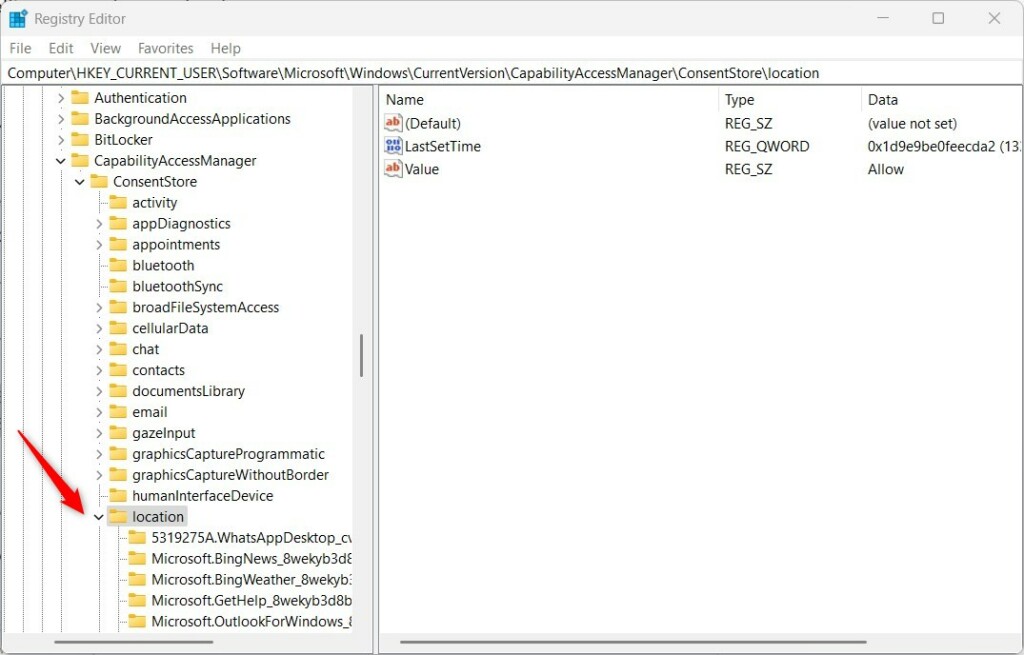
- Right-click in the empty space on the right side of the folder. Select New DWORD (32-bit) Value.
- Name this new item
ShowGlobalPrompts. - Double-click
ShowGlobalPrompts. Make sure the Base is set to Decimal. - Change the Value data:
- Type
1to receive notifications when an app asks for your location. - Type
0to stop these notifications.
- Type
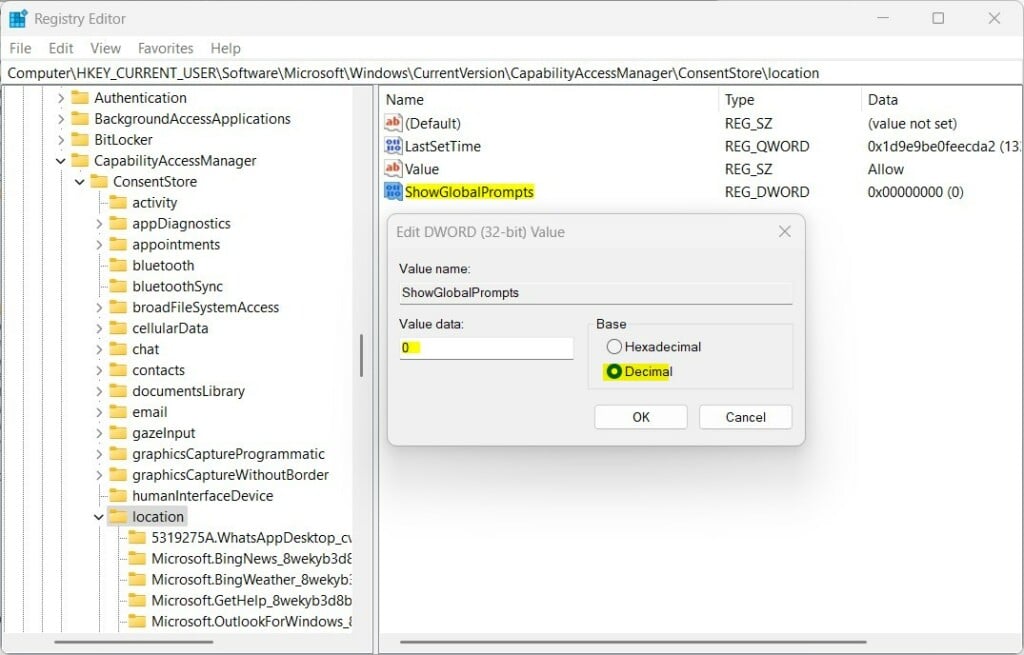
Saving changes and restarting the computer applies the new configurations.
Summary
Managing Windows 11 location notifications gives you control over physical visibility while keeping privacy protection active.
Was this guide helpful?

About the Author
Richard
Tech Writer, IT Professional
Richard is a writer at Geek Rewind who turns complex IT tasks into clear, step-by-step guides. He draws on years of hands-on experience in system administration and enterprise IT operations, focusing on Windows, Linux and WordPress: the problems people actually run into, and the fixes that work. His server and WordPress guides come from systems he runs himself. Richard builds and maintains the platform behind Geek Rewind, from its Ubuntu servers and Nginx configuration to its custom WordPress plugins. Many new tutorials start with readers' questions, and he's always glad to answer them in the comments.


No comments yet — be the first to share your thoughts!