How to Fix Windows Update Failures in Windows 11

You fix Windows Update failures in Windows 11 by running the built-in troubleshooter, checking your internet connection, and resetting update components.
Windows Updates are essential for security and performance, delivering new features and patching vulnerabilities to your PC. When these updates fail to install, it can leave your system exposed and running less smoothly.
This guide tackles common Windows 11 update errors, ensuring you can get the latest patches, especially for version 23H2. You’ll learn practical steps to identify and resolve the root cause of the problem.
We’ll cover using the Windows Update Troubleshooter and manually resetting specific update services. Fixing these issues ensures your PC remains secure and operates at its best.
Fix Windows 11 update failures by running the Windows Update Troubleshooter, clearing storage space, checking hard drive errors with chkdsk/f C:, renaming the SoftwareDistribution folder, and repairing system files with DISM.exe /Online /Cleanup-image /Restorehealth and sfc /scannow.
1Use the Windows Update Troubleshooter
Windows has a built-in tool to find and fix update issues automatically. This is the first step you should take.
- Open Settings.
- Go to System > Troubleshoot > Other troubleshooters.
- Find Windows Update and click Run.
2Clear Up Storage Space
Windows needs room to download and install updates. If your drive is full, updates will fail. You should delete old files or move them to an external drive if you are running low on space. You can learn how to clear space here: How to Free up Drive Space in Windows 11
3Fix Hard Drive Errors
Sometimes, errors on your hard drive stop updates from working. You can fix these using a simple command.
Note: This step requires administrator privileges.
- Click Start and type cmd.
- Right-click Command Prompt and choose Run as administrator.
Type the following command and press Enter:
chkdsk/f C:Your computer will check for errors and may ask you to restart to finish the repair.
4Rename the SoftwareDistribution Folder
Sometimes, a broken file in the update folder stops the whole process. Renaming this folder forces Windows to create a fresh, clean one.
Note: This step requires administrator privileges.
- Open Command Prompt as an administrator.
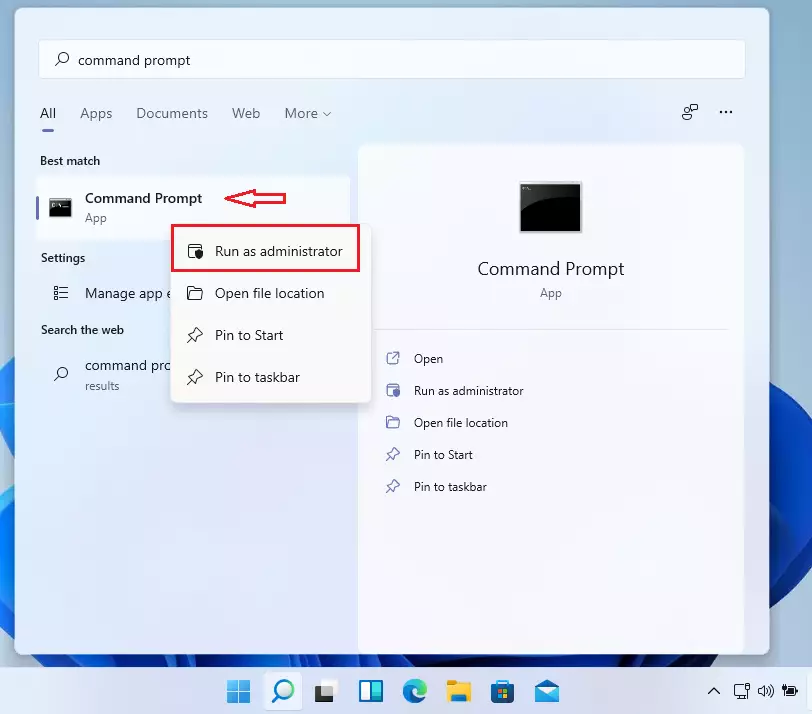
Type these commands one by one, pressing Enter after each line:
net stop bitsnet stop wuauservren C:\\Windows\\SoftwareDistribution SoftwareDistribution.bakren C:\\Windows\\System32\\catroot2 catroot2.baknet start bitsnet start wuauserv
Restart your computer and try the update again.
5Repair System Files
If files inside Windows are damaged, these commands will find and fix them automatically.
Note: This step requires administrator privileges.
- Open Command Prompt as an administrator.
- Type this command and press Enter:
DISM.exe /Online /Cleanup-image /RestorehealthWait for it to finish. Once done, type this command and press Enter:
sfc /scannowCommon Windows Update Error Codes
If you see specific codes, they point to different issues:
- 0x8007000d: Usually means data is missing or corrupted.
- 0x800f0922: Often caused by a lack of connection to update servers or low system partition space.
- 0x80070005: Access denied error, often caused by antivirus software.
- 0x80244017: Connection issues with the update service.
- 0x800f081f: Source files could not be found during the update process.
Frequently Asked Questions
Why does 🪟 Windows 11 update get stuck at 0%?
Updates often get stuck at 0% due to a corrupted update cache (temporary storage for update files) or a slow internet connection. The system struggles to download the initial files. Resetting the SoftwareDistribution folder and restarting the update service usually clears this block and allows the download to proceed normally.
Does antivirus software prevent 🪟 Windows 11 updates?
Yes, third-party antivirus software can sometimes block Windows Update processes. These programs may mistake update files for threats. If you experience repeated failures, try temporarily disabling your antivirus software to see if the update completes successfully. Remember to turn it back on immediately after.
What should I do if 🪟 Windows 11 update fails repeatedly?
If updates fail repeatedly, perform a clean boot (a minimal startup of Windows) to stop background programs from interfering. You should also run the DISM (Deployment Image Servicing and Management) and SFC (System File Checker) commands to repair system files. If these fail, consider using the Windows 11 Media Creation Tool to perform an in-place upgrade (reinstalling Windows while keeping your files and apps) to fix core system issues.
Summary
If Windows updates are failing, start by using the Windows Update Troubleshooter. If that does not work, clear space on your hard drive, repair system files with DISM and SFC, and reset your update components. These steps will help keep your PC secure and up to date.
Was this guide helpful?

About the Author
Richard
Tech Writer, IT Professional
Richard, a writer for Geek Rewind, is a tech enthusiast who loves breaking down complex IT topics into simple, easy-to-understand ideas. With years of hands-on experience in system administration and enterprise IT operations, he’s developed a knack for offering practical tips and solutions. Richard aims to make technology more accessible and actionable. He's deeply committed to the Geek Rewind community, always ready to answer questions and engage in discussions.



[…] Windows Update also has a feature that allows users to get up to date as soon as possible by turning on the “Get me up to date” settings. When enabled, Windows prompts you to restart as quickly as possible (even during active hours) to finish updating. This feature will also notify you 15 minutes before resuming so you can make sure your device is on and plugged in. […]
[…] Windows Update helps you install patches and fix bugs. Updates also keep your personal information safe by fixing […]