How to Install Windows Wireless Display App on Windows 11

The Wireless Display app turns your Windows 11 PC into a wireless screen receiver. Phones, tablets, and other laptops can then mirror their screens to it over Miracast, with no cables. Microsoft no longer installs this feature by default in recent Windows 11 builds, so you have to add it yourself as an optional feature before you can beam videos, photos, or presentations to your PC’s screen.
Your PC also needs a Wi-Fi adapter and graphics driver that support Miracast. Most laptops from the last several years do. If yours does not, the feature may install but not work.
Install the Wireless Display app through Settings by navigating to Apps Optional features View features. Search for “Wireless Display,” select it, and click Install. This turns your PC into a Miracast receiver.
How to install the Windows Wireless Display app
You install the Windows Wireless Display app from the Settings app, as an optional feature. It is a Windows component, not a Microsoft Store download, and it works the same on Home and Pro. The whole process takes a minute or two on a normal connection.
In short: open Settings , go to Apps, select Optional features, and click View features. Then search for the app and install it . The steps below walk through each screen.
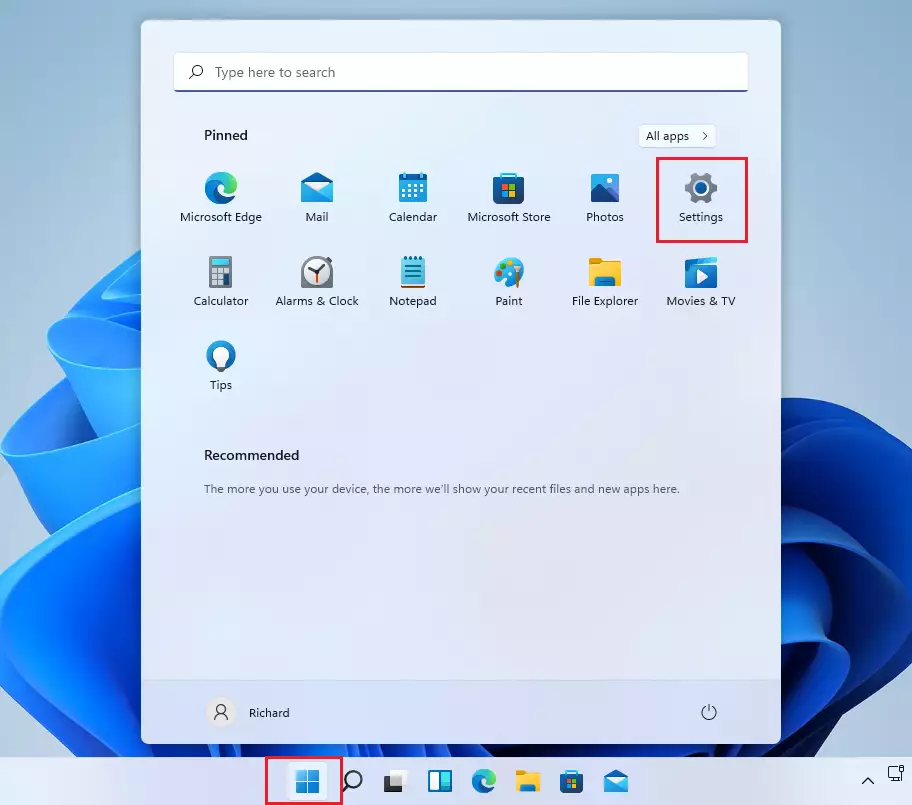
- Press Win+I to open Settings .
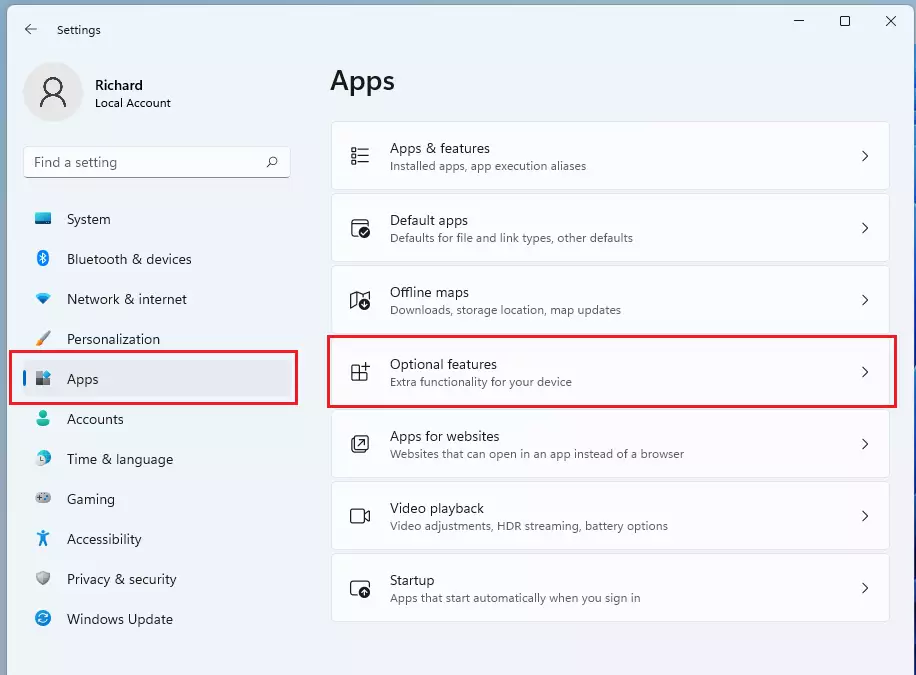
- Go to Apps Optional features
You should now see a list of the optional features already installed on your PC, with an Add an optional feature section at the top. On Windows 11 24H2 and later, Microsoft moved this page, so look under System Optional features instead. The rest of the steps are the same.
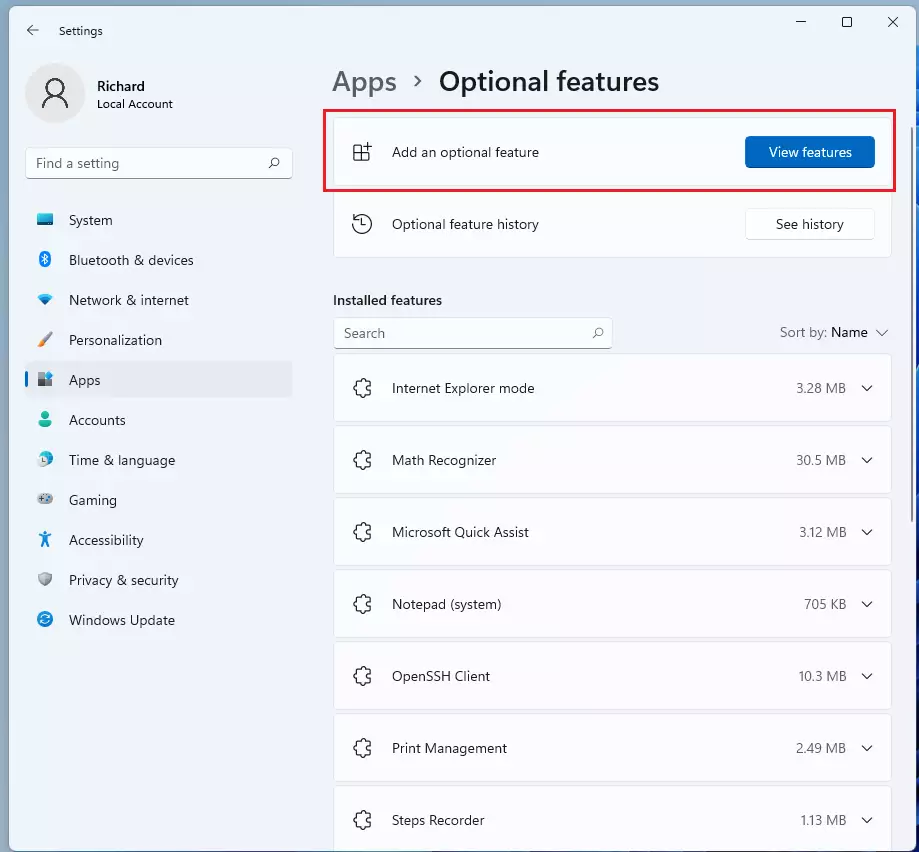
- Click View features next to Add an optional feature.
A window opens with a searchable list of everything Windows can add. If the button is greyed out or the list stays empty, check that you are online. Windows downloads the feature list and the files from Microsoft’s servers.
Here is the full sequence from start to finish:
- Open Settings and go to Apps Optional features
- Click View features.
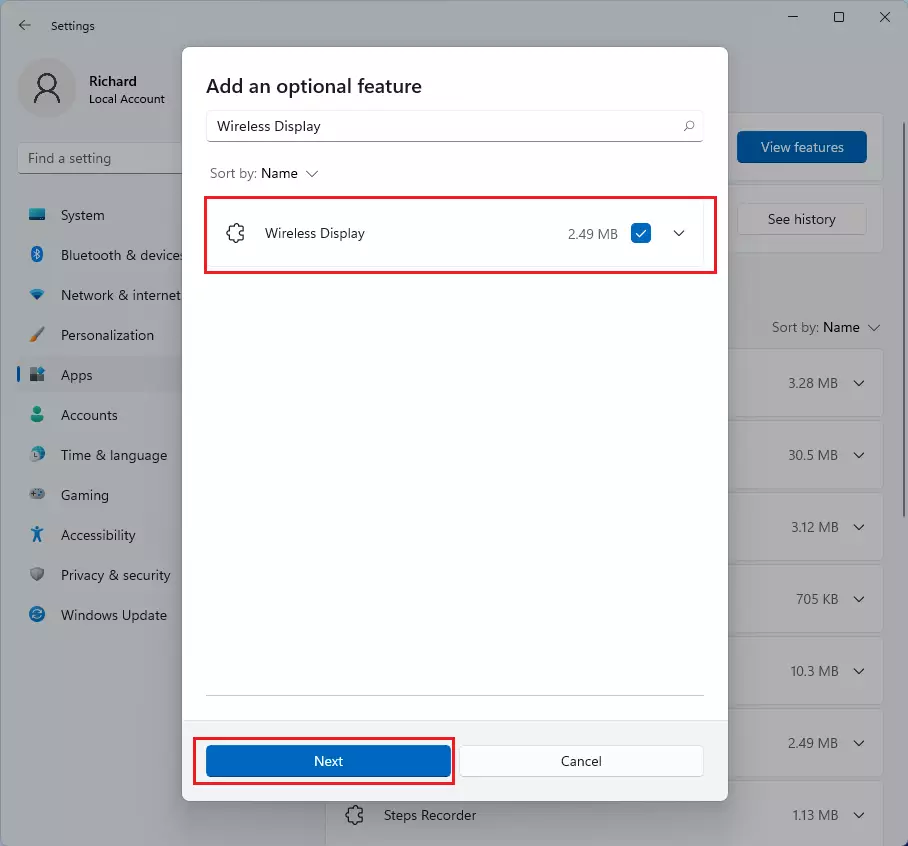
- Type “Wireless Display” in the search bar. The app should appear in the results.
- Tick the check box next to Wireless Display.
- Click Next. You will see a summary of what you are about to install.
- Click Install.
If nothing matches your search, check the spelling and clear the box to browse the whole list. If the app is already installed, it will not appear here. Look for it under your installed features instead.
You need administrator rights to add or remove system features. If you are signed in with a standard account, Windows asks for an administrator’s password or approval. Enter it when the prompt appears, or ask whoever manages the PC to do the install. On a work or school PC, an IT policy may block optional features completely. In that case the install will fail or the option will be missing, and you will need to ask your IT department.
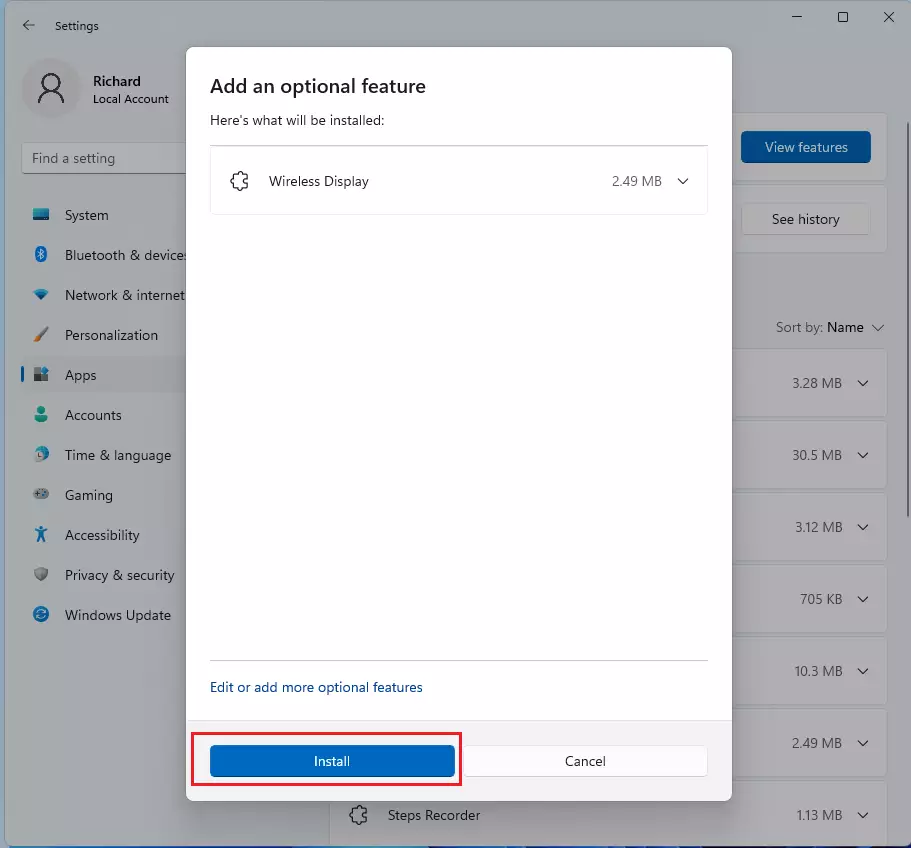
After you click Install, a progress bar appears under the latest actions on the Optional features page. When it finishes, the app is installed and ready to use. Windows normally does not need a restart for this feature. If it asks for one, restart the PC before you test the connection.
The management tools for Miracast adapters are a separate download. You can get them directly from the official Microsoft Store.
Managing Firmware and Troubleshooting
This section only applies if you use a physical Miracast adapter (a dongle plugged into a TV or monitor) rather than receiving on the PC itself. Outdated adapter firmware is a common cause of dropped connections and failed pairing, so it is worth checking. The Microsoft Wireless Display Adapter app shows the firmware status and lets you update it.
How to update adapter firmware
- Open the Microsoft Wireless Display Adapter app, and make sure the adapter is plugged in and powered on.
- Connect to your adapter. Your PC joins the adapter’s own network for this, so you may briefly lose your normal internet connection.
- Look for the Firmware section to see if an update is available.
- Follow the on-screen prompts to install. Do not unplug the adapter or close the app until the update finishes.
Overscan and Display Settings
Two problems come up most often once the connection works: a blurry or cropped picture, and audio that is out of sync.
- Blurry edges or a cut-off screen (overscan): The TV or monitor is zooming the picture, not Windows. Open the display’s own picture settings and look for an option such as Screen fit, Just Scan, or Full Pixel. The name varies by brand. Set it so the picture is not scaled.
- Audio out of sync: Open the Sound settings and make sure your wireless display is selected as the active output device.
Changing the audio format in Advanced Sound settings fixes the delay in many cases. Pick a different format, test it, and switch back if it makes no difference.
How to use the Wireless Display app
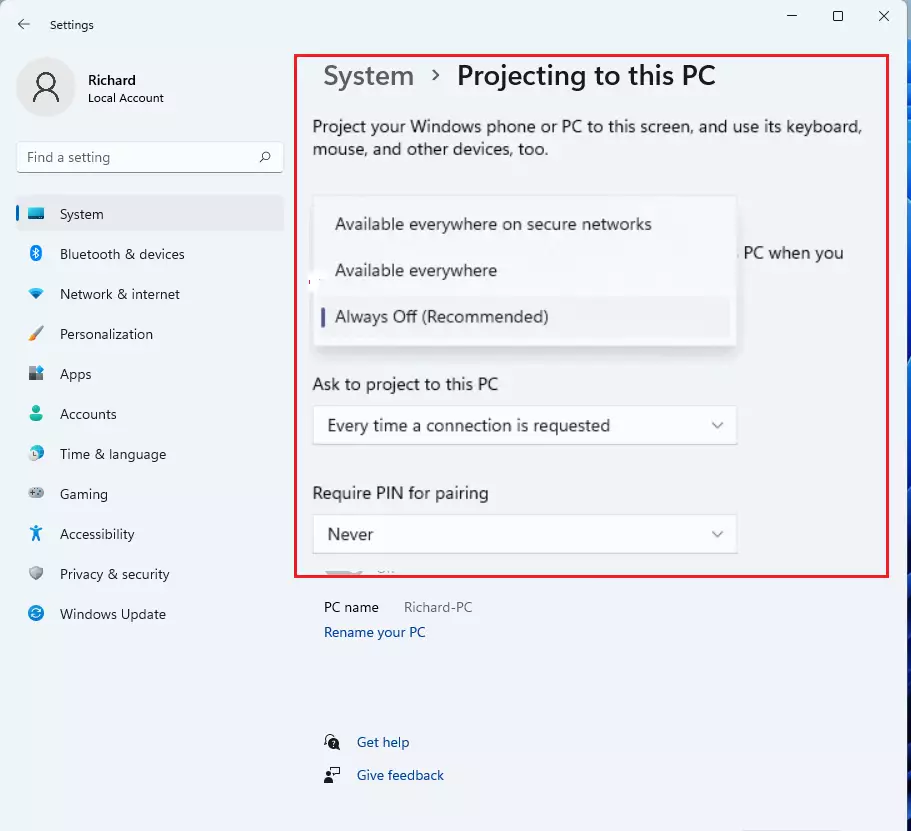
Once the app is installed, you control how other devices can connect to your PC from the Projecting settings. Open Settings , go to System, and select Project to this PC. On some Windows 11 builds this page is named Projecting to this PC. From here you choose where the app is available, then launch the receiver to start casting.
If the options are greyed out or the page says the device does not support receiving Miracast, the Wireless Display feature is not installed yet. Otherwise, your Wi-Fi adapter or its driver does not support it, and updating the Wi-Fi and graphics drivers is the first thing to try.
The first setting controls when other devices can find your PC:
- Available everywhere on secure networks: other devices can project to your PC only when it is on a network Windows treats as secure.
- Available everywhere: any nearby compatible device can find your PC, including on public networks. Use this one only when you need it.
- Always Off (Recommended): your PC does not accept incoming projections. This is the default, so you must change it before anything can connect.
- Click the link that says Launch the Connect app to project to this PC. On newer builds the label may say Wireless Display app instead.
The app window opens and shows that the computer is ready to connect. It now waits for a signal from another device. On the phone, tablet, or other PC, open its cast or screen mirroring option (on another Windows PC, press Win+K) and choose this PC from the list. Set the first option back to Always Off (Recommended) when you are done.
How to uninstall the app
Remove the app if you no longer need it. This frees a small amount of disk space and takes away the receiver feature. You need administrator rights for this too.
- Go to Settings Apps Optional features On Windows 11 24H2 and later, go to Settings System Optional features
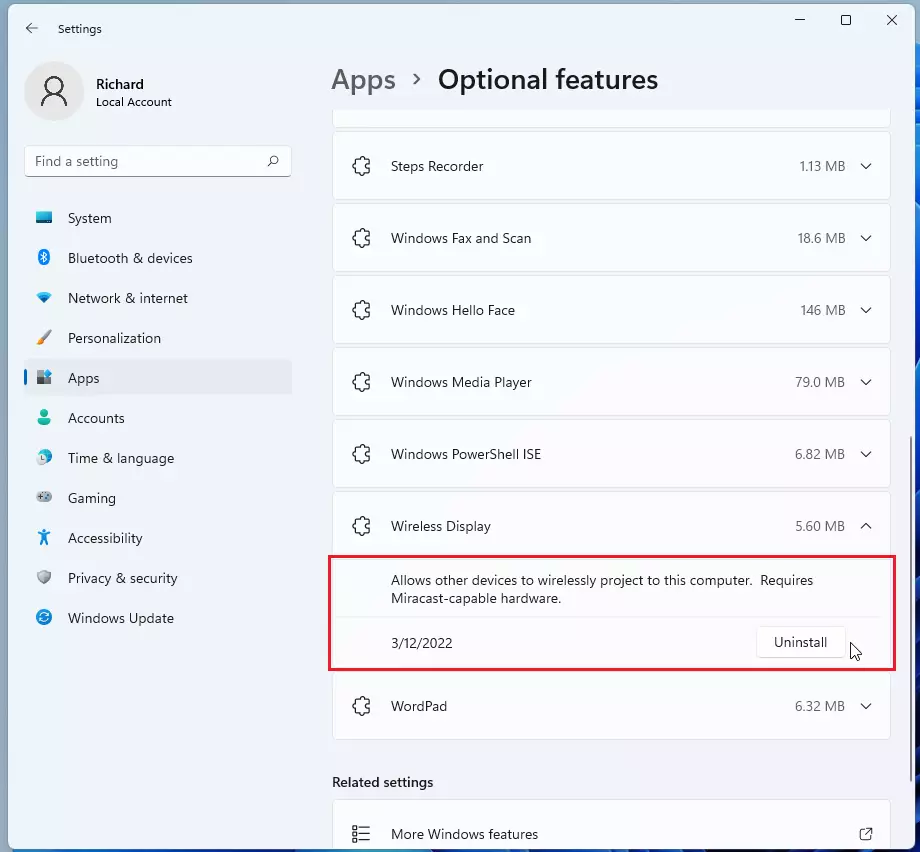
- Find Wireless Display in the list of installed features.
- Click it to expand the entry.
- Select Uninstall.
The entry disappears from the installed list once removal finishes. To get the app back, repeat the install steps above at any time.
Summary
The Windows Wireless Display app lets you mirror screens wirelessly over Miracast. Installation is quick through the Optional features menu. After that, set Project to this PC to the level of availability you want and launch the receiver. Switch it back to Always Off (Recommended) when you finish.
Have a question about this guide?
Answered by AI from this guide. Good questions may be added to this page — please don't include personal details.
Did this guide fix your problem?

About the Author
Richard
Tech Writer, IT Professional
Richard is a writer at Geek Rewind who turns complex IT tasks into clear, step-by-step guides. He draws on years of hands-on experience in system administration and enterprise IT operations, focusing on Windows, Linux and WordPress: the problems people actually run into, and the fixes that work. His server and WordPress guides come from systems he runs himself. Richard builds and maintains the platform behind Geek Rewind, from its Ubuntu servers and Nginx configuration to its custom WordPress plugins. Many new tutorials start with readers' questions, and he's always glad to answer them in the comments.
No comments yet — be the first to share your thoughts!