Enable or Disable Sound Keys in Ubuntu Linux


Sound keys in Ubuntu Linux play a short beep when you press Caps⇩, Num Lock, or Scroll Lock so you know right away when a lock key is active. This audio alert works as a quick confirmation in Ubuntu 22.04 and later to help you catch typing mistakes before you keep going.
Open Settings , navigate to Accessibility, then Sound Keys. Toggle the switch to On to enable auditory feedback for Caps Lock, Num Lock, or Scroll Lock, or toggle it Off to disable.
How to enable or disable Toggle Keys Tone in Ubuntu Linux
To enable or disable sound keys ubuntu settings, open the Settings app from your system menu and go to the Accessibility panel. Look for the Hearing section where you can turn the Toggle Keys setting on or off to control the sound that plays when you press the Caps Lock or Num Lock keys.
Most Ubuntu Linux settings live inside a single control center where you can manage system configurations, user accounts, and updates within the System Settings panel.
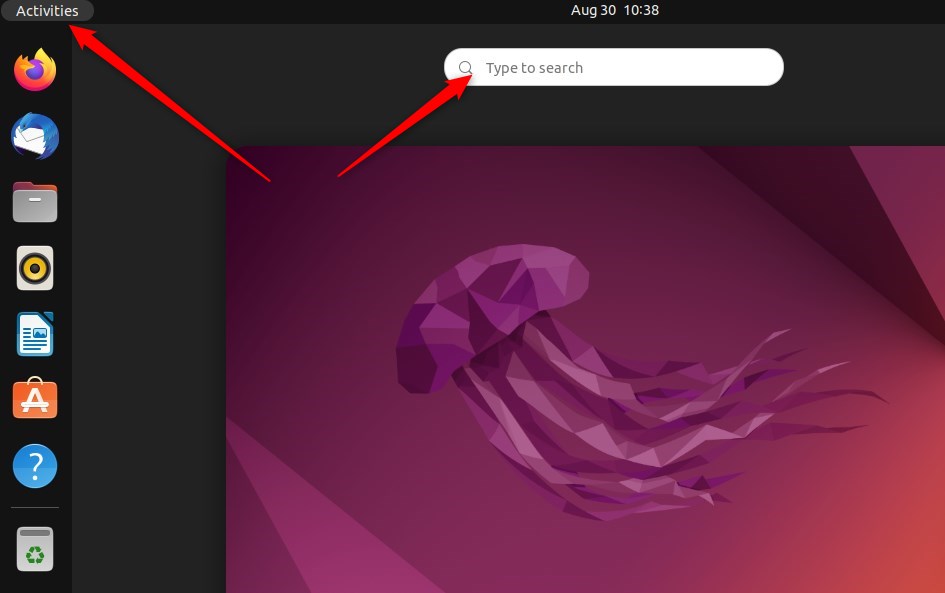
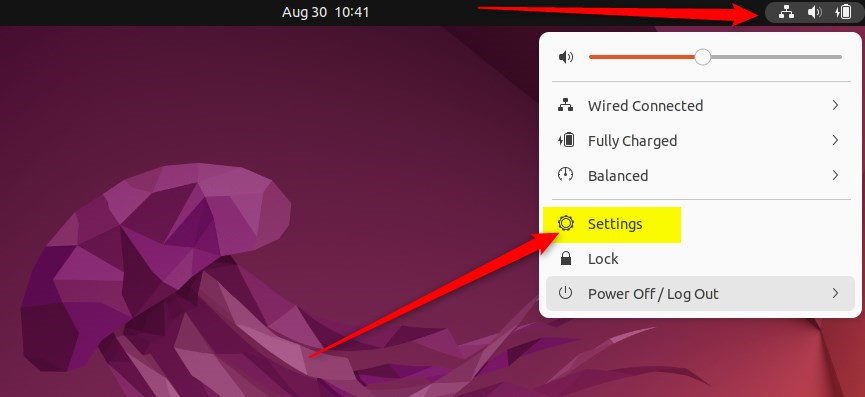
Alternatively, click the System menu in the top-right corner of your desktop’s top bar.
From the System menu, select Settings, as shown below.
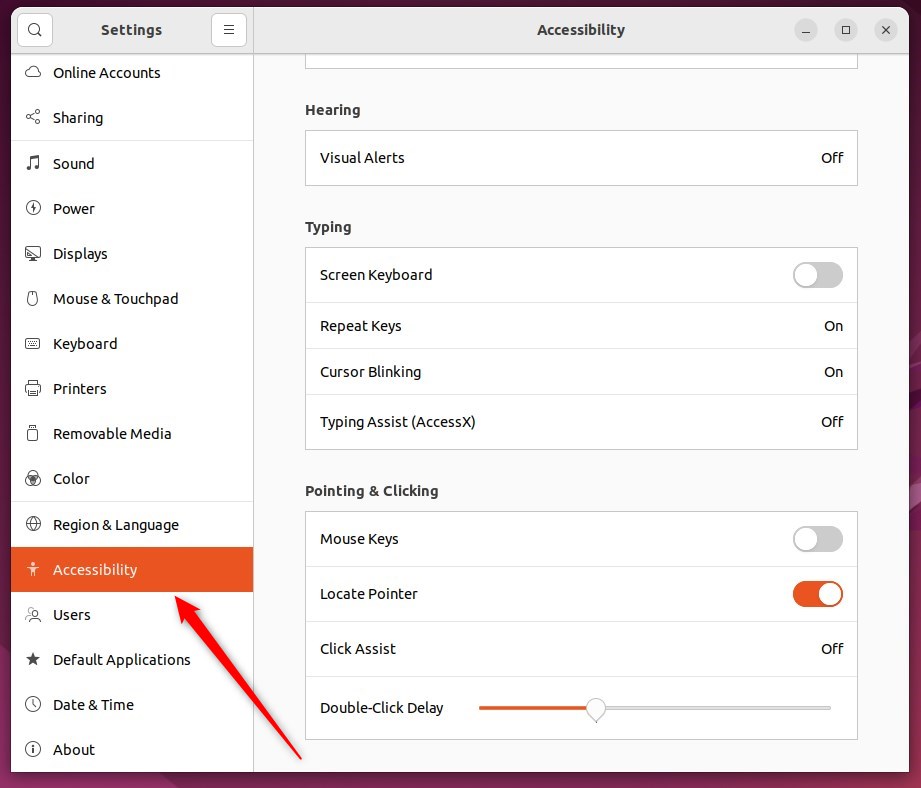
The Accessibility panel within the Settings app allows you to manage various system features. Click on the Accessibility tile in the Settings app to open the Accessibility panel.
This will expand to show more options.
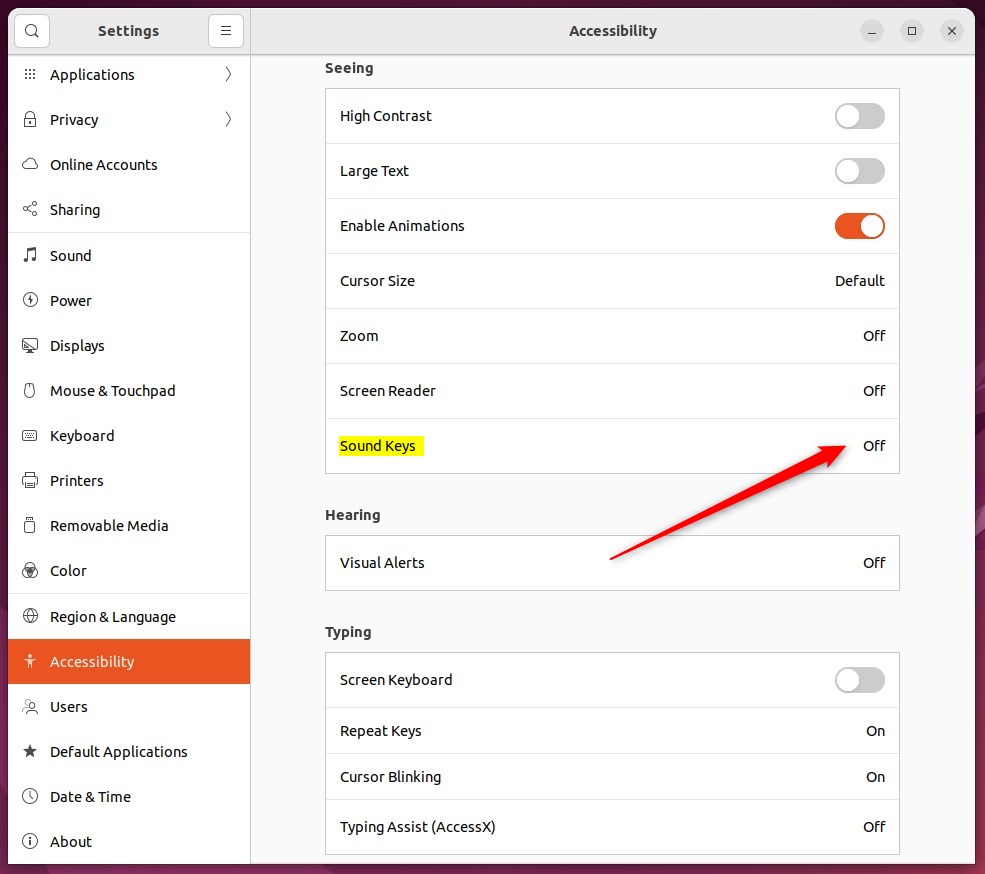
Your changes will take effect right away.
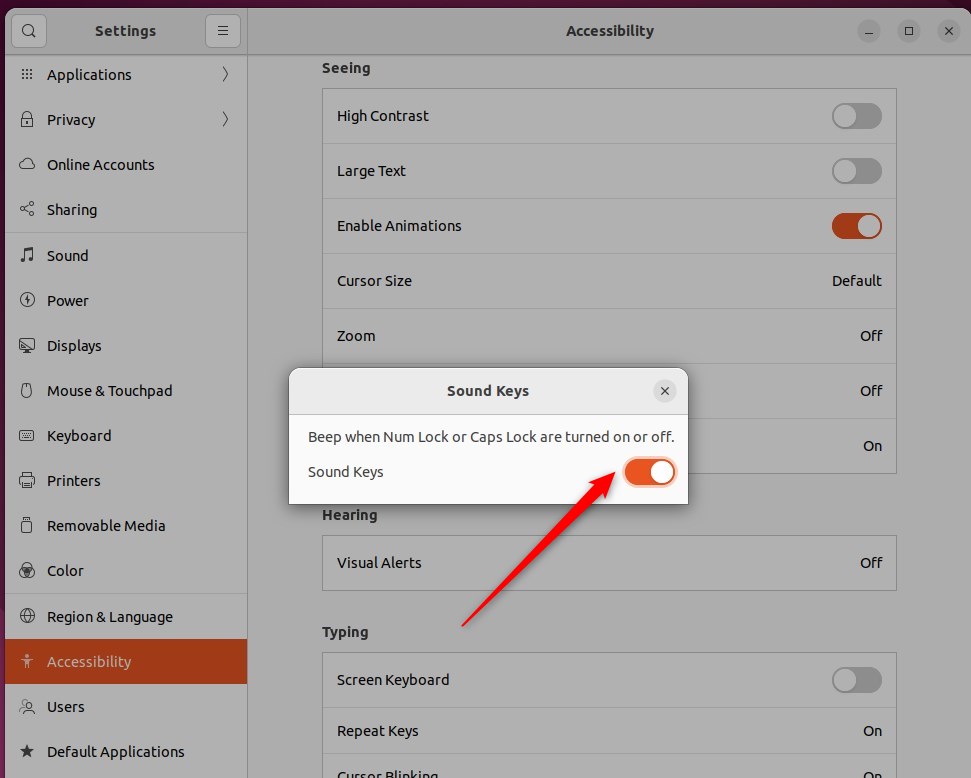
To turn it off, flip the switch back to the Off position.
That completes the process. You can now close the Settings app.
Conclusion:
- Enabling or disabling sound keys in Ubuntu Linux is a simple process done through the System Settings panel.
- The feature provides auditory feedback for Caps lock, Num lock, and Scroll lock keys and can be easily toggled on or off according to individual preference.
- Following the steps outlined in this post, users can efficiently manage the sound keys feature to suit their needs.
Was this guide helpful?

About the Author
Richard
Tech Writer, IT Professional
Richard is a writer at Geek Rewind who turns complex IT tasks into clear, step-by-step guides. He draws on years of hands-on experience in system administration and enterprise IT operations, focusing on Windows, Linux and WordPress: the problems people actually run into, and the fixes that work. His server and WordPress guides come from systems he runs himself. Richard builds and maintains the platform behind Geek Rewind, from its Ubuntu servers and Nginx configuration to its custom WordPress plugins. Many new tutorials start with readers' questions, and he's always glad to answer them in the comments.


No comments yet — be the first to share your thoughts!