How to Share File to Nearby Devices in Windows 11

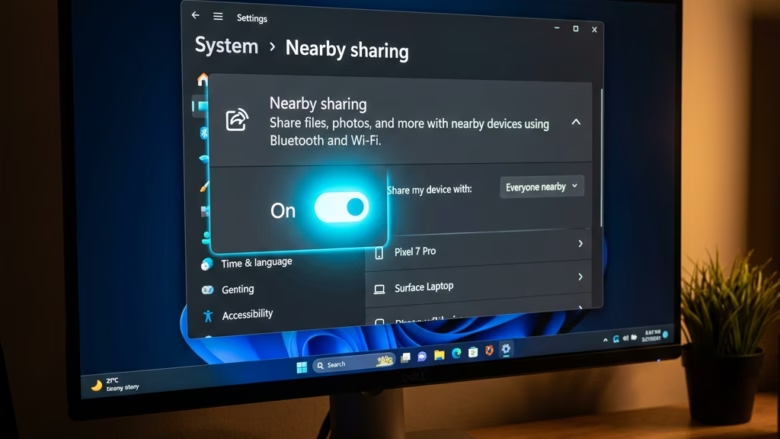
Have you ever needed to quickly send a picture, a document, or a web link to someone using a laptop or tablet right next to you? You know, without emailing it to yourself or messing with USB drives? Windows has a cool feature for this called Nearby sharing. It’s like a digital hand-off. It uses Bluetooth or Wi-Fi to send your files from your PC to another Windows device nearby. It works between Windows 10 and Windows 11.
This guide will show you how to set up and use Nearby sharing. It’s a helpful tool that can save you a lot of time. Let’s get started!
Setting Up Nearby Sharing
Before you can send files wirelessly to a friend’s PC, you need to make sure Nearby sharing is turned on for both devices. Think of it like tuning in a radio station.
How to Share a File or Link Using Nearby Sharing
Once Nearby sharing is set up on both devices, sharing is simple. You can do it from File Explorer or your web browser.
- Select the Item You Want to Share
Go to the file you want to send using File Explorer. If it’s a webpage, make sure that page is open and active in your browser. - Start the Share Action
Here are a few ways to do this:Tip: If you’re sharing a link from a browser, you might see other options like sharing via email. Nearby sharing will be one of them.
- From File Explorer:
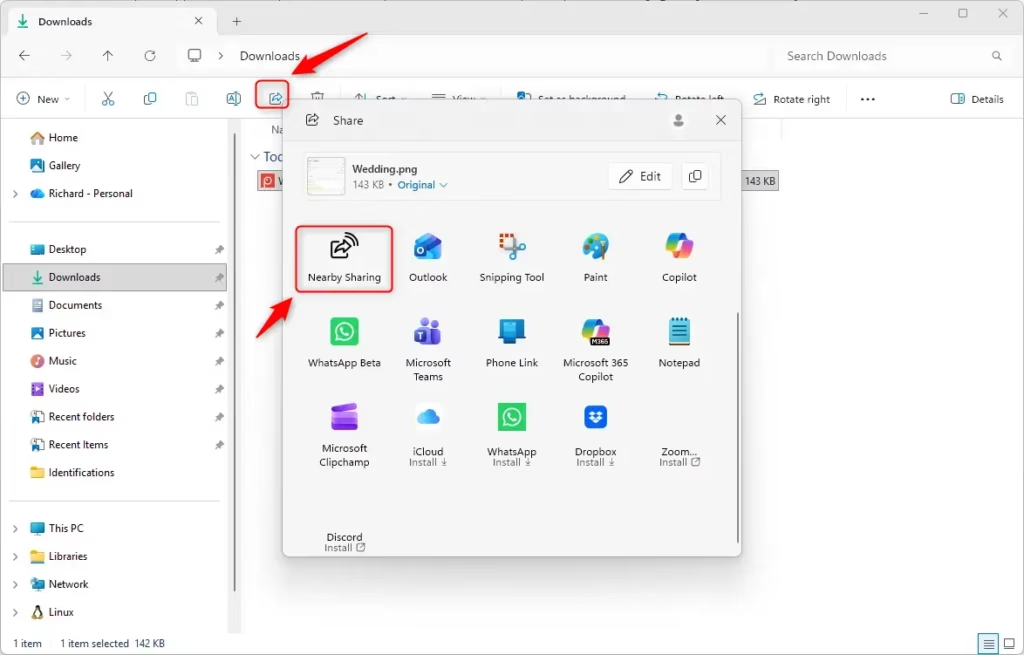
- Option 1 (Ribbon): Select the file. Look at the top of the File Explorer window for the ribbon menu. Click the Share button.
- Option 2 (Right-Click): Right-click on the file. In the menu that pops up, choose Share.
- From a Web Browser (like Microsoft Edge): Look for a “Share” icon. It might look like a box with an arrow pointing up, or it could be in the browser’s menu (often three dots or lines). Click it.
- From File Explorer:
- Choose ‘Nearby sharing’
A “Share” window will open. Look for the Nearby sharing icon or option. It usually shows a symbol for closeness or connection. - Select the Target Device
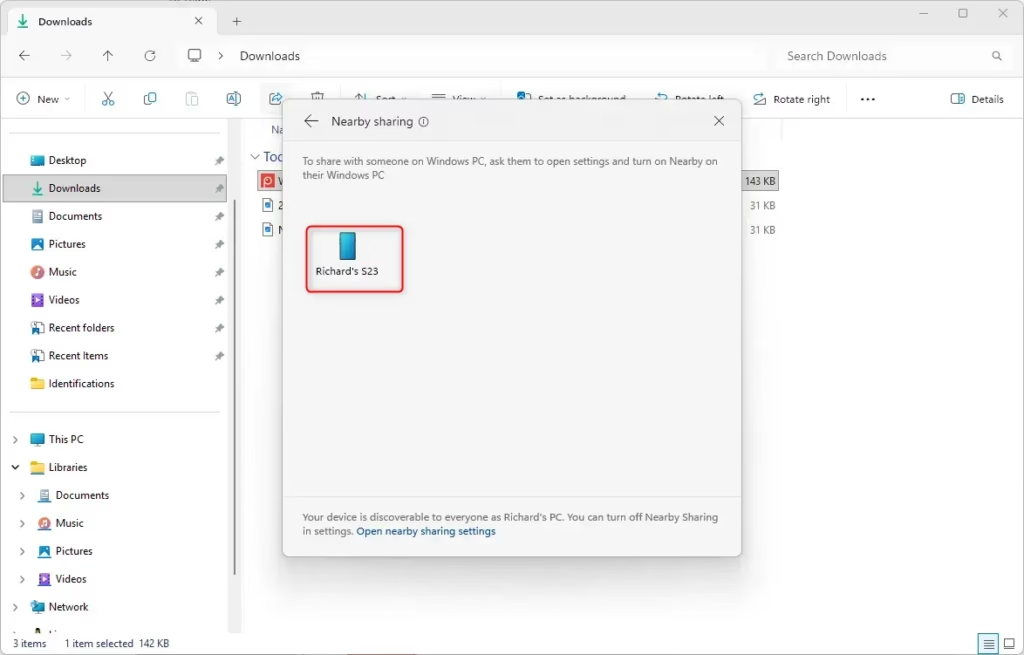
Your PC will look for other Windows devices with Nearby sharing turned on and nearby. The devices will show up in the Share window. Click the name of the device you want to send the file to.Warning: Make sure you pick the right device! It’s easy to send a file to the wrong person or device if many are available. Check the device name carefully.
- Confirm on the Receiving Device
On the device getting the file, a message will pop up asking if you want to accept it. You’ll usually see the file name or link and the sender’s PC name. Click Save and open or Save to accept the transfer.If you chose “My device only” and the sender isn’t signed in with their Microsoft account on that device, they might be asked to sign in first. This is a security step.
- Check Your Received Files Folder
Once accepted, the file will transfer. It will be saved in the folder you chose earlier on the receiving device. You can then go to that folder to open your new file.
By using these steps and tips, you can make Nearby sharing a smooth part of your daily routine for quick and easy file transfers between your Windows devices.
Reference:
Summary
Nearby sharing is a Windows feature that lets you easily send files, photos, or links to nearby Windows devices using Bluetooth or Wi-Fi. To use it, you need to enable it in Settings on both devices and choose whether to share with “Everyone nearby” or “My device only.” You can also pick a specific folder to save received files. To share, select the item, click the Share option, choose Nearby sharing, select the target device, and confirm on the receiving end. If you have trouble, check that Nearby sharing, Bluetooth, and Wi-Fi are on, verify device proximity and permissions, ensure stable Wi-Fi, check storage space, and consider firewall settings. Restarting devices can also help.
Was this guide helpful?

About the Author
Richard
Tech Writer, IT Professional
Richard, a writer for Geek Rewind, is a tech enthusiast who loves breaking down complex IT topics into simple, easy-to-understand ideas. With years of hands-on experience in system administration and enterprise IT operations, he’s developed a knack for offering practical tips and solutions. Richard aims to make technology more accessible and actionable. He's deeply committed to the Geek Rewind community, always ready to answer questions and engage in discussions.

No comments yet — be the first to share your thoughts!