How to Enable or Disable Time Zone Automatic Setting In Windows 11


Automatic time zone in Windows 11 changes your computer clock based on your current physical location, so you never have to adjust it by hand. The feature relies on location services to work out where you are. That keeps your time correct and prevents scheduling errors and sync problems when you travel across regions.
Turning the setting off stops Windows 11 from updating your time zone on its own. You then have to pick the correct time zone from the list in Settings yourself. If your region uses Daylight Saving Time, you also need to make sure that is handled, either with the matching Windows option or by hand. This guide covers the Settings method, a fix for when the option is greyed out, a registry method, and some time sync checks.
Go to Settings Time & language Date & time. Toggle “Set time zone automatically” to On to enable it, or Off to disable it.
Using the Settings App
The easiest way to manage this is in the Settings app , and it works the same on Windows 11 Home and Pro. You can let the computer update its clock based on where you are, or pick a specific time zone yourself if you prefer.
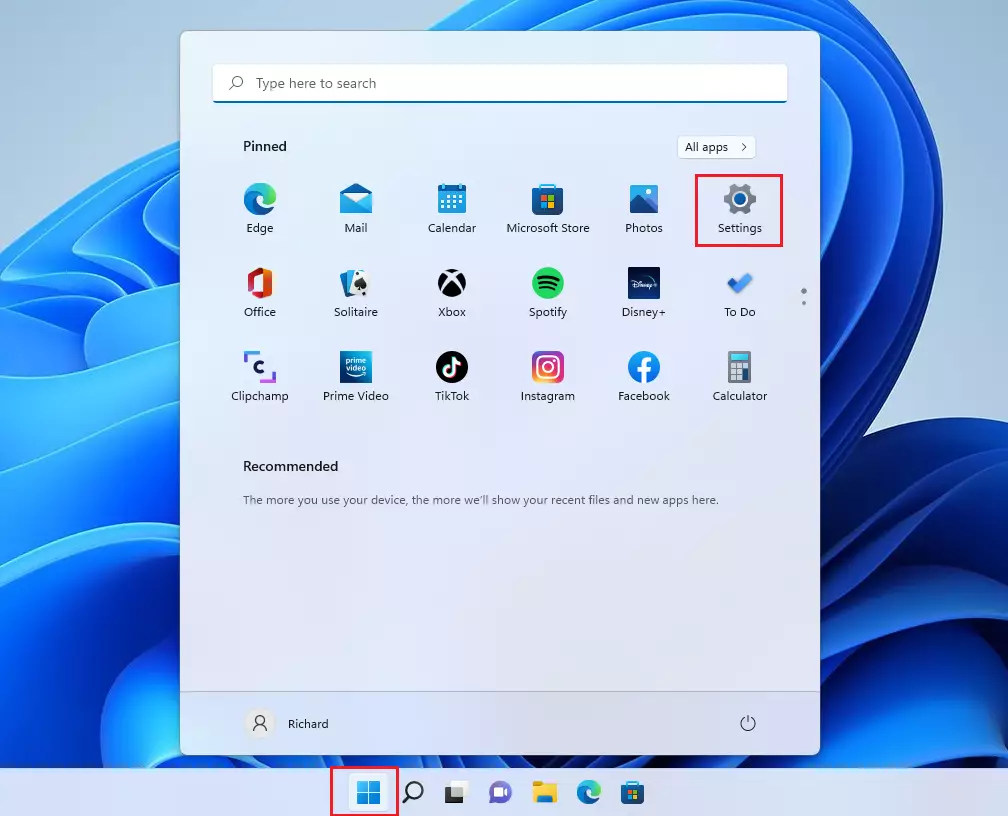
- Open the Settings app by pressing Win+I on your keyboard, or by going to Start Settings The Settings window opens with a list of categories on the left.
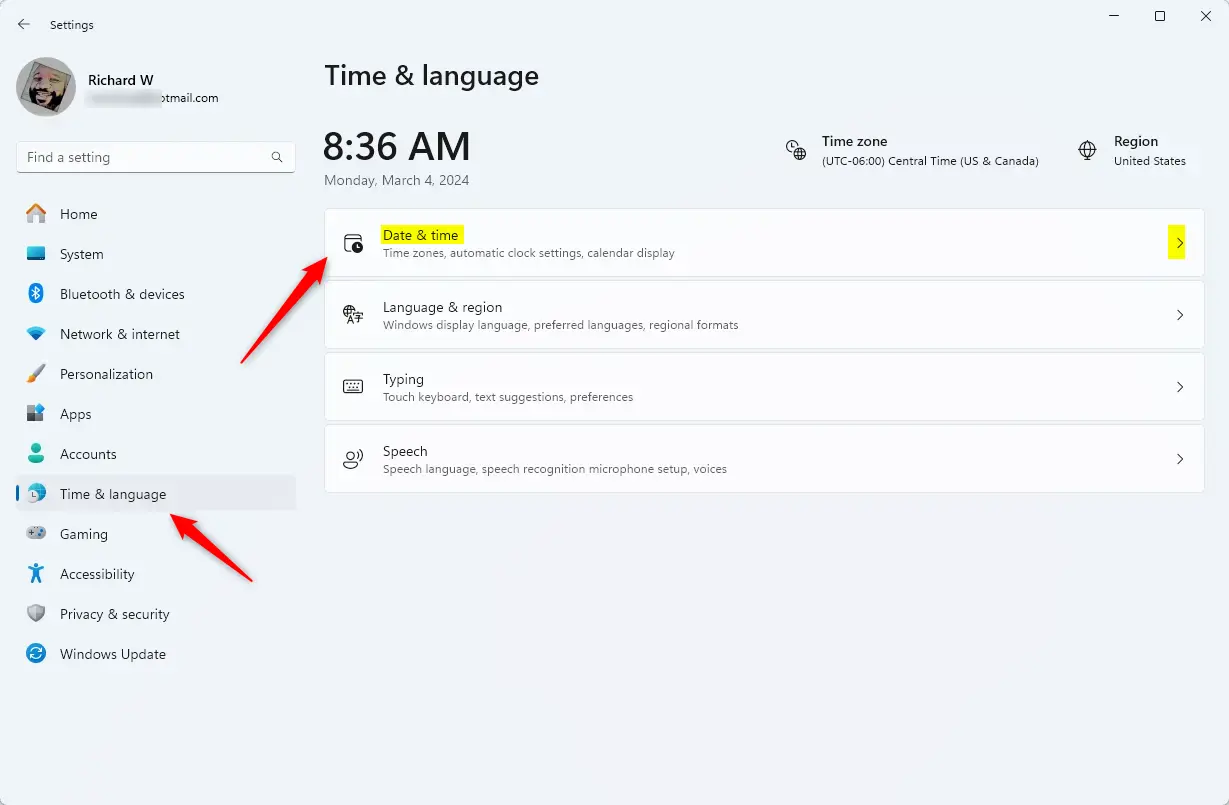
- Click Time & language on the left side of the screen. The right pane now shows the time and language options.
- Select the Date & time tile on the right. You should now see the current time and a list of date and time settings.
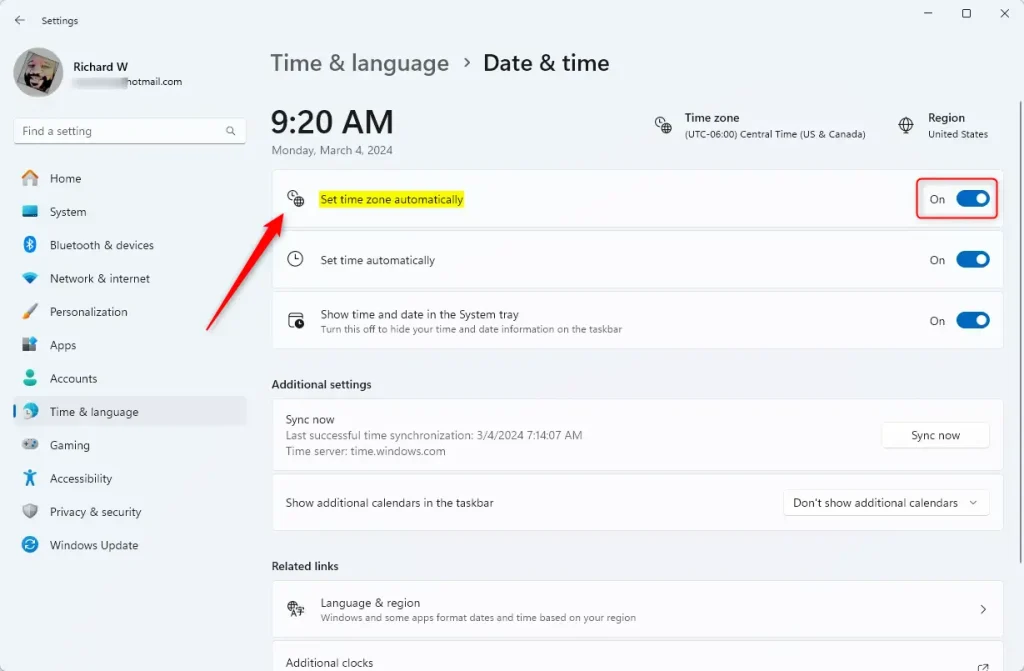
- Find the Set time zone automatically option. It sits near the top of the page, just under the Set time automatically switch.
- Move the switch to On to enable it, or Off to disable it. With it On, the Time zone drop-down is greyed out because Windows picks the zone for you. With it Off, the drop-down becomes available. Choose your zone from it, and check the Adjust for daylight saving time automatically switch below it if your region changes clocks. To undo the change, flip the switch back.
The change applies straight away and no restart is needed. You can now close the Windows settings app.
Checking Location Services
If the Set time zone automatically switch is greyed out or keeps turning itself off, the usual cause is that Location services is off. Windows needs permission to find your position before it can work out the right time zone. The steps below turn that permission back on through the privacy controls.
- Go to Settings Privacy & security The page lists the app permissions you can manage.
- Under App permissions, click Location. The location settings page opens.
- Make sure Location services is turned On. This is the device-wide switch. On some PCs you need an administrator account to change it. If a work or school policy manages the PC, the option may be locked and you will have to ask your IT department.
- Scroll down to Let apps access your location and make sure it is enabled. You do not need to allow every app, but this switch should be on.
Using the Windows Registry (Admin Privileges Required)
You can also force automatic time zone updates on or off through the Windows Registry. This works on both Home and Pro, but it needs administrator rights, and you must go to exactly the right key. A wrong edit in the registry can cause problems, so only use this method if the Settings app does not work for you. Back up the key first if you are unsure: in Registry Editor, right-click the key, choose Export, and save the file somewhere safe. Double-clicking that file later restores it.
- Open the Windows Registry by searching for it in the taskbar search box. Click Yes if User Account Control asks for permission. The Registry Editor window opens with a folder tree on the left.
- Navigate to this folder path:
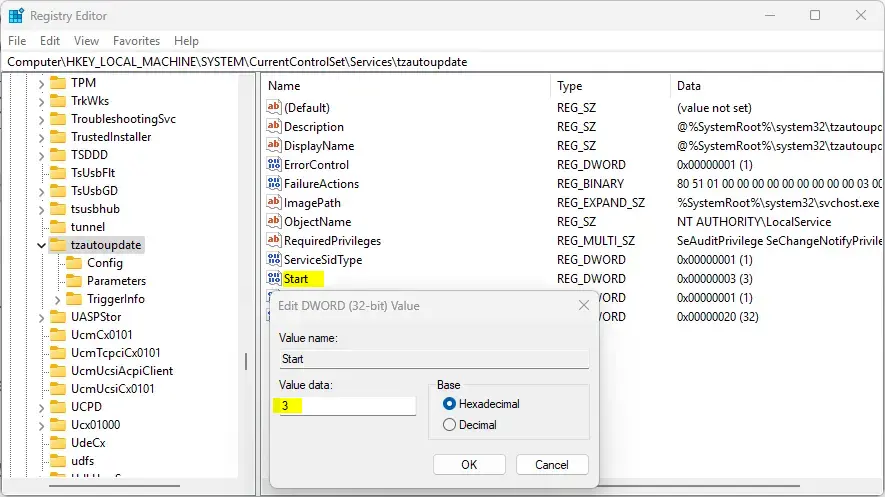
HKEY_LOCAL_MACHINE\SYSTEM\CurrentControlSet\Services\tzautoupdate. You can paste the path into the address bar at the top of the window. The values for that key then appear in the right pane. - Look for the Start item in the right pane. If you do not see it, right-click on a blank space, choose New DWORD (32-bit) Value, and name it
Start. The new item appears in the list. - Double-click Start to open the Edit DWORD (32-bit) Value box, then change the value:
- Enter
3to turn automatic time zones On. - Enter
4to turn automatic time zones Off.
- Enter
- Click OK to save the value, close the Registry Editor, and restart your computer for the change to take effect. After the restart, check Settings Time & language Date & time to confirm the switch matches what you chose. To undo the change, go back to the same value, enter the previous number, and restart again.
Troubleshooting Windows Time Synchronization
If your Windows 11 clock shows the wrong time or drifts, the problem may be time synchronization rather than the time zone. The Windows Time service keeps your clock accurate by syncing it with an internet time server. A manual sync often fixes a clock that is a few minutes off. If the hour is wrong, check your time zone first, because a wrong zone looks like a wrong clock.
w32tm /resync.Press Enter. If the sync works, the window reports success. If it reports that the Windows Time service is not running, start that service first and try again.
Legacy Control Panel Method
You can also use the older Control Panel method to sync your time. It is useful if you want to check which time server Windows uses or force a sync with one click.
- Search for Control Panel and open it.
- Select Clock and Region Date and Time. A small Date and Time window opens.
- Click the Internet Time tab. If the tab is missing, your PC may be joined to a work domain, which sets the time through the domain instead.
- Click Change settings and make sure Synchronize with an internet time server is checked. You need administrator rights for this button. Pick a server from the drop-down, click Update now to sync right away, and then click OK.
Summary
Summary: Keeping your Windows 11 time zone settings on automatic keeps your computer's clock accurate, which matters for daily tasks, calendars and scheduling. Use Settings Time & language Date & time to turn it on or off. If the option is greyed out, turn on Location services. If the clock still drifts, sync it with the Windows Time service.
Was this guide helpful?

About the Author
Richard
Tech Writer, IT Professional
Richard is a writer at Geek Rewind who turns complex IT tasks into clear, step-by-step guides. He draws on years of hands-on experience in system administration and enterprise IT operations, focusing on Windows, Linux and WordPress: the problems people actually run into, and the fixes that work. His server and WordPress guides come from systems he runs himself. Richard builds and maintains the platform behind Geek Rewind, from its Ubuntu servers and Nginx configuration to its custom WordPress plugins. Many new tutorials start with readers' questions, and he's always glad to answer them in the comments.




[…] Settings app that lets you configure many settings for your device. For example, you can change the time zone, add and remove devices, and rename your […]