Step-by-Step Guide to Install XCP-ng on Your Server


XCP-ng is free open-source server software that turns a single physical computer into a host for multiple virtual machines without any licensing fees. Based on the XenServer platform, the software lets you set up a full virtualization environment on any compatible hardware using a standard USB installation drive.
You manage your virtual servers afterward using Xen Orchestra, a web tool that handles backups, storage drives, and live server migrations.
Download the XCP-ng ISO, create a bootable USB or CD, boot your server from it, and follow the on-screen prompts in the installation wizard. Accept the license, configure storage and networking, set a root password, and confirm the installation.
Install XCP-ng
To install XCP-ng server on your hardware, download the official installation file from the project website and write it to a USB drive using a tool like Rufus or the Linux command line. Plug the bootable drive into your server, turn it on, boot from the USB device, and follow the on-screen prompts to wipe your drive and set up the operating system.
After downloading the ISO image, create a bootable USB disk or CD/DVD. On Linux, you can use commands like:
dd if=xcp-ng-8.2.0.iso of=/dev/sdX bs=8M oflag=direct
For Windows, Rufus is a great option. Once your bootable disk is created, insert it into your server and boot from it.
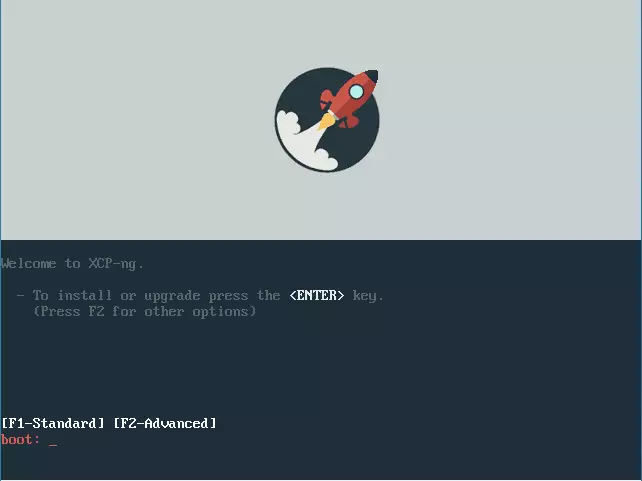
You should see a "Welcome to XCP-ng" screen. Press the Enter key to begin the installation wizard. For more options, press F2.
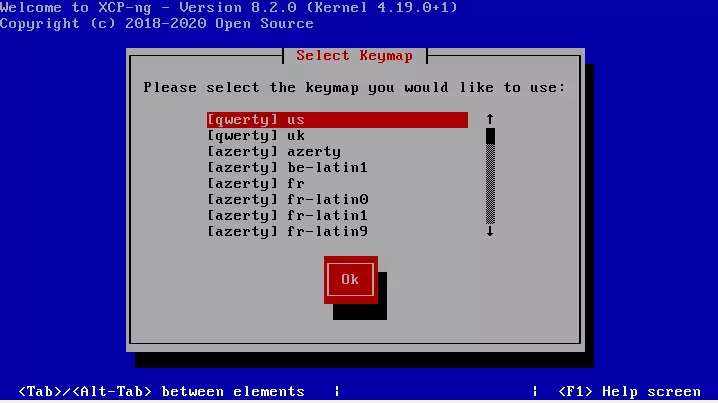
Next, select the keymap you would like to use. The default is [qwerty] us.
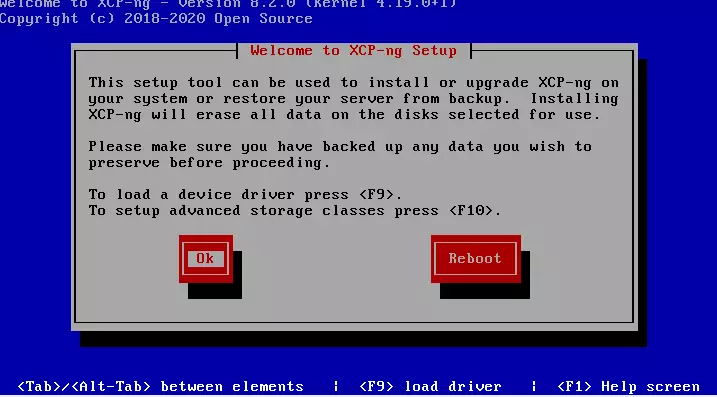
Click Ok to use the setup tool to install XCP-ng on your system. To load additional drivers, press F9.
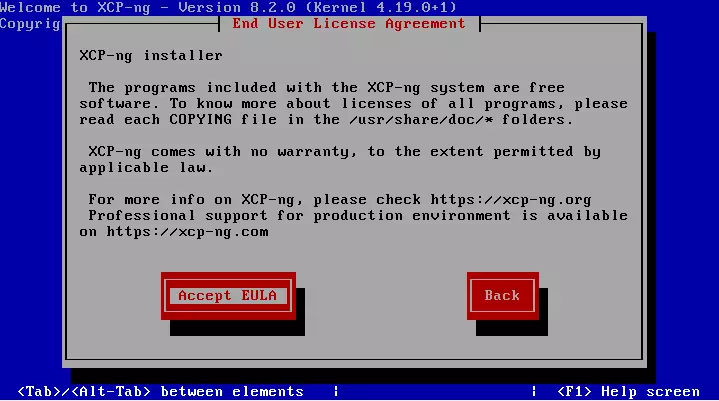
Next, accept the End User License Agreement to continue with the installation.
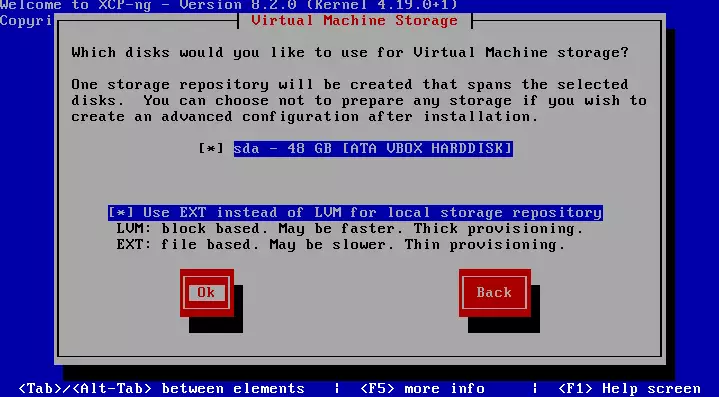
Select the virtual machine storage for your XCP-ng server. Since this tutorial installed only one disk, XCP-ng defaulted to using that single disk for virtual machine storage.
If you prefer EXT over LVM for your local storage, select that option and click Ok.
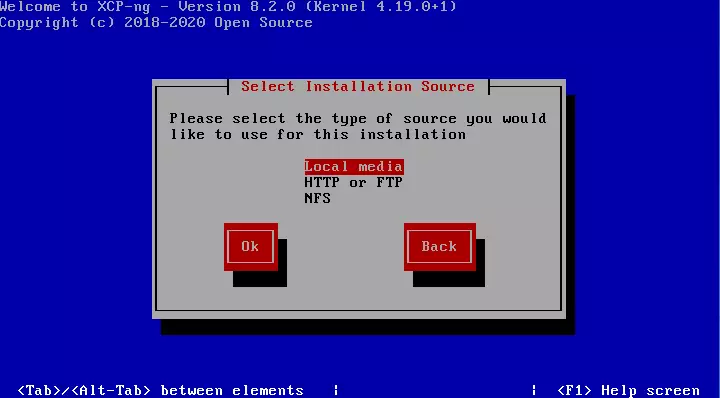
Then select the installation source. Since we're installing from a local USB or CD, choose "local media" and click Ok.
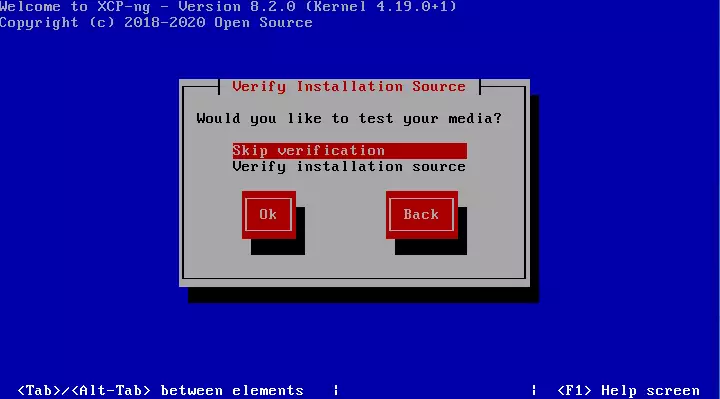
You can choose to verify the installation media or skip this step. Verifying the installation media ensures the content on the disk is not corrupted before proceeding with the XCP-ng installation.
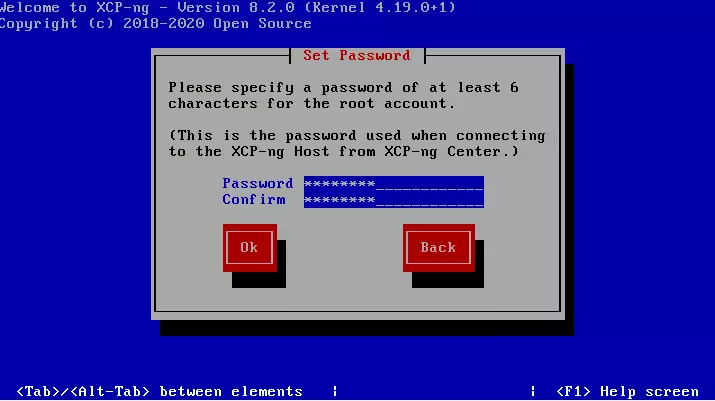
Creating the root account password is the next step. This root account serves as your main administrator access for managing the server.
Server networking requires configuration. This guide uses DHCP (Dynamic Host Configuration Protocol, which automatically assigns network addresses) to set the server IP rather than requiring a static IP.
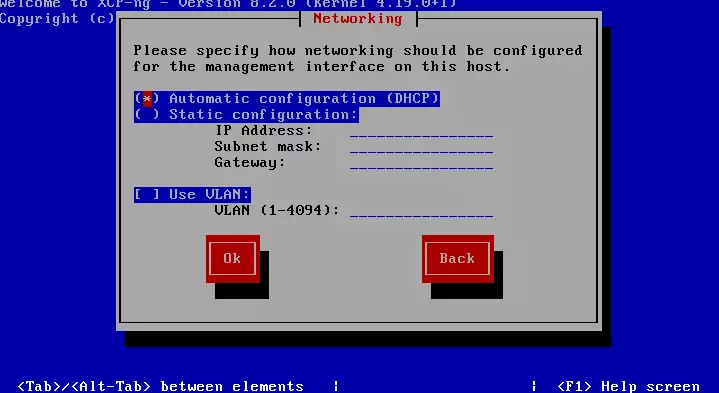
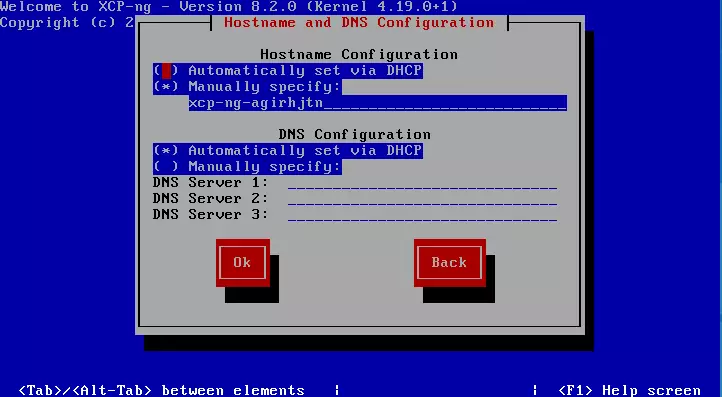
We'll also set up automatic DNS configuration. Keep in mind, in a production environment, you'd typically use static DNS servers.
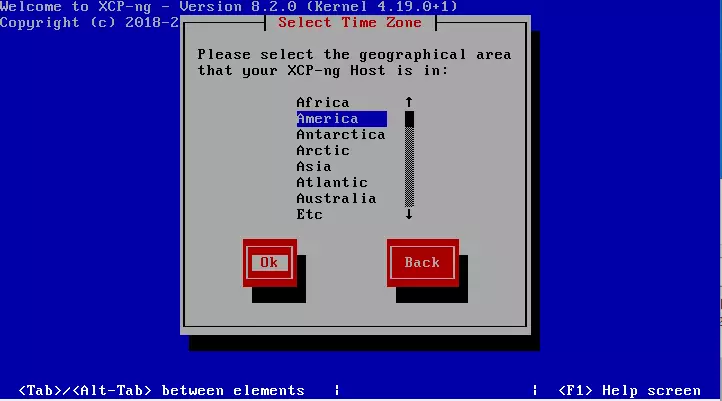
Select your local time zone, then pick the nearest city.
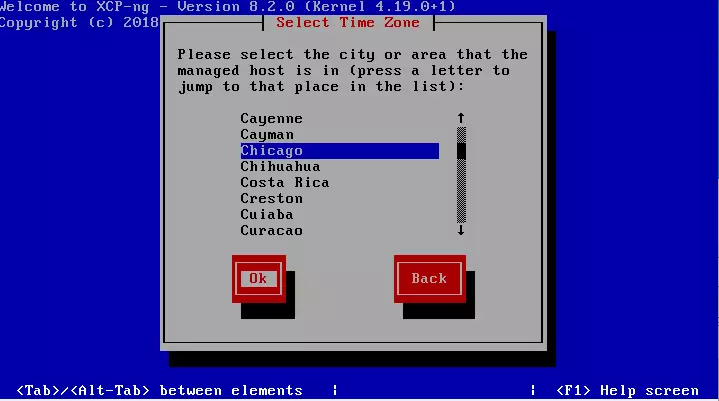
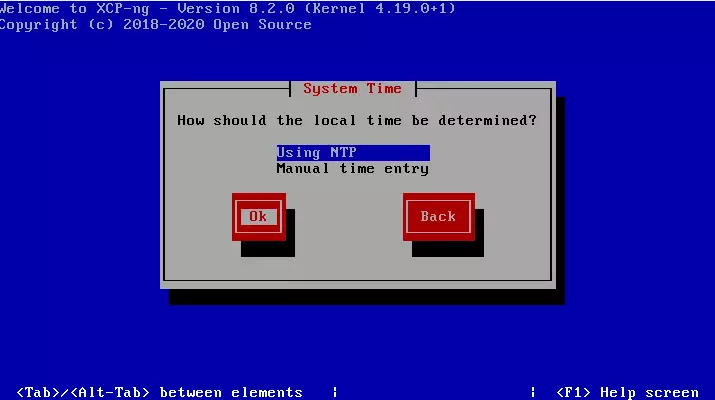
Next, pick the city where the server lives. Network Time Protocol (NTP) will handle syncing the clock.
We'll use NTP to set the server's local time and then continue.
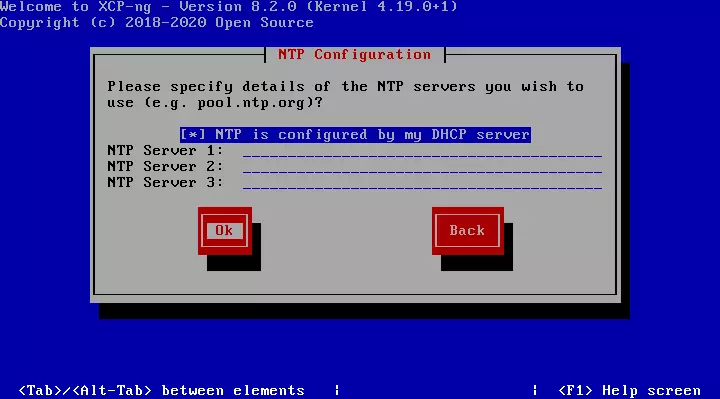
Since we're using automatic IP settings, select the option for a DHCP server to assign NTP servers automatically. For production, you would enter these statically.
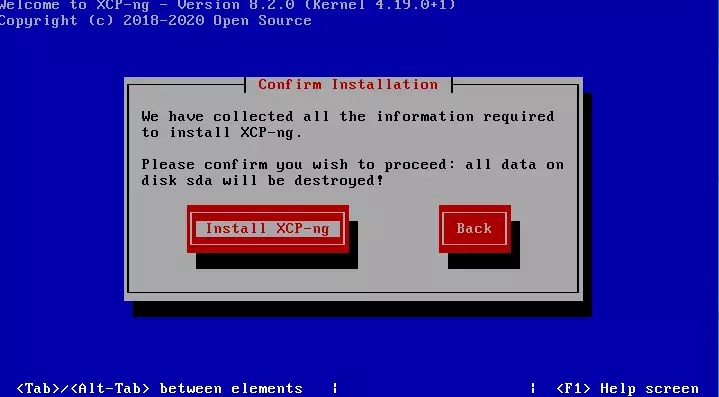
Click the Install XCP-ng button to start the XCP-ng installation process. This action will erase all data on the disk chosen for installation, so ensure you have backed up any important information from that disk before proceeding.
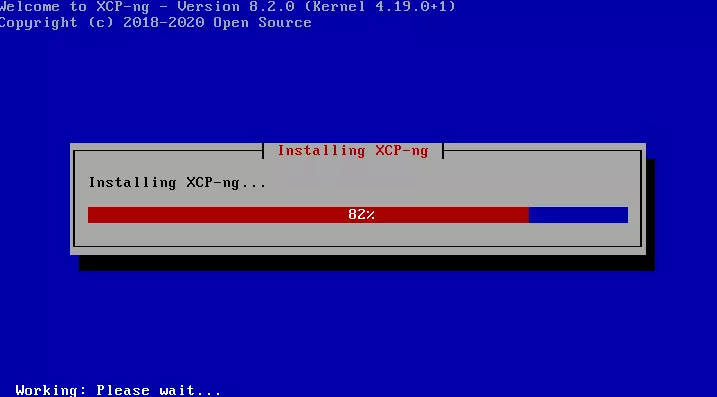
Wait for the installation to complete.
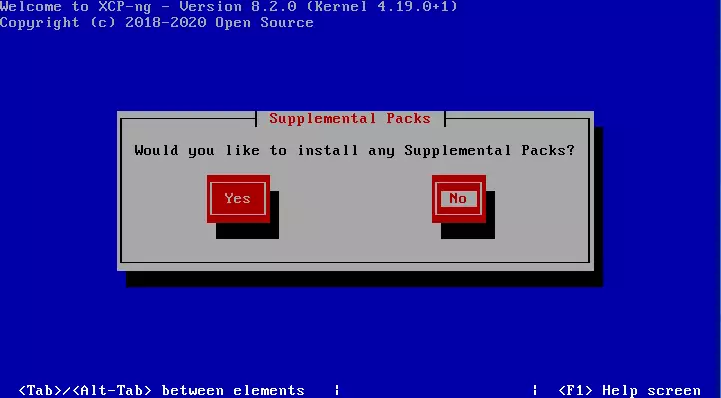
When prompted if you want to install any additional packs, choose "No". Many users have reported that this can sometimes cause the installation to hang.
You can install these packages later, after the software is up and running.
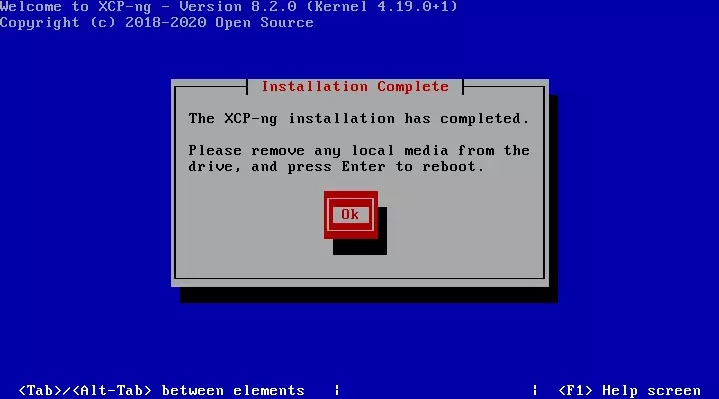
After the XCP-ng installation finishes, remove the installation disk from the server. Press Enter to reboot the computer and start XCP-ng.
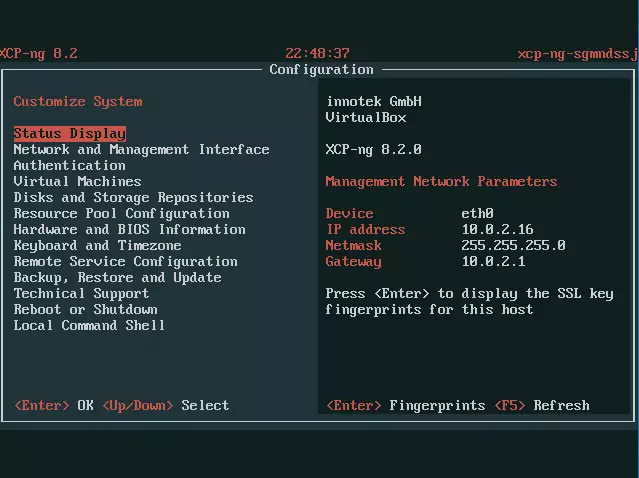
Login with the root password you created earlier and start configuring your environment.
That should do it.
Install XCP-ng Center
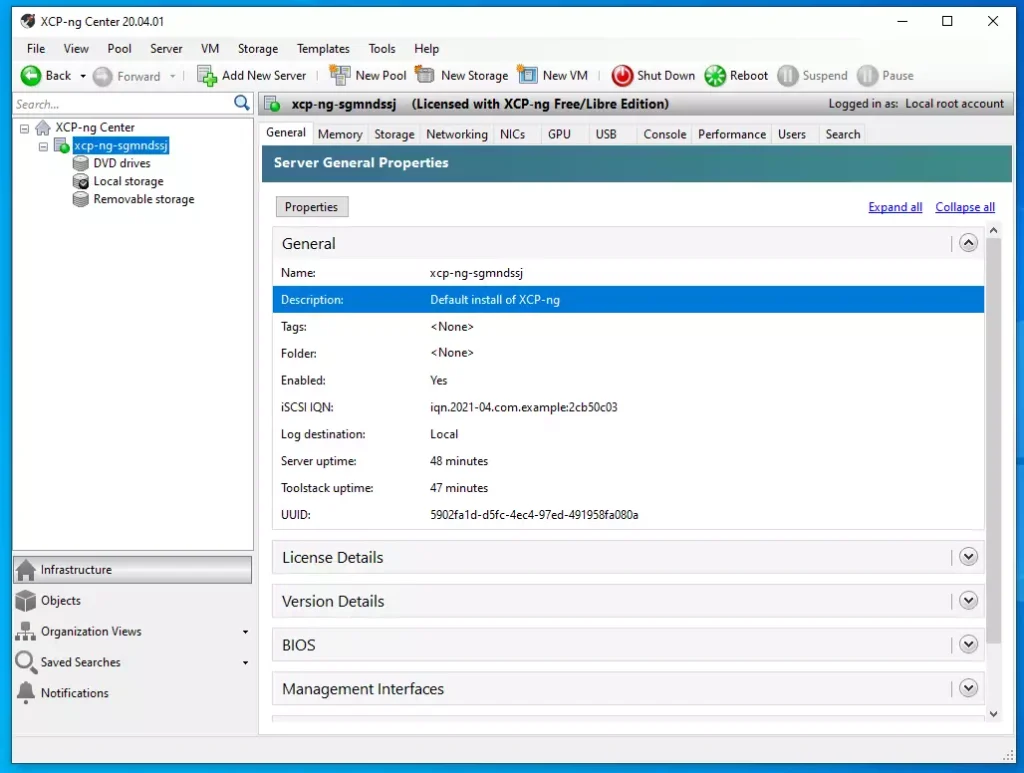
To install XCP-ng Center, download the latest Windows management application package from the official GitHub releases page and run the installer on your PC. This program serves as your main control panel, letting you connect to your server's IP address to create virtual machines, monitor hardware resources, and manage storage pools from your desktop.
XCP-ng Center, the management software for XCP-ng servers, receives updates from community members who contribute their free time to its development. The XCP-ng project hosts these contributions.
Download the latest XCP-ng release (version 8.3) from the provided link. Install XCP-ng on your Windows machine to begin setting up your virtualization environment.
Releases · xcp-ng/xenadmin · GitHub
Enjoy!
That should do it.
Conclusion:
- XCP-ng is a powerful open-source virtualization platform based on XenServer, enabling efficient management of virtual machines.
- The installation process on bare metal servers is straightforward, requiring only a few steps to get started.
- Users have the flexibility to choose between different storage options and network configurations during installation.
- After installation, managing your virtual environment is simplified with the use of graphical clients like Xen Orchestra and XCP-ng Center.
- XCP-ng offers a cost-effective solution for building and managing cloud infrastructure without sacrificing features or performance.
- Community support and ongoing development ensure that XCP-ng remains a reliable choice for virtualization needs.
Was this guide helpful?

About the Author
Richard
Tech Writer, IT Professional
Richard, a writer for Geek Rewind, is a tech enthusiast who loves breaking down complex IT topics into simple, easy-to-understand ideas. With years of hands-on experience in system administration and enterprise IT operations, he’s developed a knack for offering practical tips and solutions. Richard aims to make technology more accessible and actionable. He's deeply committed to the Geek Rewind community, always ready to answer questions and engage in discussions.

No comments yet — be the first to share your thoughts!