How to Enable or Disable Network Adapters in Windows 11

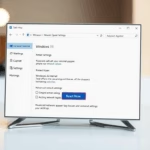
You enable or disable network adapters in Windows 11 through the Network Connections settings.
A network adapter is the crucial hardware component that allows your PC to connect to networks, whether for internet access or local network communication. Enabling or disabling these adapters is a common troubleshooting step for connectivity issues or when you need to force a switch between different connection types.
For example, if your Wi-Fi is acting up, disabling the Wi-Fi adapter and then re-enabling it can often resolve the problem. This process is straightforward and can be done in just a few clicks.
When you disable an adapter, the associated network connection immediately stops functioning. You’ll lose internet access through that specific adapter until you choose to enable it again.
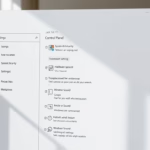
Open Settings, go to Network & internet, then Advanced network settings, find your adapter, and click Disable. Alternatively, use Control Panel or Device Manager to right-click the adapter and select Disable.
How do I permanently disable a network adapter?
Manage via Device Manager: open it, expand Network adapters, then right‑click the adapter and select Disable device or Enable device. Automate through Command Prompt: run netsh interface show interface, then use netsh interface set interface “Adapter Name” disable or enable (run as Administrator).
How to disable LAN without unplugging?
Turning Off Ethernet Using Windows On the left side of the window that opens, click “Network and Internet” Click “Network and Sharing Center” at the top of your screen. Directly below that heading you will see “Change Adapter Settings” with a link next to it; click this link or simply press “Enter”
What happens if you disable LAN?
Important note: if you disable all LAN ports on the router, you will lose access to the router via Ethernet. To regain access to the router you can: login to the router's wireless access point (AP) (provided that you assigned a wireless access point to the VLAN configuration) login remotely via RMS.
Was this guide helpful?

About the Author
Richard
Tech Writer, IT Professional
Richard, a writer for Geek Rewind, is a tech enthusiast who loves breaking down complex IT topics into simple, easy-to-understand ideas. With years of hands-on experience in system administration and enterprise IT operations, he’s developed a knack for offering practical tips and solutions. Richard aims to make technology more accessible and actionable. He's deeply committed to the Geek Rewind community, always ready to answer questions and engage in discussions.

No comments yet — be the first to share your thoughts!