How to Back Up Files on Windows 11 Using External Drives

Open Control Panel from the Start menu , go to System and Security, select File History, click Restore personal files, and choose the file or folder you need from the saved versions. Click the green Restore button to recover it to its original location.
How to Restore Your Files
To restore files on Windows 11 from an external drive, use the built-in File History tool to get back older versions of your documents. Open Control Panel from the Start menu , go to System and Security, select File History, and click Restore personal files to browse and recover your saved data.
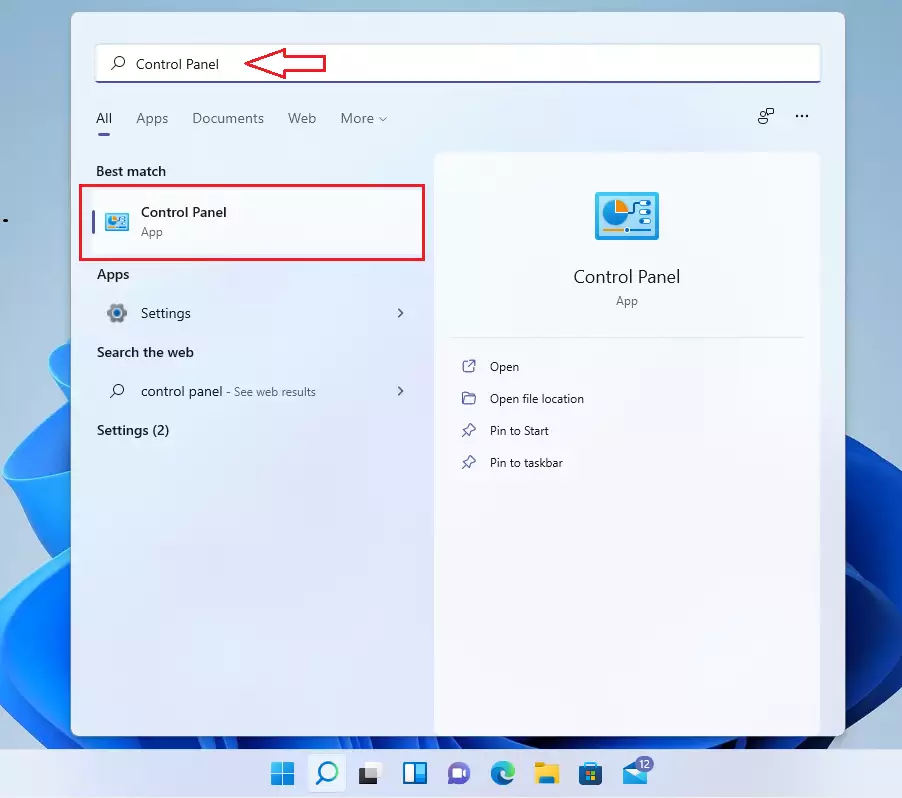
- Click the Start menu, type Control Panel in the search box, and open it. The Control Panel window appears. Plug in the external drive that holds your backups first. File History can only show saved versions if the drive is connected.
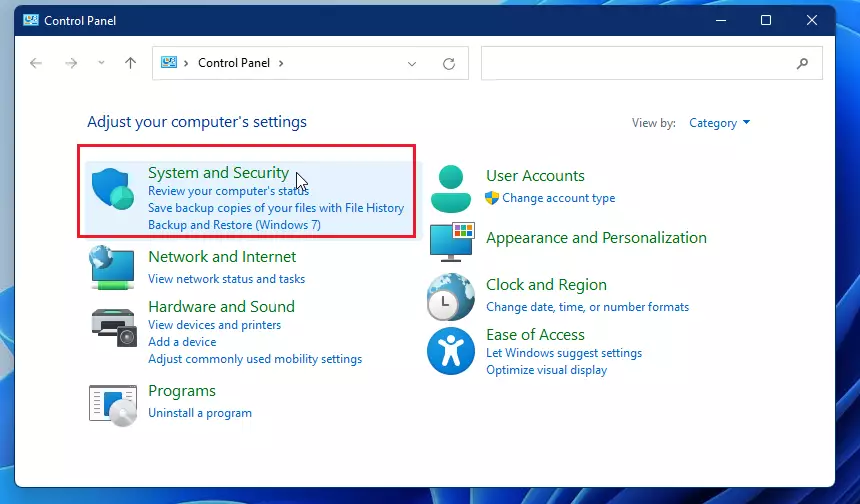
- Click System and Security. If your Control Panel shows small or large icons instead of categories, you will not see this link. Use the File History icon directly instead, or switch the View by option at the top right to Category.
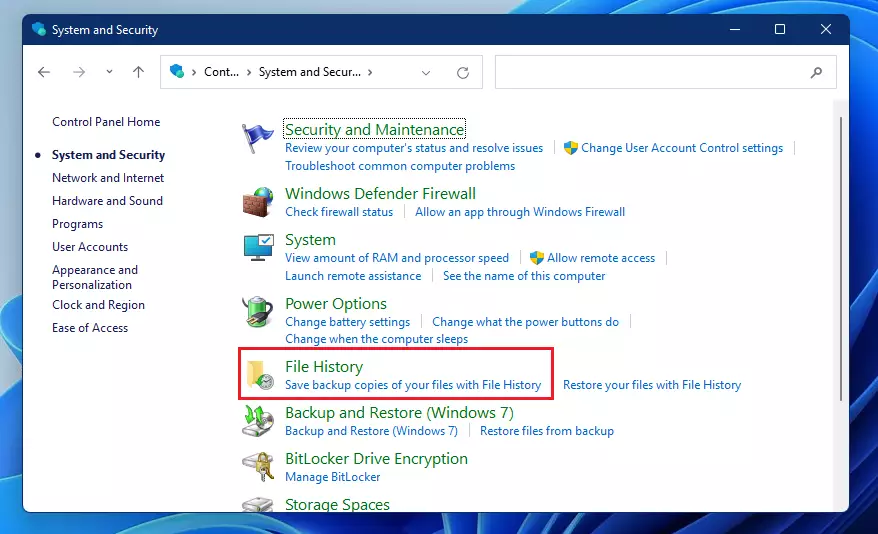
- Select File History. The File History window opens. It shows whether the feature is on and which drive it uses. If it says File History is off, nothing has been backed up yet, so there is nothing to restore until you turn it on and let it run.
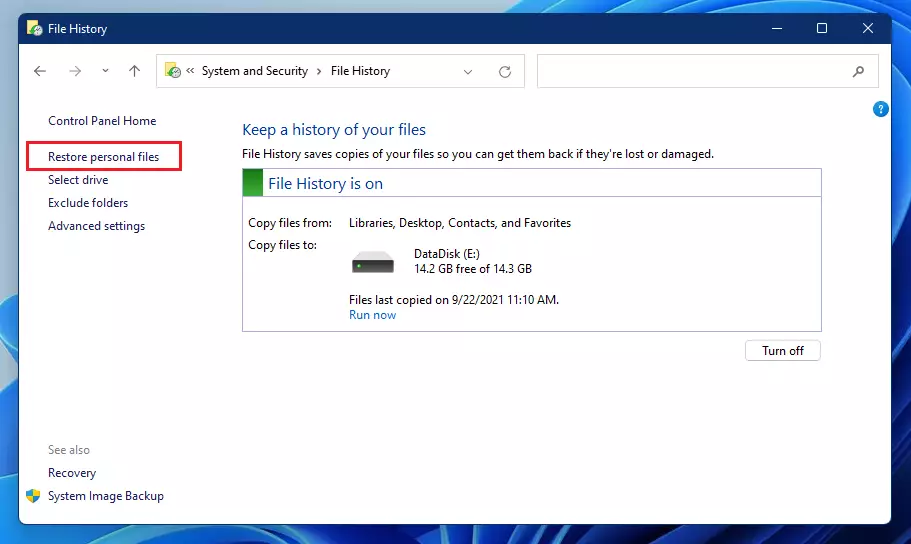
- Click the link that says Restore personal files in the left pane. A browsing window opens and lists the folders File History has been saving, such as Desktop, Documents, Music, Pictures, and Videos. If the link does nothing useful or the window is empty, check that the backup drive is connected.
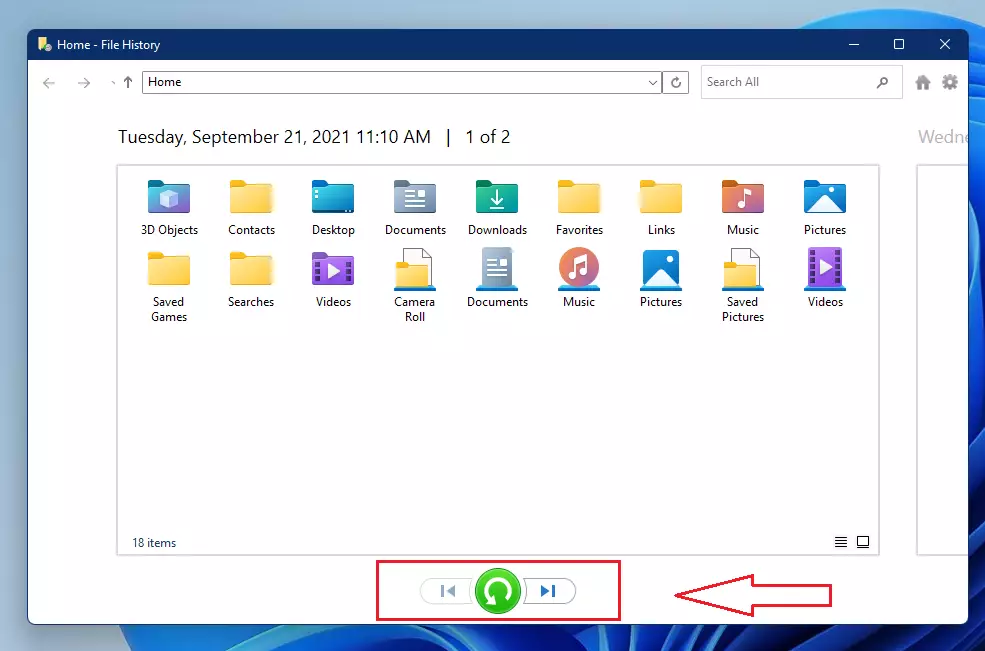
- Use the Previous or Next arrows at the bottom of the window to look through your saved versions. Find the date and time that contains the file you need. You can double-click a folder to open it, and double-click a file to preview it before you restore anything.
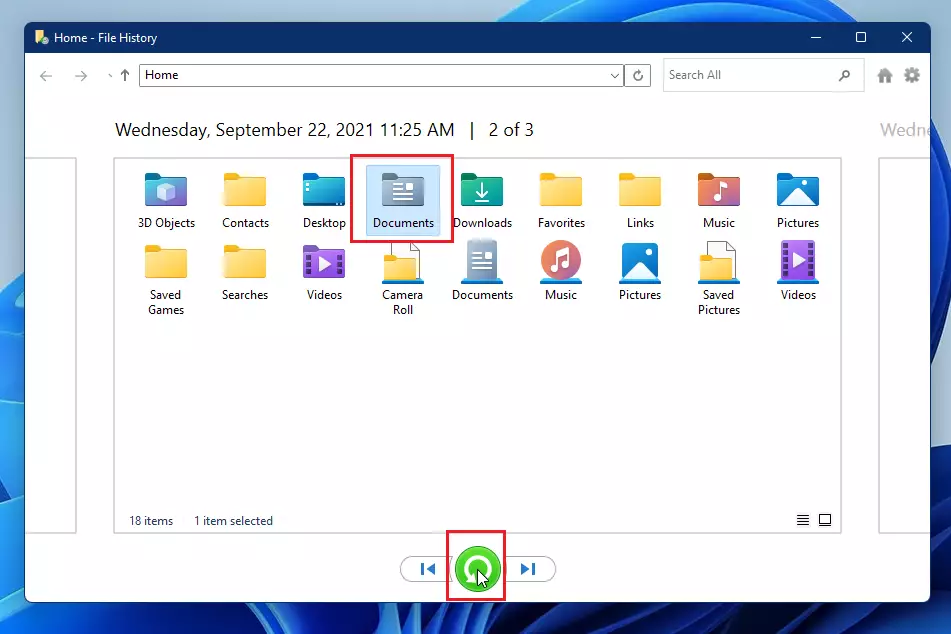
- Select the file or folder you want, then click the green Restore button to bring it back to its original spot. When the restore finishes, Windows opens the folder that now contains the file. If a file with the same name is already there, a prompt appears. The options are explained further down.
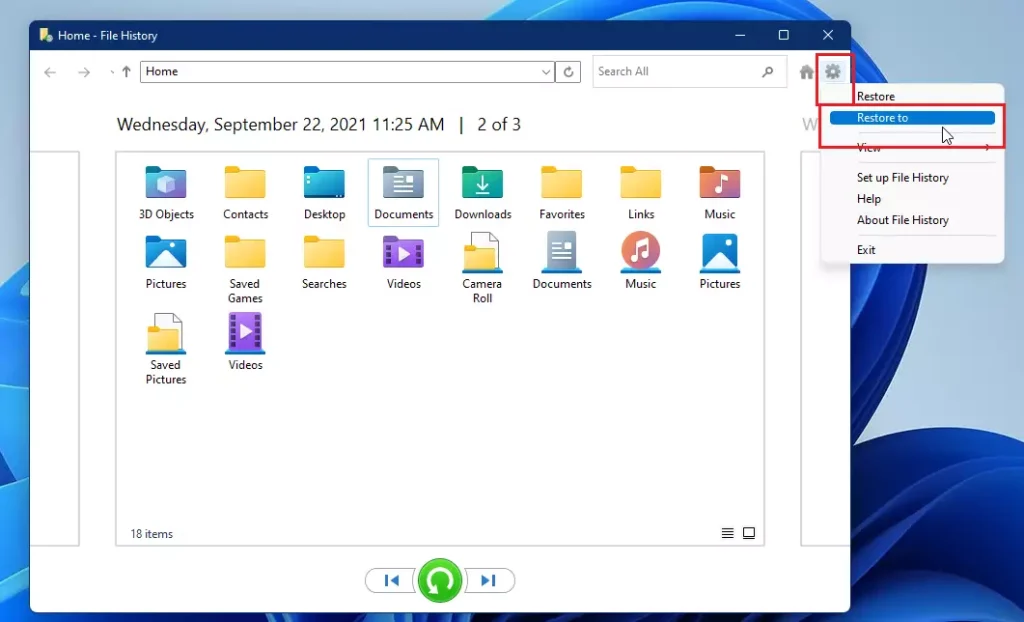
Then pick a destination folder. This is the safer choice when you are not sure the backup version is the one you want, because your current file stays untouched and you can compare the two.
Handling Duplicate Files
When a file with the same name already exists on your computer, File History gives you the option to replace the current file with the backup version, skip the file, or compare both versions before deciding. Read the three choices before you click, because replacing a file cannot be undone from this window.
- Replace the file: This deletes your current file and replaces it with the backup. Use it only when you are sure the older version is the one you want.
- Skip this file: This stops the restore process for that specific file. Your current file stays as it is, and the backup copy remains on the drive.
- Compare info: This lets you look at the file sizes and dates to see which version is newer. Use it when you are unsure, then go back and choose Replace or Skip.
Restoring files to your own user account on Windows 11 does not require administrative rights. This removes an extra security step for everyday tasks. You can access and restore your personal documents, pictures, and other files directly without needing special permissions. This applies to both Windows 11 Home and Pro. Restoring into a location that your account does not own, such as another user’s profile, may still prompt for administrator approval.
Summary
File History in Windows 11 provides a reliable way to protect your data by automatically saving copies of your documents to an external drive. This feature lets you easily recover lost files, browse through different saved versions, and choose exactly where to put your restored data back on your computer. Keep the drive plugged in as often as you can, since backups only run while it is connected.
- File History is a simple way to recover lost or damaged documents.
- It allows you to look at different versions of your files before restoring them.
- You can choose to put files back where they were or save them in a new location.
- If a file already exists, you have options to compare or skip the restore process.
Was this guide helpful?
100% of readers found this helpful (1 votes)

About the Author
Richard
Tech Writer, IT Professional
Richard is a writer at Geek Rewind who turns complex IT tasks into clear, step-by-step guides. He draws on years of hands-on experience in system administration and enterprise IT operations, focusing on Windows, Linux and WordPress: the problems people actually run into, and the fixes that work. His server and WordPress guides come from systems he runs himself. Richard builds and maintains the platform behind Geek Rewind, from its Ubuntu servers and Nginx configuration to its custom WordPress plugins. Many new tutorials start with readers' questions, and he's always glad to answer them in the comments.
There are no options other than OneDrive for Windows 11. To use an external drive you must manually cut/paste or use third party software.