How to Send Files Directly through Email in Windows 11


Ever needed to send a file to someone but weren’t sure how? Windows makes it easy to share files. One common way is by sending an email with the file attached. This is super helpful when you need to send a document, photo, or video to a friend or coworker quickly. We’ll show you how to do this using your computer’s email program or cloud services.
Sending Files Directly Through Email
This is likely the easiest way you know to share files. If you have an email app on your computer, like Outlook or the Mail app that comes with Windows, you can attach files right from File Explorer. It’s like putting something in an envelope and mailing it, but way faster!
Step 1: Find the File You Want to Send
First, you need to find the file on your computer. Open File Explorer. It’s that yellow folder icon on your taskbar. Click it. Then, go through your folders until you find the file you want to share. It might be in your Documents, Downloads, Pictures, or wherever you saved it.
Tip: Can’t remember where you saved the file? Use the search bar at the top of File Explorer. Type the file name, and Windows will try to find it for you.
Step 2: Start the Sharing Process
Once you have the file, tell Windows you want to share it. You can do this in a couple of ways:
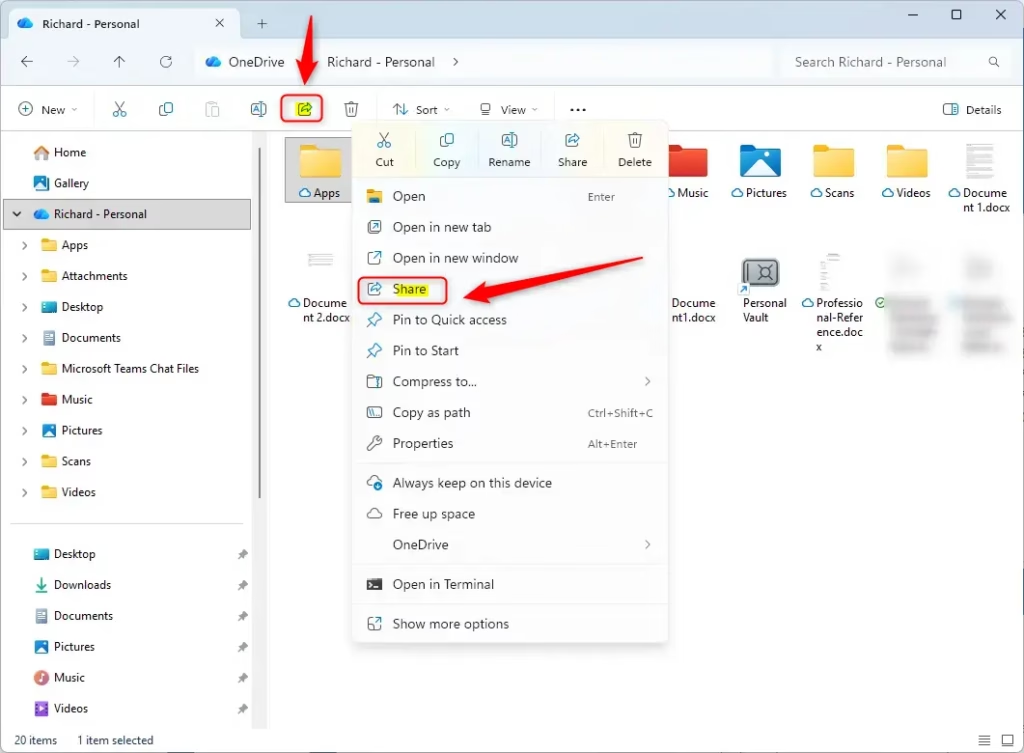
- Using the Ribbon: Click on the file once to select it. Look at the top of the File Explorer window. You’ll see a menu bar. Click on the “Share” tab or button.
- Using the Right-Click Menu: Another easy way is to right-click on the file. A menu will pop up. Look for an option that says “Share” or something similar.
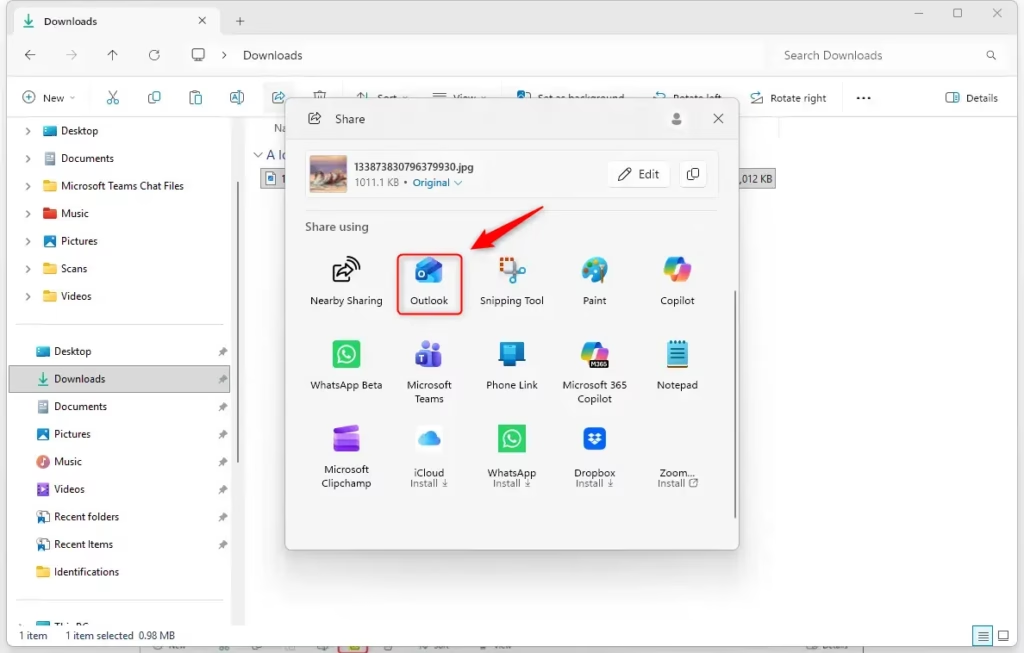
Both ways will show a sharing menu or a box with options. We’re focusing on email, so look for the email option.
Step 3: Pick Your Email App
In the sharing menu, you’ll probably see icons for different apps you can use. If you have an email program installed (like Microsoft Outlook, Mozilla Thunderbird, or the Windows Mail app), you should see an option like “Email” or an icon for your email program.
Click the email option for the program you want to use. Windows will then get that app ready to create a new email message for you.
Warning: If you don’t see an email option, you might not have a default email app set up. Or, the file type might not be something you can easily share this way. You may need to set your default mail client in Windows settings.
Step 4: Write and Send Your Email
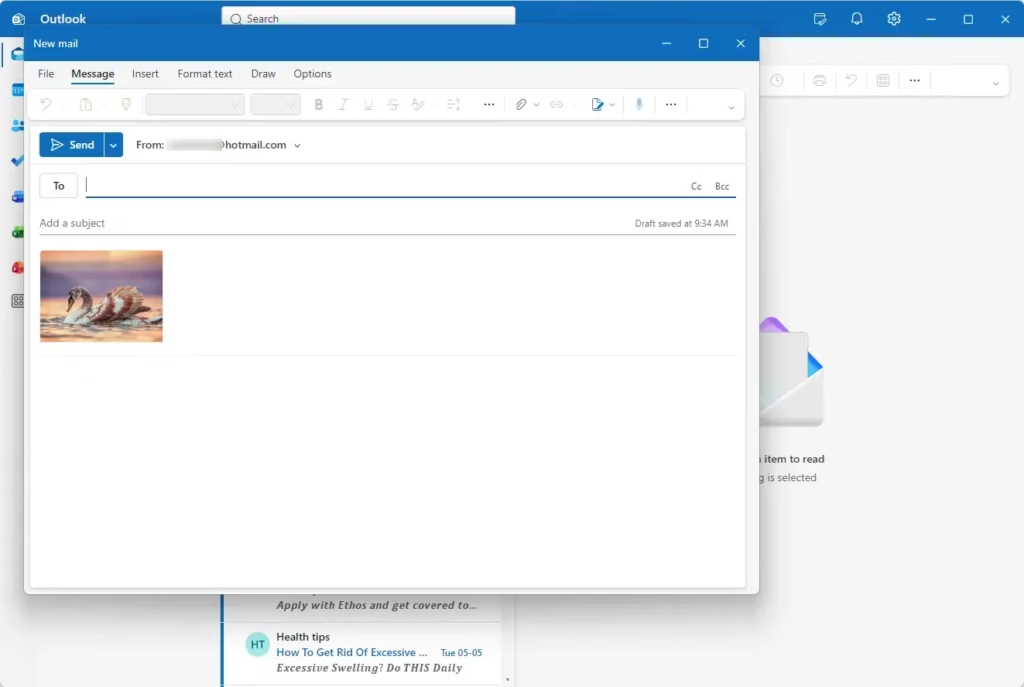
Your email app will now take over. A new email window will open, and the file you chose should already be attached. Pretty cool, right?
Now, fill in the rest of the email details:
- To: Type the email address of the person you want to send the file to.
- Subject: Give your email a clear subject line so the person knows what it’s about.
- Message Body: Add any notes or information you want to include.
When you’re done, click the “Send” button in your email program. Your file is now on its way!
Tip: If you’re sending a very large file, remember that most email services have limits on attachment sizes (usually around 20-25 MB). If your file is too big, you might get an error. In that case, try using a cloud storage service like OneDrive, Google Drive, or Dropbox. These are made for sharing bigger files.
A Note on File Size Limits
As mentioned, email attachments have size limits. This is a basic rule for most email systems. If you’re sending more than a few photos or a medium-sized document, you’ll likely have a problem.
Here’s a quick look:
- Typical Email Limit: Most big email providers (like Gmail, Outlook.com, Yahoo) limit attachments to about 20-25 MB per email.
- Work/School Accounts: These can be different based on your company’s rules. Some might allow bigger files, while others might be stricter.
What to Do If It’s Too Big: This is where cloud storage services like OneDrive, Google Drive, Dropbox, or special file transfer services (like WeTransfer) are useful. They can handle large files and let you share them using a link.
Knowing these limits will save you trouble when sending files. For sending small things regularly, direct email attachments are great. For anything bigger, or if you want more control, using links to cloud files is the best choice.
Summary
So, that’s how you do it! Sharing files from your Windows PC is a basic skill, and sending them by email is a very common way. Whether you attach a file directly from your email app or send a link to a file stored in OneDrive, Windows offers easy options.
Remember to think about the file’s size and how sensitive the information is when picking how to share. For quick, small shares, direct email is perfect. For larger files or when you need more control, OneDrive is a great option. And for sharing with someone nearby, Windows has a feature called Nearby sharing.
Was this guide helpful?

About the Author
Richard
Tech Writer, IT Professional
Richard, a writer for Geek Rewind, is a tech enthusiast who loves breaking down complex IT topics into simple, easy-to-understand ideas. With years of hands-on experience in system administration and enterprise IT operations, he’s developed a knack for offering practical tips and solutions. Richard aims to make technology more accessible and actionable. He's deeply committed to the Geek Rewind community, always ready to answer questions and engage in discussions.


No comments yet — be the first to share your thoughts!