
This article explains how to enable or disable “Notify when apps request location” in Windows 11.
Location service in Windows helps determine the precise geographic location of your Windows device. The precise location of your device allows apps to give you directions, show shops and restaurants near you, and more.
Microsoft uses wireless access point information, cellular tower information, and precise GPS to get your device’s precise location. Apps that want to use your device location service will typically request with a prompt, which you can use to allow or deny access to your precise location.
With Windows 11 build 25967, Microsoft added a toggle to turn app request notifications on or off. The tile “Notify when apps request location” allows you to control whether to display or hide app notification requests.
Turn “Notify when apps request location” on or off
As mentioned, a new toggle allows users to show or hide app requests to your location. You won’t be notified if an app is blocked from accessing your location if it is turned off. Some apps might stop working as expected.
Here’s how to do it.
First, open the Windows Settings app.
You can do that by clicking on the Start menu and selecting Settings. Or press the keyboard shortcut (Windows key + I) to launch the Settings app.
When the Setting app opens, click the Privacy & security button on the left.
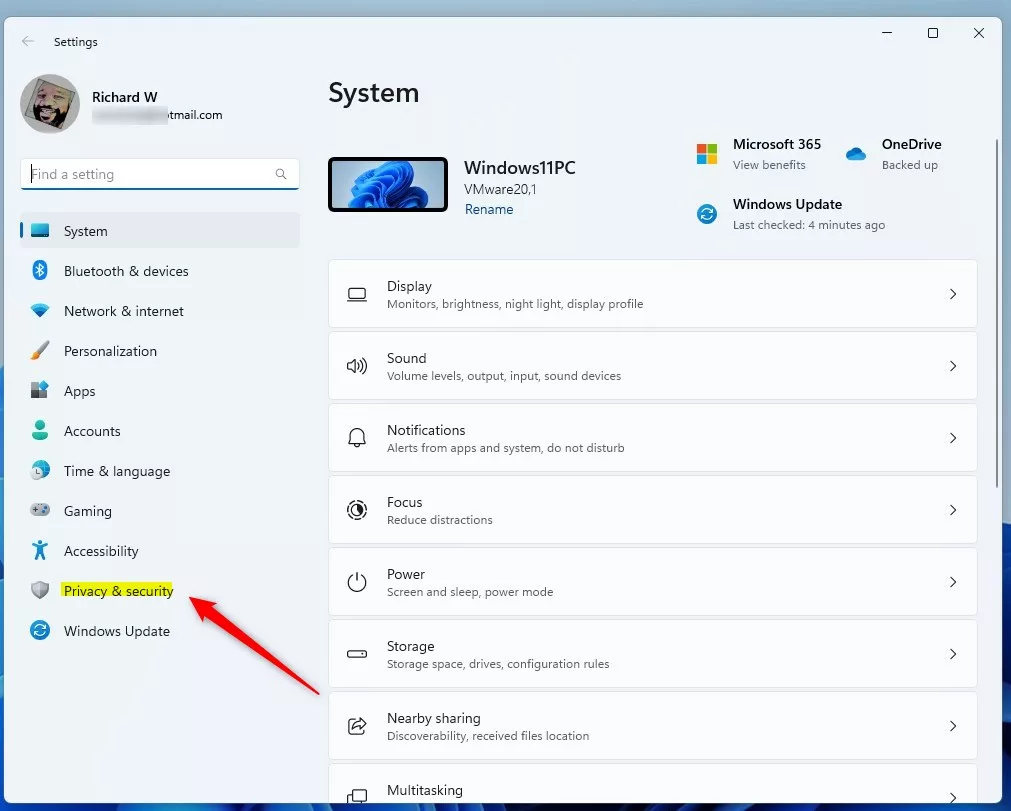
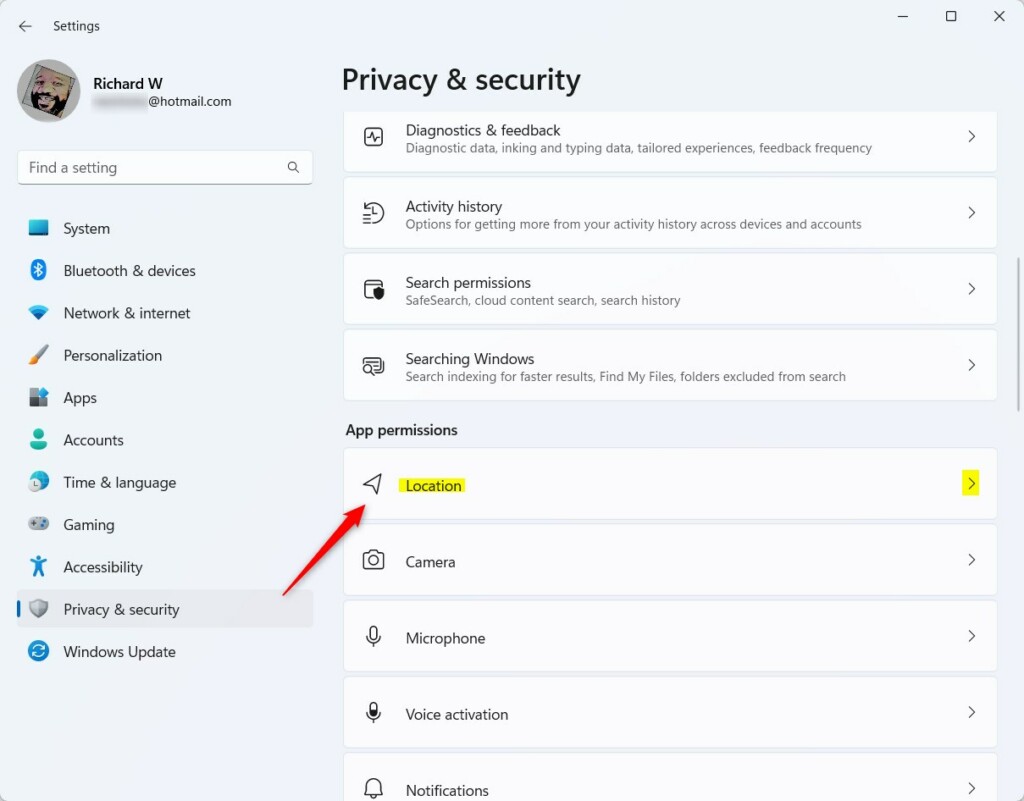
Next, please select the Location tile on the right to expand it.
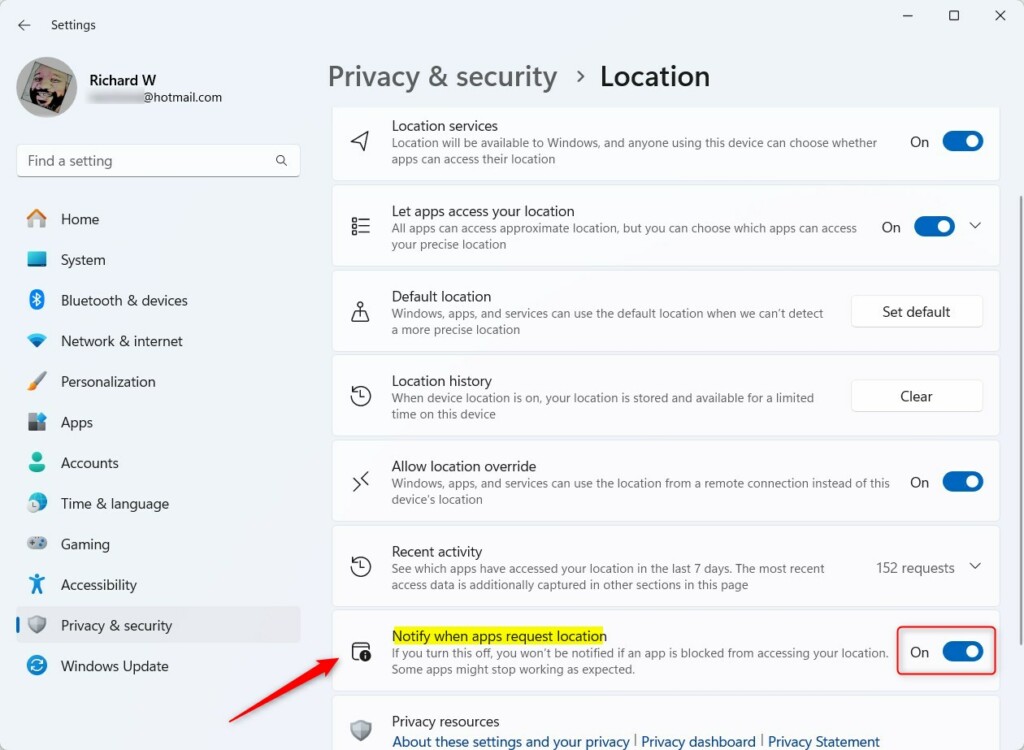
On the Privacy & security -> Location setting pane, select the “Notify when apps request location” tile.
Then, toggle the switch button to the On position to enable. To disable it, toggle the switch back to the Off position.
Exit the Settings app when you’re done.
Use Windows Registry to turn “Notify when apps request location” on or off
Yet another way to turn “Notify when apps request location” on or off is to use the Windows Registry Editor.
To do that, open the Windows Registry and navigate to the folder keys below.
HKEY_CURRENT_USER\Software\Microsoft\Windows\CurrentVersion\CapabilityAccessManager\ConsentStore\location
If you don’t see the location key, right-click on the ConsentStore key, then create the subkey (location) folders.
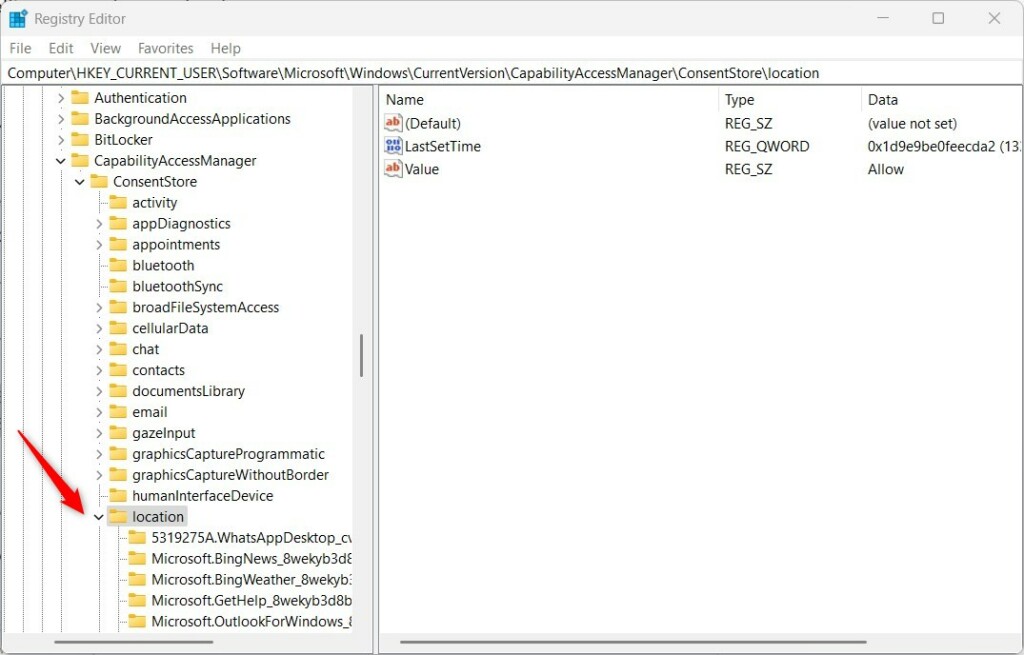
Next, right-click the location folder key’s right pane and select New -> DWORD (32-bit) Value. Type a new key named ShowGlobalPrompts.
Double-click the new key item name (ShowGlobalPrompts), make sure the Base option is Decimal, and then update the Value data:
- To get notified when an app requests location, type 1.
- To turn off notifications when an app requests for location, type 0.
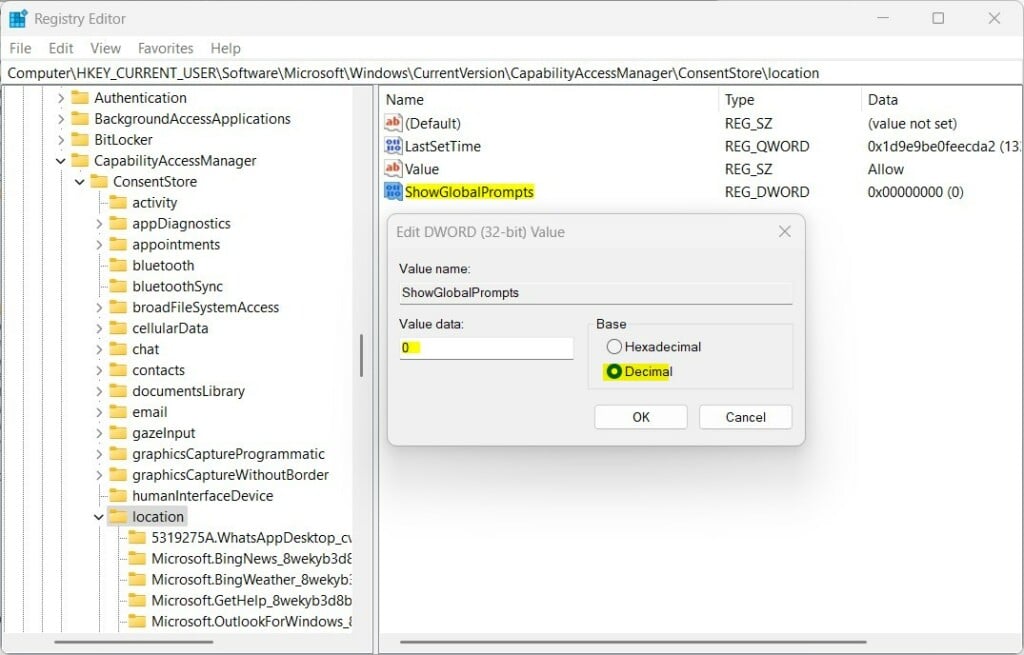
Save your changes and restart your computer.
That should do it!
Conclusion:
- Enabling or disabling “Notify when apps request location” in Windows 11 allows users to control app notification requests for their device’s precise location.
- Users can manage this setting through the Windows Settings app or the Windows Registry Editor.
- By following the instructions in this article, users can effectively customize their privacy settings and manage app access to their device’s location.

Leave a Reply