How to Install Telnet on Windows 11

You can install Telnet on Windows 11 by enabling the Telnet Client feature through the Control Panel.
Telnet is a network protocol and a command-line client that allows you to remotely connect to another computer and issue commands, acting like a simple text-based terminal session. Although older and less secure than protocols like SSH, it’s still a valuable tool for basic network diagnostics.
For example, you might use Telnet on Windows 11 to quickly verify if a specific port, like port 80 for web servers, is open and listening on a remote machine. This helps you troubleshoot connectivity issues and confirm if firewalls are blocking access.
Once enabled, you can launch the Telnet client from the Command Prompt or PowerShell to connect to remote hosts.
Enable the Telnet Client feature by going to Control Panel, then Programs, and selecting “Turn Windows features on or off.” Check the box for Telnet Client and click OK. You can also use the DISM command in an administrator Command Prompt: dism /online /Enable-Feature /FeatureName:TelnetClient.
Prerequisites
Before you begin, ensure you have an active internet connection. You must also have an administrator account on your computer to modify Windows features.
How to enable Telnet on 🪟 Windows 11
Follow these steps to turn on Telnet using the Windows settings menu.
- Open the Start Menu, search for Control Panel, and open it.
- Click on the Programs category.

- Select the link labeled Turn Windows features on or off. %📂%LNK0%%

- Find Telnet Client in the list, check the box next to it, and click OK.

Windows will now download and install the necessary files. Once finished, you can open your command prompt to start using it.
How to install Telnet via Command Prompt
You can also install Telnet using the command line. Note: This requires admin privileges.
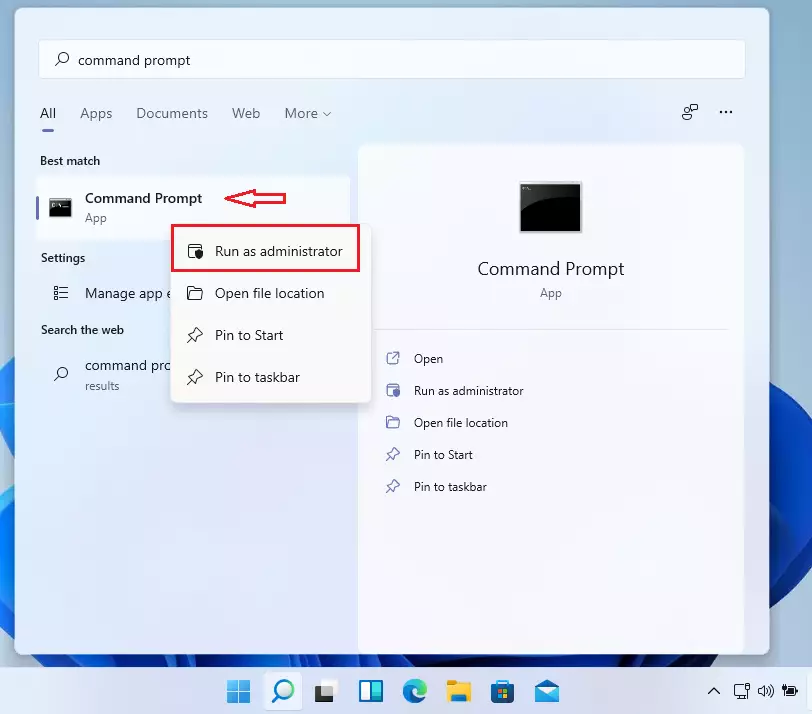
- Click the Start Menu and search for Command Prompt.
- Right-click the app and choose Run as administrator.
- Type the following command and press Enter:
dism /online /Enable-Feature /FeatureName:TelnetClientHow to install Telnet via PowerShell
PowerShell is another way to install the feature. Note: This requires admin privileges.
- Search for PowerShell in the Start Menu.
- Right-click it and select Run as administrator.
- Run this command:
Install-WindowsFeature -name Telnet-ClientVerify Installation
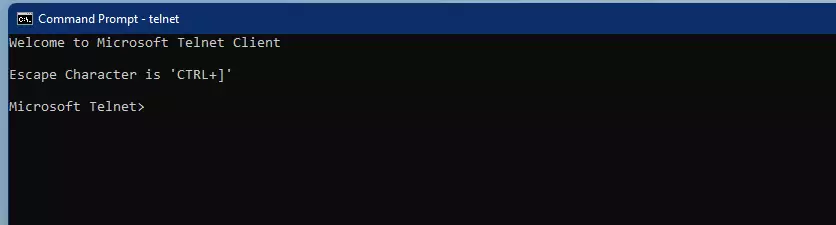
To check if Telnet is installed, open Command Prompt and type telnet. If it works, you will see a blank screen or a help menu. If you get an error, the installation did not complete.
Security Risks and SSH Alternative
Is Telnet safe to use on Windows 11? No. Telnet sends data in plain text, meaning anyone on your network can read your passwords. Always use SSH (Secure Shell) instead, as it encrypts your connection. Only use Telnet for local network testing.
Disabling Telnet
If you no longer need it, go back to Turn Windows features on or off, uncheck Telnet Client, and click OK to remove it.
Summary
Telnet is a legacy network tool used primarily for testing connections. You can enable it through the Windows Control Panel, or by using the dism command in an administrator Command Prompt. Always remember that Telnet is insecure; use SSH for any sensitive tasks to protect your data.
Why can’t I find Telnet in 🪟 Windows 11?
Telnet is not enabled by default in Windows 11 because it is a legacy feature. You must manually enable it through the Windows Features menu or via the command line to use it. It is hidden to prevent users from accidentally using an insecure connection method.
What is the difference between Telnet and SSH?
The main difference is security. Telnet transmits all data, including login credentials, in plain text, making it vulnerable to interception. SSH encrypts the entire connection, ensuring that your data remains private and secure. SSH is the modern standard for remote administration and should be preferred over Telnet.
Was this guide helpful?

About the Author
Richard
Tech Writer, IT Professional
Richard, a writer for Geek Rewind, is a tech enthusiast who loves breaking down complex IT topics into simple, easy-to-understand ideas. With years of hands-on experience in system administration and enterprise IT operations, he’s developed a knack for offering practical tips and solutions. Richard aims to make technology more accessible and actionable. He's deeply committed to the Geek Rewind community, always ready to answer questions and engage in discussions.


No comments yet — be the first to share your thoughts!