How to Organize Windows 11 Start Menu Apps into Folders

The Windows 11 Start menu is the heart of your computer. It helps you find your favorite programs quickly. It is split into three main areas: Pinned, All apps, and Recommended. The Pinned section holds shortcuts to your most important apps, like your browser or email.
Why do this? Organizing your apps into folders makes your Start menu less cluttered. It helps you find what you need faster, just like you do on your smartphone. This is a great way to practice digital decluttering.
What happens when done? Your pinned apps will be neatly tucked away into folders. This keeps your desktop experience clean and easy to navigate, improving your overall productivity.
How to group apps into folders
Grouping apps is simple. It works just like organizing apps on a phone or tablet. When you group your apps, your menu will look like this:
- Open your Start menu.
- Find an app icon you want to group.
- Click and hold the icon, then drag it directly on top of another app you want in the same folder.
- Release your mouse button. Windows will automatically create a folder for you.
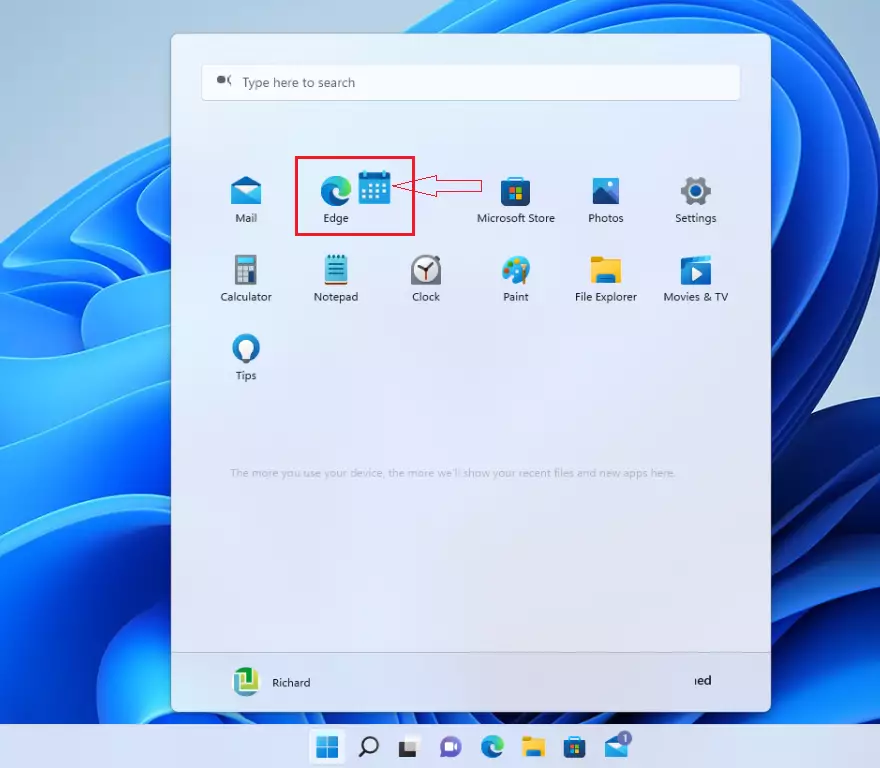
Pro-tip: You can drag and drop apps into existing folders at any time to keep your layout perfect. You can also drag apps out of a folder to ungroup them whenever you want.
Advanced Start Menu Customization
Beyond folders, you can manage your Start menu layout to suit your work style. You can pin or unpin apps by right-clicking them and selecting Pin to Start or Unpin from Start. If you want to change the order, simply click and drag the icons to your preferred spot.
Troubleshooting and Management
If you find that your Start menu is not behaving as expected, you might need to check your personalization settings. Sometimes, a simple restart of the Windows Explorer process can fix display issues. To do this, press Ctrl + Shift + Esc to open Task Manager, find Windows Explorer, right-click it, and select Restart.
Summary
- Grouping apps keeps your Start menu tidy and organized.
- You can create folders by dragging one app icon on top of another.
- You can rename folders to keep your digital space categorized.
- You can easily add, remove, or rearrange your apps within these folders at any time.
- Customizing your Start menu layout helps improve your daily productivity.
Note: No special admin privileges are required for standard users to organize their own Start menu. For deeper system changes, you might need to access settings in C:\Windows\System32 or modify registry keys like HKEY_CURRENT_USER\Control Panel\Desktop, but these are not needed for basic folder organization.
Can I rename a folder in the Windows 11 Start menu?
Yes. Open the folder by clicking it, then click the text box that says Folder. Type your new name and press Enter. This helps you categorize your apps by type, such as Work, Games, or Media, making your Start menu much easier to navigate.
How do I remove an app from a folder in the Start menu?
Open the folder, click and hold the app icon you want to remove, and drag it out of the folder area onto the main Pinned section of your Start menu. Release the mouse button to place the app back in your main list.
Is there a limit to how many apps I can put in a Start menu folder?
While there is no strict hard limit on the number of apps, it is best to keep folders manageable so you can see all your icons at a glance. If a folder gets too full, consider splitting your apps into two separate folders for better organization.
How do I move the Start menu back to the left side?
Right-click an empty space on your taskbar and select Taskbar settings. Click on Taskbar behaviors, then change the Taskbar alignment setting from Center to Left. This will move your Start button and pinned apps back to the left side of your screen.
Was this guide helpful?

About the Author
Richard
Tech Writer, IT Professional
Richard, a writer for Geek Rewind, is a tech enthusiast who loves breaking down complex IT topics into simple, easy-to-understand ideas. With years of hands-on experience in system administration and enterprise IT operations, he’s developed a knack for offering practical tips and solutions. Richard aims to make technology more accessible and actionable. He's deeply committed to the Geek Rewind community, always ready to answer questions and engage in discussions.

No comments yet — be the first to share your thoughts!